Article Contents:
- Variety of types: from classic to innovations
- Wood Species: Each with Its Own Character
- Size diversity: precision down to the millimeter
- Table of standard sizes of wooden planks
- Shapes and profiles: geometry of beauty
- Profile classification by cross-section shape
- Processing quality: from rough stock to perfection
- Dimensions and characteristics: technical precision
- Standard solutions for professional use
- Technical specifications by size
- Small sizes: precision in details
- Long formats: scalable solutions
- Construction applications: structural base
- Gypsum board systems: reliable base
- Technology of installing a substructure
- Siding: exterior finish
- Frame structures: basis of architecture
- Specialized Applications
- Interior solutions: art of space
- Wall accents: new dimension
- Options for mounting planks on walls
- Decorative possibilities: beauty in details
- Spatial solutions: function and aesthetics
- Modern trends: innovations in design
- Space zoning: functional beauty
- Combined solutions: harmony of materials
- Ceiling solutions: view from above
- Plank ceilings: architecture overhead
- Types of ceiling structures made of planks
- Lighting and integration: technological solutions
- Furniture Applications: Functionality and Style
- Furniture Base: Constructive Solutions
- Furniture Elements: Details Create the Whole
- Exterior and Landscape: Harmony with Nature
- Fences: Protection and Beauty
- Garden Structures: Garden Architecture
- Color Solutions: Palette of Possibilities
- Natural Tones: Classic Beyond Time
- Popular Color Solutions
- Color Harmony: Art of Combinations
- Practical Aspects: From Idea to Implementation
- DIY: Creativity with Your Own Hands
- Stages of Manufacturing Wooden Lumber
- Assembly and Fastening: Technical Precision
- Fastening Methods Depending on the Base
- Decorative Possibilities: Aesthetics of Space
- Interior Accents: Focus of Attention
- Functional Decorativeness: Beauty with Purpose
- Design Ideas for Using Lumber
- Innovative Solutions and Trends
- Modern Processing Technologies
- Comparison of Processing Methods
- Ecological Aspects
- Price Aspects: Investment in Quality
- Cost Formation: Influencing Factors
- Pricing Categories of Wooden Planks
- Supplier Search: Where to Find Quality
- Regional market characteristics
- Frequently Asked Questions and Expert Answers
- Conclusion

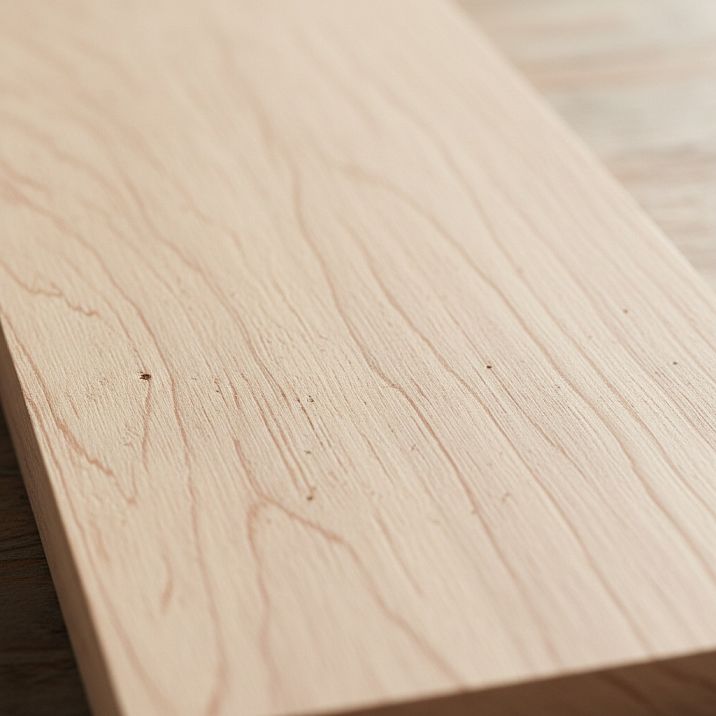



Imagine a material capable of transforming any space, from a cozy apartment to a large-scale construction project. Wooden plank This is precisely the element that combines functionality, aesthetics, and universal applicability. In the world of modern construction and interior design, this material holds a special place, becoming an indispensable part of both constructive solutions and decorative finishes.
What makes wooden lumber so popular? The answer lies in its remarkable ability to adapt to any task. From creating a reliable substructure to forming sophisticated interior accents — this material demonstrates astonishing versatility in application. Current trends show a steady increase in demand for quality wooden lumber, reflected in the popularity of requests from Buy wooden skirting board to detailed study of characteristics and Price of wooden strip.


Variety of Types: From Classic to Innovations




Wood Species: Each Has Its Own Character
Choosing a wood species determines not only the appearance of the final product but also its performance characteristics. Oak wooden planks represent the standard of strength and durability. Oak planks feature an expressive texture, high density, and exceptional resistance to external influences. This wood species is ideal for creating structural elements where maximum reliability is required.
|
Wood Species |
Density (kg/m³) |
Hardness by Brinell |
Moisture Resistance |
Price Category |
|
Oak |
700-800 |
3.7-4.0 |
High |
Premium |
|
Beech |
680-720 |
3.8-4.2 |
Medium |
High |
|
Ash |
650-750 |
4.0-4.3 |
Medium |
High |
|
Pine |
450-520 |
1.6-2.5 |
Low |
Economy |
|
Larch |
580-665 |
2.6-3.3 |
High |
Medium |
Beech planks bring a special warmth to interiors due to their light color and uniform structure. Beech has excellent technical properties — high strength, shape stability, and a pleasant surface texture. Pine planks, in turn, represent an optimal combination of accessibility and quality. However, it is important to note thatWooden rails solid wood planks have significantly better characteristics compared to composite analogs.
Pine is easy to process, has a pleasant resinous aroma, and natural antiseptic properties. Ash deserves special attention due to its unique qualities. This species combines high strength with elasticity, making ash planks indispensable in projects requiring a combination of reliability and flexibility.
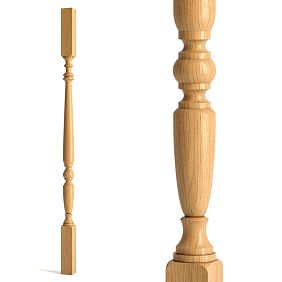
Our factory also produces:



Dimensional variety: precision to the millimeter
The modern market offers an impressive variety of wooden plank sizes. Wooden rail 20x40 has become a true standard in the construction industry. This size provides an optimal balance of strength and weight, making it ideal for creating substructures for various finishing materials.
Get Consultation
Table of standard wooden plank sizes
|
Size (mm) |
Weight per linear meter (g) |
Applications |
Maximum span (cm) |
|
10×10 |
45-65 |
Decor, modeling |
30 |
|
20×20 |
180-260 |
Light frames, decor |
50 |
|
20×40 |
360-520 |
Substructure, frames |
80 |
|
30×30 |
405-585 |
Structural elements |
70 |
|
40×40 |
720-1040 |
Frames, posts |
100 |
|
50×50 |
1125-1625 |
Load-bearing structures |
120 |
For more delicate tasks, use wooden plank 20 — narrow strips used in decorative work and creating elegant structural elements. Wooden plank 10x20 represents a compromise between strength and lightness, often used in furniture manufacturing and interior design.
When stronger structures are required, wooden planks 50x50 and 60x60 come to the rescue. These sizes provide high load-bearing capacity and are used in frame construction, pergola building, and other architectural elements. Wooden plank 100 — this is already a serious structural element capable of withstanding significant loads.
It is also worth remembering about miniature sizes. Wooden planks 10x10, wooden plank 3 3 wooden planks 10x10 are used in modeling, creating miniature structures and decorative elements.
Shapes and profiles: geometry of beauty
The variety of wooden plank shapes opens up limitless creative possibilities. A round wooden plank brings softness to lines and organic forms into design. Such planks are often used in creating railings, decorative grilles, and furniture elements where visual lightness is required.
Semicircular wooden planks represent a compromise between the classic rectangular shape and a round cross-section. They create an interesting play of light and shadow, adding volume and dynamism to interior solutions. A wooden plank with a groove opens up new possibilities for joining elements without additional fasteners, which is especially valued in furniture manufacturing.
Studying Beech strip profiles, you can identify several main categories:
Profile classification by cross-section shape
|
Profile type |
Description |
Application |
Manufacturing complexity |
|
Rectangular |
Classic shape |
Universal |
Low |
|
Square |
Equal sides |
Frames, posts |
Low |
|
Round |
Cylindrical cross-section |
Railings, decor |
Medium |
|
Semicircular |
D-shaped cross-section |
Baseboards, moldings |
Medium |
|
With groove |
Connecting element |
Assembled structures |
High |
|
Figured |
Complex geometry |
Decorative elements |
High |
Quality of processing: from rough material to perfection
Planed wooden strip represents high-quality material ready for immediate use. The planing process gives the surface ideal smoothness, precise geometric dimensions, and an attractive appearance. When you need to buy a planed wooden plank, it is important to pay attention to the quality of surface processing and compliance with stated dimensions.
Treated wooden planks undergo additional preparation stages, including drying to optimal moisture content, antiseptic treatment, and final sanding. This material ensures the longevity of structures and prevents deformation during use.
Wooden MDF planks — a modern composite material combining the advantages of natural wood with technological innovations. MDF planks feature dimensional stability, uniform structure, and the ability to create complex profiles.
Dimensions and characteristics: technical precision
Standard solutions for professional use
Buying wooden plank 20x40 is one of the most popular requests in the construction industry. This size has become the gold standard due to its optimal balance of strength, weight, and cost. When choosing, it is important to consider not only the price of wooden plank 20x40, but also the quality of the wood, material moisture content, and geometric dimension accuracy.
Sanded wooden plank 20x40 is a ready-to-use material requiring no additional mechanical processing. The sanded surface ensures better adhesion with finishing materials and creates an attractive appearance when used openly.
Technical specifications by dimensions
|
Parameter |
10×10 |
20×20 |
20×40 |
30×40 |
40×40 |
50×50 |
|
Resistance moment (cm³) |
0.17 |
1.33 |
2.67 |
6.0 |
10.67 |
20.83 |
|
Moment of inertia (cm⁴) |
0.008 |
1.33 |
5.33 |
9.0 |
21.33 |
52.08 |
|
Cross-sectional area (cm²) |
1.0 |
4.0 |
8.0 |
12.0 |
16.0 |
25.0 |
|
Radius of inertia (cm) |
0.29 |
0.58 |
0.82 |
0.87 |
1.15 |
1.44 |
Small dimensions: precision in details
Buying wooden plank 10x20 is often required for decorative work and creating elegant structures. This size provides sufficient strength for most interior solutions, without creating excessive bulk. Wooden plank 10x10 and wooden plank 3x3 are used in creating miniature elements, modeling, and artistic projects.
Long formats: large-scale solutions
Wooden planks 3 meters and wooden plank 3000 allow creating extended structures without joints, which is especially important in architectural projects. Wooden planks 2 meters represent a compromise solution between transportation convenience and functionality.
When planning a project, it is important to consider all material characteristics: the thickness of wooden planks determines the strength of the structure, the width of the wooden plank affects visual perception, the length of the wooden plank sets the scale of the element, the cross-section of wooden planks determines load-bearing capacity, and the profiles of wooden planks open up design possibilities. Detailed information about various wooden plank dimensions can be found in specialized catalogs.
Construction applications: structural base
Gypsum board systems: reliable base
Gypsum board on wooden planks is a classic, time-tested solution. Wooden framing provides a reliable base for attaching gypsum board sheets, creating a strong and durable structure. Gypsum board on wooden plank for wall installation allows leveling surfaces, concealing utilities, and adding additional insulation.
The installation process requires precision and a professional approach. Planks must be installed strictly level with spacing corresponding to the dimensions of gypsum board sheets. Properly installed framing made of quality wooden planks guarantees the absence of deformations and cracks in the future.
Framing installation technology
|
Stage |
Description |
Tools |
Time to complete |
|
Marking |
Marking mounting lines |
Level, tape measure, pencil |
10-15 min/m² |
|
Fastening |
Fixing battens to the base |
Hammer drill, self-tapping screws, anchors |
20-25 min/m² |
|
Check |
Plane control |
Rule, level |
5-8 min/m² |
|
Finishing treatment |
Sanding, protective impregnation |
Sandpaper, brush |
10-12 min/m² |
Siding: exterior finish
How to install siding on wooden battens — a question requiring detailed consideration. The wooden substructure under siding performs several functions: it levels the wall surface, creates a ventilation gap, and ensures secure attachment of the finishing material.
Battens for siding must be treated with antiseptic compounds and have moisture content corresponding to construction standards. The spacing of batten installation is determined by the type of siding and climatic conditions of the region.
Frame structures: the basis of architecture
Wooden batten frame structures are used in various construction solutions — from light partitions to complex architectural forms. Wooden batten in frame construction must have high strength and dimensional stability.
Wooden battens for substructure are selected based on the purpose of the structure and anticipated loads. For roof substructure, battens of one cross-section are used, for wall substructure — another. It is important to consider the wood species, material moisture content, and quality of treatment.
Specialized Applications
Wooden batten for wallpapering requires a special approach to material selection. Wallpapering structures are exposed to moisture, temperature fluctuations, and mechanical loads from plants. Battens must be made from wood species resistant to rot and treated with special compounds.
Facade wooden batten and facade finish with wooden battens create an expressive architectural appearance of the building. Facade battens must have high resistance to atmospheric effects, stable dimensions, and an attractive appearance.
Interior solutions: the art of space
Wall accents: a new dimension
wooden planks on the wall have become a real trend in modern interior design. This technique allows creating expressive accent surfaces, adding texture and depth to the space. Those who wish to buy wooden battens for walls understand the power of natural materials' impact on interior perception.
Wooden battens on walls in interior design open up boundless creative possibilities. They can be placed vertically, creating a sense of height, or horizontally, visually expanding the space. Diagonal placement adds dynamism and modernity.
Options for placing battens on walls
|
Type of placement |
Visual effect |
Installation complexity |
Material Consumption |
|
Vertical |
Height Increase |
Low |
Standard |
|
Horizontal |
Space Expansion |
Low |
Standard |
|
Diagonal |
Dynamic, Movement |
High |
+15-20% |
|
Like a Christmas Tree |
Classic Elegance |
High |
+25-30% |
|
Geometric Pattern |
Modern, Accent |
MDF with film |
+30-40% |
Especially relevant wooden planks for interior wall finishingwhich allow creating an exclusive interior with minimal expenses.
Decorative Possibilities: Beauty in Details
Decorative wooden strip transforms an ordinary wall into a work of art. Buying decorative wooden planks makes sense when creating a unique interior with character. Wooden planks for decoration and buying wooden planks for wall decoration — requests reflecting growing interest in natural materials in design.
Decorative planks can have various surface treatments — from smoothly sanded to intentionally rough, preserving the natural wood texture. Texture play creates additional visual effects and tactile sensations.
Spatial Solutions: Function and Aesthetics
Wooden boards in interior are used in various rooms. Wooden planks on the kitchen create a warm, cozy atmosphere, contrasting with cold surfaces of appliances and stone countertops. Wooden planks in the bathroom require special waterproofing treatments but create a unique spa effect.
Wooden planks in the hallway help zone the space and create an expressive entrance. Wooden planks in the room can serve as accent walls behind the bed or sofa. Wooden planks in an apartment and wooden planks in a house become unifying elements, creating stylistic unity in the space.
Wooden planks in the corridor especially relevant, as this material visually expands narrow spaces and creates a sense of coziness.
Modern Directions: Innovations in Design
Vertical wooden planks visually increase the height of the room, creating a sense of upward movement. Horizontal wooden planks expand the space, adding calmness and stability. 3D wooden planks create volumetric effects by playing with light and shadow.
Wooden wall planks and wooden plank wall panels represent ready-made solutions for quickly transforming interiors. Such systems ensure uniform appearance and simplify the installation process.
Space Zoning: Functional Beauty
A partition made of wooden planks — an elegant solution for dividing space without creating solid walls. Zoning rooms with wooden planks allows preserving the feeling of spaciousness while clearly defining functional zones. Partitioning planks wooden can be stationary or mobile, depending on needs.
Louvered partitions allow light to pass through, create an interesting play of shadows, and permit air to circulate freely. This is especially important in small rooms, where every square meter counts.
Combined solutions: harmony of materials
Wooden panel wallpapers create an interesting contrast of textures — the smoothness of paper or non-woven fabric and the volume of wood. Wooden plank tiles often used in bathrooms and kitchens, where the practicality of ceramic is complemented by the warmth of wood.
Ceramogranite wooden plank and tiles under wooden planks allow achieving a visual effect of wood with the practicality of ceramic materials. Panels under wooden planks are imitations made from various materials, but natural wood remains unmatched in its aesthetic and ecological qualities.
Ceiling solutions: looking up
Louvered ceilings: architecture above your head
A ceiling made of wooden planks creates an expressive architectural form, adds character and individuality to the room. Installing a wooden plank ceiling yourself is an achievable task with basic carpentry skills and quality materials.
Louvered ceiling planks must have stable dimensions, an attractive appearance, and be treated with protective coatings. The louvered ceiling structure allows concealing utilities, improving room acoustics, and creating a unique design.
Types of louvered ceiling structures
|
Type of construction |
Ceiling height (m) |
Installation complexity |
Acoustic properties |
Cost |
|
Covered |
2.4-2.7 |
Low |
Medium |
Low |
|
Suspension |
2.7-3.5 |
Medium |
High |
Medium |
|
Kессонный |
3.0+ |
High |
Excellent |
High |
|
Louvered open |
Any |
Medium |
Good |
Medium |
Lighting and integration: technological solutions
Wooden planks with backlighting open up new possibilities for creating ambient lighting. Built-in LED strips between the planks create soft diffused light, highlighting the wood texture and creating a cozy atmosphere.
Integrating modern technologies with natural materials requires careful planning and a professional approach. It is important to consider the heat emission of LEDs, ensure reliable insulation of electrical connections, and provide for the possibility of servicing the lighting system.
Furniture applications: functionality and style
Furniture base: constructive solutions
The wooden slat for the bed performs an important functional role, ensuring proper mattress support and comfortable sleep. The wooden slat under the mattress must be made of strong wood, have the correct geometry, and possess a certain elasticity.
The wooden slats for sofas also require special attention to material quality and manufacturing precision. The quality of the slats determines the durability of the furniture and the comfort of use.
Furniture elements: details create a whole
Wooden slats for wardrobes are used in creating various structural elements — from shelves to decorative inserts. Wooden slat frame finds application in the production of mirrors, pictures, and other interior items.
A wooden table made of slats represents an interesting design solution, where a structural element becomes decorative. A planter made of wooden slats adds naturalness to interior greenery. A coat rack made of wooden slats combines functionality with aesthetic appeal.
Desk lamps made of wooden slats create warm, cozy lighting and become an accent element in the interior. Such items demonstrate the beauty of natural wood and craftsmanship.
Exterior and landscape: harmony with nature
Fences: protection and beauty
A fence made of wooden slats combines the functionality of fencing with the aesthetic appeal of natural material. Wooden fences create a cozy, home-like atmosphere and harmoniously blend into the natural landscape.
The construction of a slat fence can vary — from solid fencing to lacy designs that allow light and air to pass through. The choice depends on the functional purpose of the fence and the design concept of the plot.
Garden structures: garden architecture
A gazebo made of wooden slats becomes a focal point in the garden space. Wooden slats allow creating a light, lacy structure that does not clutter the space but provides necessary protection from sun and rain.
Wooden slats for flowers are used in creating supports for climbing plants, decorative trellises, and garden structures. Outdoor wooden slats must have increased resistance to atmospheric influences and be treated with special protective compounds.
Color solutions: palette of possibilities
Natural tones: classic beyond time
The natural color of wood remains the most popular choice, as it highlights the natural beauty of the material. However, modern design trends offer other options.
White wooden slats create a sense of cleanliness and spaciousness, especially popular in Scandinavian interior style. The white color is universal and combines with any other shades, allowing to create both contrasting and monochromatic compositions.
Gray wooden slats add modernity and elegance. The gray color is especially relevant in minimalist interiors and industrial style. Black wooden slat creates dramatic accents and emphasizes architectural forms.
Popular color solutions
|
Color |
Interior style |
Psychological impact |
Combinations |
|
Natural |
Eco, Scandinavian |
Cozy, calm |
White, green, beige |
|
White |
Scandinavian, minimalism |
Cleanliness, spaciousness |
Any colors |
|
Gray |
Loft, modern |
Elegance, restraint |
Yellow, blue, white |
|
Black |
Industrial, contemporary |
Drama, luxury |
White, gold, silver |
|
Wenge |
Classic, neoclassical |
Substantiality, status |
Beige, cream |
Color harmony: art of combinations
The colors of wooden planks can be achieved in various ways — from using stains to full painting. It is important to preserve the texture of the wooden plank, which is one of the main advantages of this material.
Wooden plank photo Allows evaluating all nuances of color solutions and material texture. Wooden plank backgrounds in interior design create a base for other decorative elements. A properly chosen color of planks can visually alter the proportions of a room, create the desired mood, and emphasize the stylistic direction.
Practical aspects: from idea to implementation
DIY: creativity by hand
Wooden planks by yourself — a process requiring certain skills and tools, but entirely accessible for a home handyman. How to make a wooden plank depends on the purpose of the item and available materials.
You can make wooden planks by yourself using various types of lumber, with hand or electric tools. It is important to follow the processing technology, ensure correct geometry, and achieve a quality surface.
Stages of making wooden planks
|
Stage |
Description |
Tools |
Quality control |
|
Material selection |
Lumber selection |
Moisture meter, ruler |
Moisture 8-12% |
|
Marking |
Marking dimensions |
Ruler, square, pencil |
Accuracy ±0.5 mm |
|
Cutting |
Material cutting |
Circular saw, miter gauge |
Perpendicularity |
|
Planing |
Surface leveling |
Hand plane, jointer |
Smoothness, dimensions |
|
Sanding |
Finishing treatment |
Sanding machine, sandpaper |
Surface roughness class |
|
Protective treatment |
Impregnation, varnishing |
Brush, roller, spray gun |
Coating uniformity |
Installation and fastening: technical accuracy
How to mount wooden planks to a wall — a question requiring consideration of many factors: wall material, structure weight, plank purpose, and operating conditions. How to mount wooden planks and how to attach wooden planks to a wall depends on the specific situation.
Mounting wooden planks requires using quality fasteners and following installation technology. Wooden plank installation must account for possible material deformation and changes in geometry over time.
Finishing with wooden strips Mounting wooden planks and covering with them — processes requiring precise marking, proper fastener selection, and careful execution. The quality of installation affects not only the appearance but also the longevity of the structure.
Mounting methods depending on the base
|
Base type |
Mounting method |
Fasteners |
Installation spacing (mm) |
|
Brick |
Anchor + screw |
6×40 mm |
400-600 |
|
Concrete |
Anchor clip |
6×50 mm |
300-500 |
|
Gas concrete |
Special anchor |
8×60 mm |
300-400 |
|
Wood |
Wood screw |
4×40 mm |
250-400 |
|
Gypsum board |
Anchor "butterfly" |
4×35 mm |
200-300 |
Decorative possibilities: aesthetics of space
Interior accents: focus of attention
Decorative wooden strips on the wall allow creating expressive compositions that attract attention and set the mood for the entire interior. Internal wooden strip finishing can be done in various styles — from classic to ultra-modern.
Finishing with wooden strips requires a thoughtful approach to planning and quality materials. Wooden strip finishing should harmoniously fit into the overall interior concept and highlight its strengths.
Functional decor: beauty with purpose
Wall wooden strips can serve not only decorative but also functional roles — as a base for mounting shelves, lighting fixtures, and artworks. Wooden panels with strips represent ready-made solutions that simplify the interior design process.
Wooden strips for zoning allow creating functional partitions without disrupting the overall space of the room. Such solutions are especially relevant in modern open-plan layouts.
Design ideas for using strips
|
Area of application |
Idea |
Effect |
Implementation complexity |
|
Headboard |
Vertical strips with backlighting |
Cozy, romantic |
Medium |
|
TV zone |
Horizontal strip shelves |
Functionality |
Low |
|
Staircase landing |
Diagonal strips |
Dynamism, movement |
High |
|
Kitchen apron |
Small grooves under lacquer |
Texture, practicality |
Medium |
|
Balcony/Loggia |
Lattice of grooves |
Zoning, coziness |
Low |
Innovative solutions and trends
Modern Processing Technologies
Modern technologies allow creating wooden grooves with unique properties. Wood thermo-treatment increases its stability and resistance to moisture. Pressure impregnation with deep-penetrating compounds provides long-term protection against biological influences.
Comparison of treatment methods
|
Treatment method |
Advantages |
Disadvantages |
Cost |
|
Thermo-treatment |
Stability, eco-friendliness |
Darkening, brittleness |
High |
|
Autoclaving |
Deep impregnation |
Color change |
Medium |
|
Vacuum impregnation |
Uniformity of treatment |
Technological complexity |
High |
|
Surface treatment |
Accessibility, simplicity |
Shallow penetration |
Low |
Ecological aspects
Wooden grooves are an eco-friendly material that contributes to creating a healthy microclimate in the room. Wood absorbs carbon dioxide, regulates air humidity, and releases beneficial phytoncides.
At the same time, the process wooden grooves are called differently depending on the region and traditions — this may be a 'plank', 'lamella', 'strip', or simply 'groove'.
Price aspects: investments in quality
Cost formation: influencing factors
The price of wooden grooves is formed under the influence of many factors: wood species, quality of treatment, dimensions, profile complexity, and batch size. The price per unit of wooden grooves may vary significantly depending on the supplier and region.
The price of wooden grooves 20x40 is usually indicated per linear meter or per unit of standard length. When calculating the total project cost, it is important to consider not only the material cost but also the expenses for fasteners, processing, and installation.
Pricing categories of wooden planks
|
Category |
Wood Species |
Price per m³ (thousand rubles) |
Application Area |
|
Economy |
Spruce, Pine |
15-25 |
Rough Work |
|
Standard |
Sawn Spruce |
25-40 |
Substructure, frames |
|
Comfort |
Larch, Birch |
40-65 |
Finishing, Furniture |
|
Premium |
Oak, Ash, Beech |
65-120 |
Premium Finishing |
|
Exclusive |
Exotic Species |
120+ |
Designer Projects |
The price of wooden planks depends on many factors, but investing in quality material always pays off through durability and aesthetic appeal. Buying wooden planks whose price corresponds to quality is a wise decision for any project.
Supplier Search: Where to Find Quality
Where to buy wooden planks — a question requiring careful market research. Where can you buy wooden planks and get a quality guarantee? A wooden plank store should offer a wide selection, qualified consultations, and reliable logistics.
When choosing a supplier, it is important to pay attention to the company's reputation, the quality of the offered products, delivery terms, and after-sales service.
Overview of Boxes for Wooden Planks will help choose the optimal packaging for transporting and storing the material.
Regional market specifics
Wooden planks SPBwooden plank Moscow, buy wooden plank in Moscow — queries reflecting regional demand specifics. In large cities, requirements for processing quality and design are higher, while in regions, practicality and accessibility are more valued.
Wooden planks Novosibirsk, buy wooden plank in Yekaterinburgwooden planks Chelyabinsk — these queries show high demand for quality products in regional centers.
Frequently Asked Questions and Expert Answers
Which wood species to choose for planks?
The choice of wood species depends on the purpose of the planks. For structural elements, it is better to choose oak or ash; for decorative purposes — beech or spruce. Spruce is optimal in terms of price-to-quality ratio, while oak is for maximum durability.
What is the optimal moisture content of wood?
For construction purposes, the moisture content of wood should be 12-15%, for furniture items — 8-10%. 20 mm Wooden Planks Do not deform after installation with proper humidity.
Do planks need protective treatments?
Treatment with antiseptics is mandatory for planks used in high humidity conditions or outdoors. For interior work in dry rooms, it is sufficient to apply varnish or paint.
How to calculate the number of planks for a project?
The calculation depends on the laying method and plank dimensions. For solid laying, the surface area is divided by the area of one plank, accounting for gaps. For grid laying, the spacing between planks is taken into account.
Can planks be used for outdoor work?
Yes, but it is necessary to choose wood species resistant to atmospheric effects (larch, oak) and to treat them with protective compounds. Pine planks for outdoor use require regular renewal of protective coating.
What is the difference between planed and unplaned planks?
Planed planks have a smooth surface, precise dimensions, and are ready for final finishing. Unplaned planks are cheaper but require additional processing before use for decorative purposes.
Conclusion
Wooden planks continue to remain one of the most versatile and in-demand materials in modern construction and design. Their ability to adapt to any task — from structural to decorative — makes this material indispensable in the arsenal of professional builders and designers.
Modern wood processing technologies allow obtaining planks of the highest quality, combining traditional advantages of natural wood with modern requirements for dimensional accuracy and surface quality. The variety of wood species, sizes, and shapes opens up limitless possibilities for creativity and realization of the most daring architectural and design ideas.
Investing in quality wooden planks is investing in the longevity, beauty, and eco-friendliness of your project. A properly selected and professionally installed material will delight you with its appearance and functionality for many years.
In an era of growing attention to ecology and natural materials, wooden planks are no longer just construction materials — they are symbols of harmony with nature, quality of life, and conscious consumption. Choosing wooden planks means choosing the future — sustainable, beautiful, and healthy.
STAVROS understands the importance of quality wooden products and offers a wide range of planks, moldings, cornices, and skirting boards made from solid wood. Years of experience working with natural materials allow STAVROS to guarantee the highest product quality and professional approach to solving any tasks in woodworking. Our products combine traditional wood processing technologies with modern quality standards, making each item not just a functional element, but a work of art.