Article Contents:
- 1. Historical Perspective and Significance of Wooden Planks
- 1.1 Traditional Craft Heritage
- 1.2 From Traditions to Modern Technologies
- 2.1 Natural Aesthetics and Warmth of Wood
- 2.2 Durability and Longevity
- 2.3 Ecological Safety and Reliability
- 2.4 Flexibility in Application and Compatibility with Different Styles
- 3.1 Wall Cladding and Decorative Panels
- 3.2 Decorative Inserts and Accents
- 3.3 Door and Window Frame Trim
- 3.4 Cornices, Mouldings, and Skirting Boards
- 4.1 Laser Cutting, Computer Modeling, and Automation
- 4.2 Ecological Safety and Reliability
- 4.3 Role of the Manufacturer as a Product
- 5.1 Criteria for selecting products
- 5.2 Installation and Integration into Interior
- 5.3 Maintenance and care
- 6.1 Durability and cost-effectiveness
- 6.2 Ecological safety
- 6.3 Support for traditional crafts
- 7.1 In Residential Spaces
- 7.2 In Office Interiors
- 7.3 Restaurants and Cafes
- 8. Conclusion
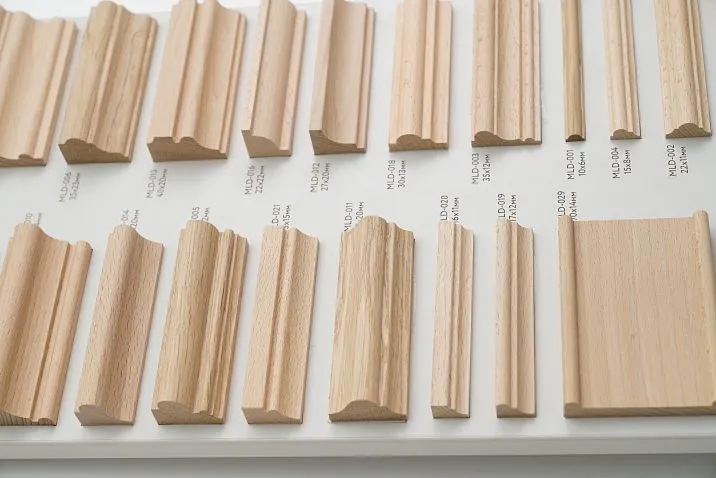
Natural wood has long served as a symbol of warmth, coziness, and timeless aesthetics. Today, as ecological safety and originality become top priorities in interior design, solid wood products are gaining increasing recognition among designers, architects, and homeowners. If you are looking for a way to give your space character, depth, and expressiveness, consider decorative wooden planks.
Below, we will explain whydecorative wooden plank purchase — is the ideal solution for those who value quality, durability, and unique design. This article will help you understand the advantages of wooden planks, their application in various interior styles, modern wood processing technologies, and practical aspects of selection, installation, and maintenance. We will examine how planks can transform a space, add a distinctive touch, and become a central accent in your home or commercial space.


1. Historical Perspective and Significance of Wooden Planks




1.1 Traditional Craft Heritage
The use of wood in interior decoration has deep roots. Even in ancient times, craftsmen manually created decorative elements, emphasizing the natural qualities of wood — its texture, color, and grain. Natural material became an indispensable part of decoration — from door and window casings to wall panels and partitions. Ornamentation, carving, and delicate planks adorned palaces, temples, and homes, highlighting status and individuality.
Craft traditions passed down from generation to generation established high standards for wood processing and a pursuit of perfection in every detail. The combination of manual labor, deep love for the material, and experience made each item truly unique. These traditions remain relevant today, as solid wood continues to be valued for its unique beauty and reliability.
Our factory also produces:


1.2 From Traditions to Modern Technologies
Modern approaches to wood processing combine century-old traditions with innovative production technologies such as computer modeling, laser cutting, automated planing, and sanding. This allows manufacturers to create planks that are distinguished by unparalleled precision and quality, while preserving the natural beauty of the material.
Most manufacturers strive to combine hand-finishing with machine processing, so that each decorative plank is not only functional but also embodies artistic value and the soul of solid wood. This approach ensures that, when you decidedecorative wooden plank purchaseto purchase, you receive a product that will serve faithfully for decades.
2. Advantages of decorative wooden planks
Get Consultation
2.1 Natural aesthetics and warmth of wood
One of the main advantages of natural wood is its unique beauty. Each decorative plank has a unique wood grain pattern, natural tones, and texture, immune to fashion trends. Natural wood brings a sense of warmth, comfort, and homeliness to a room, which is difficult to achieve using artificial materials.
Using wood in interior design promotes psychological comfort, helping to relax and feel connected to nature. Wooden planks on walls, in door and window trim, or in other decorative zones add additional depth and character to a room.
2.2 Strength and Durability
High-quality wood is characterized by high strength and resistance to mechanical damage, provided it is properly treated and protected. Planks made from solid wood, processed through modern stages of planing, sanding, and application of protective coatings, can retain their shape and aesthetic appearance for many years.
The durability of wooden planks makes them an attractive solution for finishing both residential and commercial interiors. The reliability of the products allows avoiding frequent repairs or replacements, and with proper care, wood remains in excellent condition, highlighting the high quality of the finishing work.
2.3 Ecological safety
Natural wood is one of the most ecologically clean materials. It is a renewable resource, and when properly processed, it does not emit toxic substances, making it safe for human health and the environment. Using environmentally friendly production technologies allows minimizing negative impact on nature and creating a healthy microclimate in the room.
This aspect is especially important when it comes to residential interiors, offices, and public spaces, where people spend most of their time. Choosing eco-conscious materials helps not only improve air quality but also contribute to preserving natural resources.
2.4 Flexibility in application and compatibility with different styles
Modern decorative wooden planks are versatile and easily fit into any architectural style. They can be used in classic interiors for creating elegant panels and intricate carved elements, as well as in contemporary spaces where minimalism and clean lines dominate.
Wooden planks combine beautifully with other finishing materials — metal, glass, stone, or ceramic. This allows creating diverse decorative compositions, highlighting zones in a room, or unifying the interior as a whole, while preserving the uniqueness and character of each element.
3. Application of decorative planks in interior design
3.1 Wall cladding and decorative panels
One of the most common ways to use wooden planks is for wall cladding. Planks can serve as a base for creating decorative panels that add depth and individuality to a room. Such cladding can be a full wall covering or an accent decoration in a specific area, for example, behind a sofa or at the headboard of a bed.
Wooden cladding makes the interior warmer and more inviting for rest. Using wood texture on vertical surfaces can achieve an effect of space expansion or, conversely, room zoning. This is especially important in modern layouts where several functional zones are combined.
3.2 Decorative inserts and accents
Decorative planks can be used not only for full wall cladding but also as individual inserts, forming interesting patterns and geometric compositions. Such elements draw attention to a specific area of the room, for example, highlighting a wall niche, fireplace zone, or another important architectural detail.
Using wood in the form of inserts on walls, doorways, and window frames creates an effect of a unique design solution, emphasizing the individuality of the space. At the same time, planks can be combined with various types of finishes, including brick, plaster, wallpaper, or paint, opening up endless possibilities for interior experimentation.
3.3 Door and window trim decoration
Wooden door and window trim made from planks not only serve a utilitarian function — protecting walls from damage, concealing joints and technical gaps — but also become an aesthetic element that unifies the entire interior. Carefully aligned and smooth lines, emphasized by wood texture, add elegance and completeness to doors and windows.
Decorative planks can also be used to decorate window frames. Whether panoramic windows or standard window openings, wood adds warmth to the interior, especially when combined with well-chosen curtains or blinds.
3.4 Cornices, moldings, and baseboards
In addition to wall cladding and door frame decoration, planks play an important role in creating a cohesive interior look as elements of cornices, moldings, and baseboards. Wooden moldings and cornices serve both decorative and practical functions: concealing joints, adding volume and completeness, emphasizing ceiling geometry, and helping visually adjust room proportions. Wooden baseboards, in turn, protect the lower part of walls from damage and create a neat transition from wall to floor.
Using natural wood in such finishing details makes them a noticeable accent and forms a unique look of the space. At the same time, quality and precision of execution are especially important, since these elements are closely involved in daily life and subjected to mechanical stress.
4. Modern processing technologies and advantages of choosing quality manufacturers
4.1 Laser cutting, computer modeling, and automation
Progress in the woodworking industry has allowed combining traditional craftsmanship with high-tech production, ensuring the highest quality of products. Laser cutting and computer modeling help achieve perfect flatness and precision while preserving the natural wood texture. Automated machines for planing and sanding significantly speed up the processing, making the products more affordable and reliable in use.
However, it is important that manual finishing work by skilled craftsmen is preserved in production, as it can impart exceptional individuality and attention to detail to the products. This approach ensures a balance between mass production and exclusivity, highly valued in modern interior finishing.
4.2 Ecological safety and reliability
By choosing a manufacturer that strictly adheres to ecological standards, you can be sure of the safety and purity of materials. Naturally processed wood with necessary certifications guarantees long service life and maintains a healthy atmosphere in the room.
Protective coating made from natural oils, waxes, or varnishes helps decorative planks retain their aesthetic appeal and durability for many years. Such products are not only resistant to mechanical damage and moisture but also do not emit harmful substances, making them the optimal choice for residential, office, and commercial spaces.
4.3 Role of the Manufacturer in Product Quality
When choosing,buy wooden planks for wall decorationIt is advisable to prefer proven manufacturers who have demonstrated their reliability and professionalism. High-quality wooden products are made under strict production standards, using modern technologies while preserving traditional craftsmanship. This ensures that the final product meets the strictest requirements for quality, aesthetics, and durability.
5. Practical Recommendations for Selecting, Installing, and Maintaining Wooden Planks
5.1 Criteria for Selecting Products
- Wood Species:
Choose high-quality species such as oak, beech, or walnut based on desired properties and color tones. Each wood species has its unique texture and shades.
- Finish Quality:
Pay attention to the smoothness of sanding, neatness of planing, absence of burrs and surface defects. The plank should be smooth and pleasant to the touch.
- Protective Coating:
Prefer products treated with natural oils, waxes, or varnishes. Such coating highlights the wood texture and protects it from moisture, mechanical damage, and ultraviolet radiation.
- Ecological Safety:
Ensure that the product is manufactured in accordance with ecological norms, without the use of harmful chemicals. This is important for creating a healthy environment indoors.
- Design Compatibility:
When selecting style, shape, and finish of planks, consider the overall interior concept. Universal solutions easily adapt to classic or modern styles, enhancing the room's aesthetics.
5.2 Installation and Integration into Interior
- Surface Preparation:
Walls to which the planks will be attached must be flat, dry, and clean. This ensures secure adhesion and long-term durability of the product.
- Use of High-Quality Fasteners:
To ensure secure fastening, choose fasteners resistant to mechanical stress and corrosion, which is especially important in high-traffic and heavily used spaces.
- Harmony with Other Elements:
Integrate planks into the overall design by combining them with other decorative elements — moldings, cornices, baseboards, and furniture. This approach creates a unified stylistic solution and highlights the architectural features of the room.
- Following Manufacturer Instructions:
Each manufacturer may provide their own recommendations and technical instructions for installation. Carefully study them to ensure maximum durability and preserve the aesthetic appearance of the products.
5.3 Care and Maintenance
- Regular Cleaning:
Use soft cloths and specialized products designed for natural wood. This will allow you to remove dirt and dust without damaging the protective layer.
- Updating Protective Coating:
Wood requires periodic renewal of oil, varnish, or wax layers. Follow the manufacturer's recommendations regarding frequency and application methods to maintain color vibrancy and prevent wood damage.
- Climate Control:
Stable temperature and moderate humidity help preserve the shape and aesthetic appearance of wooden planks. Sudden changes in conditions may cause wood shrinkage, cracking, or deformation.
- Regular inspection:
Periodically check the condition of fasteners, identify minor damage, and address it promptly. This will help avoid serious defects and extend the lifespan of the items.
6. Economic and Environmental Efficiency
6.1 Durability and Economy
Sawn wooden planks, manufactured using modern technologies, serve for decades while retaining their original aesthetic and functional qualities. High strength and resistance to wear ensure significant cost savings, as the need for repairing or replacing decorative elements is minimized.
6.2 Environmental Safety
Natural wood meets strict ecological safety criteria, as it is a renewable resource and contains no harmful chemicals. Using environmentally friendly technologies in wood processing achieves a high degree of ecological compatibility, positively affecting the health and well-being of people in the room.
6.3 Support for Traditional Crafts
By purchasing quality items made of natural wood, you contribute to preserving and developing traditional craftsmanship. Woodworkers maintain unique techniques passed down from generation to generation. Such a choice not only ensures high product quality but also supports the preservation of cultural and historical heritage.
7. Successful Implementation Examples
7.1 In Residential Spaces
In one of the modern apartments, wooden planks were used to decorate the living room. Coated with natural oils, they created a "living wall" effect, harmoniously blending with minimalist furniture and glass elements. This concept was continued in the design of door casings, unifying the space and making the interior cohesive. The natural tones of the wood emphasized the room's calm and cozy character, while even sanding achieved flawless smoothness and a light, effortless perception.
7.2 In Office Interiors
In one of the business centers, wooden planks were used in the design of waiting areas and conference rooms. Their application helped create an atmosphere of comfort, trust, and stability. The combination of planks with metallic elements made the space both cozy and modern, highlighting the company's status and ecological responsibility. Properly placing accents using wooden elements added dynamism to the room while simultaneously conveying a sense of completion.
7.3 Restaurants and Cafes
In the hospitality industry, natural wood has become one of the key tools for creating a cozy and inviting atmosphere. In one of the restaurants, wooden planks were applied to decorate walls, bar counters, and certain decorative panels. As a result, the interior acquired a "natural harmony" effect, combined with elegance. Warm wood tones and carefully selected lighting enhanced the feeling of coziness, positively affecting visitors' moods and forming a positive image of the establishment.
8. Conclusion
If you aim to add expressiveness, warmth, and a unique stylistic direction to your interior, considerbuy wooden planks for wall decorationThis choice combines the best traditions of artisan craftsmanship with innovative production technologies, ensuring high strength, durability, and aesthetic expressiveness of the items. Natural wood not only creates an atmosphere of coziness and elegance in the room but also reflects your conscious approach to ecological responsibility.
Decorative planks can be used for wall cladding, door casing design, decorative inserts, and many other tasks. Their versatility and ability to adapt to any interior style make them a sought-after solution for both residential and commercial spaces. Modern processing technologies ensure a perfectly smooth surface, highlight the natural beauty of wood, and guarantee a long service life.
By choosing high-quality wooden planks, you support traditional wood processing methods passed down from generation to generation, and also contribute to preserving natural resources, ensuring a healthy and eco-friendly atmosphere in the room. Proper selection and installation of the product guarantee long-term use without significant repair costs.
Thus, purchasing wooden planks for wall decoration is a step toward a quality, durable, and aesthetically perfect interior. By transforming your walls into a true work of art, natural wood helps create an atmosphere of coziness, style, and harmony with nature — something many homeowners, interior designers, and architects dream of.