Article Contents:
- 3D Panels: Modern Sculptural Wall Design
- Moldings: Classical Sculpture in Modern Interpretation
- Reliefs: Sculptural Art on Walls
- Synergy of Elements: Creating a Cohesive Composition
- Materials: Choosing the Base for Relief Decoration
- Stylistic Solutions: From Palaces to Lofts
- Color and Texture Solutions
- Lighting: Revealing the Potential of Relief
- Installation: From Planning to Finishing
- Practical tips and recommendations

The era of flat, featureless walls is over. Modern interiors demand volume, depth, multi-layered perception — that very third dimension which transforms a vertical surface from a neutral background into an active participant in space. When 3D relief panels meet classical moldings, when the geometry of modern 3D surfaces resonates with baroque moldings, when wall texture creates a play of light and shadow throughout the day — interiors gain visual complexity that never tires, revealing new facets with every glance. Combining different types of relief decoration is not merely a design technique, but a way to create a unique space where tradition meets modernity, where functionality is inseparable from beauty.
Why is the combination of 3D panels and moldings so effective? Because these elements operate on different compositional levels, complementing and enhancing each other.Textured Walls with Moldingscreate a basic relief layer — large geometric or organic forms structuring the space. Moldings add detail — moldings frame panels, rosettes create accent points,reliefs and moldingsform visual frames. This creates a multi-level composition, where each element is read individually, yet together they form a harmonious whole. Moreover, such a combination solves practical problems: improves room acoustics, masks construction defects, creates a base for integrating backlighting, allows visual correction of space proportions.3D Interior Decorationbecomes a tool not only for aesthetic, but also for functional transformation.


3D Panels: Modern Sculptural Wall Design
3D panels are modular decorative elements with pronounced three-dimensional relief on the front surface. Unlike flat panels or wallpaper, they create real play of light and shadow, changing throughout the day depending on the angle of illumination. Standard panel sizes — 500x500, 600x600 mm squares or 1000x500 mm rectangles — allow quickly covering large wall areas with predictable results and minimal seams.
Geometric reliefs constitute the broadest category of modern 3D panels. Cubic forms — protruding or recessed squares, creating a checkerboard pattern with clear shadows. Wavy surfaces — sinusoidal curves, imitating water or fabric movement, creating a smooth, organic texture. Honeycombs — hexagonal cells, referencing natural structures, creating a balance between geometry and organic forms. Pyramidal forms — pointed elements directed away from the wall, creating an aggressive, dynamic relief with deep shadows. Parallel ribs — vertical or horizontal lines of varying depth, creating a rhythmic striped texture.
Organic reliefs imitate natural forms and textures. Bark imitation — rough, textured surface with cracks and irregularities for eco-interiors. Stone masonry — relief replicating the structure of natural stone with its natural chips and veins. Fabric folds — drapes and soft curves, creating a textile character for walls. Botanical motifs — stylized leaves, bamboo stalks, vines for tropical and ethnic styles. Water ripples — concentric circles, creating a meditative, calming effect.
Abstract reliefs do not conform to geometric or natural logic — this is pure plasticity, where forms are created for visual effect. Random protrusions and indentations, creating a unique, one-of-a-kind pattern. Asymmetric compositions, where each panel has an individual relief, and together they form a large mural. Such panels transform walls into sculptural installations, works of modern art.
Materials of 3D panels determine their properties and application scope. Gypsum panels — eco-friendly, breathable, with maximum relief detail, but heavy and fragile. Polyurethane panels — lightweight, strong, moisture-resistant, universal for any rooms. MDF panels with routed relief — wooden base for interiors where material naturalness is important. PVC panels — most budget-friendly and moisture-resistant, but less visually noble. Solid wood panels — prestigious, warm, but expensive and demanding of conditions.




Moldings: Classical Sculpture in Modern Interpretation
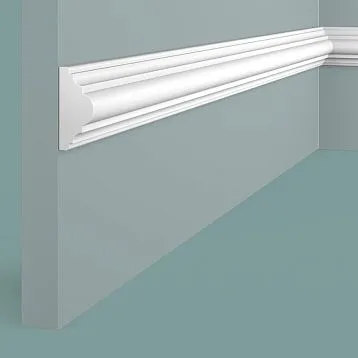
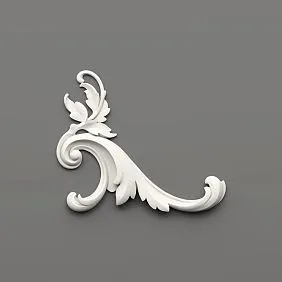
If 3D panels create large-scale relief, then moldings add detail, ornamentation, classical elegance.Polyurethane moldings— modern alternative to traditional gypsum moldings, combining visual elegance with practicality, ease of installation, and affordable price.
Moldings — decorative strips with relief profiles, creating architectural divisions on walls. Simple moldings with minimalist profiles for modern interiors. Classical moldings with order elements — egg-shaped ornament, pearl, acanthus. Baroque moldings with lavish floral decoration, scrolls, flowers. Sizes vary from miniature 30-40 mm high to monumental 150-200 mm for spacious rooms with high ceilings.
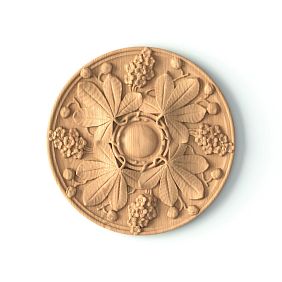
Decorative rosettes — round or oval applied elements with relief ornament. Ceiling rosettes frame chandeliers, creating a decorative ceiling center. Wall rosettes work as standalone accents or frames for lights and mirrors. Sizes from 300 mm for small rooms to 800-1000 mm for grand spaces.
Decorative appliqués — elongated carved elements for framing panels, doors, niches. Straight appliqués with floral or geometric ornament. Corner appliqués for framing panel corners and frames. Central appliqués for creating vertical or horizontal accents. Arched appliqués for curved elements.
Crown mouldings — decorative strips at the junction of wall and ceiling. Simple crown mouldings 50–80 mm high for modern interiors. Classical crown mouldings 100–150 mm with rich ornamentation. Crown mouldings with niches for concealed lighting, creating a floating ceiling effect. Multi-level crown mouldings with several profile tiers for maximum decorative impact.
Pilasters and half-columns — vertical architectural elements imitating columns. Pilasters with Doric, Ionic, or Corinthian capitals for classical interiors. Simplified pilasters without pronounced order for neoclassicism. Half-columns — more voluminous elements for spacious rooms where three-dimensional decoration is possible.
Consoles and brackets — decorative support elements. Consoles under crown mouldings, imitating load-bearing structures. Brackets under shelves, combining functionality with decoration. Corner consoles, enhancing the visual structural integrity of space.
Our factory also produces:


Reliefs: sculptural art on walls
Reliefs — three-dimensional images protruding from the wall surface, a transitional element between painting and sculpture. Unlike geometric volumetric panels or ornamental moldings, reliefs create narrative, figurative compositions — landscapes, still lifes, portraits, mythological scenes, abstract artistic forms.
Classical reliefs reproduce traditional themes — ancient myths, biblical stories, allegorical figures, floral garlands. Such elements are characteristic of palace, museum interiors, classical mansions. They create an atmosphere of historical continuity and cultural rootedness.
Modern reliefs use contemporary artistic languages — abstraction, minimalism, biomorphic forms, geometric compositions. They function in modern interiors as works of art, unique accents, artist’s statements. Such reliefs are often custom-made, transforming the wall into a gallery space.
Thematic reliefs reflect the interests of the owners — maritime motifs for travelers, musical instruments for music lovers, books and quills for intellectuals, grapevines for wine connoisseurs. This is personalization of space, telling a story about oneself through the plasticity of walls.
Relief sizes vary from small medallions 300–500 mm to large wall panels covering an entire wall from floor to ceiling. Relief depth ranges from delicate 10–20 mm to expressive 50–100 mm, where figures almost detach from the wall.
Materials for reliefs — gypsum for maximum detail and tradition, polyurethane for practicality and moisture resistance, artificial stone for monumentality, wood for warmth and naturalness. Material choice depends on interior style, usage conditions, and project budget.
Get Consultation
Synergy of elements: creating a cohesive composition
The true magic of relief decoration unfolds when volumetric panels, moldings, and reliefs begin to work together, creating a multi-layered, visually rich composition. This is not a chaotic accumulation of elements, but a thoughtfully designed system where each detail enhances the others.
Molding around panels — a basic integration technique. Walls are covered with volumetric panels featuring geometric relief. Around the perimeter of the covered zone,Moldings made of polyurethaneare installed, creating a frame that visually separates the relief zone from smooth walls. Molding acts as a picture frame, highlighting the special status of panels, transforming them into decorative panels.
Vertical zoning with moldings within panel cladding creates a rhythmic structure. Volumetric panels cover the wall from floor to ceiling. Vertical moldings divide this surface into sections, imitating pilasters, creating classical architectural logic. This is especially effective in high spaces, where vertical accents enhance the sense of monumentality.
Combination of different relief types — smooth wall sections alternate with panels and reliefs. The central part of the wall — a relief with an artistic composition, framed by moldings. Side sections — volumetric panels with geometric relief. Lower part — smooth, painted, with a classic skirting board. This multi-level composition creates visual complexity, where the eye has something to focus on.
Accent rosettes on panel surfaces add an additional decorative layer. Walls are covered with panels featuring wave relief. In the center of several panels,decorative rose outletsare installed, creating focal points. This is a play between the background relief of panels and the point accents of rosettes.
Integrating lighting into the relief composition enhances the volumetric effect multiple times. LED strips behind moldings framing panels create contour lighting. Spotlights directed at reliefs at a sharp angle create dramatic chiaroscuro. Lighting from below or above panel walls makes the relief play, creating long, expressive shadows.
Materials: choosing the base for relief decoration
Polyurethane — a universal material for most relief decoration elements. It is lightweight — 3–4 times lighter than gypsum, simplifying installation and reducing wall load. Moisture-resistant — suitable for bathrooms, kitchens, even facades. Impact-resistant — accidental impacts do not cause chips. Long-lasting — serves for decades without deformation. Easily painted in any color, accepts patina and gilding.Polyurethane Itemsare available at a low price, presented in a vast assortment of forms and styles.
Gypsum — a traditional material for moldings and reliefs. It provides maximum detail, is eco-friendly, breathable, and regulates humidity. Gypsum elements have a noble matte surface and pleasant tactile quality. However, gypsum is heavy, fragile during transport, afraid of moisture, requires professional installation. This is a choice for prestigious projects where material tradition and willingness to pay for quality and complexity are important.
MDF — medium-density boards on which volumetric relief is milled. MDF panels combine strength, shape stability, and the possibility of painting or veneering with natural wood. They create the feeling of wooden cladding at an affordable price. However, MDF is afraid of moisture — suitable only for dry rooms. This is a popular choice for living rooms, offices, bedrooms.
Wood — solid or veneered wood with relief created by carving or milling. Wooden relief panels — the most prestigious, warm, and alive. They carry the energy of natural material, creating a connection with nature. However, wood is expensive, requires maintenance, is sensitive to humidity and temperature. This is a choice for elite projects where budget is not limited.
PVC — plastic panels, the lightest and moisture-resistant. Absolutely not afraid of water, easy to clean, inexpensive. However, plastic looks less noble, may yellow, is less eco-friendly. This is a budget solution for wet zones, auxiliary rooms, commercial spaces with limited budgets.
Stylistic solutions: from palaces to lofts
Classic style requires a full set of relief decoration. Walls are covered with panels featuring classical recessed panels or reliefs with floral motifs. Framing — rich moldings with acanthus and rosette motifs. Ceiling rosettes under chandeliers, pilasters with Corinthian capitals, crown mouldings with ornate patterns. Colors are light — white, cream, ivory, with possible gilding of details. This is palace aesthetics, requiring large spaces, high ceilings, appropriate furniture.
Neoclassicism — a simplified version of classicism, more laconic and adapted to modern life. Panels with delicate relief — shallow geometric patterns or simplified floral motifs. Moldings of moderate width with minimal decoration. Rosettes are small and simple in shape. Colors are light, pastel shades are possible. Gilding is delicate or absent. This is modern elegance with classical references.
Baroque and Rococo — maximum decorative and relief richness. Walls are filled with reliefs featuring lavish compositions. Numerous moldings create complex compositions. Rosettes, consoles, brackets everywhere where possible. Ornamentation is floral, scrolls, shells, cherubs. Colors are white with gold, or pastel with gold. This is theatrical luxury, palace excess, visual abundance.
Art Deco — geometric, graphic, luxurious. Panels with stepped, zigzag relief. Moldings with clear geometric profiles. Rosettes with radial, sunburst composition. Reliefs with geometricized figures, stylized after Egyptian art. Colors are contrasting — black with gold, graphite with silver, white with copper. This is the glamour of the 1920s–30s, the jazz age.
Modern minimalism uses relief delicately as architectural texture, not as decoration. Panels with simple geometric relief — parallel lines, squares, waves. Moldings are minimalist, without ornamentation, creating clear architectural divisions. No rosettes, pilasters, or reliefs — only pure geometry. Colors are monochromatic — white, gray, black. This is contemporary architecture, where relief is a tool, not an ornament.
Loft combines rough industrial surfaces with unexpected decorative elements. Concrete walls in the main part of the room. One accent wall with wooden relief panels or polyurethane reliefs painted to resemble metal. Moldings are rough, brutal, or absent. This is a play of contrasts between industrial roughness and decorative refinement.
Eclecticism — free mixing of elements from different styles and eras. Modern geometric panels coexist with classic moldings. A Baroque rosette on a minimalist wall. This is creative freedom, creating unique, unpredictable combinations, authorial statements through the juxtaposition of incompatible elements.
Color and texture solutions
Monochromatic coloring — all relief elements are one color. White panels, white moldings, white outlets on white walls. Relief is perceived only through light and shadow, without color distractions. This creates a clean play of forms, visual elegance characteristic of neoclassicism and minimalism.
Contrasting coloring — panels of one color, molding of another. Dark gray panels, white moldings and outlets. Or vice versa — light panels, dark molding. Contrast emphasizes each element, making the composition more graphic, readable, and dramatic.
Tonal coloring — different shades of one color. Panels light gray, moldings medium gray, outlets dark gray. This creates tonal depth, gradient, visual complexity while maintaining overall color harmony.
Patina — artificial aging with light patina in recesses of relief or dark patina on protrusions. Panels are painted in base color, then light or dark patina is applied into recesses and wiped off from protrusions. This creates an effect of time, noble antiquity, characteristic of Provence, shabby chic, vintage interiors.
Gilding and silvering — covering individual elements with metallic paints or leaf gold. Panels are painted in neutral color, moldings and outlets are gilded. This is luxury, glamour, baroque and empire palace aesthetics.
Material imitation — painting under wood, stone, metal using special paints and techniques. Polyurethane panels painted to resemble patinated copper. Gypsum moldings under marble. This is a play with perception, creating visual illusions.
Lighting: Revealing the potential of relief
Relief exists thanks to light. Without proper lighting, even the most expressive volumetric panels and molding lose their effect. Light creates shadows, highlights depth, reveals texture.
Side lighting — the most dramatic. LED strips or spotlights placed beside the relief wall direct light along the surface at a sharp angle. This creates long, expressive shadows, maximally emphasizing volume. In the morning, natural side light from the window creates one pattern of shadows, in the evening, artificial backlighting — another.
Bottom lighting — LED strip at floor level, directing light upward along the relief wall. Shadows are directed upward, creating an unusual, dramatic effect. This is characteristic of modern interiors, museum exhibits.
Top lighting — light falls downward, creating shadows directed downward, imitating natural daylight. This is more familiar to the eye, creating a calm, comfortable light-shadow picture.
Contour lighting — LED strip behind moldings framing panels. Light outlines the contour, creating a luminous frame that separates the relief zone from the surrounding space. This is effective for accent walls, niches.
Spot lighting — directional spotlights on individual elements: reliefs, outlets, especially expressive areas of panels. This creates focal points, controls viewer attention.
Color lighting — RGB strips changing color, creating various moods. Warm light emphasizes coziness, cool — modernity, colored — festivity, theatricality.
Installation: From planning to finish
Surface preparation — the base wall should be relatively flat. Large irregularities are leveled with plaster. Surface is cleaned from dust, dirt, grease stains. Peeling paint or wallpaper is removed. Wall is primed to improve adhesive bond of the glue.
Composition planning — all elements' placement is planned in advance. Where panels, moldings, outlets, and reliefs will be. Sketches and photo montages are made. Quantity of elements is calculated with allowance for trimming.
Marking — positions of all elements are marked on the wall. Laser level is used for horizontal and vertical lines. Boundaries of panel zones, molding lines, centers of outlets are marked.
Panel installation — large elements are installed first. Glue is applied to the back of the panel with a notched trowel. Panel is placed against the wall according to the marking, pressed. Heavy panels are additionally temporarily supported until glue dries. Panels are joined tightly, without gaps.
Molding installation — after panel installation, framing moldings are mounted. Ends of moldings are cut at 45 degrees for corner joints. Glue is applied to the back, molding is pressed against the wall and panels, fixed until glue sets.
Outlet and decorative element installation — final stage. Outlets are glued in marked positions. Reliefs are mounted similarly to panels. All small decorative elements are installed last.
Joint sealing — joints between elements are filled with acrylic sealant or putty, smoothed. After drying, joints are sanded with fine sandpaper for perfect smoothness.
Final painting — all elements are painted in chosen colors. Acrylic or latex paints are used. Paint is applied in 2-3 thin layers with roller, brush, or spray gun. Patina or gilding techniques are applied if necessary.
Practical tips and recommendations
Start small — if unsure about large-scale relief decoration, begin with one accent wall. Install volumetric panels on the wall behind the sofa or bed, frame with moldings, add a central outlet. Assess the result. If you like it — expand relief application to other zones.
Observe proportions — size of relief elements should match room scale. In a small room, large deep panels and massive moldings will overwhelm. In a spacious living room, small relief will be lost. Panel relief depth 20-30 mm — for rooms up to 20 sq. m. Depth 40-60 mm — for rooms from 30 sq. m.
Consider lighting during design — plan where light will fall on the relief wall. If window is on the side — relief will be expressive under daylight. If window is opposite — additional artificial side lighting will be needed to reveal volume.
Do not overload space — relief decoration is visually rich by itself. If walls are relief, furniture should be minimalist. If there is much decorative molding, avoid colorful textiles and accessories. Let relief be the main hero.
Combine relief and smooth surfaces — not all walls should be relief. One or two accent walls with volume, others smooth, painted or wallpapered. This creates visual balance, avoids overstimulation by excessive texture.
Use ready collections — manufacturersmoldings from polyurethaneform collections where moldings, outlets, cornices are made in one style with coordinated ornaments. Choosing elements from one collection guarantees stylistic unity.
Do not economize on materials — quality polyurethane or gypsum elements cost more than cheap plastic analogs, but the visual difference is huge. Quality relief is sharp, detailed, long-lasting. Cheap — blurry, rough, quickly fades.
Creating an interior with relief decoration — this is a path to a space that possesses visual depth, architectural expressiveness, individuality. When volumetric panels create a sculptural backdrop, when classical molding adds detail and elegance, when reliefs tell stories, when proper lighting makes relief come alive and change — space acquires soul, character, uniqueness that cannot be bought in mass-market. This is an investment not just in decoration, but in quality of life, daily visual pleasure, in a space that delights, inspires, reflects your individuality.