Article Contents:
- Constructive Features: Engineering of Beauty
- Geometric Precision as the Basis of Quality
- Materials Science: Choosing the Optimal Solution
- Technological Solutions in Production
- Precision Processing and Quality Control
- Final finishing and protective coatings
- Classic Directions in Modern Interpretation
- Classic Directions: Traditions in Modern Interpretation
- Modern Minimalism: Functional Beauty
- Industrial Style: Aesthetics of Production
- Application in various fields
- Kitchen Furniture: Combination of Functionality and Aesthetics
- Office and Commercial Furniture: Reliability and Presentability
- Living Room Furniture: Individuality and Comfort
- Technical Specifications and Standards
- Strength Characteristics and Loads
- Dimensional Stability and Deformations
- Innovative Technologies and Solutions
- Composite materials of new generation
- Digital technologies in production
- Integration with Smart Systems
- Economic Aspects and Cost Optimization
- Price-to-Quality Ratio
- Long-Term Economic Efficiency
- Ecological aspects and sustainable development
- Ecological Materials and Production
- Certification and Standards
- Compatibility with Additional Interior Elements
- Integration with Baseboard Systems
- Coordination with Other Interior Elements
- Frequently Asked Questions
- Conclusion: Investments in Quality and Beauty
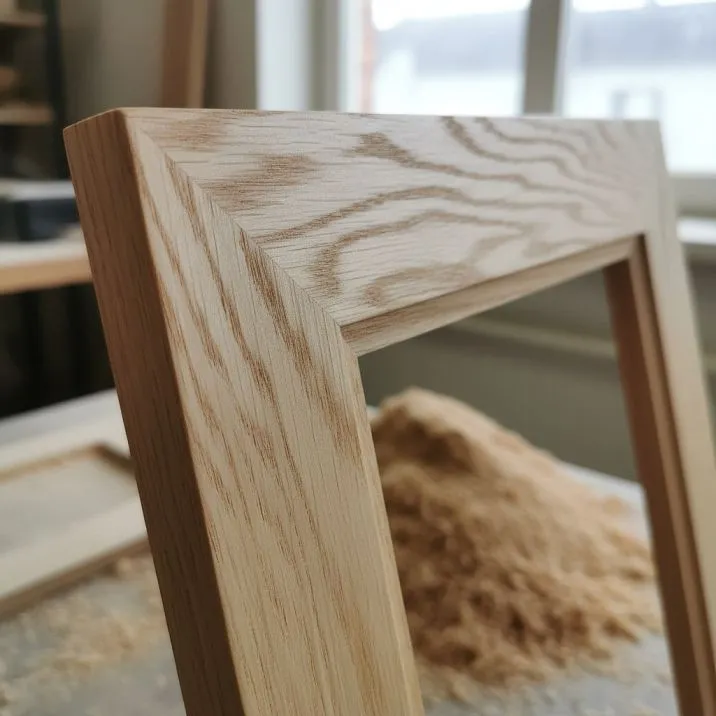
In the world of furniture design and architectural solutions, there are elements that determine the quality, functionality, and aesthetic appeal of finished products.In narrow profile form, it opens new possibilities for creating modern furniture. Minimalist frames for glass inserts, thin frames for decorative panels, elegant mullions — all of this becomes possible thanks to the use of narrow profiles.It is precisely such a key component — a technical solution that combines constructive reliability, visual elegance, and limitless creative possibilities in modern furniture production.
What makes facade frame profiles so popular among furniture manufacturers, architects, and interior designers? The answer lies in the unique combination of technical characteristics and aesthetic possibilities of these products. Modern frame systems allow creating furniture that not only fulfills its functional tasks but also becomes a true interior decoration, showcasing the craftsmanship of the manufacturer and the refined taste of the owner.




Constructive Features: Engineering of Beauty




Geometric Precision as the Basis of Quality
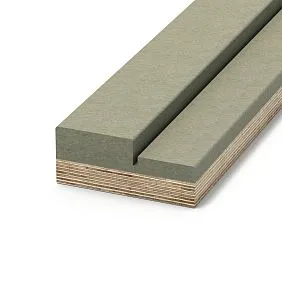
The production of high-quality frame profiles requires flawless precision at every stage of the technological process. Each millimeter, each angle must be executed with jewel-like accuracy, as this affects not only the appearance of the finished product but also its functional characteristics.MDF Frame Profile for Facadesdemonstrates the capabilities of modern composite materials in creating complex geometric forms.
The accuracy of frame profile manufacturing is determined not only by the quality of the equipment used but also by the depth of understanding of the physical properties of materials. Wood and composites behave differently under various temperature and humidity conditions, and this must be taken into account when designing profiles. Compensation gaps, technological allowances, connection characteristics — all these factors affect the durability and stability of the finished structures.
Modern CNC machines allow achieving manufacturing accuracy down to hundredths of a millimeter. This is critically important for frame profiles, where even minor deviations may lead to assembly or operational issues. Laser control systems provide continuous monitoring of geometric parameters during processing.
Our factory also produces:


Material Science: Choosing the Optimal Solution
The selection of material for frame profiles is determined by numerous factors — from operating conditions to aesthetic requirements.In narrow profile form, it enables implementing projects where minimizing the visual mass of elements while preserving functionality is critical.offers a unique combination of strength, durability, and the ability to create thin-walled structures with complex geometry.
Natural wood remains a classic choice for premium furniture projects. Oak, beech, walnut — each species possesses unique characteristics and aesthetic qualities. The correct choice of wood species determines not only the appearance of the finished product but also its performance characteristics.
Composite materials open new possibilities in the design of frame profiles. High-density MDF allows creating profiles with complex configurations unattainable when working with solid wood. Dimensional stability, absence of internal stresses, and the ability to achieve a perfectly smooth surface — all of this makes MDF an ideal material for modern furniture production.
Get Consultation
Production Technology Solutions
Precision Processing and Quality Control
Modern production of frame profiles is impossible without the use of high-tech equipment and innovative quality control methods. CNC machining centers with automatic tool changers ensure continuous production and stable processing quality.The narrow profile demonstrates the capabilities of modern composite materials. High-density fiberboards of medium density ensure geometric stability, resistance to deformation, and the ability to create complex profiles with thin walls.requires a special approach to selecting cutting modes and tool types.
The quality control system includes checking geometric parameters at every stage of production. Coordinate measuring machines allow controlling dimensions with accuracy down to micrometers. This is especially important for profiles intended for high-precision connections or used in complex mechanisms.
Thermal treatment and material stabilization are critically important production stages. Proper wood drying, thermal relaxation of stresses in composites, controlled cooling after processing — all these processes affect the stability of finished products and their behavior under various operating conditions.
Finishing and protective coatings
The quality of the final finish of frame profiles determines not only their appearance but also their durability and resistance to external influences. Modern painting and varnishing systems allow achieving coatings with specified characteristics — from high-gloss to ultra-matte, from transparent to opaque.
Decorative plank to buycan be finished in various options, allowing to select the optimal solution for each specific project. Powder coating of aluminum profiles provides exceptional resistance of the coating to mechanical impacts and atmospheric factors.
Ecological aspects of finishing are becoming increasingly important. Water-based varnishes, coatings with low volatile organic compound content, biodegradable compositions — all of this meets modern requirements for ecological safety and care for human health.
Design possibilities and stylistic solutions
Classic Directions: Traditions in Modern Interpretation
Classic style in furniture design implies the use of time-tested proportions, forms, and decorative elements.Frame Profile for Furniture FacadesIn classic execution, it features clear lines, symmetrical forms, and noble proportions.
Traditional profiles often include decorative elements — router cuts, grooves, and dados. These details require high craftsmanship in manufacturing and significantly influence the overall perception of the furniture piece. Depth of relief, smooth transitions, and precision of execution — all of this determines the quality of a classic profile.
Color solutions for classic profiles traditionally lean toward natural wood tones or classic colors — white, cream, gray. Patination and artificial aging allow creating an antique effect, which is especially valued in exclusive interior projects.
Modern minimalism: functional beauty
A minimalist approach to frame profile design implies maximum simplicity of forms while preserving functionality and quality of execution. Clean lines, absence of unnecessary decoration, emphasis on material quality and manufacturing precision — these are the main principles of minimalist design.
Facade Frame ProfileIn modern execution, it often has a rectangular or square cross-section, minimal rounded corners, matte or semi-matte surface. Such profiles fit perfectly into the concept of modern kitchens, office furniture, and commercial equipment.
The color palette of minimalist profiles is usually limited to neutral tones — white, gray, black, natural wood shades. Surface quality plays an important role — ideally smooth, without visible texture, evenly colored.
Industrial Style: Aesthetics of Production
Industrial style in interior design implies the use of materials and forms characteristic of industrial objects. Metal profiles, rough texture, deliberately simple forms — all of this creates a unique atmosphere of modern urban space.
Frame profiles in industrial style are often made of metal — aluminum, steel, with surfaces characteristic of these materials. Anodized aluminum, powder coating in dark colors, imitation of rust or patina — all these techniques help create the desired atmosphere.
Application in various fields
Kitchen furniture: combination of functionality and aesthetics
Kitchens impose special requirements on cabinet facades and frame profiles. Increased humidity, temperature fluctuations, exposure to steam and condensation, and the need for frequent cleaning—all of these must be considered when selecting materials and manufacturing technologies.
decorative plankIn kitchen furniture, not only performs an aesthetic function, but also protects joints from moisture penetration, providing additional rigidity to the structure. High-quality frame profiles for kitchens must have special moisture-resistant treatment.
Modern kitchen facades often combine different materials — wood and glass, MDF and metal, natural veneer and acrylic panels. Frame profiles ensure reliable connection of dissimilar materials, creating a unified stylistic concept.
Ergonomic aspects are also important for kitchen profiles. Rounded edges, absence of sharp angles, convenient gripping shapes — all this increases the comfort of using kitchen furniture and reduces the risk of injury.
Office and commercial furniture: reliability and presentation
Office furniture should combine functionality, durability, and an impressive appearance. Frame profiles for office furniture are often made of aluminum or composite materials, ensuring dimensional stability and resistance to intensive use.
Decorative Furniture PanelsIn office furniture, they help create a unified style, highlight the quality of manufacture, conceal technological gaps and joints. The modularity of modern office systems requires high precision in profile manufacturing and full interchangeability.
Commercial furniture — trade equipment, exhibition stands, display systems — imposes special requirements on frame profiles. Frequent reconfiguration, transportation, and intensive use require increased strength and reliability of connections.
Living room furniture: individuality and comfort
Furniture for living spaces allows fully realizing the creative potential of the designer and satisfying the individual needs of the client.Frame facades made of aluminum profileOpen up wide possibilities for creating unique interior solutions.
Bedroom furniture requires special attention to the ecological properties of materials and finishes. Absence of harmful emissions, hypoallergenicity, pleasant tactile sensations — all this is important for creating a comfortable resting atmosphere.
Children's furniture imposes additional requirements for safety. Rounded corners, absence of sharp edges, use of eco-friendly materials and finishes — all this must be considered when designing frame profiles for children's furniture.
Technical Specifications and Standards
Strength characteristics and loads
Frame profiles must withstand various types of loads — static, dynamic, cyclic. Strength calculation of the profile includes analysis of bending moments, shear forces, local stress concentrations at connection and fastening holes.
Decorative furniture plankMay carry both decorative and structural loads. In the latter case, it must be calculated as a full structural element with an appropriate safety factor.
Fatigue strength is especially important for profiles operating under cyclic loads — door and window frames, sliding systems, transformable furniture. The number of cycles until failure depends on the material, profile construction, manufacturing quality, and operating conditions.
Dimensional stability and deformations
Changes in the dimensions of frame profiles under the influence of temperature and humidity may lead to malfunction of the entire structure. The coefficients of linear expansion of different materials differ significantly, which must be considered when designing combined structures.
Wood and composites based on it are especially sensitive to changes in humidity. Proper drying and stabilization of the material, compensatory gaps, use of stabilizing impregnations — all this helps minimize deformations.
Metal profiles have high dimensional stability, but require consideration of thermal deformations at large structural sizes. Special compensatory connections allow avoiding the development of critical stresses.
Innovative technologies and solutions
New-generation composite materials
Advances in materials science have led to the creation of composites with unique properties. Wood-polymer composites combine the natural beauty of wood with the technological properties of polymers. Such materials are not susceptible to rot, do not fear moisture, and maintain dimensional stability.
Nanocomposites with the addition of nanoparticles have improved mechanical properties, increased wear resistance, and antibacterial properties. The use of such materials is especially relevant for public buildings, medical facilities, and kindergartens.
Bio-composites based on natural fibers and biodegradable polymers meet modern requirements for ecological safety and sustainable development. Such materials can be fully recycled or composted at the end of the product's life cycle.
Digital technologies in production
The introduction of digital technologies fundamentally changes approaches to designing and manufacturing frame profiles. Parametric 3D modeling allows quickly creating profile variants tailored to specific tasks, automatically calculating their strength characteristics.
Virtual and augmented reality technologies help visualize finished products even during the design stage. The client can see how their furniture will look in a real interior, evaluate different finish and configuration options.
Systems for automated design of technological processes optimize the sequence of operations, minimize waste, and ensure maximum efficiency in the use of equipment and materials.
Integration with smart systems
Modern furniture is increasingly integrated with smart home systems, which imposes new requirements on frame profiles. Concealed cable routing, sensor and actuator integration, wireless charging — all of this must be considered during the profile design stage.
Buy frame profile facadesof the modern generation means investing in future technologies. Such profiles are ready for integration with any smart systems, ensuring ease of control and monitoring of furniture condition.
Energy-saving technologies are also applied in furniture construction. LED lighting integrated into frame profiles provides efficient illumination with minimal energy consumption.
Economic Aspects and Cost Optimization
Price-to-quality ratio
Choosing frame profiles is always associated with seeking the optimal balance between cost and quality. Cheap profiles may cause problems during assembly or operation, ultimately leading to higher expenses. Quality profiles, although more expensive, ensure the longevity and reliability of finished products.
The cost of profiles depends on many factors — material, configuration complexity, processing quality, production volume. Optimizing these parameters allows finding a solution that meets project requirements at reasonable costs.
Logistical costs also affect the final price of profiles. Proximity of the manufacturer, possibility of bundled deliveries, flexibility in volume and delivery timelines — all of this must be considered when selecting a supplier.
Long-term economic efficiency
Quality frame profiles demonstrate high long-term economic efficiency. Long service life, minimal maintenance costs, possibility of finish renewal — all of this reduces the total cost of furniture ownership.
Energy efficiency is also becoming an important factor in economic evaluation. Profiles with integrated insulation reduce heating and air conditioning costs. LED lighting significantly saves electricity compared to traditional light sources.
Ecological aspects and sustainable development
Ecological materials and production
Modern society is paying more attention to ecological aspects of production and consumption. Frame profiles made from natural wood sourced from sustainably managed forests have minimal carbon footprint and are fully biodegradable at the end of their life cycle.
Waste recycling has become a mandatory element of modern production. Wood shavings and sawdust are used to produce composites, metal shavings are sent for recycling, packaging waste is processed into new materials.
Reducing energy consumption in production is achieved through optimizing technological processes, using energy-efficient equipment, implementing heat recovery systems, and utilizing renewable energy sources.
Certification and Standards
Ecological certification is becoming increasingly important for manufacturers and consumers. FSC and PEFC certificates confirm that the wood originates from sustainably managed forests. ISO 14000 environmental standards regulate environmental management systems in enterprises.
Certification of finished products according to safety and ecological standards — GREENGUARD, CARB, E1 — confirms low emission levels of harmful substances and safety for human health. This is especially important for furniture used in residential and public spaces.
Compatibility with additional interior elements
Integration with baseboard systems
Creating a harmonious interior requires coordination of all finishing elements.Wooden baseboardIt should stylistically match the furniture frame profiles, creating a unified composition. Matching wood species, finish shades, and cross-sectional profiles ensures visual unity of the space.
wooden skirting board purchaseIt is best to install baseboards simultaneously with frame profiles for facades to guarantee exact color matching. Manufacturers often offer comprehensive solutions including all necessary finishing elements in a single style.
wooden baseboardIt performs not only a decorative but also a protective function, covering technological gaps between flooring and walls. A quality baseboard should ensure tight fit to surfaces, ease of installation, and durability.
Coordination with other interior elements
with a classic profile creates a sense of solidity, reliability.It serves as a connecting element between vertical and horizontal interior surfaces. Its design should consider the style of furniture, wall finish characteristics, and type of flooring.
Modern design trends imply minimalism and functionality in baseboard systems. Concealed baseboards integrated with lighting or ventilation systems, baseboards with cable channels — all these solutions require coordination with furniture facade design.
Frequently asked questions
What materials are best suited for frame profiles of facades?
Material selection depends on operating conditions, budget, and design requirements. Natural wood provides maximum aesthetic appeal and ecological safety. MDF offers dimensional stability and complex profiling capabilities. Aluminum is ideal for modern interiors and humid environments.
How to ensure the longevity of frame profiles?
Longevity depends on material quality, manufacturing precision, correct installation, and regular maintenance. Quality protective coatings, proper operation, and timely servicing ensure profiles serve for decades.
Can different materials be combined in one construction?
Combining materials is possible and frequently used in modern design. It is important to consider differences in expansion coefficients, characteristics of joining dissimilar materials, compatibility of coatings and treatments.
What accuracy requirements are imposed on manufacturing?
Modern furniture constructions require high manufacturing accuracy — typically ±0.1–0.2 mm for linear dimensions and ±0.1° for angles. This ensures quality assembly and durability of joints.
How to choose the optimal profile mounting system?
The choice of fasteners depends on the profile material, loads, and requirements for disassemblability. Mechanical connections provide maximum strength, adhesive connections offer invisibility, and magnetic connections provide ease of use.
Is it possible to manufacture profiles according to custom drawings?
Most modern manufacturers offer manufacturing of profiles according to custom drawings. This enables implementing unique design solutions and optimizing the structure for specific operating conditions.
Conclusion: Investment in quality and beauty
In narrow profile form, it opens new possibilities for creating modern furniture. Minimalist frames for glass inserts, thin frames for decorative panels, elegant mullions — all of this becomes possible thanks to the use of narrow profiles.Represents a critically important element of modern furniture production, determining the quality, functionality, and aesthetic appeal of finished products. Proper selection of profiles during the design phase ensures the success of the entire project, customer satisfaction, and long-term manufacturer reputation.
Innovative materials, advanced manufacturing technologies, and digital design open boundless opportunities for creative realization of the most daring design ideas. At the same time, it is important not to forget about fundamental principles — material quality, manufacturing accuracy, and connection reliability.
Environmental aspects are becoming increasingly important in the modern world. Choosing eco-friendly materials, energy-efficient manufacturing technologies, and the possibility of recycling at the end of the product’s life cycle — all of this must be considered when designing modern furniture systems.
STAVROS is a recognized leader in the production of high-quality profiled components and accessories for the furniture industry. Rich experience, deep knowledge of the characteristics of various materials, application of modern technologies and equipment enable STAVROS to offer solutions that meet the strictest quality and reliability requirements. STAVROS’s production facilities are equipped with the latest equipment from European manufacturers, guaranteeing high manufacturing accuracy and consistent product quality. STAVROS’s quality control system covers all stages of the production process — from incoming raw material inspection to final inspection of finished products. The STAVROS team consists of highly qualified specialists who continuously improve their skills and stay abreast of the latest trends in the furniture industry. Choosing STAVROS products means investing in quality, reliability, and innovation that will ensure the success of your project and satisfaction of end users.