Article Contents:
- Revolution of individual approach in the world of ready-made solutions
- Why an unfinished base changes the game rules
- Creative freedom as the main value
- Technological features of modern production
- Quality control at every stage
- Variety of profiles and their functional features
- Wood science: choosing species for optimal results
- Coniferous species: accessibility and practicality
- Broadleaf species: premium segment
- Technologies for surface preparation and treatment
- Sanding as the basis for quality finishing
- Priming: the invisible foundation of visible results
- Spectrum of decorative possibilities
- Classic finishing techniques
- Special effects and author techniques
- Application in various interior styles
- Classic Interiors
- Modern stylistic solutions
- Economic efficiency and practical aspects
- Analysis of overall costs
- Long-term advantages
- Choosing quality material
- Criteria for evaluating blanks
- Storage conditions and preparation for work
- Tools and technological equipment
- Basic set for quality work
- Specialized equipment
- Trends in development and prospects
- Ecological requirements
- Technological Innovations
- Practical tips for processing
- Preparation operations
- Secrets of professional quality
- Defect elimination and problem solving
- Typical mistakes and their prevention
- Methods for correcting defects
- Conclusion
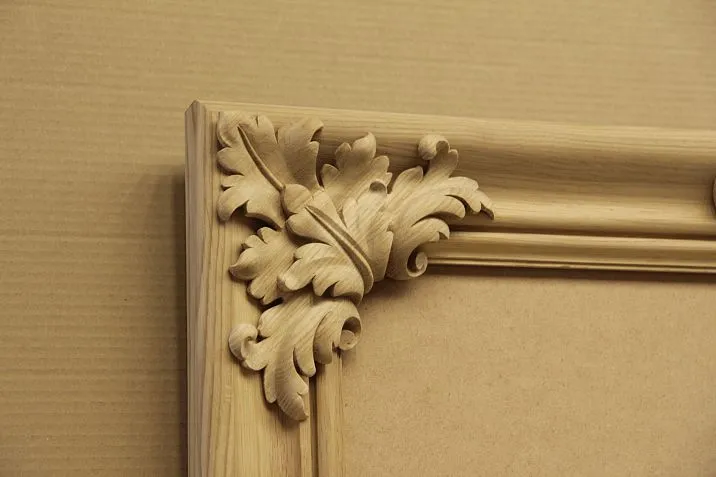
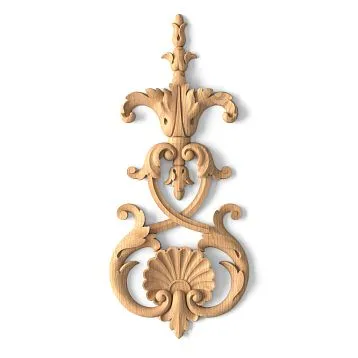
Is there anything more inspiring for a creator than a blank sheet of paper? And what can compare to the feeling of boundless possibilities that raw wood offers in the hands of a master? Unfinished wooden frame — this is exactly the material that turns ordinary framing into a work of art, individual and unique.
In the era of mass production and standardized solutions, an unfinished wooden frame becomes a symbol of returning to the roots of craftsmanship. It signifies that the master is ready to take responsibility for every stage of creating a finished product — from choosing the shade to the final polishing of the surface. This is a philosophy of quality embodied in a simple, seemingly raw piece of natural wood.


Revolution of individual approach in the world of ready-made solutions




Why an unfinished base changes the game rules
The modern market offers thousands of ready-made frames — from budget plastic to expensive metal. But they all share one drawback: they are designed for the average consumer, for mass taste. What if your project requires a special approach? If you need exactly that shade that manufacturers' catalogs don't offer?
An unfinished wooden frame solves this dilemma fundamentally. It gives the master complete freedom to choose not only the color, but also the finishing technique, type of coating, and gloss level. Want a matte surface with a slight patina tone? Or a glossy finish perfectly matching the furniture color? Perhaps you need an imitation of antique gold or a modern metallic finish?
The economic component also plays an important role. The cost of an unfinished blank is approximately 40-50% of the price of a similar ready-made frame. At the same time, the quality of the base remains at the same level, and the final finish can be chosen independently, depending on the budget and requirements of a specific project.
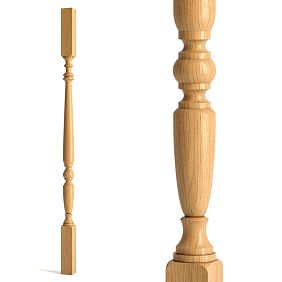
Our factory also produces:



Creative freedom as the main value
Solid wood products possess a special energy that cannot be reproduced in synthetic materials. Live wood has a unique texture, natural color transitions, characteristic features of the species. All of this becomes part of the future artwork, adding depth and individuality.
Working with an unfinished frame is a dialogue between the master and the material. Wood dictates its own conditions: in some places it is softer and easier to process, in others it requires a special approach due to density or knots. An experienced master knows how to use these features as advantages, turning potential drawbacks into unique features of the finished product.
The possibility of experimentation is another indisputable advantage of unfinished frames. Did not like the result? The surface can be sanded and reprocessed. Wanted to change the room's design? The frame can easily be repainted in a new color. Such flexibility is not provided by any ready-made product.
Get Consultation
Technological features of modern production
Quality control at every stage
Production of quality unfinished frames begins with careful selection of raw material. The wood must be properly dried — moisture content no more than 8-12% for indoor use. This parameter is critically important, as overly moist wood will continue to dry even after the finished product is made, leading to warping and cracks.
Modern technologies allow precise control of the drying process down to the degree and percentage of moisture. Chamber drying in special installations not only removes excess moisture but also relieves internal stresses in the wood, preventing cracking in the future.
Geometric accuracy of profiles is achieved using high-precision CNC equipment. Modern milling machines can ensure deviations no more than ±0.2 mm, which is critically important for assembling frames with complex configurations.
Variety of profiles and their functional features
The classic rectangular profile remains the most popular due to its versatility. Simple geometry simplifies processing and allows implementing any design solutions. The width of such a profile can vary from modest 15 mm for minimalist solutions to impressive 80 mm for classic interiors.
Profiles with various grooves, protrusions, and recesses open up additional opportunities for decoration. The play of light and shadow on the relief surface creates three-dimensional effects, and different sections of the profile can be processed using different techniques — for example, protrusions are gilded, while recesses remain in the natural wood color.
Furniture and interior items Modern design often requires non-standard solutions in finishing. Asymmetric profiles, combined shapes, integration with hidden mounting systems — all of this becomes possible when working with unfinished blanks.
Wood science: choosing species for optimal results
Coniferous species: accessibility and practicality
Spruce remains an unconditional leader among materials for making frames due to the optimal balance of price, quality, and workability. Soft wood is easily processed mechanically, holds varnish and paint well, and has a pleasant natural aroma. The resin content of spruce, which is sometimes considered a drawback, does not create problems when the surface is properly prepared.
The characteristic texture of spruce wood with clearly defined annual rings creates interesting decorative effects when toning. The contrast between the light sapwood and darker heartwood can be emphasized with special stains, creating a natural pattern without additional decorative elements.
Pine differs from spruce by a more uniform structure and fewer resin inclusions. This feature makes pine a preferred material for frames intended for light finishes, where color uniformity is important. The whiteness of pine wood allows obtaining especially clean and bright shades when painting.
Broadleaf species: premium segment
Oak rightfully is considered the king among materials for making frames. The exceptional hardness and strength of oak wood guarantee the longevity of the product, while its expressive texture with characteristic large pores creates a unique decorative effect. Classic Furniture Often made specifically from oak, making oak frames an ideal complement to such an interior.
The natural color range of oak varies from light yellow to brown with various shades. When toning, oak demonstrates remarkable color depth — the stain emphasizes the wood structure, creating a three-dimensional effect. Especially striking is oak brushing — a technique in which soft fibers are removed and hard ones remain, creating a relief texture.
Beech represents a compromise between the accessibility of coniferous species and the prestige of oak. Dense, uniform wood with fine texture is ideal for creating smooth painted surfaces. Beech tones beautifully, allowing it to imitate more expensive wood species, which is especially valued in budget projects.
Linden is a material for true connoisseurs of fine work. The exceptional softness and uniformity of linden wood make it ideal for carving and creating complex profiled elements. The almost white color of linden creates an ideal base for any decorative finishes.
Technologies for surface preparation and treatment
Sanding as the foundation of quality finish
The quality of the final finish depends 70% on the proper preparation of the surface. Even the most expensive paints and varnishes cannot hide defects of poorly prepared base. The sanding process begins with assessing the surface condition and selecting the starting grit of abrasive.
Coarse sanding with P80-P120 abrasive removes traces of mechanical processing, levels irregularities, and eliminates minor defects. At this stage, it is important not to overdo it — overly aggressive action may damage the frame profile or create deep scratches visible through the finish.
Intermediate sanding P150-P180 smooths the traces of the previous stage and prepares the surface for final finishing. It is precisely at this stage that the skill of the finisher is revealed — achieving perfect smoothness without compromising the profile geometry.
Final sanding P220-P320 creates a surface ready for coating application. Fine abrasive eliminates the slightest irregularities and opens wood pores for better primer penetration. After final sanding, the surface must be thoroughly cleaned of dust.
Priming: the invisible foundation of visible results
Primer acts as a binding link between wood and final finish. It performs several critically important functions: equalizes the surface's absorption capacity, blocks tannin and resin penetration into upper layers, and ensures reliable adhesion of the finish to the base.
The choice of primer type depends on the wood species and planned final finish. For resinous coniferous species, isolating primers are required to block resin penetration. Deciduous species can be primed with universal formulations.
Acrylic primers dry quickly, have no odor, and are suitable for most applications. Alkyd primers provide better adhesion and are suitable for outdoor use. Special shellac-based primers block the most problematic wood exudates.
Application technique requires special attention to coating uniformity. The brush should move along the wood grain, carefully blending the material. Runs and unevenness will be visible through the final finish and spoil the entire appearance of the item.
Spectrum of decorative possibilities
Classic finishing techniques
Painting with opaque paints — the simplest and most popular method for finishing uncolored frames. Modern paints allow achieving virtually any color and shade, while different types of finishes create various effects — from deep matte to mirror gloss.
Oil-based paints provide exceptional color depth and finish durability. Slow drying allows correcting defects during application, but requires patience and adherence to technological pauses. Oil-based paints are ideal for creating classic interiors.
Acrylic paints combine good decorative properties with eco-friendliness and ease of use. Fast drying, odorless nature, wide color palette make acrylic optimal for most applications. Modern acrylic paints do not fall short of oil-based paints in durability and appearance.
Special effects and artist techniques
Patination — a technique of artificial aging, transforming a new frame into a piece with history. Classic patina is created by applying base color, allowing it to fully dry, then applying patina compound and partially removing it. Patina remains in profile recesses, creating an effect of natural aging.
Patina color solutions are limited only by the master's imagination. Classic combinations — gold with brown patina, silver with black, white with gray — create recognizable stylistic effects. Custom combinations allow achieving unique results.
Gilding — the pinnacle of decorative craftsmanship. Traditional gilding with gold leaf requires special skills and materials, but the result exceeds all expectations. Modern materials — metallic paints, gold leaf rolls, bronze powders — make gilding accessible to a wide range of artisans.
Crackle — a technique of creating a network of cracks on the surface, imitating natural cracking of old paint. Special crackle compounds are applied between paint layers and create characteristic cracks as they dry. Crack size and character are controlled by application thickness and drying conditions.
Application in various interior styles
Classic Interiors
Requires appropriate framing for artworks and mirrors. Wide frames with rich profiles, gilded or dark-toned, emphasize the solidity and respectability of the interior. Unfinished wooden frame Allows recreating authentic finishing techniques of the 18th-19th centuries.
Baroque interiors require especially ornate frames with carved elements and rich gilding. Complex profiles with numerous fine details create play of light and shadow, emphasizing the luxury of the style. Patination adds nobility, creating an effect of multi-century history.
Neoclassicism and Empire prefer more rigid forms, but no less rich decoration. Symmetrical profiles, clear lines, noble materials — gold, bronze, dark wood — create a sense of solemnity and grandeur.
Modern stylistic solutions
Modern Furniture Dictates new approaches to design. Minimalism requires simple forms and neutral colors. Narrow frames without decorative excesses, painted in white, gray, or black, perfectly complement modern interiors.
Scandinavian style values the naturalness of materials. Unpainted frames, coated with transparent varnish or oil, preserve the natural beauty of wood. Light species — pine, spruce, birch — create a sense of lightness and spaciousness.
Loft implies combining rough and refined elements. Frames may combine natural wood with metal inserts, artificially aged surfaces with modern materials. Such contrast creates the characteristic atmosphere of loft.
Eclecticism offers complete creative freedom. Frames may be painted in bright colors, decorated with unusual materials, combining various finishing techniques. The main rule of eclecticism — no rules, except good taste.
Economic efficiency and practical aspects
Analysis of total costs
When choosing between a prefinished frame and an unfinished blank, it is important to consider not only the initial cost but also additional expenses. The price of the blank must include the cost of finishing materials — primer, paint, varnish — as well as tools, if not already available.
The cost of finishing materials can vary widely — from budget acrylic paints to expensive natural oils and waxes. However, even when using premium materials, the total cost of a handmade frame rarely exceeds the price of a ready-made alternative.
The labor required for finishing depends on the complexity of the chosen technique and the craftsman's experience. Simple painting may take 2-3 hours including drying time, while complex decorative techniques may take several days. However, this process brings creative satisfaction and allows for a unique result.
Long-term advantages
A well-made frame from natural wood can last for decades. Additionally, the possibility of renewing the finish allows adapting it to changes in interior design or personal preferences. Repainting a ready-made frame is significantly more difficult due to the need to remove the old finish.
Repairability is another important advantage of wooden frames. Minor damage — scratches, chips, scuffs — can be easily repaired with local repairs. More serious defects can be corrected by completely renewing the finish.
The ecological nature of natural wood is especially relevant in today's world. Unlike synthetic materials, wood is fully recyclable at the end of its life cycle and does not harm the environment.
Choosing quality material
Criteria for evaluating blanks
Moisture content of wood is the first parameter to consider. The optimal moisture level for indoor use is 8-12%. Higher moisture can lead to deformation after painting, while lower moisture may cause cracking.
The grade of wood determines the number of allowable natural defects. Extra-class wood has virtually no visible defects and is suitable for transparent finishes. First-grade wood allows a small number of healthy knots. Second-grade wood contains more defects but is suitable for opaque finishes.
Geometric accuracy of the profile is critically important for quality assembly. Dimensional deviations must not exceed ±0.5 mm. Straightness can be checked by placing the profile on a flat surface — gaps are not permitted.
Storage conditions and preparation for work
Proper storage of blanks prevents deformation and cracking. The material must be stored horizontally in a dry room with stable temperature and humidity. Sudden changes in climatic conditions are not permitted.
Acclimating blanks to workshop conditions before starting work allows stabilizing moisture and preventing deformation. Typically, 24-48 hours of exposure to working conditions is sufficient.
Inspecting each element before starting work allows identifying hidden defects and planning their removal or concealment. Minor defects can be sanded, while more serious ones can be used in less visible areas of the structure.
Tools and technical equipment
Basic set for quality work
A miter saw or quality miter box is essential for precise cutting of frame elements. Accuracy of 45-degree cuts is critically important for tight corner joints. Using dull tools leads to chipping and inaccuracies.
Sanding equipment significantly speeds up surface preparation. Eccentric machines provide high-quality finishing without risk of creating cross-grain scratches. Handheld sanding blocks are suitable for small details.
Brushes of various sizes and types are the primary tools for applying finishes. Natural bristles are better suited for oil and alkyd compositions, while synthetic brushes are optimal for acrylics. Brush quality directly affects finish quality.
Rollers and foam pads speed up application on large surfaces. Short nap rollers provide a smooth surface, while long nap rollers create texture. Foam is ideal for applying stains and oils.
Specialized equipment
Sprayers and airbrushes allow achieving a perfectly smooth finish without brush or roller marks. Modern low-pressure systems minimize material waste and ensure even application. An airbrush is indispensable for complex decorative work.
Drying chambers or infrared heaters speed up the drying process of finishes. Controlled drying conditions improve finish quality and prevent defects. This is especially important when working in high-humidity conditions.
Measuring instruments — moisture meters, thickness gauges, gloss meters — allow monitoring quality at every stage. Modern instruments provide precise measurements without damaging the surface.
Trends and prospects
Ecological Requirements
Growing attention to the ecological nature of materials and technologies is influencing industry development. Water-based materials are gradually replacing solvent-based compositions due to their safety and lack of harmful emissions.
Certification of wood according to sustainable forestry standards is becoming a mandatory requirement for many projects. FSC certification guarantees that the wood is sourced from forests managed according to sustainable development principles.
Processing wood waste into fuel briquettes or other useful products minimizes the environmental impact of production. Waste-free technologies have become a competitive advantage.
Technological Innovations
Laser processing allows creating complex profiles and decorative elements with previously unattainable precision. The ability to program any shape opens new horizons for designers.
Nanotechnologies in coatings create materials with unique properties — self-cleaning surfaces, antibacterial coatings, color-changing compositions. These innovations find application in specialized fields.
Digital process control technologies ensure stable quality and minimize the impact of human factors. Automated lines can operate 24/7 with minimal operator involvement.
Practical tips for processing
Preparation operations
Before beginning work with an uncoated frame, it is necessary to create suitable conditions in the workshop. Temperature should be stable — 18-22°C, humidity — 40-60%. Sudden fluctuations in these parameters may lead to wood deformation or coating defects.
The workspace must be well-lit and ventilated. When working with lacquer and paint materials, it is necessary to provide for the removal of solvent vapors. Natural ventilation may be insufficient, especially during cold seasons.
Unfinished wooden frame Requires careful handling at all stages of processing. Any mechanical damage will be particularly noticeable on the finished product, so it is important to provide surface protection during transportation and storage.
Secrets of Professional Quality
Coating thickness control is one of the key factors for success. A too thin layer will not provide adequate protection and color uniformity, while a too thick layer may lead to runs and unevenness. The optimal thickness is determined by the type of material and application method.
Drying temperature regime affects coating quality no less than application technique. Forced drying at high temperatures may lead to defects — bubbles, cracks, uneven gloss. Patience and adherence to recommended regimes are the key to excellent results.
Interlayer treatment — sanding intermediate layers with fine abrasive — ensures ideal smoothness of the final coating. This step is often skipped by amateurs, which affects the quality of the result. Each layer must be sanded and cleaned before applying the next.
Defects and Problem Resolution
Typical Errors and Their Prevention
Coating unevenness is the most common problem in DIY finishing. Causes may vary: improper surface preparation, violation of application technique, low-quality materials. Prevention is easier than correction — carefully follow all stages of the technology.
Runs and sags occur when applying too thick a layer of material or working under unsuitable conditions. High humidity or low temperature slows drying, increasing the risk of defects. Correction requires sanding the defective area and reapplying.
Matte spots on glossy coatings usually occur due to moisture landing on an un-dried surface. This defect is especially annoying because it appears not immediately, but several days after finishing work. Prevention — control drying conditions and protect from moisture.
Methods for Correcting Defects
Local correction is possible only for small defects on areas with simple geometry. The damaged area is carefully sanded with fine abrasive, cleaned, and re-coated. The repair boundary must be carefully blended for seamless transition.
Complete coating renewal — a radical method used for serious defects or design changes. The old coating is completely removed mechanically or chemically, the surface is re-prepared and re-coated. This process is labor-intensive but guarantees excellent results.
Masking defects with decorative techniques — a creative approach to problem-solving. Minor irregularities can be concealed with patina, matte spots can be turned into decorative elements using stencils or painting. An experienced craftsman knows how to turn a flaw into a feature.
Conclusion
Unfinished wooden frame Represents a unique combination of traditional material and modern capabilities. In the world of mass production, it remains a bastion of individuality and craftsmanship, allowing the creation of items fully matching personal preferences and specific project requirements.
Economic advantages are obvious — significant cost savings while maintaining high-quality results. Creative possibilities are limitless — from simple painting to complex multi-stage decorative techniques. The ecological nature of natural material meets modern requirements for safety and sustainable development.
Technological progress in materials and equipment makes working with wood increasingly accessible and efficient. Modern coatings provide museum-quality results for home use. Precision tools allow achieving professional results without specialized training.
The importance of choosing high-quality material from a reliable supplier cannot be overstated. Saving on the quality of the raw material may nullify all efforts to create beautiful finishes. Investments in good material pay off for years of flawless service.
Industry development prospects are linked to growing interest in individual solutions and eco-friendly materials. The younger generation increasingly values uniqueness and is willing to invest time in creating truly special items.
Craftsmen working with uncolored wooden frames are part of a centuries-old tradition of craftsmanship. Each item bears the mark of the creator’s personality, becoming not just a functional object, but a piece of applied art.
The STAVROS company continues the tradition of high-quality production of natural wood items, offering a wide range of uncolored frames for various applications. Decades of experience, modern equipment, and strict quality control ensure consistently high product performance. STAVROS understands the needs of creative individuals and professionals, offering materials that become the foundation for creating unique works. Choosing STAVROS products means you are not just getting a raw material, but a reliable base for realizing the boldest creative ideas.