Article Contents:
- 1. Concept and Functions of Wooden Picture Frame
- 1.1. What is a Wooden Picture Frame
- 1.2. Main Functions of Wooden Picture Frame
- 2.1. Natural Beauty and Warmth of Wood
- 2.2. Ecological and Long-Lasting Properties
- 2.3. Versatility in Decoration
- 2.4. Possibility of Personalization
- 3.1. Classic Carved Picture Frames
- 3.2. Modern Minimalist Picture Frames
- 3.3. Frames for Mirrors and Paintings
- 3.4. Combined and Decorative Picture Frames
- 4.1. Interior style
- 4.2. Wood Species
- 4.3. Size and proportions
- 4.4. Finishing and Coating
- 4.5. Manufacturing Quality
- 5.1. Specialized Stores and Showrooms
- 5.2. Online stores
- 5.3. Custom Order
- 6.1. Use in Framing Paintings and Mirrors
- 6.2. Wall Framing and Panel Creation
- 6.3. Installation on Ceiling
- 6.4. Tips for Combining with Other Interior Elements
- 7.1. Daily care
- 7.2. Prevention of Damage
- Repair and restoration
- 8.1. Ecological Properties
- 8.2. Aesthetic Appeal
- 9.1. Innovative Treatments
- 9.2. Minimalism and Functionality
- 9.3. Eco-Design
- 10.1. Combination with Floors
- 10.2. Door and Window Frames
- 10.3. Framing of Pictures and Mirrors
- 10.4. Mouldings and Decorative Panels
- 11.1. Classic Salon
- 11.2. Modern Living Room
- 11.3. Home Gallery
- 11.4. Office Space
- 12.1. Technology Integration
- 12.2. Material Combination
- 12.3. Eco Design
- 13.1. Cost and Quality
- 13.2. Bulk Purchases and Promotions
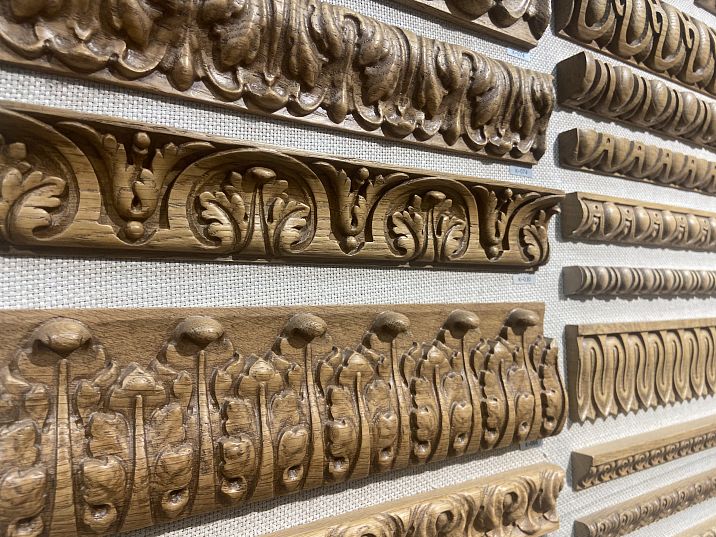
In modern interior design, every element plays a significant role, creating a cohesive image and atmosphere of comfort. One such detail isWooden frame – a universal decorative solution capable of transforming a simple space into a true work of art. In this article, we will thoroughly examine what a wooden moulding frame is, its advantages, execution variants, methods of use and installation, as well as provide recommendations for maintenance and combination with other interior elements.
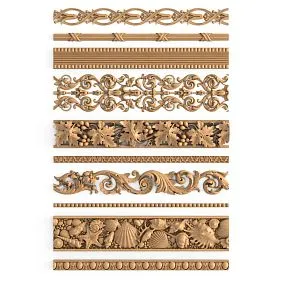

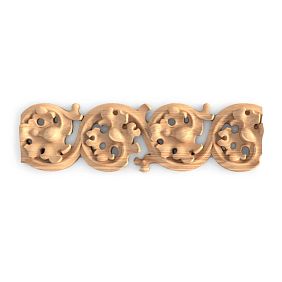


1. Concept and Functions of Wooden Moulding Frame




– is a decorative frame made from natural or processed solid wood, used for decorating pictures, mirrors, photo albums, and even as elements of wall and ceiling finishing. In this case, the moulding can serve as an independent accent or as a harmonious complement to other decorative elements.
Wooden frame This is decorative molding made from natural or processed wood, used to frame pictures, mirrors, photo albums, and even as wall and ceiling trim elements. In this case, the molding can serve as a standalone accent or as a harmonious complement to other decorative elements.
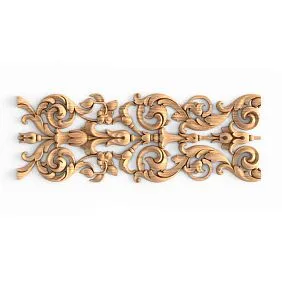
Our factory also produces:


1.2. Main Functions of Wooden Moulding Frame
The wooden moulding frame performs several key functions:
● Decorative function. It adds elegance and completeness to the interior, creating a "border" effect for pictures, mirrors, and other artworks.
● Protective function. The frame protects the edges of artworks, preventing damage and wear.
● Structural function. Used as a finishing element, it helps visually divide space, creating accent zones and improving the perception of the interior.
These functions make the wooden moulding frame an indispensable part of both classic and modern design.
2. Advantages of Using Wooden Mouldings
Get Consultation
2.1. Natural Beauty and Warmth of Wood
One of the main advantages of wooden frames is their natural texture and color. Wood is always associated with warmth, comfort, and quality, creating a sense of naturalness and harmony in the interior. A wooden moulding frame can emphasize the aesthetics of a picture or mirror, adding depth and expressiveness.
2.2. Ecological Friendliness and Durability
Natural wood is an eco-friendly material, free from harmful substances. With proper care, wooden mouldings retain their original appearance for decades, without losing beauty or strength. Modern wood processing technologies allow additional protection of products with varnishes and oils, extending their service life and making them resistant to moisture and temperature fluctuations.
2.3. Versatility in Decoration
Wooden frame is available in a wide range of options: from classic carved models to minimalist straight lines. This allows selecting the ideal solution for any interior – whether a classic salon, modern living room, cozy bedroom, or even an office space.
2.4. Possibility of Personalization
One of the advantages of wooden molding is its flexibility in processing. You can choose a variant with natural finish, leave the item in its original state, or, conversely, paint it in any desired shade. This allows you to adapt the molding to a specific interior and even change its appearance when updating the design.
3. Types of wooden molding
3.1. Classic carved moldings
Classic molding models are distinguished by rich decoration, complex carved patterns, and refined texture. They are traditionally used in interiors in the styles of classicism, baroque, and empire, where luxury and elegance are valued. Such moldings can be adorned with gilding or additional painting, making them true works of art.
3.2. Modern minimalist moldings
For modern interiors, where simplicity and minimalism prevail, moldings with minimalist design are suitable. They are characterized by straight lines, absence of excessive decoration, and clean outlines. This option combines perfectly with modern paintings, photographs, or mirrors, creating an effect of lightness and space.
3.3. Frames for mirrors and paintings
Special molding models are developed specifically for framing mirrors and paintings. They may have a thinner profile and delicate carving, which does not distract attention from the artwork itself, but rather emphasizes it, creating a stylish and neat frame.
3.4. Combined and decorative moldings
In addition to standard options, there are combined moldings that use elements made of different materials. For example, a wooden molding can be combined with metal or glass inserts, giving the item originality and elegance. Such moldings are especially popular in interiors of modern and high-tech styles, where innovative approaches and non-standard solutions are valued.
4. Key aspects of choosing wooden molding
4.1. Interior style
The first step in choosing a frame is to determine the style of your interior. In classic interiors, moldings with rich carving and complex patterns are preferable, while for modern interiors, minimalist and simple models are suitable. If you are unsure about your choice, universal options with soft lines and neutral shades remain always relevant.
4.2. Wood species
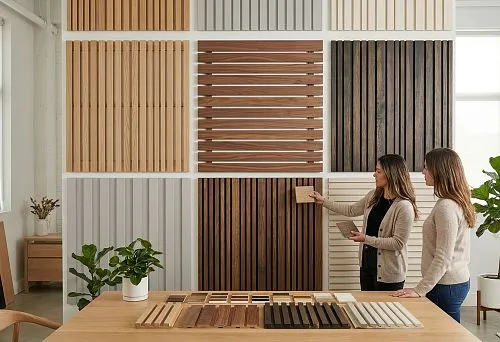
The choice of wood species directly affects the appearance and durability of the molding. Here are some popular options:
● Oak. Strong, with expressive texture and rich color. Suitable for interiors where traditional design and solidity are valued.
● Ash. Light, with fine wood grain pattern, ideally matches modern and Scandinavian styles.
● Pine. A more affordable option that can be easily processed and painted to any desired shade. Ideal for budget solutions or creating a rustic interior.
● Beech. Light and dense, perfectly takes stain and varnish, creating an elegant and clean look.
4.3. Size and proportions
The frame size should harmonize with the size of the painting, mirror, or other object you plan to frame. A too thin frame may 'absorb' the artwork, while an overly bulky one may overshadow it. A well-chosen molding will highlight the beauty of the image and complement the overall composition.
4.4. Finish and coating
The finish coating plays an important role in the durability and aesthetic perception of the molding. You can choose:
● Natural finish. Lacquer or oil preserving the natural wood texture. This option emphasizes the naturalness and elegance.
● Painting. The ability to choose any shade, ideally match the molding to the interior or create a contrasting accent.
● Patina. A technique that gives the molding an aged effect, especially relevant for interiors in Provence or shabby chic styles.
4.5. Manufacturing quality
Before purchasing, be sure to review the product's reviews and specifications. A qualityWooden frame should have a smooth surface, clear and symmetrical carved elements, and a reliable finish coating that protects the wood from external influences.
5. Where to buy wooden molding: options and recommendations
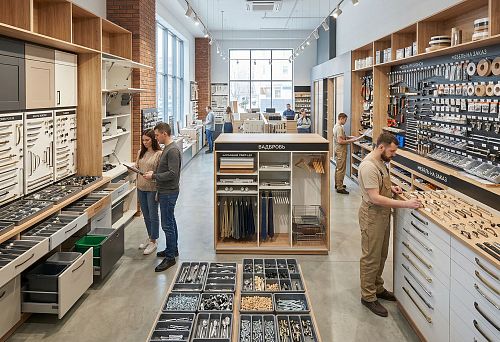
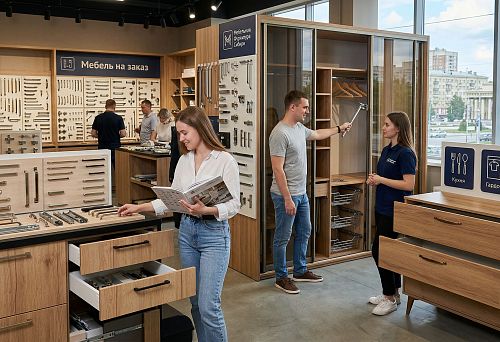
5.1. Specialized stores and design boutiques
One of the best places to buy high-quality wooden moldings are specialized stores of finishing materials and design boutiques. Here you will be able to:
● Evaluate the product quality in person: feel the surface, examine the texture, assess the color.
● Get professional advice from consultants who will help you choose the optimal option for your interior.
● Order custom manufacturing if you have non-standard requirements or design preferences.
5.2. Online stores
In the era of digital technology, more and more consumers prefer online shopping. The platformPogonazh iz massiva is a reliable supplier of quality wooden mouldings. When purchasing online, you will receive:
● A wide selection of models and finish options.
● Detailed product descriptions, technical specifications, and photos to help make an informed choice.
● The ability to compare prices and reviews from other buyers.
● Convenient delivery directly to your home.
5.3. Custom order
If you aim to create an exclusive interior, consider ordering a moulding according to a custom project. By contacting a carpentry workshop or a private craftsman, you can obtain a frame made according to your sketches, taking into account all your preferences regarding wood species, profile, and finish. This approach allows you to create a unique item that highlights the individuality of your interior.
6. Installation and finishing: how to properly use wooden moulding
6.1. Use in framing pictures and mirrors
One of the most popular ways to useWooden frame — is framing pictures, mirrors, and photographs. Here are some recommendations:
● Choose a moulding that does not overpower the image but rather highlights it. For this, models with a thin profile are optimal.
● If the painting is in a classical style, consider mouldings with carved elements. Minimalist solutions are suitable for modern images.
● When framing mirrors, the moulding can become a central accent, making it part of the composition.
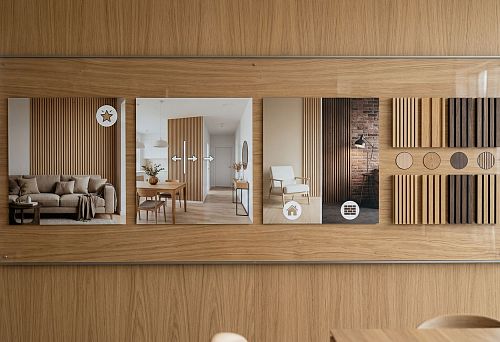
6.2. Framing walls and creating panels
Wooden moulding can also be used to create decorative wall panels. This technique is especially popular in classical and neoclassical interiors:
● Divide the wall into sections using mouldings as boundaries.
● You can combine mouldings with stucco, moldings, and other decorative elements.
● This framing method visually separates space, giving it depth and structure.
6.3. Installation on the ceiling
Using moulding as ceiling framing helps create a finished look for the room. When installing ceiling moulding, it is important to:
● Carefully measure and mark the surface.
● Use quality adhesive or fasteners to ensure the moulding fits tightly against the wall.
● Carefully treat corners to avoid noticeable seams.
6.4. Tips for combining with other elements
To ensure the wooden moulding harmoniously integrates into the interior, consider the following points:
● Color solutions. If the walls are painted in light tones, wooden moulding can serve as a contrasting accent. You can choose a moulding with a natural finish or paint it to match.
● Materials. Coordinates well with wooden floors, door casings, cornices, and decorative panels. If the interior includes stone or metal elements, the cornice adds warmth and softness.
● Interior style. Universal cornice models suit most styles, but if you aim to emphasize a specific style (e.g., classic or country), choose items with appropriate decorative detailing.
7. Care for wooden cornice
7.1. Daily care
Wooden cornice does not require complex care, but regular maintenance will preserve its appearance for many years:
● Wipe the cornice with a soft dry or slightly damp cloth.
● Avoid aggressive cleaning agents that may damage the lacquer or wood texture.
● Regularly inspect the cornice’s condition, especially at joints and mounting points.
7.2. Prevention of damage
To maintain the original appearance of the item:
● Ensure stable humidity levels in the room (40–60%).
● Avoid sudden temperature fluctuations.
● When moving furniture, avoid catching the cornice, using protective pads on legs.
● Periodically perform light sanding of minor damages and reapply varnish or paint if necessary.
7.3. Repair and restoration
If the cornice has minor damage, it can be easily repaired:
● For minor scratches, use special wood pencils or wax-based compounds.
● For deep scratches or cracks, fill the damaged areas with putty, then carefully sand and repaint.
● If damage is significant, replacing a single segment may be required, which will not affect the overall appearance of the frame.
8. Ecological and aesthetic advantages of natural wood
8.1. Ecological benefits
Using natural materials in interior design is becoming increasingly important in the modern world. Wooden cornice has several ecological advantages:
● Natural wood does not emit harmful substances, which is especially important for living spaces.
● With proper certification (e.g., FSC or PEFC), you can be sure that the wood comes from sustainable sources.
● Wood is a material that is easy to recycle or reuse, which helps reduce negative impact on the environment.
8.2. Aesthetic appeal
The natural texture and unique wood grain pattern cannot be fully replicated by artificial materials.Wooden frame It adds authentic charm to the interior, making it warm and cozy. Natural wood harmonizes with any materials, whether stone, metal, or glass, allowing for interesting designer combinations.
9. Modern trends in interior design using molding
9.1. Innovative finishes
Modern wood processing technologies allow creating molding with various decorative effects:
● Patination and brushing. These techniques give the molding an aged effect, creating a retro and vintage atmosphere, which is especially relevant for country and Provence styles.
Laminating. Allows achieving a natural wood effect with high resistance to mechanical damage and moisture.
Combining materials. In modern interiors, battens combining wood with metal or glass elements are increasingly used, creating an original contrast and highlighting the design's individuality.
9.2. Minimalism and functionality
In recent years, minimalism has become one of the leading trends in interior design. Simple lines, neutral colors, and the absence of unnecessary decor create a sense of spaciousness and calm. In such a context,wooden molding buy – it is possible to add a natural accent that will not overload the space, but rather bring an element of warmth and coziness.
9.3. Eco-design
Modern trends focus on using eco-friendly materials. Natural wood is an ideal choice for eco-design. It is important that the product meets ecological standards, confirmed by certificates. This approach not only improves indoor air quality but also creates harmony with nature.
10. Practical tips for combining battens with other interior elements
10.1. Combining with floors
If the interior includes a wooden floor or laminate flooring, a batten made of natural wood will create a sense of unity. It is even possible to use the same shade or wood species for both the floor and the batten, giving the space a cohesive and neat appearance.
10.2. Door and window casings
When finishing door and window openings, a batten can serve as an alternative or complement to standard casings. A wooden frame emphasizes the elegance of entry into the room and creates a harmonious transition between the door, wall, and floor.
10.3. Framing pictures and mirrors
A wooden batten is perfect for framing artworks. It creates a frame effect that not only protects the painting or mirror but also highlights their style. When selecting a batten for such purposes, pay attention to its tone, texture, and profile – they should harmonize with the artwork and the room’s interior.
10.4. Molding and decorative panels
Sometimes, a wooden batten is used in combination with moldings or decorative panels to create complex compositional solutions on walls. This allows visually dividing the space, highlighting accent zones, or simply adding interesting decorative elements.
11. Examples of using wooden battens in interior design
11.1. Classic salon
In classic interiors, carved battens made of oak or ash are often used. Such items harmonize perfectly with stucco, solid furniture, and expensive wallpapers. Carving and patina emphasize the richness of the interior, while the natural wood texture adds warmth and elegance.
11.2. Modern living room
In modern interiors, minimalist solutions are preferred. Here, a batten with a straight or slightly rounded profile, painted in a neutral shade, will look stylish and contemporary. It can be used to frame mirrors or to create decorative panels on walls.
11.3. Home gallery
If you love collecting paintings or photographs, a wooden batten will be an excellent solution for framing a gallery. It will give the exhibition a finished look and highlight the beauty of each artwork. You can experiment with different shades and profiles, selecting the optimal option for each item in the collection.
11.4. Office space
In office interiors, battens can be used to create accent walls, decorate meeting rooms, or entrance zones. A wooden batten adds a professional and dignified atmosphere to the space, making it more comfortable and conducive to work. Especially relevant are options with a minimalist, strict profile.
12. Modern trends and innovative solutions
12.1. Integration of technology
Modern designers increasingly experiment with integrating LED lighting into decorative elements. Some wooden batten models already feature built-in LED strips, allowing for a "backlit" frame effect, especially striking in dimly lit rooms or when decorating exhibition walls.
12.2. Combining materials
Another popular trend is combining wood with metal, glass, or stone. Such combinations can achieve unexpected effects, where the classic warmth of wood harmoniously blends with cold, industrial materials. For example, a batten with metal inserts or glass elements can become a central accent in a modern interior.
Ecological design
The demand for eco-friendly materials is growing, and natural wood remains a leader. When choosingWooden frame pay attention to wood certification confirming its ecological purity. This is especially relevant for children's rooms and bedrooms, where it is important to ensure a favorable microclimate.
13. Economic aspects and budget planning
13.1. Cost and quality
The price of wooden molding depends on the type of wood, profile complexity, finishing method, and manufacturer. High-quality items made from solid oak or beech will cost more, but their durability and aesthetic appeal justify the expense. When planning your budget, remember that investing in quality molding is an investment in the long-term beauty of your interior.
13.2. Bulk purchases and promotions
If you are planning a large-scale renovation or office space setup, consider bulk purchasing. Many stores offer discounts for large orders, allowing you to save significantly. Additionally, keep an eye on promotions and seasonal sales, which will help you acquire items at more favorable prices.
Conclusion
Wooden frame It is not just a decorative element, but an important accent capable of transforming any room. It gives the interior a sense of completion, highlights the style and character of the space, and unifies various decorative elements into a harmonious whole. Natural wood carries warmth, aesthetics, and ecological purity, and the wide variety of shapes, textures, and finishing options allows you to find the optimal solution for any project — whether it’s a classic living room, a modern bedroom, an office, or a home gallery.
When choosing wooden molding, pay attention to material quality, interior style compatibility, size and profile, as well as manufacturer reputation. Do not hesitate to experiment with finishes — natural wood combines beautifully with paint, patina, varnish, and even metallic elements, allowing you to create unique design solutions.
If you have decidedwooden molding buyBy choosing wooden molding, you are opting for durability, aesthetics, and naturalness. Such a choice not only highlights the individuality of your interior but also becomes a practical solution that will delight you and your guests for many years.
In conclusion, we would like to emphasize that details matter. Even a small element, such as a wooden molding, can play a key role in creating a unique atmosphere in your home. Let your interior be thoughtfully designed down to the smallest details, filled with warmth and harmony, and every decision — from furniture selection to wall finishes — reflect your taste and pursuit of perfection. Enjoy the process of creating a cozy space, experiment with shapes, colors, and textures, and let every element — whether molding, baseboard, or molding — become a contribution to your personal interior masterpiece.