Article Contents:
- Introduction
- History of Working with Natural Wood
- Middle Ages and the Renaissance
- Middle Ages and Renaissance
- Industrial Revolution and the Beginning of Mass Production
- Digital Revolution and Modern Technologies
- Physicochemical properties
- Ecological Value and Sustainability
- Traditional methods
- Wood Carving
- Sanding and Polishing
- Processing with Natural Oils and Waxes
- Modern Technologies
- Laser cutting and engraving
- 3D Modeling and Computer Design
- Automated Production Lines
- Ecological Processing Methods
- Role of Natural Wood in Interior Design
- Modern design trends
- Combining Natural Wood with Other Materials
- Renewability and Sustainable Resource Use
- Ecological Processing Technologies
- Raw Material Selection: Species and Their Characteristics
- Techniques and Tools in Working with Natural Wood
- Problems and Solutions When Working with Natural Wood
- New Technologies in Wood Processing
- Integration with Digital Solutions and Smart Technologies
- Prospects and Challenges of the Future
- Classic Projects: Fusion of Tradition and Innovation
- Modern Innovative Projects
- Case Studies of Successful Natural Wood Applications
- Raw Material Selection and Wood Preparation
- Processing Technology and Finishing
- Training and Experience Exchange
- Collaboration with Suppliers and Investment in Innovation
- Innovations and Digitalization
- Ecological and Sustainable Technologies
- Prospects and Challenges
- Classic Pieces Blending Tradition and Innovation
- Innovative Projects with Smart Technology Elements
- Cases of Ecologically Sustainable Projects
- Basic Principles of Working with Natural Wood
Working with natural wood is not just a craft, it is a whole philosophy rooted in deep respect for nature, traditions, and innovative technologies. It is an art that combines centuries-old knowledge, creative approaches, and modern processing methods, enabling the creation of unique pieces capable of transforming any interior. Today, as consumers seek eco-friendly, durable, and aesthetically pleasing solutions, natural wood is once again taking leading positions in the market. In this article, we will examine the history, properties, processing technologies, design, and prospects of working with natural wood. We will pay special attention to practical aspects, innovative approaches, and discuss how to properly work with this remarkable material. For those who wish to immerse themselves in the world of high-quality natural wood products, we recommend visiting the site %sNatural Wood.


Introduction
Working with natural wood is an ancient craft that has existed since time immemorial. From the first wooden dwellings to modern design projects — natural wood has always been a symbol of warmth, comfort, and durability. In today’s world, where the desire for ecology and individuality is becoming increasingly important, natural wood is once again gaining special significance. Today we live in an era that values both traditional processing methods and innovative technologies that allow creating items that harmoniously combine aesthetics, functionality, and sustainability.
Working with natural wood is a challenge and inspiration for craftsmen, designers, and engineers. Every texture, every movement of shavings under the blade, every imprint of natural wood tells its own story. In this article, we will dive into the world of natural wood, learn about its unique properties, history of working with it, modern processing methods, design specifics, and, of course, how to combine traditional craft techniques with the latest innovations. We will reveal the secrets of successful projects and share practical recommendations for those who wish to work with natural wood at the highest level.




History of Working with Natural Wood
Our factory also produces:


Ancient Traditions and Crafts
The history of working with natural wood spans thousands of years. In ancient times, people used wood to build their homes, create tools, and make a wide variety of household items. Early craftsmen, possessing deep knowledge of wood properties, were able to transform it into remarkable works of art. Wood carving, inlay, painting, and other decorative techniques were passed down from generation to generation, becoming part of the cultural heritage of each nation.
Ancient Civilizations
Get Consultation
The real revolution in working with natural wood occurred at the beginning of the 21st century with the introduction of digital technologies. Modern CAD systems, 3D modeling, laser cutting, and automated production lines allow creating items with incredible precision and complexity. Now artisans can bring the most daring design ideas to life, combining traditional methods with innovative solutions. This synthesis of tradition and modern technologies enables the creation of items that not only meet functional requirements but are also true works of art.
In the Middle Ages, natural wood continued to play a key role in society’s life. Craftsmen created furniture adorned with intricate carved elements, which not only pleased the eye but also served as a symbol of the owner’s status. Royal courts, castles, and churches were adorned with wooden items in which functionality and aesthetics intertwined.
The Renaissance brought new trends to the art of working with natural wood. The development of science, art, and technology led to the emergence of new processing methods, enabling craftsmen to create even more refined and detailed items. Craftsmanship reached unprecedented heights, and natural wood became a symbol not only of practicality but also of refined beauty.
Industrial Revolution and the Beginning of Mass Production
The true revolution in working with natural wood occurred at the beginning of the 21st century with the introduction of digital technologies. Modern CAD systems, 3D modeling, laser cutting, and automated production lines allow creating items with incredible precision and complexity. Now, craftsmen can bring the most daring design ideas to life, combining traditional methods with innovative solutions. This synthesis of tradition and modern technology allows creating items that not only meet functional requirements but are also true works of art.
Digital Revolution and Modern Technologies
Another important trend is the skillful combination of natural wood with other materials — metal, glass, stone, and even textiles. Such combinations allow creating contrasting and dynamic interiors, where each material performs its unique function. Natural wood combined with cold metal or transparent glass can emphasize a modern style, while in combination with stone and textiles — create a cozy and warm atmosphere. This approach requires designers to have a deep understanding of the properties of each material and the ability to find the ideal balance between tradition and innovation.
For those interested in working with natural wood and aiming to create high-quality items, it is useful to study the experience of both old masters and modern innovators. Visit %sNatural Woodto learn more about current trends and technologies in this field.
Properties of Natural Wood
Physico-Chemical Properties
Natural wood is a unique material possessing a range of physical and chemical properties that make it indispensable in furniture production, interior finishing, and construction. Key properties of natural wood include:
● Strength and durability. Wood has high strength, enabling the creation of items capable of withstanding significant mechanical loads and serving for many years without losing their operational characteristics.
● Ease of processing. Due to its structure, wood is easily subjected to mechanical processing, allowing craftsmen to create items of any complexity — from delicate carved patterns to large-scale constructions.
● Thermal insulation properties. Natural wood possesses excellent thermal insulation qualities, making it an ideal material for creating cozy and comfortable interiors.
● Ecological safety. Unlike synthetic materials, natural wood is environmentally friendly, does not emit harmful substances, and is fully recyclable.
● Natural texture and color. Each wooden item is unique due to its distinctive texture, shades, and patterns. This allows creating items with individual character, highlighting their exclusivity.
These properties make natural wood a sought-after material in various fields – from construction to high-end furniture industry. The choice of a specific type of wood depends on numerous factors, such as climatic conditions, regional characteristics, and desired performance features of the product.
Ecological Value and Sustainability
In today's world, ecological sustainability has become one of the key criteria for selecting materials. Natural wood is a renewable resource that, with proper usage, can serve for decades. Reforestation, sustainable forest management, and modern processing methods allow minimizing negative environmental impact and preserving ecological balance.
Using natural wood is not only a choice of quality and durable material, but also a conscious commitment to ecological responsibility. In modern conditions, consumers increasingly pay attention to the ecological aspects of products, making wooden items especially attractive. Explore the latest trends inNatural Wood and learn how innovative technologies help preserve nature.
Wood Processing Technologies
Traditional methods
Traditional methods of working with natural wood have evolved over centuries and remain the foundation of craftsmanship. They include:
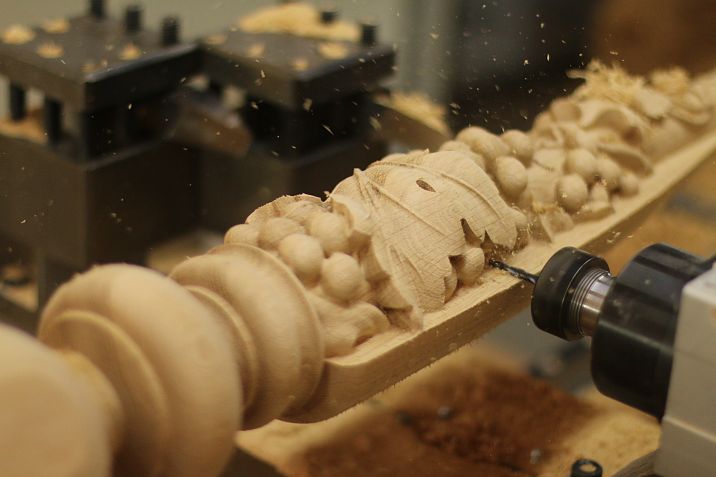
Wood carving is an art requiring high skill and precision. Handcrafted work gives each inlay individuality and special value.
Wood carving is an art passed down from generation to generation. Masters, using hand tools, created patterns, ornaments, and complex decorative elements that became the hallmark of each piece. Carving requires exceptional precision, patience, and skill. Modern technologies allow preserving traditional motifs while combining them with innovative solutions.
Sanding and Polishing
Sanding is an important stage of processing that allows achieving a smooth surface and highlighting the natural wood grain. Traditional sanding methods were performed manually using sandpaper, but modern methods include using automated sanders, which allow speeding up the process and ensuring uniform treatment.
Treatment with Natural Oils and Waxes
Natural oils and waxes are used to protect wood and enhance its appearance. These coatings not only emphasize the natural beauty of wood but also create a protective barrier against moisture, insects, and mechanical damage. Traditional recipes based on linseed, tung, and other oils are still widely used by craftsmen around the world.
Modern technologies
Modern wood processing methods allow craftsmen to significantly expand their capabilities by combining traditional techniques with innovative technologies. Among them are:
Laser Cutting and Engraving
Laser cutting has become a true revolution in working with natural wood. This method allows cutting complex patterns and shapes with incredible precision, which is especially important for creating decorative elements. Laser engraving allows applying fine drawings, logos, and ornaments, making each item unique.
3D Modeling and Computer Design
Using modern CAD systems and 3D modeling opens up limitless possibilities for designing products. Now, craftsmen can create virtual models, test various structural options, and optimize design even before production begins. This significantly reduces development time, increases manufacturing accuracy, and ensures an individual approach to each order.
Automated Production Lines
Automation plays a key role in modern furniture and woodworking enterprises. Robotic systems, automated machines, and lines allow achieving consistent product quality even at large production volumes. This is especially important for mass production, where each part must meet high standards and be repeated with millimeter precision.
Ecological Processing Methods
Modern wood processing technologies increasingly include ecological methods that minimize negative environmental impact. Using water-based paints, eco-friendly varnishes, and natural oils has become standard for those aiming to create products aligned with sustainable development principles. Such methods not only preserve the natural beauty of wood but also ensure its longevity and safety for consumer health.
Design and Aesthetics in Working with Natural Wood
The Role of Natural Wood in Interior Design
Natural wood is a material capable of creating a unique atmosphere of coziness, warmth, and naturalness in any interior. Its distinctive texture, rich color palette, and natural luster allow creating items that harmoniously fit both classic and modern interiors. Working with natural wood requires special attention to details: from selecting the species to the final finishing of the item. Each element should highlight the natural beauty of the material and create a unified whole that pleases the eye and inspires.
Craftsmen working with natural wood often say that each item is like a living being, possessing its own history and character. This approach allows creating not just furniture, but true works of art capable of becoming the focal point in an interior. VisitNatural Woodto learn more about modern trends in design and production of wooden items.
Modern Design Trends
Modern interior design trends dictate a combination of minimalism with natural elements. In the context of urbanization and mass production, many strive to return to roots, choosing eco-friendly and natural materials. Natural wood in this case becomes a symbol of sustainability, warmth, and individuality.
Designers increasingly use natural wood to create accent elements: countertops, cabinet facades, decorative panels, and even unique furniture handles. Such items allow creating a sense of connection with nature, adding an element of organic harmony to the interior, and emphasizing the exclusivity of the space. Modern furniture collections often include elements created using the latest technologies, such as laser engraving or 3D modeling, enabling the creation of unique patterns and decorative elements while preserving the natural wood texture.
Combining Natural Wood with Other Materials
Another important trend is the skillful combination of natural wood with other materials—metal, glass, stone, and even textiles. Such combinations allow creating contrasting and dynamic interiors, where each material fulfills its unique function. Natural wood combined with cold metal or transparent glass can emphasize a modern style, while combined with stone and textiles, it can create a cozy and warm atmosphere. This approach requires designers to have a deep understanding of the properties of each material and the ability to find the ideal balance between tradition and innovation.
Ecological Responsibility and Sustainability
Renewability and Sustainable Resource Use
In today's world, where ecological issues are becoming increasingly urgent, working with natural wood takes on new significance. Natural wood is a renewable resource that, with proper management, can serve humanity for many years. Sustainable forestry, reforestation programs, and responsible wood usage allow minimizing ecological impact and preserving natural resources for future generations.
Using natural wood in furniture production not only meets aesthetic and functional requirements but also becomes an important element of ecologically responsible production. Consumers increasingly prefer products made from eco-friendly materials, which encourages manufacturers to adopt sustainable technologies and methods.
Ecological Processing Technologies
Modern technologies for processing natural wood are increasingly oriented toward ecological purity and safety. Using water-based paints, natural oils, and biodegradable varnishes allows creating products that do not harm the environment or human health. Such processing methods not only preserve the natural beauty of wood but also ensure its durability, creating favorable conditions for using products in residential and commercial interiors.
Ecological technologies have become an important competitive advantage for manufacturers striving for sustainable development. They help not only meet the needs of environmentally conscious consumers but also contribute to building a positive brand image, which is especially important in today's competitive environment.
Practical Aspects of Working with Natural Wood
Raw Material Selection: Species and Their Characteristics
Working with natural wood begins with the correct selection of raw material. Each wood species has its unique characteristics that affect its appearance, strength, and workability. For example, oak is renowned for its high strength and beautiful grain, birch for its uniformity and light color, mahogany for its elegant warm tone and durability. The correct choice of species depends on the final purpose of the item, its functional requirements, and desired aesthetics.
When selecting wood, it is important to consider not only its appearance but also its physical and chemical properties, its resistance to external influences, workability, and durability. Each species has its advantages and disadvantages, so the artisan must thoroughly study the material's properties before beginning work.
Techniques and Tools in Working with Natural Wood
Working with natural wood requires the use of both traditional and modern tools. From hand tools such as chisels, saws, and planes to automated machines and laser cutters — all play an important role in creating high-quality items. Modern technologies allow automating many processes, increasing precision and speeding up production, yet traditional methods are still valued for their individuality and ability to give items a unique character.
The main stages of working with wood include sawing, planing, sanding, routing, and finally, finishing. Each of these stages requires special attention to detail, as it determines the quality of the final product. Proper surface treatment, selection of optimal cutting speed, control of humidity and temperature — all these factors affect the durability and aesthetic appeal of the item.
Problems and Solutions in Working with Natural Wood
Working with natural wood may involve a number of difficulties: from cracks and warping to problems with processing and preserving the original appearance of the material. One of the most common problems is the change in wood dimensions due to humidity and temperature. To solve this problem, it is important to correctly select the species, consider seasonality, and conduct preliminary treatment of raw material.
Also, artisans face the problem of uniform finishing, especially when working with large items. Here, modern technologies come to the rescue, allowing for even application of coatings, as well as traditional methods such as pre-sanding and manual finishing. The key point is quality control at every stage of work and timely elimination of identified defects.
Innovations and the Future of Working with Natural Wood
New Technologies in Wood Processing
With the development of digital technologies, new methods of working with natural wood have emerged, fundamentally changing the approach to creating items. Modern laser cutters, 3D printers, and automated design systems allow creating structures with incredible precision and complexity. Such technologies not only reduce production time but also open new opportunities for creativity, enabling the realization of the most daring design ideas.
Digital modeling and virtual reality are becoming an indispensable part of modern design processes. Artisans can create virtual prototypes, test various finishing and structural options even before production begins, allowing optimization of processes and reducing the likelihood of errors. These innovations enable achieving unprecedented results in working with natural wood.
Integration with Digital Solutions and Smart Technologies
The future of working with natural wood is closely linked to the integration of digital solutions. Smart technologies allow not only automating production but also incorporating new functional capabilities into finished products. For example, in the furniture industry, systems are emerging that allow integrating sensors, LED lighting, and even control elements via mobile applications into wooden products. Such solutions not only enhance the functionality of items but also add an interactive element, which is especially relevant for modern interiors.
Smart technologies allow optimizing quality control processes, automating repair and maintenance of items, and maintaining precise records of raw materials and finished products. This contributes not only to improving production efficiency but also to enhancing customer relations, as the customer receives a product meeting the highest standards of quality and functionality.
Prospects and Challenges of the Future
Despite all achievements, the future of working with natural wood is associated with a number of challenges. On one hand, modern technologies allow significantly improving product quality and speeding up production; on the other hand, it is necessary to preserve traditions and the uniqueness of natural materials. It is important to find a balance between innovation and preserving natural beauty, between automation and individualized approaches.
One of the key directions is the development of ecological technologies that not only improve wood processing quality but also minimize its environmental impact. Sustainable forestry, waste recycling, and the adoption of renewable energy sources are becoming an integral part of modern production, which is especially important under conditions of global ecological instability.
A challenge of the future is also the need to adapt to rapidly changing market requirements. The modern consumer seeks individuality, uniqueness, and functionality, and the producer's task is to create a product that meets these expectations. That is why innovations in the field of digital technologies, automation, and eco-friendly processing methods become a guarantee of success in the future.
Examples of successful projects and case studies
Classic Projects: Fusion of Tradition and Innovation
Many masters and companies successfully combine traditional craftsmanship methods with modern technologies to create unique items from natural wood. Classic projects often include the use of expensive wood species, hand carving, inlay, and traditional finishing techniques passed down from generation to generation. Such items are distinguished not only by high functionality but also by unique aesthetics that highlight the richness and depth of cultural heritage.
For example, furniture created using traditional processing methods and enhanced with elements of modern laser processing can become a true masterpiece that attracts attention with its uniqueness. Such items are in demand not only in the domestic market but also abroad, where unique craftsmanship traditions combined with modern technologies are valued.
Modern Innovative Projects
Modern designers and engineers actively experiment with natural wood, integrating smart technologies and digital solutions. The latest projects include the integration of sensor systems, automated control, and even elements of interactive design. Such solutions allow creating furniture that not only looks impressive but also possesses high functional characteristics.
One example is modernFurniture Handlesdeveloped using the latest technologies, which may include lighting, motion sensors, and even control via mobile applications. These innovative solutions allow creating items capable of meeting the demands of the most discerning consumers, combining aesthetics, functionality, and a modern technological approach.
Cases of Successful Application of Natural Wood
Let us consider several cases illustrating successful application of natural wood in various industries:
● Eco-Design Project: A company specializing in furniture made from natural wood developed a line of products using sustainable forestry methods and eco-friendly processing technologies. Each element, from tabletops to handles, was manufactured according to principles of waste minimization and preservation of natural balance. The result was a collection highly praised by both consumers and experts in sustainable design.
● Innovative "Smart Home" Project: Within this project, a group of designers and engineers created furniture integrated with modern digital technologies. The items included not only traditional elements made from natural wood but also smart control systems enabling automation of opening, closing, and adjustment processes. This approach allowed creating functional and technologically advanced solutions for modern interiors.
● "Craftsmanship Traditions" Case: A small workshop preserving traditional woodworking methods successfully created a unique collection of items, where each detail was handcrafted. By applying modern polishing and finishing techniques, the craftsmen highlighted the natural beauty of the wood, creating pieces that became true works of art and received recognition both domestically and internationally.
These examples demonstrate that success in working with natural wood depends on the ability to combine traditional craftsmanship with modern technologies, on the proper selection of materials, and on a commitment to innovation. Each successful story is the result of a deep understanding of the material's nature, continuous improvement of technologies, and a creative approach.
Practical recommendations for craftsmen and manufacturers
Raw Material Selection and Wood Preparation
The first step in successfully working with natural wood is the proper selection of raw material. Each wood species has its unique properties, and the choice depends on the final purpose of the item. When selecting, it is important to consider factors such as density, strength, color, texture, and resistance to external influences. It is necessary to carefully check the quality of the wood, avoiding material with defects, cracks, or excessive moisture.
Wood preparation includes drying, planing, and sanding. Careful preparation of the material allows avoiding deformations, warping, and other undesirable changes in the final product. Craftsmen should use modern technologies for humidity and material quality control to ensure the stability and longevity of the final product.
Processing Technology and Finishing
Processing natural wood is a complex multi-stage process that includes both traditional and modern methods. At each stage, it is important to maintain precision and care:
● Cutting and Planing: Use modern saws and planing machines to achieve clean and even edges. Proper cutting is the key to achieving the ideal geometry of the item.
● Sanding: Using automated sanding machines allows achieving a smooth surface that highlights the natural texture of the wood.
● Finishing: Use natural oils, waxes, and eco-friendly varnishes to preserve the natural beauty of the wood and protect it from external influences. Modern technologies allow applying the finish evenly, ensuring the longevity and aesthetic appeal of the item.
Training and experience exchange
Mastering work with natural wood requires continuous improvement. Organize master classes, seminars, and conferences to exchange experience with colleagues and stay updated on the latest industry trends. Use opportunities provided by digital platforms for learning and online courses to continuously enhance your knowledge and skills.
Communicating with professionals working in related fields will help you find new ideas and solutions, as well as establish cooperation that brings mutual benefit. Professional growth and continuous learning are key factors of success in working with natural wood.
Cooperation with suppliers and investment in innovation
Reliable cooperation with suppliers of high-quality raw materials and equipment is the guarantee of consistent product quality. Invest in modern technologies and automated equipment to increase production efficiency and reduce the likelihood of errors. Such investments will enable you to create products that meet the highest market requirements and earn consumer trust.
Future of Working with Natural Wood
Innovation and Digitalization
The digital revolution continues to change the approach to working with natural wood. Modern technologies such as 3D modeling, virtual reality, and automated production open new opportunities for craftsmen and designers. These tools not only accelerate the production process but also significantly expand creative potential, enabling the realization of the most daring design ideas.
Integrating digital technologies into the design and production process helps optimize work, reducing costs and increasing the accuracy of item manufacturing. Such innovations allow creating unique products that meet the requirements of the modern market and stand out for their high quality.
Eco-friendly and sustainable technologies
The future of working with natural wood is closely linked to environmental responsibility. Current trends require manufacturers to transition to eco-friendly technologies that minimize negative impacts on the environment. This includes using renewable resources, recycling waste, and applying biodegradable materials. Eco-friendly technologies not only help preserve nature but also create products that will be in demand among consumers who value ecological purity and sustainability.
Developing sustainable forestry practices and implementing energy-efficient technologies are key directions that will help ensure the future of natural wood as a material meeting the highest standards of quality and eco-friendliness.
Prospects and Challenges
Despite all achievements, working with natural wood faces several challenges. It is necessary to maintain a balance between traditional craftsmanship and modern technologies, ensuring high-quality products. It is also important to consider rapidly changing market demands, adapt to new trends, and implement innovations to remain competitive.
The future of natural wood depends on the ability to preserve its unique properties by combining traditional processing methods with the latest technologies. This will allow creating products that are not only functional and aesthetically pleasing, but also environmentally clean and sustainable. Investments in innovation and the development of new technologies will be the guarantee of a successful future for manufacturers and craftsmen working with natural wood.
Examples of successful projects and case studies
Classic items combining tradition and innovation
Many well-known brands and artisan workshops have successfully combined centuries-old traditions with modern technologies, creating unique wooden items. These projects are a vivid example of how historical processing methods can be preserved while incorporating the latest innovative solutions. Such items are highly sought after by discerning consumers who appreciate not only quality but also unique design.
For example, furniture made using traditional wood carving combined with modern sanding and finishing techniques demonstrates how to create products that will delight the eye and serve for many years. Every element of such furniture — from large tables to delicate decorative details — is meticulously designed and reflects deep respect for the material.
Innovative projects with smart technology elements
Modern designers actively experiment with integrating smart technologies into wooden products. Such projects use sensors, automated control systems, and even elements that interact with mobile devices. These innovative solutions not only enhance the functionality of products but also add an interactive element, which is especially relevant for modern interiors.
smartFurniture Handlesthat can be equipped with lighting, motion sensors, and other features enhancing the convenience of furniture use. Such solutions demonstrate that even traditional materials like natural wood can be integrated with advanced technologies to create products meeting the most modern requirements.
Cases of ecologically sustainable projects
In recent years, more attention is being paid to eco-friendly methods of working with natural wood. Some companies have developed projects based on the principles of sustainable development, where special attention is given to minimizing environmental impact. Using renewable resources, recycling waste, and implementing energy-efficient technologies allow creating products that not only look elegant but also meet ecological safety requirements.
Such projects are popular among consumers concerned about the planet's future and help build a positive brand image. Eco-friendly projects demonstrate that it is possible to create wooden items that will delight the eye, serve for a long time, and at the same time not harm the environment.
Recommendations for beginner craftsmen and professionals
Basic principles of working with natural wood
To achieve success in working with natural wood, it is necessary to adhere to several key principles:
● Careful selection of raw material: Start with quality material. Study the properties of different wood species, their texture, strength, and resistance to external influences. This will allow selecting the optimal raw material for each specific project.
● Material preparation: Proper drying, planing, and sanding are the key to success. Thorough preparation of wood helps avoid warping, cracking, and other undesirable changes in the future.
● Combining traditions and innovations: Do not be afraid to experiment. Combine