












































































Article Contents:
- Philosophy of Creation: When Craft Becomes Art
- Revolutionary Approaches to Raw Material Preparation
- Technological Symphony: Orchestra of Modern Methods
- Precision mechanical processing
- Laser Technologies of the New Generation
- Hydroabrasive Processing: The Precision of a Jeweler
- Chemistry of Perfection: Modern Finishing of Oak Surfaces
- Molecular Engineering of Coatings
- Thermosetting Systems
- Biological Protection of the New Generation
- Design Horizons: Where Technology Meets Creativity
- Biomimetic Design
- Kinetic Structures
- Quality Control: Standards of Excellence
- Spectral Analysis
- Mechanical Testing
- Optical Control Methods
- Ecological Responsibility: Production of the Future
- Closed Production Cycles
- Renewable Energy Sources
- Industrial Wastewater Treatment
- Digital Transformation: Industry 4.0
- Predictive Analytics
- Digital Twins
- Blockchain and Traceability
- Mastercraft of the Future: Synthesis of Traditions and Innovations
- Educational Programs
- Research and Development
- Cultural Heritage
- Markets of the Future: Global Trends and Opportunities
- Premium Segment
- Architectural Projects
- Export and Globalization
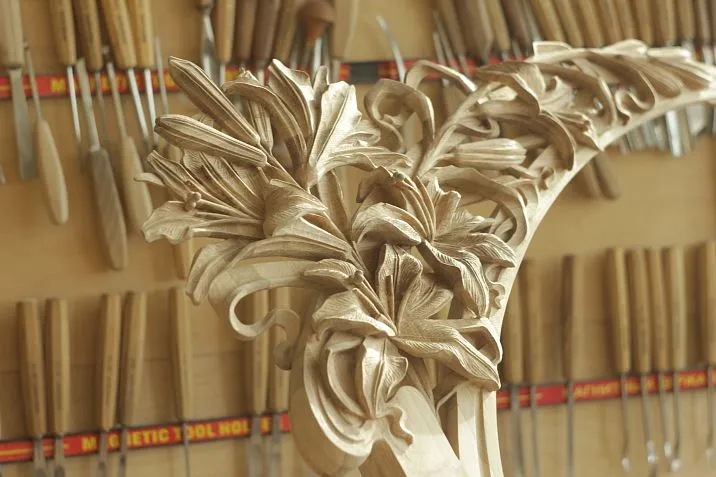
Before you lies a wonderful world where ancient craft traditions meet revolutionary 21st-century technologies. Oak Woodworking Today, it is not merely a manufacturing process, but a true art of transforming noble material into objects capable of serving generations and inspiring for centuries.




Philosophy of Creation: When Craft Becomes Art
Imagine the moment when the craftsman first takes an oak blank into his hands. This material carries within it the history of decades of growth, each annual ring a page in the book of nature. Modern oak production begins not with technical specifications, but with a deep understanding of the material’s soul, its character, and its potential.
Oak wood possesses a unique structural architecture. Its density varies from 680 to 850 kilograms per cubic meter, creating special processing requirements. Tannin content reaches 12–18 percent, which not only determines the color range from golden-beige to deep chocolate tones but also provides natural protection against biological influences.
Each batch of wood undergoes individual assessment. Experienced specialists analyze grain direction, uniformity of annual rings, and absence of internal defects. This work resembles a jeweler’s activity, selecting precious stones to create a unique piece of jewelry.




Revolutionary Approaches to Raw Material Preparation
Modern preparation of oak blanks includes numerous innovative stages. X-ray scanning allows identifying hidden defects without damaging the material. Ultrasonic diagnostics determine internal stresses and cracks as small as 0.1 millimeters.
Climate adaptation occurs in special chambers where environmental parameters change according to programmable algorithms. Temperature cycles from +5 to +35 degrees Celsius at 40–80 percent humidity simulate natural annual cycles in just a few weeks.
Humidity stabilization is a critically important process. Modern vacuum dryers reduce internal pressure to 0.02 atmospheres, allowing moisture removal at 35–40 degrees Celsius without damaging the wood’s cellular structure.
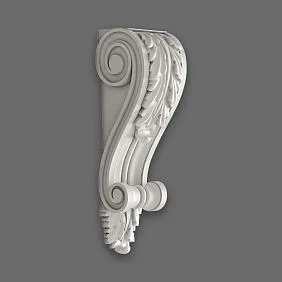
Our factory also produces:




Technological Symphony: Orchestra of Modern Methods
Modern oak woodworking workshops resemble laboratories of the future. Here, every machine is a high-precision tool capable of realizing the most daring design concepts with mathematical accuracy.
Get Consultation
Precision mechanical processing
Five-axis milling centers process oak blanks with precision down to 0.02 millimeters. The polycrystalline diamond cutting tool operates at 28,000 RPM, creating mirror-like surfaces without subsequent polishing.
Adaptive feed control automatically adjusts processing speed based on the density of the wood section. Load sensors on the spindle prevent overheating and chipping, common in hardwoods.
Water cooling of the cutting zone maintains temperature no higher than 45 degrees Celsius, preventing thermal damage and color changes in the wood. The filtration system recycles up to 95 percent of the coolant.
Laser Technologies of the New Generation
Fiber lasers with 500 watts power create engravings up to 3 millimeters deep with 1200 dots per inch resolution. Computer control enables reproduction of the most complex ornaments with photographic precision.
Pulsed laser operation prevents burning of the cut edges. Pulse duration is adjustable from 0.1 to 10 milliseconds depending on the desired effect — from delicate engraving to deep cutting.
High-purity nitrogen gas protection of the working zone prevents oxidation and ensures perfectly clean cut edges. The combustion products removal system maintains optical clarity of protective glass panels.
Hydroabrasive Processing: The Precision of a Jeweler
A water jet at 4000 atmospheres pressure with garnet abrasive particles of 80 mesh fraction cuts oak blanks up to 200 millimeters thick. Cutting accuracy is ±0.1 millimeters with surface roughness Ra 3.2 micrometers.
Programmable cutting head tilt up to 45 degrees allows creating beveled edges and complex three-dimensional surfaces. Automatic trajectory correction compensates for deviation from vertical.
Closed-loop water preparation cycle includes multi-stage filtration and ozonation. Water quality meets semiconductor manufacturing standards, eliminating the appearance of spots on processed surfaces.
Chemistry of Perfection: Modern Finishing of Oak Surfaces
Oak Woodworking Reaches its climax at the finishing stage. Here, modern chemistry creates protective systems surpassing all natural analogs in durability.
Coating Molecular Engineering
Nanostuctured polymers penetrate wood up to 5 millimeters deep, creating volumetric protection. Molecules sized 2-5 nanometers fill intercellular spaces without blocking gas exchange.
Self-assembling monolayers form a protective film one molecule thick on oak surfaces. Hydrophobic groups orient outward, creating a water-repellent effect without altering the wood's appearance.
Photocatalytic titanium dioxide additives provide self-cleaning surfaces under UV exposure. Organic contaminants break down into carbon dioxide and water without using cleaning agents.
Thermosetting Systems
Hot-curing epoxy compositions create coatings with hardness up to 9H on the pencil scale. Curing temperature of 120-140°C activates polymer chain crosslinking within 20-30 minutes.
Polyurethane systems with isocyanate hardeners provide coating elasticity while maintaining high hardness. Elastic modulus is adjustable via component ratio from 500 to 3000 MPa.
Silicone modifiers impart stain-repellent properties. Surface energy is reduced to 20-25 mJ/m², making contamination adhesion difficult and cleaning easier.
Next-Generation Biological Protection
Encapsulated biocides are released only upon contact with microorganisms. Microcapsules sized 1-3 micrometers rupture via fungal enzymes, locally creating lethal concentrations of active substances.
Silver ions immobilized in zeolite crystal lattices provide long-term antibacterial activity. Ion concentration is maintained at 2-5 mg/L for 5-10 years.
Natural extracts from cinchona bark and tea tree enhance oak’s inherent protective properties. Synergistic effect increases biostability 3-5 times compared to untreated wood.
Designer Horizons: Where Technology Meets Creativity
Modern manufacturing capabilities of oak products open practically limitless creative horizons for designers. Parametric modeling enables creation of forms previously deemed impossible for woodworking.
Biomimetic Design
Plant growth algorithms are adapted to create organic furniture forms. Leaf structures, tree branching, and shell spiral patterns become foundations for furniture designs.
Topological optimization distributes material only in zones of maximum stress. Result: lightweight products with maximum strength, resembling biological bone structures.
Fractal geometry creates repeating patterns at various scales. Carvings executed according to fractal principles retain detail at any magnification.
Kinetic Structures
Items with variable geometry adapt to user needs. Transformable tables, foldable chairs, modular storage systems use precision hinge joints.
Pneumatic actuators provide smooth configuration changes. Operating pressure of 6-8 atmospheres generates up to 1000 N force with a 100 mm cylinder diameter.
Magnetic latches hold movable elements in designated positions. Neodymium magnets generate up to 200 N attraction force with dimensions 20x10x5 mm.
Quality Control: Standards of Excellence
In oak product manufacturing, quality is controlled at the molecular level. Each stage is accompanied by multiple inspections using the most advanced non-destructive testing methods.
Spectral Analysis
Raman spectroscopy determines wood’s molecular structure without sampling. Spectral changes indicate early degradation stages invisible to the naked eye.
Infrared thermography reveals hidden defects via thermal anomalies. Thermal cameras with 640x480 pixel resolution detect temperature differences as low as 0.1°C.
Ultraviolet fluorescence detects fungal infestations at early stages. Different fungal species emit characteristic fluorescence under UV lamps of varying wavelengths.
Mechanical Testing
Dynamic load tests simulate multi-year operation in a few hours. Vibration stands create acceleration up to 50g at frequencies of 10-2000 Hz to test joints.
Fatigue tests are conducted on samples under cyclic loading. One million load-unload cycles simulate 10-15 years of intensive furniture use.
Climate chambers replicate extreme operating conditions. Temperature range from -40 to +80 degrees Celsius at humidity levels of 10-95 percent covers all climate zones on Earth.
Optical inspection methods
Laser interferometry measures deformations with accuracy down to fractions of a micrometer. Holographic methods record a three-dimensional displacement field across the entire product surface.
Structured light creates a three-dimensional model of the product with an accuracy of 0.01 millimeter. Comparison with a reference model reveals deviations in shape and dimensions.
Speckle interferometry detects internal defects by changes in surface optical characteristics. The method is especially effective for inspecting adhesive joints.
Ecological responsibility: production of the future
Modern production of oak products is inseparably linked to principles of ecological sustainability. Every aspect of production is reviewed from the standpoint of minimizing environmental impact.
Closed production cycles
Pyrolysis units convert wood waste into syngas for energy needs. Process temperature of 450-500 degrees Celsius ensures complete gasification of organic components.
Bioreactors convert sawdust and shavings into bioplastic via bacterial fermentation. The polymer PHB is similar to polypropylene in properties but is fully biodegradable in nature.
Hydrolysis units obtain ethyl alcohol from cellulose waste for solvents and detergents. Alcohol yield is 300-350 liters per ton of dry waste.
Renewable energy sources
Solar panels with 500 kW capacity cover 30-40 percent of production energy consumption. Sun-tracking systems increase output by 25-30 percent compared to stationary panels.
Vertical-axis wind turbines operate at wind speeds from 3 m/s. Spiral blade design ensures low noise levels and safety for birds.
Geothermal heat pumps use stable ground temperature for heating and cooling of production facilities. Energy conversion efficiency reaches 4.5-5.0.
Industrial wastewater treatment
Membrane bioreactors provide deep biological purification of wastewater. Ultrafiltration membranes with pore size of 0.01 micrometer retain all contaminants larger than viruses.
Ozonation of treated water removes residual organic compounds and ensures disinfection. Ozone concentration of 2-4 mg/L is sufficient for complete oxidation of microcontaminants.
Reverse osmosis allows reuse of up to 90 percent of purified water in technological processes. Water quality after treatment exceeds drinking water standards.
Digital transformation: Industry 4.0
Integration of digital technologies has fundamentally changed approaches to manufacturing oak products. Internet of Things, artificial intelligence, and big data create a new generation of production ecosystems.
Predictive analytics
Machine learning analyzes raw material parameters and predicts properties of finished products. Neural networks trained on databases of millions of measurements can predict quality with 95-98 percent accuracy.
Computer vision algorithms automatically classify blanks by grade. Defect recognition occurs in real-time with a throughput of up to 10 blanks per minute.
Early warning systems prevent emergency situations. Analysis of equipment vibration, temperature, and power consumption enables technical maintenance planning accurate to the week.
Digital twins
Virtual models of production lines are synchronized with real equipment. Any changes in the physical world are instantly reflected in the digital space.
Simulation modeling optimizes production processes without interrupting real production. Thousands of configuration options are tested in virtual environments within minutes.
Augmented reality helps operators maintain complex equipment. Instructions and diagrams are projected directly onto work surfaces through smart glasses.
Blockchain and traceability
Each product receives a unique digital passport recorded in the blockchain. The history from raw material to finished product is permanently stored in a distributed database.
QR codes contain encrypted links to blockchain records. Customers can verify authenticity and learn the full product history using a smartphone.
Smart contracts automate warranty service and insurance. Conditions are executed automatically upon occurrence of specified events without human intervention.
The Mastery of the Future: Synthesis of Tradition and Innovation
Oak Woodworking In the modern world, it represents a unique synthesis of ancient craft traditions and advanced technologies. Masters of the new generation are proficient in both classical woodworking techniques and robotics programming.
Educational programs
Universities are developing interdisciplinary programs combining materials science, mechanics, informatics, and art. Graduates acquire fundamental knowledge in wood physics and practical skills in operating high-tech equipment.
Virtual simulators allow practicing complex operations without risking damage to expensive materials. Haptic feedback conveys the sensation of real tool operation.
Production internships are integrated into the educational process. Students participate in real projects under the guidance of experienced mentors, gaining invaluable practical experience.
Research and Development
Scientific laboratories investigate the potential of genetic modification of wood to enhance its properties. Altering lignin structure can increase the density and strength of oak wood by 20-30 percent.
Wood-fiber-based nanocomposites open new possibilities for creating lightweight and strong structures. Carbon nanotubes embedded in wood structure increase the elastic modulus by 10-15 times.
Biomimetic materials replicate the unique wood structure using synthetic methods. Such materials may surpass natural analogs in certain properties.
Cultural Heritage
Digitization of traditional techniques preserves cultural heritage for future generations. 3D scanning and virtual reality allow studying works of past masters in minute detail.
Databases of traditional ornaments and techniques are accessible to masters worldwide. Artificial intelligence analyzes stylistic features and helps recreate lost techniques.
International exchange programs for masters promote the preservation and development of national woodworking traditions. Young specialists study the experience of colleagues from different countries and cultures.
Markets of the Future: Global Trends and Opportunities
The global market for oak products is experiencing dynamic growth, driven by increasing demand for eco-friendly and durable materials. Developing countries demonstrate particularly high consumption growth rates.
Premium segment
Demand for exclusive handmade items is growing by 15-20 percent annually. Buyers are willing to pay premiums of up to 300-500 percent for uniqueness and craftsmanship quality.
Personalization is becoming a key trend. Mass customization technologies enable creating unique items at affordable prices. Customers participate in the design process through interactive online platforms.
Collecting contemporary works by master woodworkers is forming a new investment market. Works by recognized masters show annual value growth of 20-30 percent.
Architectural Projects
Timber construction is experiencing a renaissance due to ecological trends and new technologies. Multi-story wooden buildings are becoming symbols of sustainable architecture.
Glulam structures allow creating spans up to 100 meters without intermediate supports. Oak elements in such structures ensure maximum strength and durability.
Restoration of historical buildings requires precise reproduction of original elements. Modern technologies enable creating copies with museum-grade accuracy.
Export and Globalization
Russian manufacturers of oak products are gaining international recognition. The quality of domestic products meets the highest global standards.
Logistical innovations reduce the cost of international transportation. Containerization and packaging optimization allow products to be delivered to any point on the globe in perfect condition.
E-commerce provides direct access to consumers worldwide. Online platforms enable sales without intermediaries and showcase products in an interactive mode.
Modern oak product manufacturing represents a remarkable blend of centuries-old traditions and revolutionary technologies. Each item undergoes a journey from wood grown over decades to a high-tech product capable of serving generations.
There are no minor details in this process—every stage affects the quality of the final product. From raw material selection to final packaging, top-tier professionals work, for whom creating oak masterpieces is not merely a job, but a calling.
The future of the industry lies in further integrating advanced technologies while preserving the best craftsmanship traditions. Artificial intelligence and automation will not replace human skill, but enhance it, enabling the creation of products of previously unimaginable quality and complexity.
STAVROS stands at the forefront of this technological revolution, combining the heritage of Russian master carpenters with global innovations. Every STAVROS product is not merely interior decor, but a manifestation of a philosophy of perfection, where tradition and innovation create a synergy of quality. In a world of mass production, STAVROS remains a guardian of individualized craftsmanship, where each item is created as a unique work of art.


