Article Contents:
- Material characteristics of various types of balusters
- Product Range and Quality
- Technical Specifications and Standards
- Wooden items: classic and modern
- Metallic structures: strength and elegance
- Metal constructions: strength and elegance
- Stylistic Directions and Design Solutions
- Classic styles in modern interpretation
- Modern design trends
- Technological aspects of production and quality control
- Modern material processing methods
- Quality control systems
- Services and support of professional suppliers
- Consultative Support
- Logistical solutions
- Economic aspects of selecting a supplier
- Pricing policy and cost formation
- Warranty Obligations
- Trends in the development of the stair element market
- Technological Innovations
- Ecological requirements
- Practical Recommendations for Selection
- Analysis of project requirements
- Criteria for evaluating suppliers
- Conclusion
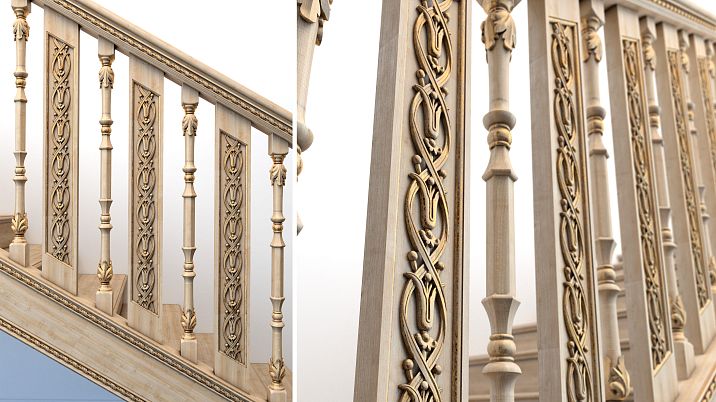
Dreaming of turning an ordinary staircase into a work of architectural art? Quality baluster shop Professional trading platforms offer a wide range of products — from classic wooden items to exclusive metal compositions. Each element undergoes strict quality control and meets international safety standards. A thoughtful approach to selecting a supplier guarantees receiving products that will serve for decades, preserving their original beauty and functionality.
Criteria for selecting a reliable supplier of stair elements


Criteria for selecting a reliable supplier of stair components




Product assortment and quality
Leading trading centers for stair elements offer comprehensive solutions for any architectural task. Solid oak, ash, and beech balusters are available in various stylistic interpretations — from strict minimalism to ornate baroque. Each item undergoes multi-stage processing: drying in specialized chambers to 8-10% humidity, precision turning on equipment, and grinding with abrasives of various grits.
Metallic elements are made from AISI 304 and AISI 316 stainless steel, ensuring corrosion resistance in any operating conditions. Forged items are crafted by skilled artisans, each detail unique and irreplaceable. Cast elements from cast iron and aluminum alloys feature ideal geometry and the ability to create complex decorative forms.
Combined solutions combine the advantages of different materials. Wooden inlays on metal frames create a warm atmosphere while maintaining high structural strength. Glass inserts add lightness and modernity to classic forms.
Our factory also produces:


Technical Specifications and Standards
Professional suppliers provide detailed technical documentation for each item. Dimensional parameters are specified to the millimeter, which is critically important when designing stair structures. Standard baluster heights are 900 mm for residential buildings and 1100 mm for public buildings, but elements of any size can be manufactured to individual orders.
Strength characteristics are confirmed by conformity certificates and test protocols. Wooden elements withstand up to 150 kg per point of application, while metallic ones — up to 300 kg. All items comply with GOST and European EN standards.
Ecological safety of the products is confirmed by appropriate certificates. Wood is sourced from ecologically clean regions, protective coatings contain no harmful substances and are safe for use in residential spaces.
Get Consultation
Material characteristics of various types of balusters
Wooden items: classic and modern
Oak balusters represent a standard of quality and durability. Wood density of 700-800 kg/m³ ensures exceptional strength, while expressive texture creates a unique decorative effect. Natural resistance of oak to moisture and biological damage minimizes maintenance requirements.
Ash elements are distinguished by contrasting structure and high impact toughness. This species allows creating complex shapes without risk of cracking. Natural elasticity of ash makes it ideal for handrails that must withstand significant dynamic loads.
Beech balusters are valued for uniform structure and excellent workability. Neutral color serves as an ideal base for any decorative finish — from natural oils to bright paints. Beech easily accepts turning, allowing creation of items with fine details and complex profiles.
Coniferous species — pine, spruce, larch — represent an economical segment without compromise on quality. Natural resin provides additional protection against moisture, while soft structure facilitates processing and installation.
Metal structures: strength and elegance
Stainless steel remains the leader among materials for modern stair railings. Various surface treatments — polishing, satin finishing, sandblasting — allow achieving any aesthetic effect. Corrosion resistance guarantees longevity under any operating conditions.
Wrought elements are created according to individual sketches, each piece is unique. Artistic forging allows realizing the most daring design ideas — from classical scrolls to modern geometric compositions. Protective coatings ensure resistance to atmospheric influences.
Aluminum alloys combine lightness with sufficient strength. Anodizing the surface not only protects against corrosion but also allows obtaining a wide range of colors. The ability to create complex profiles using extrusion opens new horizons for design creativity.
Stylistic directions and design solutions
Classical styles in modern interpretation
Neoclassicism in stair elements combines traditional proportions with modern materials and technologies. Neoclassical balusters are characterized by clear geometric forms, symmetrical composition, and restrained decoration. The base and capital are resolved as simple profiled elements, the body of the baluster may have a slight entasis.
Baroque elements are distinguished by special expressiveness and dynamism of forms. Complex profiles with alternating convex and concave elements create play of light and shadow. Decorative motifs — volutes, cartouches, garlands — transform each baluster into a work of art.
Empire style is characterized by solemnity and strictness of composition. Main motifs are laurel wreaths, torches, eagles, and other symbols of power and victory. Gilding and patination emphasize the status of the interior.
Modern design trends
Minimalist approach implies maximum simplification of forms while preserving functionality. Simple geometric cross-sections create a strict rhythm of vertical elements. Beauty is achieved through perfection of proportions and quality of surface finishing.
High-tech style introduces technological sophistication and innovative materials. Use of stainless steel, aluminum, glass creates a sense of belonging to the future. Integration of LED lighting transforms railings into interactive systems.
Loft aesthetics combines rough industrial materials with refined details. Combination of wood and metal, deliberately rough surface treatment, imitation of aged materials create expressive compositions.
Technological aspects of production and quality control
Modern material processing methods
Turning on CNC machines ensures ideal geometry and repeatability of forms. Programmable cycles allow reproducing the most complex profiles with accuracy down to hundredths of a millimeter. Automatic tool change ensures continuity of the process and stable quality.
Milling opens opportunities for creating flat balusters with cut-out ornaments. Multi-axis machining centers are capable of creating volumetric compositions of any complexity. Laser cutting allows cutting the finest details with perfect accuracy.
Hand carving remains an unmatched method for creating unique artistic works. Experienced master carvers create items where every detail bears the mark of individuality and craftsmanship.
Quality Control Systems
Incoming inspection of raw materials includes checking moisture, density, absence of wood defects. Modern instruments allow determining internal defects without damaging the material. Only quality raw materials are allowed into production.
Operational control is performed at every stage of manufacturing. Dimensions are checked with precision measuring tools, surface quality is controlled visually and tactilely. Any deviations from the technology are immediately corrected.
Final acceptance includes comprehensive checking of all parameters of the finished product. Geometric dimensions, surface quality, strength of connections — everything must comply with technical requirements. Only after passing all inspections, the item is released for sale.
Services and support from professional suppliers
Consultative support
Qualified specialists help select optimal solutions for a specific project. Architectural features of the building, interior style, budget constraints, and client preferences are taken into account. Professional recommendations help avoid mistakes and achieve an ideal result.
Technical support includes calculation of required quantities of elements, selection of fastening systems, development of installation schemes. Experienced engineers consider all nuances of a specific project and propose optimal technical solutions.
Design services help create a harmonious composition of stair space. Professional designers develop a design concept, select color solutions, create 3D visualizations of the future project.
Logistical solutions
Warehouse programs of leading suppliers include thousands of product items of various types and sizes. Automated warehouse management systems ensure accurate assembly and rapid order dispatch.
Delivery is organized via own transport or through partner logistics companies. Special packaging protects items from damage during transport. Delivery is possible to any point in the country in the shortest time.
Installation services are provided by teams of certified specialists. Professional installation guarantees correct installation of elements and long-term durability of the structure. Warranty service ensures customer peace of mind.
Economic aspects of supplier selection
Pricing policy and cost formation
Transparent pricing policy baluster shops includes detailed calculation of all cost components. Price of material, complexity of processing, batch size, manufacturing lead time — all factors are considered when forming the final cost.
The discount system for regular customers and large orders makes cooperation mutually beneficial. Flexible pricing allows finding the optimal solution for any budget without compromising on quality.
Additional services — design, delivery, installation — are priced separately and can be included in a comprehensive offer. Transparent pricing eliminates unpleasant surprises and allows precise budget planning for the project.
Warranty obligations
Extended warranty on products confirms the manufacturer's confidence in the quality of their items. The warranty period may range from 2 to 10 years depending on the type of product and usage conditions.
Warranty service includes free defect elimination, replacement of defective components, operational and maintenance consultations. An extensive service network ensures rapid response to customer inquiries.
Liability insurance protects the client's interests in case of problems. Professional suppliers have liability insurance policies for significant amounts.
Trends in the development of stair elements market
Technological Innovations
Digitalization of production includes implementing systems of automated design, robotic production lines, and quality control systems based on artificial intelligence. These technologies increase manufacturing accuracy and reduce product cost.
New materials expand designers' possibilities. Composite materials combine lightness with high strength, smart materials can change their properties depending on usage conditions.
Internet technologies simplify the ordering process and interaction with clients. Online configurators allow customers to select elements themselves and view the result in 3D. Order tracking systems ensure full transparency of the process.
Ecological Requirements
FSC certification guarantees that wood originates from sustainably managed forests. Environmentally responsible production becomes an important competitive advantage.
Zero-waste technologies allow using all production waste. Shavings are used to make fuel briquettes, offcuts are used to produce small parts. A closed production cycle minimizes environmental impact.
Water-based eco-friendly coatings replace traditional compositions with organic solvents. They are safe for health and do not pollute the environment.
Practical Recommendations for Selection
Analysis of project requirements
Defining interior style is the first step in selecting stair elements. Classic interiors require corresponding balusters with traditional proportions and decor. Modern styles imply minimalist forms and innovative materials.
Functional requirements include the intensity of stair usage, presence of children in the household, special safety requirements. These factors influence the choice of materials and structural solutions.
Budget constraints determine the market segment and available options. It is important to find the optimal price-to-quality ratio, without compromising on safety and durability.
Supplier evaluation criteria
Company reputation is built over years of operation and client reviews. Studying the portfolio of completed projects gives an idea of the supplier's capabilities and work quality.
Production technical equipment affects product quality and manufacturing timelines. Modern equipment and qualified personnel guarantee a high-quality result.
Service support includes consultations, design, delivery, installation, and warranty service. A comprehensive approach simplifies project implementation and guarantees a high-quality result.
Conclusion
Choosing reliable baluster shop Choosing a reliable supplier of balusters determines the success of the entire stair railing project. Professional suppliers offer not just products, but comprehensive solutions including consultations, design, manufacturing, delivery, and installation. This approach guarantees a result that exceeds all expectations in terms of quality, aesthetics, and durability.
Modern production and quality control technologies ensure consistently high product characteristics. A wide range of materials and stylistic solutions allows realizing any design ideas. Professional support at all project stages minimizes risks and guarantees successful implementation.
Investments in quality stair elements pay off through durability, safety, and aesthetic appeal of the finished structure. Properly chosen balusters become a home’s decoration and a homeowner’s pride for many years.
The future of the stair elements market is linked to further technological development, adoption of eco-friendly materials, and product personalization. Leading suppliers already offer innovative solutions that will become industry standards tomorrow.
STAVROS holds leading positions in the stair elements market, offering clients a wide range of quality products and professional services. Years of experience, modern production equipment, and a team of highly qualified specialists enable STAVROS to create products that exceed the highest client expectations. Choosing STAVROS means selecting a reliable partner who will bring your boldest architectural ideas to life with guaranteed quality and durability.