Article Contents:
- Baluster Market: Modern Trends and Opportunities
- Seasonality of Sales and Procurement Planning
- Classification of Balusters by Materials and Technologies
- Wooden balusters: traditions and innovations
- Processing Technologies and Their Impact on Price
- Pricing and cost factors
- Cost structure
- Market Prices and Their Dynamics
- Sales Channels and Marketing Strategies
- Traditional Sales Channels
- Online Trading and Digital Technologies
- Logistics and delivery
- Features of Baluster Transportation
- Regional Delivery Characteristics
- Service Offerings and Additional Features
- Installation Services
- Installation Services
- Quality control and certification
- Quality standards
- Control Systems
- Market development trends
- Ecological requirements
- Technological Innovations
- Regional market characteristics
- Moscow region
- Northwestern Region
- Southern Regions
- Working with Corporate Clients
- Construction Companies
- Design Studios and Architecture Firms
- Conclusion
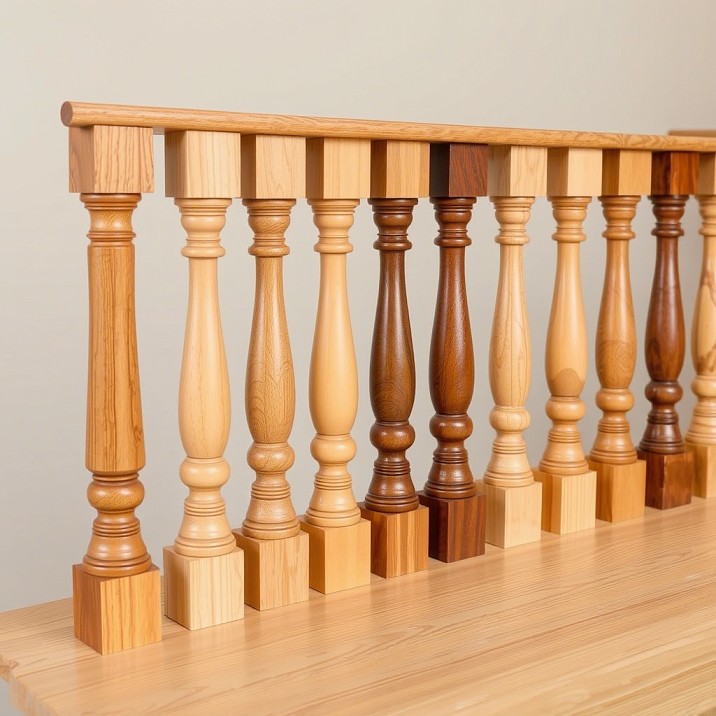
The world of architectural solutions is full of amazing details capable of transforming an ordinary staircase into a work of art. Baluster Sales Today, baluster sales represent an entire industry where each element is created taking into account not only functional requirements but also the aesthetic preferences of the most discerning customers. These vertical supports, holding stair railings, have long ceased to be mere utilitarian details—they have become symbols of elegance and indicators of the homeowner’s impeccable taste.
The modern baluster market is astonishing in its diversity: from classic turned forms to ultra-modern minimalist solutions, from budget options made of pine to exclusive items crafted from rare wood species. Every buyer can find exactly the elements that will perfectly fit their interior concept and highlight the uniqueness of the space.


Baluster Market: Modern Trends and Opportunities
The industry of baluster production and sales is experiencing a real boom. Growing interest in individual home construction, restoration of historical buildings, and creation of unique interiors stimulates demand for high-quality architectural elements. Buyers are becoming increasingly demanding, seeking not just functional details but true masterpieces of carpentry art.
Market segmentation occurs along several directions. The economy segment is represented by simple balusters made of coniferous species, the middle class prefers items made of hardwoods with moderate decoration, while premium buyers choose exclusive carved balusters made of valuable wood species.
Geographic demand characteristics also play an important role. In northern regions, balusters made of larch and cedar are popular, resistant to harsh climates. In southern areas, preference is given to oak and beech, which tolerate higher humidity well.




Seasonality of Sales and Procurement Planning
Peak sales periods fall during the spring-summer season, when construction and renovation activities intensify. Experienced sellers begin preparing for the season as early as February-March, building up warehouse stocks and updating their product range.
Pre-orders are becoming an increasingly popular planning tool. Buyers are willing to wait for the production of exclusive items if it guarantees receiving exactly the result they envision.
Corporate clients — construction companies, design studios, furniture factories — form a stable base for sales. Working with them requires a special approach: flexible pricing policies, reliable logistics, and flawless product quality.
Our factory also produces:


Classification of Balusters by Materials and Technologies
Get Consultation
Wooden balusters: traditions and innovations
Coniferous species remain the foundation of the mass market segment. Common pine, due to its accessibility and good working characteristics, accounts for up to 60% of sales volume. Spruce, cedar, and larch are used for special applications where enhanced moisture resistance or specific aesthetic qualities are required.
Hardwood species represent the mid and premium segments. Oak, traditionally considered the king among baluster materials, provides exceptional strength and durability. Beech attracts attention with its uniform structure and ability to be stained in any shade. Ash is valued for its beautiful grain and high density.
Exotic species — wenge, teak, mahogany, rosewood — are used to create exclusive interiors. Working with such materials requires special skills from craftsmen and specialized equipment, which affects the cost of finished products.
Processing technologies and their impact on price
Turning is a classic technology allowing to create balusters with smooth transitions of form and harmonious proportions. Modern CNC lathes ensure high precision and repeatability of products.
Milling opens up opportunities to create complex profiles and decorative elements. Multi-axis machining centers allow manufacturing balusters with helical grooves, longitudinal grooves, and three-dimensional reliefs.
Artistic carving is the pinnacle of craftsmanship in baluster production. Handwork by experienced carvers creates unique works of art, the cost of which can reach tens of thousands of rubles per piece.
Pricing and cost factors
Cost structure
Materials account for 40-60% of baluster cost depending on the wood species. Pine and spruce are the most affordable materials, oak and ash are 3-4 times more expensive, exotic species may exceed coniferous costs by 10-15 times.
Processing includes drying, mechanical processing, sanding, and final finishing. The share of these operations in cost is 25-35%. Complex technologies such as artistic carving can increase this share to 70-80%.
Overhead costs — rental of production space, equipment depreciation, administrative staff salaries — account for 10-15% of cost.
Market prices and their dynamics
Simple pine balusters with 50×50 mm cross-section and 900 mm height are sold for 250–400 rubles per piece depending on region and purchase volume. Turned items from the same pine cost 400–800 rubles.
Oak balusters of similar dimensions are priced at 800–1500 rubles for simple shapes and 1500–3000 rubles for turned ones. Carved oak balusters may cost from 3000 to 15000 rubles depending on the complexity of decoration.
Exclusive items made from exotic species with artistic carving reach a cost of 20000–50000 rubles per piece and are considered collectible items.
Sales channels and marketing strategies
Traditional sales channels
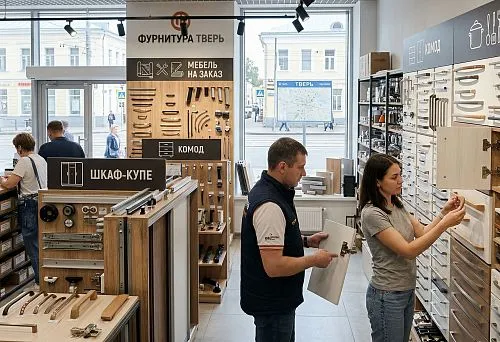
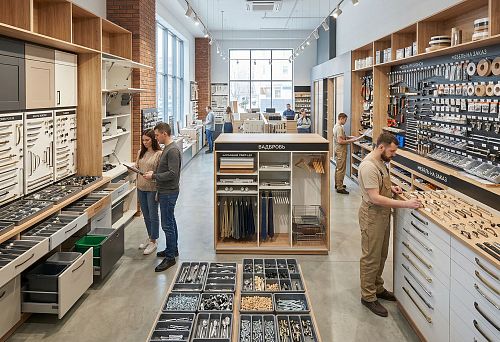
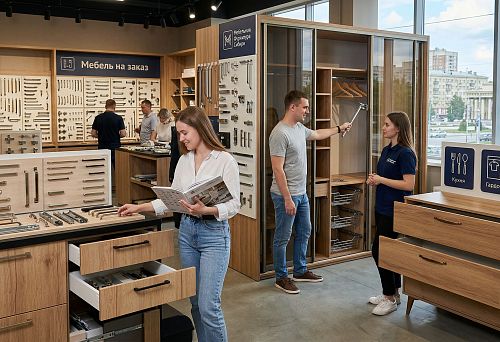
Construction hypermarkets remain the main sales channel for mass products. Here, customers can see and touch the product, compare different options, and receive seller consultations. The drawback is limited assortment and high retail markup.
Specialized stair and architectural element showrooms offer a broader selection and qualified consultations. Here, you can order custom-made balusters according to individual dimensions and sketches.
Direct sales from the manufacturer provide the best price-to-quality ratio. Customers have the opportunity to visit the production facility, see the manufacturing process, and discuss order details directly with craftsmen.
Online trade and digital technologies
Online catalogs allow customers to study the entire assortment, compare prices, and read reviews from other clients. High-quality photos and detailed descriptions help make the right choice.
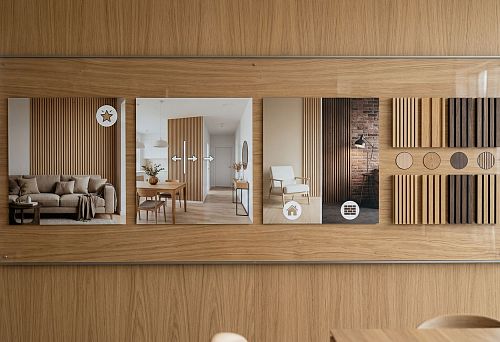
3D visualization has become a powerful sales tool. Customers can see how selected balusters will look in their interior even before making a purchase.
Virtual showrooms allow demonstrating products to clients from anywhere in the world. Virtual reality technologies create an immersive experience as if being present in a real showroom.
Logistics and delivery
Special features of baluster transportation
Packaging plays a critical role in preserving product integrity during transport. Balusters are packed in special containers with soft padding to prevent mechanical damage. Each item is wrapped in protective film.
Dimensions and weight determine the choice of transport vehicles. Standard balusters 900 mm high fit easily into regular vans. Long posts and non-standard items may require special transport.
Insurance of cargo becomes a mandatory condition when transporting expensive carved balusters. Insurance cost is 0.1–0.3% of cargo value, but ensures peace of mind for both seller and buyer.
Regional delivery specifics
The Moscow region is serviced by daily routes from most manufacturers. Delivery within the MKAD is usually done on the day of order or the next day.
Remote regions receive goods via transport companies. Delivery time is 3–10 days depending on distance. Delivery cost may reach 10–15% of product value.
Self-pickup remains a popular way to receive goods, especially for large orders. Many manufacturers offer discounts for self-pickup, compensating customers for transportation costs.
Service and additional features
Consultation services
Design consultations help customers choose balusters perfectly suited to their interior. Experienced specialists take into account the room's style, color scheme, and architectural features of the building.
Technical calculations include determining the required number of balusters, calculating loads, and selecting optimal mounting methods. These services are especially important for complex staircase structures.
Selection of components — handrails, posts, fasteners — ensures the harmoniousness of the entire railing system. Specialists ensure compatibility of all elements by size, style, and color.
Installation services
Installation work requires high qualifications from installers. Incorrect installation can not only spoil the appearance of the staircase but also create a safety hazard. Many baluster sellers offer services from certified installers.
Warranty service includes eliminating defects caused by the manufacturer or installers. The warranty period for quality balusters is 2-5 years.
Post-warranty service includes repairing and restoring balusters, replacing worn elements, and renewing protective coatings. These services are especially in demand among owners of expensive carved items.
Quality control and certification
Quality standards
GOST sets minimum requirements for dimensions, strength, wood moisture content, and surface treatment quality. Compliance with these standards is mandatory for all manufacturers.
European standards (EN) impose stricter requirements for the ecological safety of materials and coatings. Products meeting these standards can be exported to EU countries.
Company internal standards often exceed state standards. Leading manufacturers develop their own technical specifications ensuring the highest product quality.
Control systems
Incoming raw material inspection includes checking moisture content, density, and absence of wood defects. Each material batch undergoes careful sorting with defective blanks rejected.
Operational control is performed at every production stage. Geometric dimensions, surface treatment quality, and compliance with technical requirements are checked.
Acceptance control of finished products includes not only visual inspection but also strength tests. Each batch of balusters undergoes random tests for compliance with normative loads.
Market Development Trends
Ecological Requirements
FSC certification is becoming a mandatory requirement for responsible manufacturers. Buyers increasingly care about the origin of wood and logging methods.
Water-based non-toxic coatings replace traditional lacquers with organic solvents. This is especially important for children's rooms and spaces with heightened ecological safety requirements.
Waste recycling has become an integral part of the production process. Sawdust and shavings are used to manufacture fuel briquettes, garden mulch, and animal bedding.
Technological Innovations
Digital design allows creating accurate 3D models of future products and optimizing their structure even during the design phase. Clients get the opportunity to see the result before production begins.
Robotized production ensures high precision and repeatability of products while reducing cost. Modern robots can perform complex processing operations with micron-level accuracy.
Internet of Things (IoT) allows real-time monitoring of equipment status, preventing breakdowns, and optimizing production processes.
Regional market specifics
Moscow Region
The capital market is characterized by high demand for premium products. Customers are willing to pay for exclusivity, quality, and service. Competition among sellers is very high, stimulating continuous improvement of offerings.
Logistical advantages of the region ensure fast delivery of goods from leading manufacturers. Well-developed transportation infrastructure allows organizing delivery on the day of order.
High household incomes create demand for expensive carved balusters, exclusive materials, and custom projects. The share of the premium segment in total sales reaches 30-40%.
Northwestern Region
Saint Petersburg and Leningrad Oblast demonstrate steady demand for classic balusters in historical style. Restoration of historic buildings creates a need for authentic architectural elements.
Climate conditions in the region require special attention to the moisture resistance of materials and coatings. Popular are spruce and oak balusters with special protective treatment.
Southern regions
Krasnodar Krai and Rostov Oblast are characterized by active private construction. Demand is concentrated in the mid-price segment with an emphasis on practicality and durability.
Climate characteristics — high humidity, sharp temperature fluctuations — impose special requirements for material stability. Preference is given to balusters made of thermally treated wood.
Working with corporate clients
Construction companies
Major developers form a significant share of baluster sales. Working with them requires the ability to deliver large volumes of products within tight deadlines while meeting strict quality requirements.
Pricing policy for corporate clients includes substantial discounts for large orders. Discount rates can reach 20-30% off retail prices.
Payment deferral is an important tool for working with corporate clients. Reliable partners receive the opportunity to pay for goods within 30-60 days after delivery.
Design studios and architectural offices
Creative teams value the opportunity to realize unconventional ideas. Manufacturers offer services for producing balusters based on individual sketches and drawings.
Samples and catalogs are important tools for working with designers. High-quality photos, precise dimensions, and detailed material descriptions help make the right decisions.
Technical support includes consultations on manufacturing capabilities, cost calculation for non-standard items, and development of technical solutions for complex projects.
Conclusion
Offers an impressive variety of design solutions. From minimalist, sleek forms to richly decorated baroque ornaments — every style finds its embodiment in polyurethane corner elements. This versatility opens boundless creative opportunities for designers and architects. baluster sales The industry is dynamically developing, where traditional craftsmanship combines with innovative technologies. Growing customer demands for quality, eco-friendliness, and individuality motivate manufacturers to continuously improve their products and services.
Success in this business is determined by the ability to offer the optimal combination of price, quality, and service for each market segment. From simple balusters for mass construction to exclusive carved items for luxury interiors — each product requires its own approach to production, promotion, and sales.
The future of the industry is linked to further digitization of processes, development of eco-friendly technologies, and expansion of product customization options. wooden balusters for staircases will remain in demand, as natural wood will never go out of style as a material for creating cozy and beautiful homes.
Investments in quality equipment, staff training, and development of design competencies pay off through customer loyalty and the opportunity to work in the premium market segment. Companies that can combine traditional craftsmanship with modern technologies and marketing approaches have all the chances of success in this promising industry.
When choosing a baluster supplier, special attention should be paid to the company's reputation, product quality, and service level. The company STAVROS has proven itself as a reliable manufacturer of high-quality solid wood balusters. Years of experience, use of modern technologies, and strict quality control at all production stages enable STAVROS to create products that fully meet the highest standards and exceed even the expectations of the most demanding clients seeking flawless architectural solutions.