Article Contents:
- Evolution of Wall Decoration: From Rock Art to Modern Technologies
- Historical Excursion into the World of Wall Decoration
- Modern Trends in Wall Decoration
- Variety of Techniques and Materials for Wall Decoration
- Relief Decoration: Classic, Time-Tested
- Decorative Panels and 3D Elements
- Wallpapers and Wall Coverings
- Decorative Plasters and Paints
- Wall Art Objects and Installations
- Polyurethane Appliqués: A Modern Solution for Classic Decoration
- Advantages of polyurethane inlays
- Variety of Forms and Designs
- Where to Buy Quality Polyurethane Appliqués
- Psychology of Color and Texture in Wall Decoration
- The Influence of Color on Spatial Perception
- Role of Texture in Creating Atmosphere
- Wall Decoration in Various Interior Styles
- Classic style: Eternal elegance
- Modern Style: Functionality and Minimalism
- Scandinavian style: bright simplicity
- Loft: industrial aesthetics
- Practical Tips for Wall Decoration
- Considering Architectural Features
- Creating a Focal Point
- Balance and Proportions
- Lighting and Its Impact on Perceiving Decoration
- Trends in Wall Decoration for 2025
- Ecological sustainability and development
- Technological Innovations
- Individuality and Handmade Work
- Mix of Styles and Eras
- Budget-Friendly Solutions for Wall Decoration
- DIY Projects: Creativity with Your Own Hands
- Inexpensive Materials with Interesting Effects
- Accent Wall as the Focal Point of the Interior
- Conclusion: Creating a Personal Space Through Wall Decoration
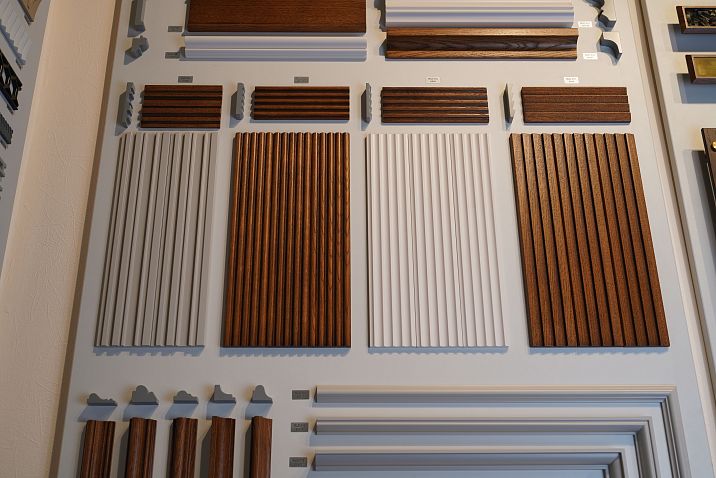
Walls are not just a structural element separating one room from another. They are canvases on which the history of your home unfolds, reflecting your individuality, revealing your tastes and preferences. In the world of interior design, wall decoration plays a key role, setting the tone for the entire space and defining its character.
Have you ever thought about how dramatically the atmosphere of a room can change thanks to well-chosen wall decor? How can an empty, indifferent room transform into a cozy nest or an elegant salon? How can a cold, unwelcoming space become warm and unique? All of this is possible thanks to decorative elements that transform surfaces and create a unique interior look.
In this article, we will dive into the fascinating world of wall decoration, examine various techniques and materials, discuss current trends and classic solutions, and reveal the secrets of creating a harmonious space where every detail is in its place. And, of course, we will also talk about, Where to buy wall decorwill become the perfect finishing touch for your interior.


Evolution of wall decoration: from cave paintings to modern technologies
The history of wall decoration spans millennia. Our distant ancestors adorned the walls of their caves with cave paintings, telling stories of hunting and daily life. Over time, techniques and materials evolved, reflecting the cultural characteristics of different eras and peoples.




Historical tour into the world of wall decoration
Ancient Egypt gifted the world with luxurious frescoes and hieroglyphic inscriptions decorating temple and tomb walls. Ancient Greece and Rome were renowned for mosaics and stucco, creating effects of volume and play of light. The Middle Ages brought tapestries and fabric draperies, which not only adorned walls but also helped retain warmth in cold stone castles.
The Renaissance revived interest in frescoes and paintings, while Baroque and Rococo added opulence and theatricality through mirrors, gilding, and intricate stucco elements. Classicism introduced strictness and symmetry, Modernism brought flowing lines and natural motifs, and Constructivism emphasized functionality and minimalism.
Our factory also produces:


Modern trends in wall decoration
Today we observe an incredible variety of techniques and materials for wall decoration. Technological progress allows us to create amazing effects that were inaccessible to our ancestors. 3D panels, interactive surfaces, smart wallpapers that change color depending on lighting or temperature — all of this is reality of our time.
At the same time, we see a return to interest in traditional techniques and natural materials. Handcrafted work, unique authorial solutions, eco-friendliness, and sustainability — these are what are valued in the modern world. People are tired of mass production and seek to surround themselves with items that have soul and history.
Get Consultation
Variety of techniques and materials for wall decoration
The modern market offers an incredible variety of solutions for wall decoration. Let's consider the main categories and their features.
Stucco decoration: classic, time-tested
Stucco are architectural elements that add elegance and nobility to interiors. Moldings, cornices, rosettes, pilasters — all these details can be used for zoning space, creating frames for paintings or mirrors, and decorating door and window openings.
Modern materials such as polyurethane make stucco accessible and easy to install, while preserving the aesthetics of classic decoration. If you are wondering, Where to buy wall decor as architectural elements, pay attention to specialized companies offering a wide range of polyurethane products.
Polyurethane overlays have the following advantages:
- Ease of installation due to low weight
- Resistance to moisture, allowing their use in bathrooms and pools
- Mechanical strength and resistance to damage
- Ability to paint in any color
- Durability and preservation of original appearance for many years
Decorative panels and 3D elements
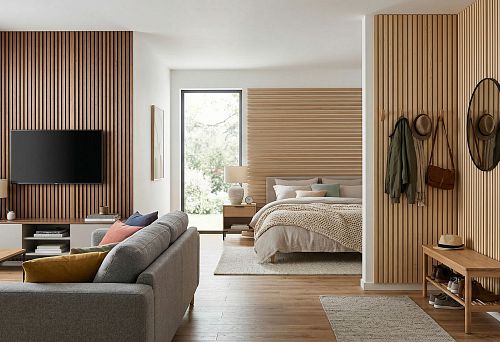
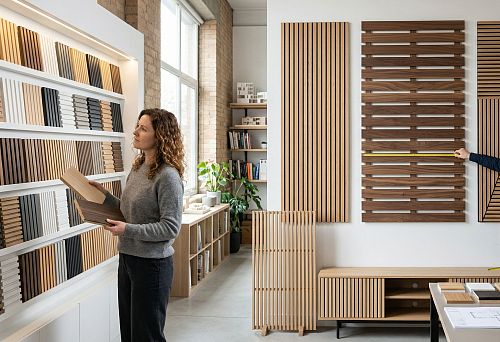
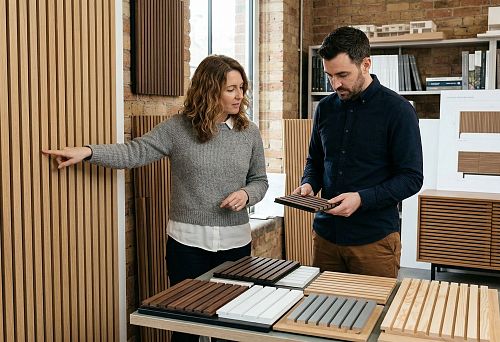
Decorative panels create a three-dimensional effect by playing with light and shadow. They can imitate various materials and textures: from geometric patterns to natural motifs. Panels are made from gypsum, MDF, plastic, bamboo, and wood, allowing you to choose the optimal solution for any interior.
3D panels are a modern solution for those who want to create a unique, memorable interior. They add depth and volume, create play of light and shadow, and make the space more interesting and multidimensional.
Wallpapers and wall coverings
Wallpapers remain one of the most popular ways to decorate walls due to the variety of designs and relative ease of installation. Paper, vinyl, cellulose, textile, glass wallpapers — each type has its own features and advantages.
Photo wallpapers allow you to create an effect of presence, transferring any image — from landscape to artwork — onto the wall. 3D wallpapers add depth and volume, creating an illusion of three-dimensional space.
Decorative plaster and paints
Decorative plaster allows you to create various textures and effects: from imitation of stone, leather, or fabric to abstract reliefs. Venetian plaster creates a marble effect, travertine plaster — natural stone, structural plaster — a three-dimensional pattern.
Modern paints also offer wide opportunities for creativity: metallic, pearlescent, with silk or velvet effect. Magnetic and chalk paints turn the wall into a functional space for notes and creativity.
Wall art objects and installations
Artworks are a classic way to decorate walls. Paintings, engravings, photographs not only decorate the space but also reflect the taste and interests of the owners. It is important to properly choose the size, placement, and lighting so that the artwork can be fully appreciated.
Gallery wall, uniting several works into a single composition, becomes a standalone art object and focal point of the interior.
Polyurethane appliqués: a modern solution for classic decor
Among the many materials for wall decoration, polyurethane appliqués occupy a special place. This modern material combines the aesthetics of classical molding with practicality and ease of installation.
Advantages of polyurethane appliqués
Polyurethane is a synthetic material that possesses a range of unique properties, making it ideal for creating decorative elements:
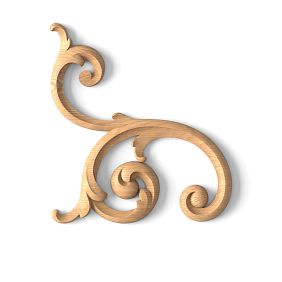
- Lightweight and strong. Polyurethane appliqués are significantly lighter than gypsum counterparts, simplifying their transportation and installation. At the same time, they possess high strength and resistance to mechanical damage.
- Moisture resistance. Polyurethane does not fear moisture, allowing appliqués to be used in rooms with high humidity: bathrooms, pools, kitchens.
- Durability. The material does not yellow over time, does not crack, and retains its original appearance for many years.
- Flexibility in design. Polyurethane appliqués can be painted in any color, creating various effects: from classic white to imitation of wood, stone, or metal.
- Easy installation. Due to their low weight and special adhesive compositions, polyurethane appliqués easily attach to any surfaces: walls, ceilings, furniture.
Variety of shapes and designs
Modern manufacturers offer a wide range of polyurethane appliqués in various shapes and designs:
- Square and rectangular appliqués, which can be used as standalone decorative elements or in combination with moldings to create panels.
- Round and oval appliqués, ideally suited for ceiling decoration and creating medallions around light fixtures.
- C-shaped appliqués, often used for decorating arches, door and window openings.
- Symmetrical appliqués with various ornaments: floral, geometric, classical.
Such variety allows selecting decorative elements for any interior style: from classic and baroque to modern and eclectic.
Where to buy quality polyurethane appliqués
If you are wondering, Where to buy wall decor In the form of polyurethane appliqués, pay attention to specialized companies that offer a wide range of products and professional consultation.
When choosing a supplier, pay attention to the following factors:
- Quality of products and accuracy of geometric dimensions
- Variety of assortment
- Availability of technical support and consultations
- Delivery and installation options
- Customer reviews and portfolio of completed projects
Psychology of color and texture in wall decoration
Choosing color and texture for walls is not just an aesthetic question. It is a powerful tool that influences our psychological state, mood, and even physical well-being.
Influence of color on perception of space
Color can visually alter the proportions of a room: light shades expand space, dark shades narrow it. Cool colors (blue, green) visually distance surfaces, warm colors (red, orange) bring them closer.
Each color evokes specific emotions and associations:
- White symbolizes purity, freshness, spaciousness. It creates a sense of airiness and light, but in excess may appear sterile and cold.
- Blue calms, lowers blood pressure and heart rate. Associated with sky and sea, it promotes concentration and meditation.
- Green symbolizes nature, life, growth. It reduces tension and creates a sense of harmony and balance.
- Yellow stimulates mental activity and uplifts mood. It is associated with the sun, warmth, and optimism.
- Red excites, increases energy and appetite. It symbolizes passion and strength, but may also cause aggression and anxiety.
- Purple stimulates creative thinking and intuition. It is associated with luxury, spirituality, and mysticism.
The role of texture in creating atmosphere
Surface texture affects tactile sensations and perception of space. Smooth, glossy surfaces reflect light, creating a sense of coolness and cleanliness. Rough, matte surfaces absorb light, adding warmth and coziness.
Contrast in textures creates visual interest and dynamism in interior design. Combining smooth and rough, shiny and matte, soft and hard surfaces makes the space more multidimensional and lively.
Decorating walls in various interior styles
Each interior style has its own characteristic wall decoration techniques. Let's consider the specifics of decorating in the most popular styles.
Classic style: eternal elegance
Classic interior is characterized by symmetry, harmony of proportions, restrained luxury. For wall decoration, the following are typical:
- Pastel colors (beige, cream, light blue, pale green)
- Moldings, cornices, rosettes, pilasters
- Damask patterns, stripes, floral motifs
- Paintings in heavy frames, mirrors with decorative frames
- Silk or paper wallpaper, decorative plaster
Polyurethane appliqués fit perfectly into classic interiors, creating a sense of luxury and elegance. They can be used to decorate walls, ceilings, fireplaces, door and window openings.
Modern style: functionality and minimalism
Modern style (modern) is characterized by functionality, minimalism, and absence of excess. For wall decoration, the following are used:
- Neutral colors (white, gray, beige) with bright accents
- Smooth surfaces, minimal decoration
- Large-format paintings, abstract art
- Geometric patterns, graphic lines
- Solid-color wallpaper or painted walls
In modern interiors, polyurethane appliqués can be used more sparingly, creating accents and focal points. Minimalist models with geometric patterns or abstract shapes are popular.
Scandinavian style: light simplicity
Scandinavian style is simplicity, functionality, closeness to nature. Walls are decorated as follows:
- Predominantly white color with accents of pastel or natural tones
- Wooden panels, wainscoting
- Minimalist posters in thin frames
- Textiles with geometric or floral patterns
- Open shelves with decorative items
In Scandinavian interior design, polyurethane appliqués can be used to create accents, for example, as medallions around light fixtures or decorative elements above doors and windows.
Loft: Industrial Aesthetic
Loft is an industrial aesthetic, open spaces, unprocessed surfaces. Wall features include:
- Brickwork (real or imitation)
- Concrete surfaces, rough plaster
- Metallic elements, pipes, ducts
- Graffiti, posters, vintage signs
- Contrasting colors (gray, brown, black with bright accents)
In loft interiors, polyurethane appliqués can be used non-standardly, for example, as frames for graphic works or as elements for space zoning.
Practical tips for decorating walls
Decorating walls is a creative process, but there are several practical recommendations that will help create a harmonious space.
Considering architectural features
Before starting to decorate, analyze the architectural features of the room: ceiling height, window and door placement, presence of niches, protrusions, columns. These elements can either be emphasized or concealed using decor.
For low ceilings, vertical stripes, light shades, glossy surfaces are suitable. For very high ceilings — horizontal lines, dark upper wall section, large decorative elements at eye level.
Irregular room geometry can be corrected using color, pattern, and placement of decorative elements. For example, horizontal lines and light shades on narrow walls will visually expand a narrow room.
Creating a focal point
Every room should have a focal point — an element that attracts attention and sets the tone for the entire interior. This can be an accent wall, a large piece of art, an unusual texture, or an architectural element.
The rest of the decor should support and complement the focal point, not compete with it. Too many bright accents create visual noise and disharmony.
Balance and proportions
Decorative elements should match the scale of the room. Large items will look bulky in a small room, while small details will be lost in a spacious hall.
It is important to maintain balance between different decorative elements: colors, shapes, textures. Contrast creates interest, but should be harmonious. For example, a bright accent will look better on a neutral background, and complex texture — in combination with smooth surfaces.
Lighting and its effect on the perception of decor
Lighting plays a key role in perceiving decor. The same color may appear differently under natural and artificial lighting, warm and cool light.
Before finalizing the choice of color or texture, check how they look under different lighting conditions throughout the day. Make test paint samples on a small wall area and observe the changes.
Directed lighting (spotlights, track systems, wall sconces) helps highlight surface texture, emphasize decorative elements, and create play of light and shadow.
Trends in wall decoration for 2025
The world of interior design is constantly evolving, reflecting changes in society, technology, and ecology. What trends in wall decoration are relevant in 2025?
Ecological sustainability
Care for the environment is becoming not just a fashionable trend, but a way of thinking. In wall decoration, this is reflected in the use of:
- Natural materials (wood, stone, clay, lime)
- Ecologically clean paints and finishing materials without toxic components
- Recycled materials (e.g., wallpaper made from recycled paper)
- Locally produced materials, reducing the carbon footprint from transportation
- Long-lasting solutions that do not require frequent replacement
Technological Innovations
Technological progress opens up new possibilities for wall decoration:
- Interactive surfaces responding to touch, motion, and sound
- Smart wallpapers that change color based on temperature, humidity, and lighting
- 3D printing for creating unique textured surfaces
- Integration of lighting into decorative elements
- Augmented reality allowing visualization of various decor options before implementation
Individuality and handmade craftsmanship
In an era of mass production, the value of unique, handmade items increases:
- Original paintings and frescoes
- Handmade textile wall hangings
- Mosaics made from natural materials
- Calligraphy and lettering
- Collages from personal photographs and keepsakes
Mix of styles and eras
Eclecticism becomes a conscious choice, not a random mix of styles:
- Combining vintage and modern elements
- Incorporating ethnic motifs into modern interiors
- Reinterpreting classic techniques in a new context
- Collaborations between traditional artisans and modern designers
- Playing with contrasts: old vs. new, handmade vs. technological, global vs. local
Budget-friendly solutions for wall decoration
Creating a stylish interior does not necessarily require large financial investments. There are many budget-friendly ways to transform walls.
DIY projects: creativity with your own hands
Creating decor by yourself is not only cost-effective, but also an opportunity to showcase your creative abilities:
- Stencil painting of walls using homemade or purchased stencils
- Decoupage on walls using napkins, newspapers, sheet music, and maps
- Creating textile wall hangings from fabric scraps
- Collage from photographs, postcards, and tickets
- Painting with simple geometric patterns (stripes, polka dots, zigzags)
Inexpensive materials with interesting effects
Some affordable materials can create an impressive visual effect:
- Self-adhesive film with imitation of various materials (wood, stone, brick)
- Wallpaper with an interesting pattern
- Decorative plaster that can be applied yourself
- Polystyrene moldings for creating wall panels
- Textile (e.g., Indian saris) for draping walls
Accent wall as the focus of the interior
Instead of decorating all walls, you can focus on creating one striking accent wall:
- Bright color contrasting with the rest of the interior
- Photo wallpaper with large imagery
- Collection of posters or photos in a unified style
- Textured finish (plaster, brick, wood)
- Geometric pattern created using painter's tape and paint
Conclusion: creating a personalized space through wall decoration
Decorating walls is not just following fashion trends or striving for beauty. It's a way to create a space that reflects your individuality, supports your lifestyle, inspires, and delights you every day.
In this article, we reviewed various aspects of wall decoration: from a historical overview to modern trends, from material selection to the psychological impact of color and texture, from practical tips to professional secrets.
The main conclusion I would like to emphasize: there are no universal solutions suitable for everyone. Each interior is unique, just as the people living in it are unique. It's important to find a balance between aesthetics and functionality, between fashion and individuality, between traditions and innovations.
When you think about, Where to buy wall decorRemember, the most valuable elements of interior design are those that have personal meaning to you, tell your story, and create a sense of home.
Experiment, don't fear mistakes, trust your intuition. After all, you will live in this space, and your sense of comfort and harmony is the main criterion for successful decoration.
The walls of your home are a canvas on which you can create a work of art reflecting your soul. Create with joy!