Article Contents:
- Rosette as the Center of Ceiling Composition
- Polyurethane - Ideal Shape and Easy Installation
- Wood - Natural Texture and Depth
- How to Combine Ceiling Moldings and Wooden Inserts
- Color Techniques and Patination
- STAVROS Interior Examples
- Conclusion - Classic Reimagined

The ceiling is the fifth wall of a room, often overlooked in the pursuit of decorating vertical surfaces. However, it is precisely the ceiling that completes the interior, creating a sense of height and space volume.ceiling rosettesbecome visual composition centers, draw the eye upward, create architectural expressiveness. In combination withwooden moldingsthey form a harmonious ensemble, where the lightness of polyurethane is complemented by the weight of natural wood.
Classic interiors are unthinkable without ceiling decoration. Ballrooms, grand parlors of mansions, libraries of aristocratic residences always had richly decorated ceilings with rosettes framing chandeliers. This tradition has not been lost - modern technologies allow recreating classical beauty with greater practicality and accessibility.Polyurethane Decorreproduces historical forms with perfect accuracy, wooden elements introduce natural warmth and individuality.


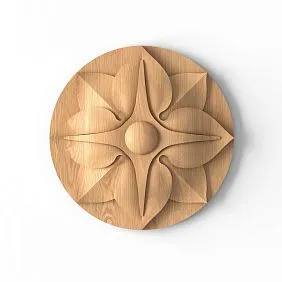

Rosette as the Center of Ceiling Composition
The ceiling rosette performs several functions simultaneously. Practical function - concealing the chandelier mounting point, hiding wiring, creating a neat suspension node. Decorative function - creating a visual center of the ceiling, an accent that attracts attention. Architectural function - structuring the ceiling plane, creating scale and proportions.
polyurethane rosettesThe chandeliers are presented in a vast variety of forms, sizes, and ornaments. Classic round rosettes with radial symmetry are the most common variant. The center of the rosette usually has a hook hole for the chandelier, surrounded by concentric circles of ornamentation. Petals, leaves, and flowers radiate outward from the center like sun rays.
The size of the rosette is determined by the proportions of the room and the dimensions of the chandelier. For standard apartments with ceilings 2.7-3 meters high, rosettes with a diameter of 40-60 cm are optimal. They are sufficiently expressive to create an accent, yet do not overwhelm the space. High ceilings 3.5-4.5 meters require larger rosettes with a diameter of 70-120 cm, capable of balancing the room's volume.
Rosette ornamentation reflects the style of the era. Classical rosettes have strict geometry with Ionic, ovals, palmettes. Baroque rosettes are lavish and asymmetrical, with abundant scrolls and cartouches. Empire rosettes include laurel wreaths, stars, military symbols. Modern rosettes create smooth floral compositions with stylized irises and lilies.
The depth of the rosette relief affects the play of light and shadow. Flat rosettes with shallow relief (5-10 mm) create a delicate effect, noticeable under side lighting. Deep-relief rosettes with protrusions (15-25 mm) form expressive light-and-shadow play, especially effective under directional chandelier light.
The placement of the rosette is determined by the center of the room or the compositional center of the zone. In rectangular rooms, the rosette is placed at the intersection of diagonals. In rooms of complex shapes or with zonal lighting, rosettes may be shifted toward specific functional zones - above the dining table, in the living room's lounge area.
The number of rosettes depends on the size and function of the room. A small bedroom is content with one central rosette. A spacious living room may have several rosettes - a large central one under the main chandelier and smaller ones under additional lights. A long corridor is adorned with several identical rosettes, creating a rhythmic structure.
The composition of the rosette with other ceiling elements creates complex decorative systems. The rosette may be framed by square or round molding. Radial moldings may radiate from the rosette to the room's corners, creating a radial composition. Concentric circles of molding around the rosette enhance centripetal movement.
The visual weight of the rosette should correspond to the weight of the chandelier. A massive multi-tiered chandelier requires a large, expressive rosette capable of balancing the lighting fixture. An elegant, lightweight chandelier harmonizes with a delicate rosette of medium size. Disproportion creates visual discomfort - a large rosette overwhelms a small chandelier, a small rosette disappears under a heavy fixture.
The rosette color is traditionally white, emphasizing relief and creating a classic look. However, other solutions are possible - painting to match the ceiling color makes the rosette a subtle texture element. Contrasting colors - gold, silver, colored - transform the rosette into an active accent. Patination creates an antique effect.
Rosette installation requires precise centering. Even the slightest deviation from the center will be noticeable and create a sense of imbalance. Professionals use laser levels to determine the exact center of the ceiling. After marking, the rosette is glued with a special polyurethane adhesive, ensuring reliable adhesion to any type of ceiling.




Polyurethane - Ideal Shape and Easy Installation
Polyurethane ceiling rosettesare produced by molding, ensuring perfect repeatability of details and mathematical symmetry accuracy. Each petal is absolutely identical to its neighbors, radial axes are maintained with precision to the degree, concentric circles have correct geometry. This perfection of form corresponds to classical ideals of harmony.
Material lightness is critically important for ceiling decoration. A 60 cm diameter rosette weighs only 400-700 grams compared to 3-5 kilograms of a wooden equivalent. This simplifies installation, eliminates the risk of collapse, and does not create load on the ceiling structure. One person can easily install a rosette without helpers, using a standard ladder.
Polyurethane's moisture resistance allows using rosettes in rooms with high humidity. Bathrooms, kitchens, pools can be decorated without concern - the material does not absorb moisture, does not swell, does not deform. Water absorption coefficient less than one percent ensures shape stability under any conditions.
The high density of modern polyurethane ensures durability. The material does not crack due to temperature fluctuations, does not crumble over time, and retains relief clarity for decades. Quality rosettes serve 30-50 years without losing aesthetic qualities, requiring no renewal or restoration.
The variety of forms is impressive. Manufacturers offer hundreds of models — from miniature rosettes with a 20 cm diameter for small fixtures to large-scale compositions with a 150 cm diameter for palace interiors. Ornaments reproduce all historical styles — from strict classicism to lavish baroque.
The ability to paint opens up unlimited color solutions. Polyurethane accepts any interior paints — acrylic, latex, alkyd. Classic white color is universal and highlights the relief. Painting to match the ceiling creates monochromatic elegance. Gilding, silvering, patination form luxurious accents.
The cost of polyurethane rosettes is democratic. Medium-sized items cost from 800 to 3000 rubles, making decoration accessible to a wide audience. Complex large rosettes reach 5000-8000 rubles, but remain significantly cheaper than carved wooden counterparts. Savings allow decorating all rooms in the house without substantial expenses.
Installation of polyurethane rosettes is simple and accessible for self-execution. The back of the rosette is treated with a special polyurethane adhesive — usually a polyurethane or acrylic compound with high adhesion. The adhesive is applied around the perimeter and crosswise to ensure even load distribution.
The rosette is pressed against the ceiling and held for several seconds. The lightness of the material does not require prolonged fixation or additional screwing. After the adhesive dries, the rosette holds for decades, withstanding vibrations from foot traffic on upper floors and thermal expansion of ceiling structures.
Precision in dimensions simplifies work. The central hole of the rosette has a standard diameter of 50-80 mm, ideally suited for most ceiling hooks. If needed, the hole can easily be expanded with a sharp knife. The outer diameter matches the specified size to the millimeter, which is important when designing compositions.
Combining several elements creates complex compositions. A central large rosette is complemented by four smaller ones at the corners of the room. An oval rosette above a dining table is supported by round rosettes above consoles. Such compositions transform the ceiling into an independent piece of decorative art.
Our factory also produces:


Wood — natural texture and depth
Wooden elements on the ceiling create a sense of solidity and connection with nature.Solid wood moldingsThey possess a unique natural texture, where each element is individual due to the pattern of growth rings and direction of fibers. This living surface contrasts with the perfect smoothness of polyurethane.
The tactile appeal of wood is important even for ceiling elements out of reach. The visual sense of materiality, weight, and naturalness creates psychological comfort. Humans subconsciously interpret material characteristics, and natural wood is perceived as noble and valuable.
The depth of wood color creates visual complexity. Oak with its rich honey or dark chocolate tones, walnut with noble brown-purple hues, ash with contrasting light texture — each species tells its own story. Transparent oil or lacquer finish highlights the natural beauty.
The strength of wooden moldings ensures the longevity of structures. Hardwood species — oak, beech, ash — serve for centuries without losing shape or strength. Wooden beams on the ceiling, framed by moldings, withstand significant loads, creating not only decorative but also structural elements.
The possibility of carving transforms wooden moldings into artistic works. Carved ornamentation along the molding creates a richness of detail unavailable to polyurethane. Vegetal motifs, geometric patterns, classical Ionic and Ogee profiles are carved with depth and plasticity, creating expressive play of light and shadow.
The restorative value of wood allows restoring damaged areas. Scratches are sanded, chips are filled with wood putty, wear marks are touched up. A wooden molding can be restored multiple times, each time returning to its original appearance. This is especially important for historical interiors.
The prestige of natural wood creates special value for interiors. The presence of wooden elements on the ceiling indicates the status and taste of the owners, their commitment to quality traditions. This is an investment not only in beauty but also in the reputational aspect of the home.
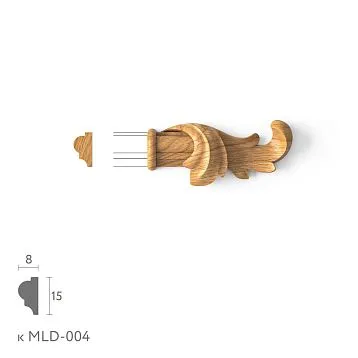
The variety of wooden molding profiles allows creating different architectural effects. Simple rectangular sections suit minimalist interiors. Complex shaped profiles with ogee and fluting are characteristic of classical styles. Combining several profiles creates multi-level compositions.
The ecological nature of natural wood is especially important for living spaces. Wood does not emit harmful substances, regulates air humidity, creates a healthy microclimate. In bedrooms and children’s rooms, using wooden elements is a conscious choice for family health.
Custom manufacturing allows creating unique elements. Wooden moldings with original carving, non-standard sizes and profiles transform the ceiling into an exclusive artwork. Such elements become family heirlooms, passed down through generations.
Combining different species in one composition creates interesting effects. Light ash beams with dark oak moldings form a contrasting structure. Inlaying with different species creates picturesque panels on ceiling coffers. These techniques are unavailable for synthetic materials.
Get Consultation
How to combine ceiling moldings and wooden inserts
Harmonious combination of polyurethane and wood on the ceiling requires understanding of composition principles and functional distribution of materials. Each material should perform where its advantages are most needed, creating an optimal balance of aesthetics and practicality.
Zonal distribution — the main principle of combining.Polyurethane ceiling rosettesThey occupy central positions, framing chandeliers and fixtures. Their lightness and moisture resistance are optimal for these functions. Wooden moldings frame the room perimeter, create coffered structures, and form beam constructions.
Proportional correspondence ensures visual harmony. A large polyurethane rosette with a 80-100 cm diameter requires proportionally sized wooden moldings with a width of 100-150 mm. An elegant rosette of 40-50 cm harmonizes with slender moldings of 60-80 mm. Disproportion between elements creates visual imbalance.
Stylistic unity is critically important. A classical rosette with Ionic and palmette motifs combines with wooden moldings of classical profiles — with ogee, quarter-rounds, fluting. A baroque ornate rosette requires rich carved wooden elements. A modern minimalist rosette harmonizes with simple rectangular moldings.
Color integration unifies different materials. A white polyurethane rosette combines with wooden moldings in natural color, creating a classic contrast. A rosette painted to match wood visually blends with wooden elements. Monochromatic white painting of all elements creates unity while preserving textural differences.
Functional division determines material choice for specific elements. Central decorative elements — rosettes, inserts — are made of lightweight polyurethane. Load-bearing and framing structures — beams, cornices, perimeter moldings — are made of strong wood. This distribution optimizes loads and cost.
Rhythmic interaction creates visual music on the ceiling. A central polyurethane rosette is surrounded by a square frame of wooden moldings. Wooden beams extend from the corners of the frame to the room’s corners. At the points of beam intersections — small polyurethane rosettes. This rhythmic structure organizes a large ceiling.
Cove ceilings are a classic example of material combination. The cove frames are made of wooden moldings, creating a sturdy structure. Inside each cove is a polyurethane rosette or insert, adding decorative detail without increasing weight. The combination of heavy wood around the perimeter and light polyurethane in the center is optimal.
Beam structures combine massive wooden beams with polyurethane decorative elements. The beams themselves, made of solid oak or pine, form the structural base. The ends of the beams are adorned with polyurethane inserts—brackets, capitals, carved elements. The side surfaces of the beams may be framed with polyurethane moldings.
The perimeter framing of the ceiling is traditionally wooden. A wooden cornice around the perimeter creates a sturdy structure, visually separating the ceiling from the walls. The central part of the ceiling is decorated with polyurethane elements—rosettes, moldings, coves. This classic arrangement works in most interiors.
Corner zones require special attention when combining materials. Joints of wooden moldings at corners are mitered at 45 degrees, creating a neat connection. Polyurethane elements in corners may have special corner details. When combining materials, it is important that transitions between materials are logical and aesthetically pleasing.
Modern interiors allow bold combinations. Rough wooden beams in a loft style are complemented by elegant polyurethane rosettes, creating an eclectic contrast. Minimalist wooden strips on the ceiling are paired with a single central polyurethane rosette of strict geometry. These combinations require a refined sense of proportion.
Color techniques and patination
The color solution for ceiling decoration determines its role in the interior. A monochromatic white strategy is a classic choice for combining polyurethane and wooden elements. All elements are painted white—rosettes remain white after production, wooden moldings are coated with white enamel. Differences are erased, leaving only the play of relief and texture.
The choice of white shade is critical. Cold Arctic white creates freshness and modernity. Warm cream white forms a cozy, classic atmosphere. Both materials must be painted in the same shade; otherwise, the difference will be noticeable and create a visual dissonance.
The contrasting strategy uses white polyurethane with natural wood tones.Rosettes in whitecreate light accents against warm wooden moldings in honey, walnut, or chocolate tones. This contrast highlights the difference in materials, making the composition expressive.
The imitation strategy paints polyurethane to resemble wood. Special painting techniques reproduce the texture and color of wood. A well-executed imitation visually unifies materials. A rosette imitating oak against oak moldings creates an illusion of monolithic unity despite material differences.
Patination is a technique of artificial aging, unifying different materials under a common aesthetic. A base white or cream layer is covered with a thin layer of patina—gold, silver, bronze, or colored. Patina partially wears off on raised parts of the relief, remaining in recesses. The effect of noble antiquity is equally applicable to polyurethane and wood.
Gold patina creates palace opulence. A white rosette with gold patina in recesses of ornament combines with white wooden moldings, also patinated with gold. The play of golden highlights on the relief under chandelier light creates a festive atmosphere. Such a solution is typical for grand reception rooms and dining rooms.
Silver patina forms a cold elegance. Silver highlights on a white background evoke associations with winter frost and moonlight. This palette suits bedrooms, boudoirs, and rooms with northern orientation. Silver is less active than gold, creating a calmer atmosphere.
Bronze patina with a greenish oxidation tone imitates antique metal. It creates an impression of antiquity and museum value. Bronze accents on a cream background are characteristic of libraries, offices, and rooms with historical character.
Colored patina is a bold solution for eclectic interiors. Blue, green, or pink patina in recesses of relief on a white background creates a playful decorative effect. Such solutions suit children's rooms, creative workshops, and spaces with non-standard aesthetics.
Gradient coloring creates a smooth color transition. The central rosette is painted in a light tone, while perimeter moldings are in a darker shade of the same color. This gradient visually lifts the ceiling, creating a sense of depth. The technique requires professional execution.
Accent gilding highlights specific elements of the composition. The main mass of decoration is white, but central parts of rosettes, molding capitals, and carved details are coated with leaf gold or gold paint. These accents attract attention, creating a visual hierarchy among elements.
The dry brush technique creates an effect of wear. The base color is dark, and a light paint is applied almost dry with a brush, touching only raised parts of the relief. It creates the impression that the decoration has worn over time. This technique unifies polyurethane and wood under a common vintage aesthetic.
Examples of STAVROS interiors
A grand reception room of 50 square meters with a ceiling height of 3.8 meters demonstrates a classic combination of materials. The ceiling is adorned with a centralpolyurethane rosettewith a diameter of 100 cm featuring an ornate acanthus leaf pattern. The rosette is painted white with gold patina in the recesses.
The perimeter of the ceiling is framedwith wooden corniceswith solid oak of 200 mm width. The cornice has a complex profile with fluting and rounded edges. The wood is coated with white enamel with gold patina, harmonizing with the rosette. The combination of a light polyurethane rosette in the center and a massive wooden frame creates balance.
The central part of the ceiling is divided into nine square coves by wooden beams of 120x80 mm section. Beams made of solid oak are painted white. In the center of each cove is a smallpolyurethane rosettewith a diameter of 35 cm, creating a rhythmic structure. The composition unites the strength of wood and the lightness of polyurethane.
A 30-square-meter room in English style uses a restrained combination of materials. The 3.2-meter-high ceiling features a central polyurethane rose with a 60 cm diameter and strict geometric shape. The rose is painted in a cream color, harmonizing with the overall room palette.
The ceiling perimeter is framed by a wooden cornice made of 150 mm wide walnut solid wood. The dark noble tone of the walnut creates a contrast with the light rosette. The cornice is coated with a semi-gloss lacquer, highlighting the wood texture. The central part of the ceiling is divided into sixteen coffers by wooden moldings of smaller section.
The 28-square-meter bedroom demonstrates a delicate combination of materials. The 3.0-meter-high ceiling is adorned with a small polyurethane rosette with a 50 cm diameter featuring botanical ornamentation. The rosette is painted in cream-white with a silver patina, creating a gentle shimmer.
The ceiling perimeter is framed by a wooden cornice made of 120 mm wide birch solid wood. The birch is painted white with a slight cream tone, matching the rosette. A unified color unites the materials while preserving textural differences. The silver patina repeats on the cornice, creating visual connections.
The 35-square-meter dining room in classic style combines white polyurethane with natural wood. The central rosette with a 90 cm diameter frames a crystal chandelier. The snow-white rosette with gold accents creates a grandeur. The ceiling perimeter is framed by a cornice made of solid redwood, coated with transparent lacquer.
The contrast between the white rosette and dark redwood creates graphic expressiveness. Four wooden beams extend from the center to the corners, visually supporting the rosette. Beams made of the same redwood create a radial composition. At the points where beams intersect the cornice, polyurethane consoles are installed, painted to match the wood.
The 40-square-meter library uses a rich combination of materials. The ceiling is divided into coffers by wooden beams made of dark-stained solid oak. The coffer frames are executed with wooden moldings featuring carved ornamentation. In the center of each coffer is a polyurethane rosette painted to match the oak.
The central rosette with a 80 cm diameter has a more complex ornament and is painted with a gold patina. The perimeter rosettes of smaller size are painted identically to the frames. This distribution creates a visual hierarchy — the main zone above the library's center is emphasized, while other zones support the composition.
The hallway uses a practical combination of materials. The 2.7-meter-high ceiling has a simple polyurethane rosette with a 40 cm diameter in geometric shape. The rosette is painted white. The perimeter is framed by a wooden cornice made of oak, also painted white. A unified color and simplicity of forms create modern classicism.
New interpretation of eternal classical principles
Combinationceiling fixtures made of polyurethaneandof wooden moldingsModern technologies have expanded decorating possibilities without abandoning the laws of harmony and proportion. The lightness of polyurethane complements the weight of wood, the precision of molding combines with the individuality of natural material.
Functional distribution of materials optimizes the balance between aesthetics and practicality.Polyurethane DecorPolyurethane is used where lightness, moisture resistance, and precision repetition are required — central rosettes, decorative inserts. Wood is placed where its strength, natural beauty, and prestige are needed — perimeter cornices, load-bearing beams, carved elements.
Color unity unites different materials into a cohesive composition. Monochromatic white solutions create classic elegance. Contrasting combinations of white polyurethane and natural wood form expressiveness. Patination adds antique nobility. Imitation visually unites materials while preserving functional differences.
Economic rationality makes beauty accessible. The use of expensive wood is concentrated in key structural elements — cornices, beams. Polyurethane covers decorative needs without compromising quality. This distribution allows creating luxurious interiors within a reasonable budget.
The longevity of a properly designed ceiling is measured in decades. High-quality polyurethane retains its shape and color for 30-50 years. Wooden elements made of hardwoods serve for centuries. The possibility of restoration and repainting extends the life of the decor indefinitely.
The versatility of application allows implementing any stylistic concepts. Strict classicism, lavish baroque, refined modernism, contemporary neoclassicism — all historical styles find their embodiment through the combination of polyurethane and wood. By changing proportions, shapes, and colors, an infinite variety of solutions is created.
Company STAVROS offers a full range of elements for creating harmonious ceilings.ceiling rosettesThey include hundreds of models of various sizes and styles.Wooden moldingsMade from solid oak, ash, walnut, they are available in a wide variety of profiles.
Professional consultants will help select the optimal combination of elements for a specific project. Considering ceiling height, room area, interior style, budget, specialists will create a harmonious composition. Custom manufacturing of wooden elements opens up limitless possibilities.
Classicism in a new interpretation — this is a philosophy uniting traditions and innovations. WhenPolyurethane Rosettesthey are supplementedwooden moldingsa harmonious space is born, where the ceiling ceases to be an overlooked plane and becomes a full-fledged element of interior composition, creating the character and mood of the home.