Article Contents:
- Kitchen Specifics: Challenges and Solutions
- Aggressive Operating Environment
- Modern Kitchens' Multifunctionality
- Engineering Solutions for Kitchen Table Bases
- Structural Features of Kitchen Frames
- Materials for Extreme Conditions
- Ergonomics of kitchen space
- Height Parameters for Different Tasks
- Spatial organization
- Stylistic Solutions for Kitchen Interiors
- Classic Kitchens: Timeless Values
- Modern Kitchens: Functionality and Style
- Scandinavian style: Comfort and practicality
- Production innovations
- Digital Technologies in Furniture Production
- Ecologically clean production
- Installation and Integration into the Kitchen
- Professional Installation of Kitchen Table Bases
- Integration with Kitchen Systems
- Maintenance and Care in Kitchen Conditions
- Specifics of Care for Kitchen Furniture
- Restoration and repair
- Modern Trends and Innovations
- Smart Technologies in Kitchen Furniture
- Ecological trends
- Customization and personalization
- Economic aspects of selection
- Cost of Ownership Analysis
- Market Segmentation of Kitchen Table Bases
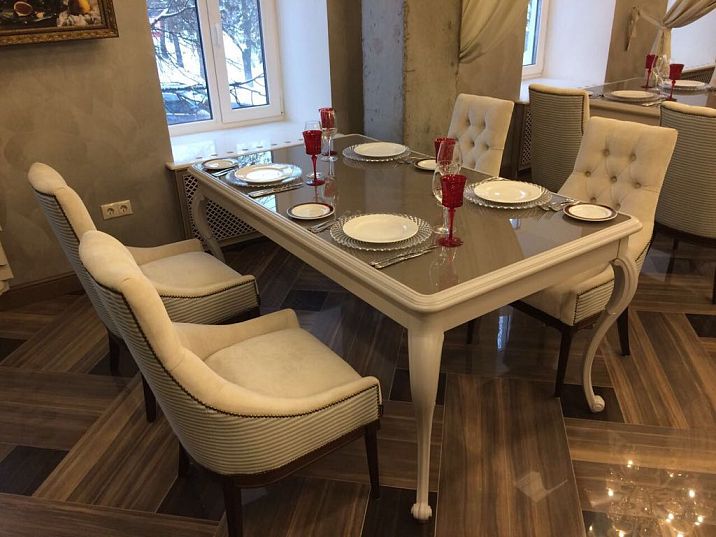
The kitchen is the heart of every home, the place where culinary masterpieces are born and families gather for heartfelt conversations. In this sacred space, every detail matters, and especially important is Table Base for Kitchen Table — that fundamental element which determines not only the functionality but also the aesthetics of the entire kitchen space.
Why do experienced designers and caring housewives pay such close attention to choosing a kitchen table base? The answer lies in understanding that a kitchen table is not just a surface for food preparation; it is a multifunctional center of activity that must withstand daily loads, humidity, temperature fluctuations, and yet maintain an impeccable appearance for years.
A modern kitchen table base combines engineering thought, artistic vision, and practical utility. It is the result of decades of research in materials science, ergonomics, and industrial design. Every structural element is calculated with mathematical precision, yet it is not devoid of soul and character that make the kitchen truly home-like.


Kitchen Specifics: Challenges and Solutions




Aggressive Operating Environment
The kitchen imposes special requirements on furniture. High humidity from cooking, temperature fluctuations from operating stoves and ovens, and exposure to grease and acids — all this creates extreme conditions for furniture structures.
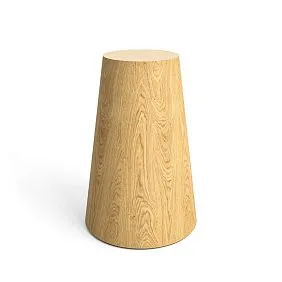
kitchen base It must withstand these adverse factors while maintaining structural integrity and aesthetic qualities. That is why special materials and technologies adapted to kitchen conditions are used in design.
Features of the kitchen environment:
- Humidity up to 80-90% during cooking
- Temperature fluctuations from +5°C to +40°C
- Effect of food acids and alkalis
- Frequent mechanical loads
- Need for regular wet cleaning
Our factory also produces:


Multifunctionality of modern kitchens
Modern kitchen is not only a place for food preparation. Here people work, study, communicate, and host guests. The base must adapt to various usage scenarios, ensuring comfort in any situation.
Kitchen table usage scenarios:
- Work surface for food preparation
- Dining area for quick snacks
- Home office for document work
- Creative space for children's activities
- Bar counter for informal communication
Get Consultation
Engineering solutions for kitchen bases
Structural features of kitchen frames
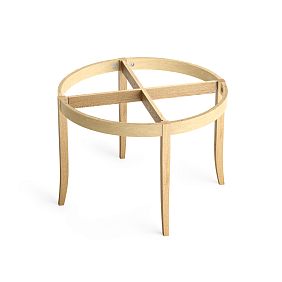
Kitchen bases have a number of structural features that distinguish them from furniture for other rooms. These differences are due to the specific requirements of kitchen space.
Enhanced load-bearing capacity
Kitchen tables are subjected to significant loads — heavy dishes, food, appliances. Standard bases must withstand a distributed load of up to 150 kg/m² and point loads up to 50 kg without deformation.
Special treatment of joints
All connection nodes are protected from moisture using special sealants and water-resistant adhesives. Metal elements are coated with anti-corrosion compounds with enhanced resistance to food acids.
Adjustable legs
Kitchen floors often have unevenness due to utilities and layout features. Adjustable legs allow compensation for height differences up to 20 mm and ensure perfect horizontal alignment of the countertop.
Materials for extreme conditions
Moisture-resistant wood species
Wood species with low hygroscopicity and high biostability are used for kitchen bases:
- Teak — natural oiliness provides water resistance
- Oak — high tannin content protects against microorganisms
- Thermally modified ash — treatment reduces hygroscopicity by 70%
- Larch — natural resins create an antiseptic effect
High-resistance protective coatings
Kitchen conditions require special protective coatings:
- Two-component polyurethane varnishes — chemical resistance to household chemicals
- Epoxy compositions — absolute waterproofing
- Wax-based oils — deep penetration and self-repair
- Ceramic coatings — maximum wear resistance
Kitchen space ergonomics
Height parameters for different tasks
Universal kitchen table height — a conceptual term. Optimal dimensions depend on user height and primary surface purpose.
Food preparation work zone
- For height 160-165 cm: height 85 cm
- For height 165-175 cm: height 90 cm
- For height 175-185 cm: height 95 cm
Dining zone
- Standard height: 75-76 cm
- For tall individuals: 78-80 cm
- For children: adjustable options
Bar zone
- Standard height: 105-110 cm
- Intermediate height: 90-95 cm
- With adjustment: range 75-110 cm
Spatial organization
Proper placement of supports critically affects kitchen space functionality. The base should ensure free movement and ease of use.
Free access zones
- Minimum distance from leg to countertop edge: 60 cm
- Passage between legs: at least 80 cm
- Under-table leg space: depth 40 cm, height 65 cm
Integration with kitchen furniture
- Compatibility with floor cabinet height
- Option to install under a single countertop
- Hidden placement of communications
Stylistic solutions for kitchen interiors
Classic kitchens: timeless values
In classic kitchen interiors, the base serves as a connecting element between traditional forms and modern functionality. Time-tested solutions are used with modern adaptations.
Characteristic features of classic bases:
- Symmetrical proportions
- Molded or carved elements
- Exotic Woods
- Subdued color palette
- Traditional joining methods
Materials and finish:
- Solid oak, ash, beech
- Toning in classic shades
- Patina for an antique effect
- Matte lacquer finishes
Modern kitchens: functionality and style
Modern kitchen design implies maximum functionality with minimal decorative elements. Base cabinets are characterized by clean lines and high-tech solutions.
Principles of modern design:
- Geometric forms
- Technology integration
- Multi-Functional Elements
- Innovative materials
- Hidden storage systems
Technological solutions:
- Built-in USB outlets for charging
- Hidden LED lighting for work zones
- Height adjustment mechanisms
- Integrated storage systems
Scandinavian style: Comfort and practicality
Scandinavian philosophy of kitchen design is based on creating a cozy, functional space using natural materials and light tones.
Features of Scandinavian base cabinets:
- Light wood species
- Simple, yet elegant forms
- Natural material texture
- Ecological coatings
- Maximum functionality
Production innovations
Digital technologies in furniture manufacturing
Modern kitchen base cabinet production is unthinkable without digital technologies. Computer modeling, automated design, and robotic manufacturing ensure quality unattainable by traditional methods.
Stages of digital production:
- 3D modeling — creating an accurate virtual model
- Engineering analysis — calculation of strength and deformations
- Structural optimization — search for optimal parameters
- CNC machine programming — automation of processing
- Quality control — laser scanning of finished parts
Advantages of digital technologies:
- Manufacturing accuracy ±0.1 mm
- Parameter repeatability in series
- Minimization of material waste
- Ability to create complex shapes
- Rapid prototyping of new models
Ecologically clean production
Modern kitchen furniture manufacturers are increasingly paying attention to ecological aspects. This applies not only to the materials used, but to the entire production cycle.
Environmental initiatives:
- FSC-certified wood
- Formaldehyde-free adhesives and coatings
- Closed water treatment cycle
- Wood waste recycling
- Solar energy for production
Installation and integration into the kitchen
Professional installation of kitchen base cabinets
Installation kitchen base cabinet requires a professional approach and consideration of the specifics of the kitchen space. Incorrect installation may lead to problems with functionality and longevity.
Preparation works:
- Checking floor level with a laser level
- Marking locations for installing utilities
- Preparing mounting holes
- Protecting surrounding surfaces
Installation sequence:
- Installation and leveling of support elements
- Mounting vertical posts with geometry check
- Installation of horizontal connections
- Connecting built-in systems (electricity, lighting)
- Mounting countertop with gaskets
- Final adjustment and testing
Integration with kitchen systems
Modern kitchens are complex technological systems. The base cabinet must organically integrate with other kitchen equipment elements.
Integration systems:
- Unified height with base cabinets
- Through countertops with work zones
- Hidden electrical cable routing
- Integration with ventilation ducts
- Synchronization with work zone lighting
Maintenance and care in kitchen conditions
Specific care for kitchen furniture
Kitchen furniture is subjected to more intensive use than furniture in other rooms. This requires a special approach to care and maintenance.
Daily care:
- Removal of dirt immediately upon appearance
- Use of special cleaning agents
- Protection from hot items
- Regular disinfection of surfaces
Weekly maintenance:
- Thorough cleaning of hard-to-reach areas
- Checking the condition of protective coating
- Treatment with special care products
- Checking tightness of connections
Seasonal maintenance:
- Deep cleaning of all structural elements
- Updating protective coatings
- Mechanism adjustment
- Preventive replacement of consumables
Restoration and repair
Even high-quality kitchen furniture may require restoration over time. It is important to promptly identify problems and take measures to resolve them.
Typical problems and solutions:
Loss of finish gloss
- Cause: natural wear from frequent cleaning
- Solution: polishing and refreshing the finish layer
Wood swelling
- Cause: high humidity, damage to coating
- Solution: drying, restoration of protective layer
Loosening of connections
- Cause: thermal deformations, wear of fasteners
- Solution: tightening or replacing connecting elements
Appearance of stains
- Cause: exposure to acids, oils, dyes
- Solution: local grinding and restoration of coating
Modern trends and innovations
Smart technologies in kitchen furniture
Digitalization affects all aspects of life, including kitchen furniture. Modern base units are equipped with intelligent systems that enhance comfort and functionality.
Innovative features:
- Automatic height adjustment
- Built-in scales for portion control
- Induction heating of work zones
- Touch control of lighting
- Air quality monitoring
Smart home systems:
- Integration with voice assistants
- Remote control via mobile apps
- Automatic lighting and ventilation scenarios
- Synchronization with kitchen appliances
- Space usage analytics
Ecological trends
Consumer eco-consciousness stimulates the development of "green" technologies in the furniture industry. Manufacturers implement innovative solutions to reduce environmental impact.
Ecological innovations:
- Biodegradable protective coatings
- Wood from fast-growing species
- Recycling old furniture into new products
- Carbon-neutral production
- Packaging from recycled materials
Customization and personalization
Mass production is giving way to individualized approaches. Modern technologies allow creating unique Bases for kitchen tablesthat fully match the specific needs of the user.
Personalization options:
- Custom sizes to kitchen parameters
- Choice of wood species from an extensive catalog
- Personal design of decorative elements
- Integration of family symbols or logos
- Adaptation to the user's health specifics
Economic aspects of selection
Analysis of ownership cost
When choosing a kitchen base, it is important to consider not only the initial cost but also the total expenses over the product's entire lifespan.
Factors affecting cost:
Initial costs:
- Cost of materials and production
- Transportation and delivery
- Installation and setup of the system
- Additional options and accessories
Operational expenses:
- Regular Maintenance and Care
- Replacement of consumable materials
- Preventive Maintenance
- Energy consumption of built-in systems
Hidden benefits of a quality base:
- Increase in property value
- Time savings on cleaning and maintenance
- Reduced costs for replacing furniture
- Improved comfort and productivity
Market segmentation of kitchen bases
The kitchen furniture market offers solutions for various budgets and needs. Understanding the specifics of each segment helps make an informed choice.
Economy segment (up to 30,000 rubles)
- Materials: MDF, particle board, veneer
- Production: mass-produced, automated
- Service life: 5-8 years
- Warranty: 1-2 years
Mid-range segment (30,000 - 80,000 rubles)
- Materials: pine, birch, partially oak
- Production: semi-automatic with manual finishing
- Service life: 10-15 years
- Warranty: 3-5 years
Premium segment (80,000 - 200,000 rubles)
- Materials: oak, beech, walnut, exotic species
- Production: handmade, individual approach
- Service life: 25+ years
- Warranty: 5-10 years
Luxury segment (from 200,000 rubles)
- Materials: exclusive species, original design
- Production: fully handmade by master craftsmen
- Service life: 50+ years, inheritance
- Warranty: lifetime support
Choice of quality Kitchen table base This is a solution that determines the comfort and functionality of the kitchen space for many years. In an era of rapidly changing trends and technologies, it is important to find a balance between innovations and time-tested solutions.
Modern kitchen bases are high-tech products where every detail is thoughtfully designed with the specifics of the kitchen environment in mind. They must withstand extreme operating conditions, provide maximum functionality, and at the same time harmoniously blend into the overall interior design.
Investing in a quality base is investing in quality of life. A properly chosen structure will serve for decades, creating comfortable conditions for culinary creativity, family breakfasts, and friendly gatherings. This is a case where saving money may result in additional expenses in the future.
STAVROS Company embodies decades of experience in creating premium kitchen furniture. Understanding the specifics of the kitchen environment and the requirements of modern consumers, STAVROS masters create bases perfectly adapted to Russian operating conditions. Every STAVROS product is the result of careful material selection, application of advanced technologies, and strict quality control. Choosing STAVROS products means you are not just getting furniture, but a reliable partner in creating an ideal kitchen space, where functionality combines with impeccable style, and quality is proven by years of flawless service.