Article Contents:
- History and origin of flat balusters
- From protection to art: evolution of flat balusters
- Distinctive features of Slavic tradition
- Anatomy of a flat baluster: structure and features
- Materials: traditions and innovations
- Typology of flat balusters
- Materials for manufacturing flat balusters
- The nobility of wood: tree species for flat balusters
- Modern alternatives: composite materials
- Functional advantages of flat balusters
- Constructive advantages
- Aesthetic advantages
- Technical aspects of selecting and installing flat balusters
- Calculating parameters and quantity of balusters
- Technology of installing flat balusters
- Design solutions using flat balusters
- Traditional Russian motifs
- Modern Interpretations
- Combined Solutions
- Applications of flat balusters
- Stair railings: functionality and safety
- Terraces and verandas: protection and decoration
- Decorative interior elements: from partitions to furniture
- Maintenance and care of flat balusters
- Protective coatings: from lacquer to wax-based compositions
- Regular Maintenance: Extending Service Life
- Economic aspects of choosing flat balusters
- Price-to-quality ratio: what to pay attention to
- Long-term benefits of investing in quality items
- Trends and innovations in flat baluster design
- Modern manufacturing technologies
- Eco approach: sustainable development in design
- Conclusion: flat balusters as an expression of individuality and style
Have you ever wondered why some interiors instantly capture your attention, making you admire every detail? The secret lies in the harmonious combination of functionality and aesthetics, where even the most inconspicuous elements play a key role in creating a cohesive image. Among such architectural gems, special place is occupied by Flat balusters a unique Slavic invention that has transformed homes for centuries, giving them an unmistakable character and individuality.
Imagine: you ascend a wooden staircase, and your gaze involuntarily stops on the elegant carved elements of the railing. These flat decorative details do not merely protect against falling—they tell a story, create an atmosphere, and highlight the homeowner's status. Or perhaps you admire the delicate veranda railing, where each element is a work of art, embodying craftsmanship and tradition.
In this article, we will delve into the wonderful world of flat balusters, uncover their history and features, analyze their advantages and technical characteristics, and share secrets for selecting and installing these unique architectural elements.




History and origin of flat balusters
If classical balusters came to us from ancient architecture, then Flat balusters this is an inherently Slavic invention reflecting the uniqueness and practicality of our ancestors.




From Protection to Art: The Evolution of Flat Balusters
Amazingly, the first flat balusters appeared not as a decorative element, but as a practical solution for protecting dwellings. According to historians, they were initially used to fence off porches—not only for safety, but also to shield against bad weather. The first samples were simple boards installed vertically with small gaps.
With the development of craftsmanship, simple boards began to be adorned with cutouts and decorative carvings. Gradually, utilitarian function took a back seat, yielding to aesthetic appeal. Masters began creating true works of art, where each baluster became part of a complex artistic composition.
Our factory also produces:



Distinctive Features of Slavic Tradition
Unlike turned balusters, which are installed individually, flat balusters were always used in sets. This allowed creating complex patterns and ornaments, where each element complemented its neighbor, forming a unified composition.
Slavic masters developed a unique technique of through-carving, which allowed creating delicate patterns resembling lace. Such railings not only protected against falls but also allowed light to pass through, creating a remarkable play of shadows.
Interestingly, in different regions of Russia, distinct styles of flat baluster decoration emerged. For example, northern masters preferred geometric patterns, while in the south, plant motifs were popular.
Get Consultation
Anatomy of a Flat Baluster: Structure and Features
To properly appreciate the uniqueness of flat balusters, it is necessary to understand their structure and constructive features.
Main Structural Elements
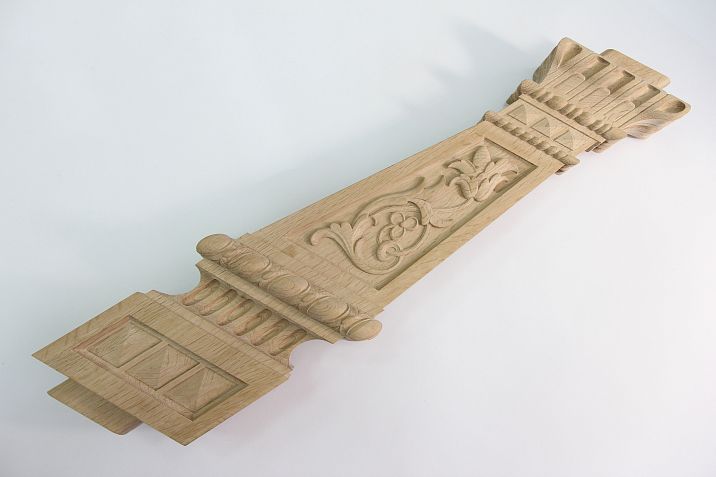
Despite their apparent simplicity, Flat balusters they have a clear structure, where each element performs a specific function:
- Support - the upper part on which handrails rest
- Central part - the most expressive zone, where decorative elements, patterns, or cutouts are located
- Base - the lower part connecting to the floor, steps, or baluster base
Each of these elements may have different shapes and decorative finishes, allowing the creation of unique compositions reflecting the individuality of the house owner.
Types of Flat Balusters
Depending on shape, decorative finish, and method of use, flat balusters can be divided into several types:
By type of decorative finish:
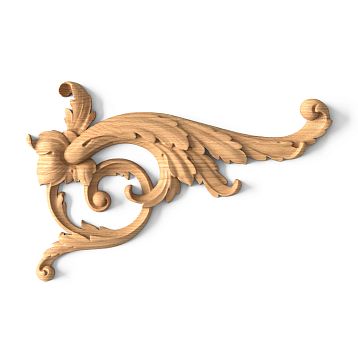
- Figurative - have complex silhouettes with curves and protrusions
- With cutouts - decorated with variously shaped through holes
- With applied carving - decorated with three-dimensional elements creating a relief pattern
By method of combined use:
- Sequential - each baluster's pattern logically continues the previous one, creating a cohesive composition
- Complementary - each subsequent baluster's shape complements the previous one
- Identical - all elements have the same shape and are installed in random order
This variety of types allows selecting the ideal solution for any interior, from classic to ultra-modern.
Materials for Manufacturing Flat Balusters
Choosing the material for manufacturing flat balusters is crucial not only for their appearance but also for durability, strength, and performance characteristics.
Wood nobility: types of wood for flat balusters
Traditionally, flat balusters are made from various types of wood, each with its own unique characteristics:
Oak - the king among wood species. Oak balusters are distinguished by exceptional strength and durability, practically unaffected by weather conditions. The noble texture and warm tone make oak products especially attractive. The only drawback is the high cost, due to the superior qualities of the material.
Larch - the optimal combination of strength and aesthetics. This species is characterized by the absence of deformation during use and has a certain resistance to ignition, making it an ideal choice for living spaces. Flat larch balusters retain their shape for decades.
Beech - a universal material for creating elegant balusters. It allows for obtaining fairly strong products that resemble more expensive wood species in appearance. Beech is easy to process, offering wide possibilities for creating complex patterns and shapes.
Ash - a resilient beauty among wood species. It withstands significant loads, is resistant to rot, but slightly inferior to oak in strength. Ash's particular attractiveness lies in its variety of color tones, enabling unique design solutions.
Spruce - an affordable solution without compromising on quality. It is characterized by ease of processing and resistance to fungal damage. It tolerates temperature fluctuations well, making it an ideal choice for outdoor structures. The only nuance is that its non-uniform structure sometimes creates difficulties when painting.
Modern alternatives: composite materials
In recent years, flat balusters made from modern composite materials have gained increasing popularity, combining the advantages of natural wood with enhanced resistance to external influences:
Wood-Plastic Composite (WPC) - an innovative material consisting of wood flour and polymer binders. WPC balusters do not rot, crack, or fade in sunlight and require no regular maintenance. At the same time, they retain the aesthetics of natural wood.
Fiber-cement - a composite material based on cement, reinforced with fibers. Fiber-cement balusters are distinguished by exceptional strength, moisture resistance, and longevity. They can imitate the texture of various wood species while retaining all the advantages of stone.
Polyurethane - a lightweight and strong material that allows creating balusters of complex shapes with fine details. Polyurethane products are resistant to moisture, ultraviolet radiation, and mechanical damage, making them ideal for outdoor use.
Functional advantages of flat balusters
Flat balusters - it is not just a decorative element, but a multifunctional solution with a range of practical advantages.
Structural advantages
Minimal weight - flat balusters are significantly lighter than their turned counterparts, simplifying transportation and installation. This is especially important during the reconstruction of old buildings, where it is necessary to minimize load on load-bearing structures.
Material economy - less wood is required to manufacture flat balusters compared to turned ones, making them more cost-effective. At the same time, their aesthetic qualities are not compromised - on the contrary, flat balusters often appear more refined and original.
Ease of installation - due to their flat shape, such balusters are easily attached to steps and railings using standard fasteners. This significantly reduces installation time and costs.
Ability to create complex compositions - the flat shape allows combining balusters of different shapes and sizes, creating unique artistic compositions. This opens up wide opportunities for design experimentation.
Aesthetic advantages
Unique visual effect - due to their flat shape and the possibility of creating openwork patterns, such balusters create a remarkable play of light and shadow that changes throughout the day depending on lighting conditions.
Wide possibilities for decoration - the flat surface is ideal for applying carved patterns, painting, or engraving. This allows creating truly unique items that reflect the owner's individuality.
Compatibility with various styles - thanks to the variety of shapes and decorative solutions, flat balusters fit organically into interiors of various styles, from traditional Russian to modern minimalism.
Technical aspects of selecting and installing flat balusters
Correct selection and installation of flat balusters - the key to their longevity and aesthetic appeal.
Calculation of parameters and quantity of balusters
When designing railings with flat balusters, several key parameters must be considered:
Height of the railing - the optimal height is 900-1000 mm from the floor or step level. This ensures safety and comfort when using stairs or terraces.
Distance between balusters - according to safety standards, gaps between balusters should not exceed 150 mm. This prevents the possibility of falling, especially if there are children in the house.
Number of balusters - calculated based on the length of the railing and the chosen spacing between elements. For reliability, it is recommended to make the end balusters more substantial.
Material thickness - for flat balusters, the optimal thickness is 20-30 mm. This ensures sufficient strength while maintaining the lightness of the structure.
Flat baluster installation technology
Installing flat balusters requires certain skills and attention to detail. The process includes the following stages:
- Surface preparation - all wooden elements must be carefully sanded and treated with protective compounds.
- Marking installation locations - it is necessary to precisely determine the position of each baluster, ensuring even spacing.
- Attachment to the lower support - depending on the construction, balusters may be attached to steps, floor, or subbaluster using dowel joints, self-tapping screws, or special fasteners.
- Connection to handrails - the upper part of the balusters is attached to the handrails, ensuring the rigidity of the entire structure.
- Final finishing - after installation, all joints are sanded, and the entire structure is coated with protective varnish or paint.
To ensure maximum reliability, it is recommended to install one baluster per step. If this is impossible due to the staircase's structural features, two balusters can be mounted per step to maintain a safe distance between elements.
Design solutions using flat balusters
Flat balusters offer unlimited opportunities for design experimentation, allowing the creation of unique interior solutions.
Traditional Russian Motifs
Historically, flat balusters are associated with traditional Russian architecture. Carved patterns inspired by folk motifs create an atmosphere of coziness and uniqueness:
Solar symbols - circles, rosettes, stars symbolizing the sun and celestial bodies bring light and warmth into the home.
Plant ornaments - stylized images of trees, flowers, leaves reflect the connection between humans and nature and symbolize vital energy.
Geometric patterns - rhombuses, squares, triangles creating rhythmic compositions fill the space with harmony and order.
Such balusters are ideal for interiors in Russian style, country, or ethnic styles, emphasizing their authenticity and creating a warm, homey atmosphere.
Modern Interpretations
Modern designers reinterpret traditional forms, creating innovative solutions that seamlessly fit current interior trends:
Minimalist lines - concise forms with minimal decorative elements create a sense of lightness and airiness, perfectly suited for modern interiors.
Abstract compositions - non-standard shapes and asymmetrical patterns become a striking accent in the interior, drawing attention and creating a dynamic space.
Eco-motifs - stylized natural forms (leaves, branches, waves) reflect the desire for naturalness and eco-friendliness, characteristic of modern design.
Such balusters become not just a functional element, but a true work of art, a central element of the interior.
Combined Solutions
Combined solutions are gaining particular popularity, where flat balusters are combined with other materials and forms:
Wood and metal - the combination of warm wood texture with cool metallic sheen creates an interesting contrast, highlighting the merits of both materials.
Carving and glass - transparent inserts of colored or frosted glass complement wooden elements, creating a play of light and color.
Flat and turned elements - alternating different types of balusters allows creating rhythmic compositions that add dynamism to the entire structure.
Such solutions allow adapting traditional forms to modern interiors, creating unique, memorable images.
Areas of application for flat balusters
The versatility and aesthetic appeal of flat balusters make them popular in various architectural and design solutions.
Staircase railings: functionality and safety
Staircases - the traditional and most common area of application for flat balusters. They not only ensure safety during ascent and descent, but also become a central element of the interior:
Straight staircases - a classic solution, where flat balusters create a rhythmic composition, emphasizing the geometry of the space.
Helical staircases - a complex form requiring a special approach to designing railings. Flat balusters can have varying widths, creating a smooth transition from one step to another.
Combined staircases - combining straight and curved sections allows creating complex compositions where each element complements the overall picture.
When designing staircase railings, special attention is paid to safety: balusters must be securely fastened, and the distance between them should not exceed established norms.
Terraces and verandas: protection and decoration
Open spaces require a special approach to railing design, which must not only protect against falls but also create a cozy atmosphere:
Lacy railings - carved flat balusters allow light and air to pass through, creating a comfortable space for relaxation.
Wind-resistant structures - closely spaced balusters with minimal gaps protect against wind and create a sense of privacy.
Decorative screens - complex compositions of flat balusters become not just railings, but true works of art, decorating the exterior of the house.
For outdoor use, material selection and protective coating are especially important, as they must ensure resistance to atmospheric influences.
Decorative interior elements: from partitions to furniture
In addition to traditional railings, flat balusters are used in various interior elements:
Decorative partitions - lacy structures made of flat balusters allow zoning of space while preserving its unity and lightness.
Furniture elements - chair backs, bed headboards, cabinet facades decorated with flat balusters acquire a unique, memorable appearance.
Decorative panels - compositions of flat balusters mounted on walls become original interior decorations, creating a play of light and shadow.
Such diverse applications make flat balusters a universal element that can be used in various design solutions.
Care and maintenance of flat balusters
Proper care of flat balusters is key to their longevity and preservation of aesthetic appeal.
Protective coatings: from lacquer to wax-based compositions
The choice of protective coating depends on the material of the balusters and the conditions of use:
Lacquers - create a durable protective film, protecting wood from moisture and mechanical damage. Modern lacquers can be matte, satin, or glossy, allowing selection of the optimal variant for a specific interior.
Oils - penetrate deeply into the wood structure, highlighting its natural beauty and protecting against internal damage. Oil-based coatings create a "breathable" surface that regulates humidity and prevents cracking.
Waxes - form a water-repellent layer that protects wood from contamination and imparts a pleasant silkiness. Wax-based coatings are especially suitable for interior balusters not subjected to heavy loads.
Combined compositions - combine the advantages of different types of coatings, providing comprehensive protection and decorative effect.
For outdoor use, special compositions with UV filters are recommended, which prevent fading and degradation of wood under sunlight.
Regular maintenance: extending lifespan
Wooden flat balusters require no complex care, but regular maintenance will help preserve their beauty and functionality:
Dust cleaning - regular wiping with a damp cloth prevents dust accumulation in carved elements and maintains an attractive appearance.
Updating protective coating - depending on the type of coating and intensity of use, it is recommended to renew the protective layer every 2-5 years.
Checking fastening elements - periodic inspection and tightening of fasteners ensure the reliability of the entire structure and prevent squeaking.
Repairing minor damage - timely sanding and treatment of scratches and chips prevent their development and maintain the aesthetic appearance of balusters.
With proper care, flat wooden balusters can serve for decades, maintaining their beauty and functionality.
Economic Aspects of Choosing Flat Balusters
When choosing balusters, it is important to consider not only their aesthetic qualities but also their economic feasibility.
Price-to-quality ratio: what to pay attention to
The cost of flat balusters depends on several factors:
Material - items made from valuable wood species (oak, beech) cost more, but they last significantly longer than balusters made from pine or spruce.
Decoration complexity - the more intricate the carving or pattern, the higher the cost of the item. However, decorative elements often become the key accent in interior design.
Method of manufacture - handcrafted items are valued higher than machine-made ones, but they also cost more accordingly.
Quality of processing - careful sanding, priming, and application of protective coatings increase the cost, but significantly extend the lifespan of the items.
When choosing, it is important to find the optimal balance between cost and quality, taking into account specific usage conditions and interior design concepts.
Long-term benefits of investing in quality items
Quality flat balusters are a long-term investment with several economic advantages:
Durability - properly manufactured and installed balusters made from quality materials can serve for decades without needing replacement.
Resistance to damage - quality items are less susceptible to mechanical damage, fading, and deformation, reducing repair and maintenance costs.
Increase in property value - aesthetically appealing and well-executed architectural details increase the market value of a house or apartment.
Energy efficiency - properly designed railings with flat balusters can contribute to natural ventilation and optimal light distribution, reducing costs for lighting and air conditioning.
Thus, investing in quality flat balusters pays off not only aesthetically but also practically in the long term.
Trends and Innovations in Flat Baluster Design
The world of design is not static, and flat balusters also evolve, reflecting modern trends and technological innovations.
Modern manufacturing technologies
The development of technologies opens new possibilities in the production of flat balusters:
CNC milling - computer modeling and automated production allow creating the most complex patterns with high precision and repeatability.
Laser cutting - a technology enabling the creation of incredibly complex and detailed lacework patterns, inaccessible through traditional hand carving.
3D printing - an innovative method that opens up limitless possibilities for creating unique shapes and textures impossible to achieve through traditional methods.
Hybrid technologies - combining handcrafting with automated production allows preserving the uniqueness of each item while reducing manufacturing costs and time.
These technologies make complex design solutions accessible, previously possible only through handcrafting by master artisans of the highest caliber.
Ecological approach: sustainable development in design
Modern design increasingly focuses on eco-friendliness and sustainable development:
Use of certified wood - material from forests where responsible forestry is practiced ensures the conservation of natural resources.
Non-toxic coatings - modern water-based protective coatings are safe for health and the environment.
Recycling - creating flat balusters from recycled materials or reclaimed wood reduces the burden on ecosystems.
Energy-efficient production technologies - modern enterprises strive to minimize energy consumption and emissions during production, making the product more eco-friendly.
An ecological approach not only reduces negative impact on the environment but also creates a healthy, harmonious atmosphere in the home.
Conclusion: Flat Balusters as an Expression of Individuality and Style
Flat balusters They are not just a functional interior element, but a true work of art reflecting cultural traditions and the individuality of the home’s owner. Their unique shape, variety of decorative solutions, and wide range of applications make them an indispensable tool in the designer’s hands.
From traditional Russian motifs to modern minimalist forms, from classic balustrades to innovative design solutions—flat balusters seamlessly integrate into various styles and concepts, creating a harmonious and cozy space.
Choosing flat balusters for your home is not just acquiring a functional element—you are investing in the beauty, comfort, and individuality of your living space. The variety of shapes, materials, and decorative solutions allows you to find the perfect option for any interior, from classic to ultra-modern.
STAVROS Company offers a wide range of high-quality flat balusters and other architectural elements that will help bring the most daring design ideas to life. Years of experience, use of premium materials, and modern technologies enable the creation of products that combine beauty, reliability, and durability.
Trust STAVROS professionals to create your unique interior — and the result will exceed all your expectations!