Article Contents:
- 1. Why oak is the ideal choice for baseboards?
- 1.1. Strength and durability
- 1.2. Stylish appearance
- 1.3. Ease of restoration
- 1.4. Eco-friendliness
- 2.1. Classic styles
- 2.2. Modern minimalism
- 2.3. Eco- or Scandinavian style
- 2.4. Loft and industrial design
- 3.1. Straight profile
- 3.2. Ornamental (classic) profile
- 3.3. Presence of cable channel
- 3.4. Type of finish
- 4.1. Wall and floor preparation
- 4.2. Mounting Methods
- 4.3. Care for oak baseboard
- 5.1. Wood grade and selection
- 5.2. Wood moisture content
- 5.3. Finish coating
- 5.4. Reputation and reviews
- 6. Price aspect and profitability
- 7. Combining oak baseboard with flooring
- 8. Design ideas with oak baseboard
- 9. Common mistakes when choosing and installing oak baseboards
- 10. Conclusion

When we think about the style and functionality of interior design, questions about choosing flooring, wall color, and furniture come first. However, it is precisely the details, which are sometimes overlooked, that often form the overall impression of a room. Such details include baseboards. Especially when it comes to natural materials, among which oak stands out particularlybaseboard oakIn this article, you will learn why oak is one of the most popular and reliable options, how to choose it properly, and what it pairs best with in interior design.


1. Why is oak the ideal choice for skirting boards?




1.1. Strength and durability
Oak is traditionally considered one of the hardest and most durable wood species. That is why it is so often used in the production of flooring and decorative elements. Oak skirting is resistant to mechanical damage, does not scratch or chip easily. Even under active use over many years, it retains its attractive appearance and structure.
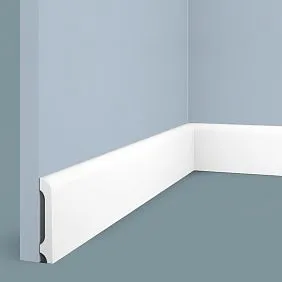
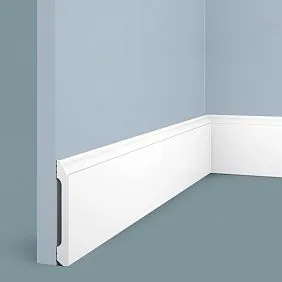
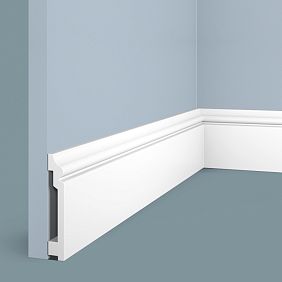
Our factory also produces:

1.2. Stylish Appearance
Oak's natural texture has a distinct grain pattern, giving the item a noble and refined look. The skirting can be made in various shades — from light beige to deep chocolate or walnut tones. This allows it to harmoniously fit into any interior: from classical and neoclassical to modern and even industrial (loft).
Get Consultation
1.3. Ease of Restoration
If minor scratches appear on the oak skirting over time, they can be carefully sanded and re-coated with varnish or oil. Unlike plastic analogs, which must be completely replaced after damage, wood can be restored. This is especially convenient if you do not plan to do another renovation in the near future.
1.4. Ecological Safety
Oak is a natural material, emitting no harmful substances and not causing allergic reactions. For many people, ecological safety has become the most important criterion when choosing finishing materials for home or office, and oak skirting undoubtedly leads here.
2. In which interiors is oak skirting appropriate?
2.1. Classical Styles
Oak wooden skirting perfectly supports an atmosphere of nobility and tradition. Such an element will highlight expensive furniture, elegant wallpaper, ceiling moldings, or a fireplace in the living room. The skirting can have a decorative profile, enhancing the overall look of a 'classic' interior and making it more aristocratic.
2.2. Modern Minimalism
You may be surprised that oak wooden skirting fits perfectly into modern styles with minimalist forms and clean lines. The key is to choose a simple profile, avoid excessive carving, and cover the skirting with transparent or semi-transparent varnish. You can also paint the oak white or another shade, while preserving the visible wood texture.
2.3. Eco- or Scandinavian Style
Scandinavian interiors love light tones and natural materials. If the floor is made of light-colored wood, oak skirting in a similar shade creates a smooth transition between the floor and the wall, visually expanding the space and emphasizing the eco-friendly design.
2.4. Loft and Industrial Design
Brick walls, metal structures, and 'raw' concrete floors contrast beautifully with wooden elements. Oak skirting can become a warm accent, softening the harsh character of the loft. It looks especially striking in dark tones or, conversely, in natural light shades, playing on the contrast with the rough texture of the walls.
3. Profile and Finish Options for Oak Skirting
3.1. Straight Profile
A simple and minimalist option, perfectly fitting into modern and minimalist solutions. Easy to mount on the wall, without overloading the interior with unnecessary details.
3.2. Decorative (Classic) Profile
Features smooth waves and recesses, adding elegance and depth to the overall appearance. Suitable for classical or neoclassical styles, as well as for those who wish to emphasize the elegance of the finish.
3.3. Cable Channel
Modern models often include a special cavity to hide wires from the internet, TV, and other devices. This is especially useful in spacious rooms with many gadgets, where neatness is crucial.
3.4. Type of Final Finish
● Varnish. Protects the surface from moisture and scratches, giving the skirting a glossy or semi-matte finish.
● Oil/Wax. Preserves the natural look of the wood, highlights the texture, and provides a 'warm' matte glow. Requires periodic renewal (every few years).
● Staining. Allows you to achieve various shades (from bleached oak to dark wenge), without hiding the beautiful wood grain pattern.
4. Installation and Secrets of Longevity for Oak Skirting
4.1. Wall and Floor Preparation
Before installation, ensure the surface is flat and clean. If you have just laid parquet or laminate, allow the finish to adapt to the room's microclimate (usually a few days) before mounting the skirting.
4.2. Mounting Methods
- Screws or nails. Classic method, securely holds the skirting board. However, the fastener heads need to be covered with putty or color-matched special caps.
- Installation with adhesive. Suitable for flat walls, keeping the decorative side of the skirting board free of holes. However, removing such a skirting board if needed will be more difficult.
- Clips. Allow for quick installation and easy removal if needed, for example, to replace wiring or clean hard-to-reach areas. It is important that the walls are sufficiently flat; otherwise, the clips may not securely fix the skirting board.
4.3. Care for oak skirting board
● Regular cleaning. Wipe the skirting board with a soft cloth or brush, removing dust and minor dirt.
● Avoid aggressive chemicals. If wet cleaning is necessary, use neutral cleaning agents and ensure no excess moisture remains on the wood.
● Scratch repair. Minor damage can be easily fixed by sanding and reapplying varnish or oil. If deep scratches appear, professional wood putty and full repainting of the area may be required.
5. How to choose the right 'oak' among many options
5.1. Wood grade and selection
Oak is available in different categories:
- Select (extra). Almost free of knots, with uniform color and texture. More expensive, but looks flawless.
- Natural. May have small knots and minor color variations, giving the product a more 'natural' and lively appearance.
- Rustic. Characterized by prominent knots, contrasting grain, and patina. Perfect for country or loft styles, where you want to emphasize the natural character of the material.
5.2. Wood moisture content
Optimal moisture content for oak during manufacturing is 8–12%. If the material is under-dried or over-dried, deformation and cracking may occur in the future. Therefore, it is advisable to choose frombaseboard oak reputable suppliers who follow proper drying technology.
5.3. Finish coating
● If you wish to choose the color or tone yourself, purchase the skirting board without finish (raw oak). Then you can stain or varnish it to your preference.
● If you are satisfied with factory finish, ask the seller what finish was used (varnish, oil, or wax) and whether this finish is suitable for your usage conditions (moisture resistance, gloss level, etc.).
5.4. Reputation and reviews
Buying skirting board is not something you want to change every year. It’s better to spend more time initially researching the market: read reviews, request samples, learn about warranties. If a company values its reputation, it provides quality products that will last a long time.
6. Price aspect and profitability
Yes, oak skirting board is usually more expensive than plastic or even some MDF models. But considering its durability and restorability, this investment pays off in the long run. Moreover, wood enhances the status of the space, which may be important for owners of luxury real estate or premium-class offices.
7. Combining oak skirting board with floor coverings
- Oak parquet or solid wood. The most obvious pair: skirting board and floor made of the same species create a harmonious ensemble. You can choose the same shade to visually 'extend' the floor, or play with contrast using a darker or lighter tone.
- Laminate. If you have quality oak laminate, an oak skirting board will reinforce the feeling of naturalness.
- Ceramic tile or tile. In modern interiors, a combination of warm wooden skirting board with strict tiles is often seen. This creates a balance between the 'coldness' of ceramics and the 'warmth' of wood.
- Carpet. A wooden skirting board can become an expressive 'frame' for soft carpeting, adding elegance to the room.
8. Design ideas with oak skirting board
● Contrast finish. With light walls and floors, choose a dark oak skirting board. This visually highlights the room’s perimeter and adds graphic appeal.
● Baseboard in wall color. If you want to make the room appear taller, paint the oak to match the wall color — the baseboard will blend in, yet still provide textural warmth.
● High baseboard. For spacious rooms and high ceilings, it’s better to choose planks from 8 to 12 cm, emphasizing the room’s status and solidity.
● Molding and crown molding. In classic interiors, oak baseboards are often paired with wooden moldings, ceiling cornices, and carved door casings. This unified design makes the interior cohesive and rich.
9. Main mistakes when choosing and installing oak baseboards
- Buying from unverified manufacturers. Low price may indicate insufficient drying of raw material or use of cheap varnishes, leading to rapid deformation.
- Incorrect calculation. If you don’t account for trimming allowance and defects, you may run short on a few baseboards. Order 5–10% more than the room’s perimeter requires.
- Mismatch with style. An overly bulky baseboard in a small room or, conversely, too modest in a spacious hall — all this disrupts proportions and spoils the impression.
- Lack of acclimatization. After purchase, allow baseboards to acclimate (1–2 days) in the room so that the wood’s temperature and humidity reach equilibrium with room conditions.
10. Conclusion
Choosingbaseboard oak This is a solution for those who value quality, aesthetics, and the natural beauty of materials. The strength of oak, its rich texture, and the possibility of varied finishes make oak baseboards a versatile tool in the hands of a designer or homeowner striving for perfection in interior design. Whether you’re creating a cozy family nook or furnishing a professional office, oak will prove a reliable and stylish companion, reflecting your taste and attention to detail.
Careful selection of wood species, baseboard profile, color, and finish will help achieve harmony, highlight the room’s strengths, and conceal possible flaws. Oak’s durability and resistance to wear more than compensate for initial costs, while its natural charm and prestige will delight the eye for years. Let your interior become a reflection of your taste, and the oak baseboard one of its main decorative elements!