Article Contents:
- Moscow specificity: when details define status
- Architectural heritage as the foundation of choice
- Climate challenges of the metropolis
- Market of wooden skirting boards in the capital: features and trends
- Structure of the Moscow market
- Logistical advantages of the capital
- Production base and technological standards
- Domestic manufacturers in the Moscow region
- Import supplies
- Architectural styles and designer preferences
- Moscow classic
- Modern Moscow
- Eclecticism and avant-garde
- Material science: wood species for Moscow conditions
- Oak — king of Moscow interiors
- Ash — northern elegance
- Beech — European tradition
- Exotic species
- Technological innovations in the capital segment
- Thermo-modification of wood
- Glued constructions
- Nanotechnology in coatings
- Integration with smart home systems
- Cable channels and communications
- Lighting systems
- Sensors and automation
- Pricing on the Moscow market
- Factors forming the price
- Seasonality of demand
- Installation in metropolitan conditions
- Features of Moscow housing stock
- Professional standards
- Suppliers and Retail Networks
- Construction Hypermarkets
- Specialized Stores
- Direct deliveries from manufacturers
- Trends in the Moscow Market
- Growing Requirements for Eco-friendliness
- Individualization and customization
- Digitalization of processes
- Impact on the Real Estate Market
- Premium Segment
- Mass Segment
- Historical Real Estate
- Ecological Aspects and Health
- Air Quality in the Megacity
- Antibacterial Properties
- Modern Design Solutions
- Contrasting combinations
- High Baseboards
- Integration of Lighting
- Regional Supply Specifics
- Moscow Ring
- Moscow Region
- Long-distance Deliveries
- Popular Questions and Answers
- Conclusion

In Moscow’s architectural diversity, where each district tells its own story — from merchant mansions of Zamoskvorechye to ultra-modern skyscrapers of Moscow-City, where classic Stalinist buildings coexist with elite penthouses — interior details assume special significance.Wooden skirting MoscowChooses deliberately: this is a city of high standards, where quality defines status, and carpentry craftsmanship traditions are passed down through generations. In the metropolis, where time is money and reputation is everything, choosing natural wood for finishing elements becomes a manifesto of understanding true values.
Moscow is not just the administrative center of the country. It is a laboratory of architectural trends, where design solutions are born that later spread throughout Russia. Here work the best architects and designers, here the most ambitious projects are realized. And in this environment of the highest demands, wooden baseboards occupy a special place — as a symbol of quality, durability, and impeccable taste.


Moscow Specificity: When Details Define Status




Architectural Heritage as the Foundation of Choice
The capital of Russia is a unique architectural palimpsest, where each era has left its mark. From medieval pavilions of the Chinese City to futuristic complexes of the third transport ring — everywhere, wooden interior elements play the role of a connecting link between history and modernity.
In historical buildings in the center of Moscow, many of which are cultural heritage sites,Wooden skirting Moscowmust comply with strict restoration standards. Profiles from the 18th-19th centuries, intricate carved elements, traditional processing techniques — all of this requires manufacturers to have a deep understanding of historical traditions and modern technical capabilities.
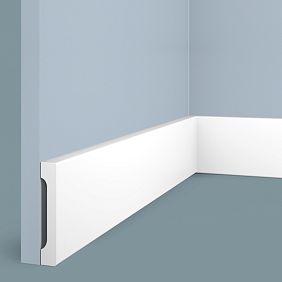
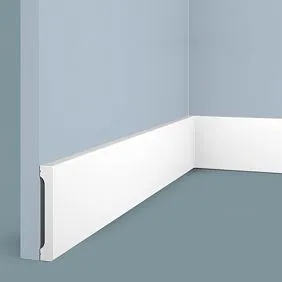
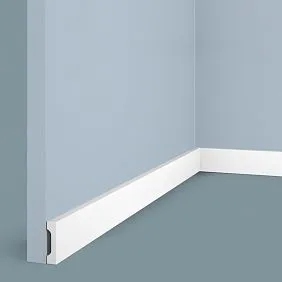
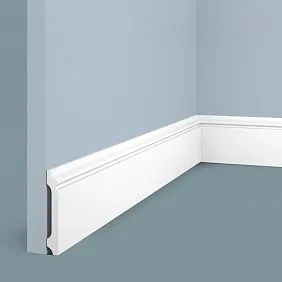
Our factory also produces:

Climate Challenges of the Megacity
The Moscow climate imposes special requirements on finishing materials. The long heating season from October to April, sharp temperature fluctuations, urban dust and smog — all this creates extreme conditions for wood.Wooden Skirting BoardsIn Moscow interiors, they must not only be beautiful, but also technically perfect.
Central heating systems in old buildings often operate unevenly, creating zones with extremely low humidity. In new constructions, modern climate control systems stabilize the microclimate, but even here significant fluctuations are possible. All of this requires a special approach to material selection and processing technologies.
Get Consultation
The Market for Wooden Baseboards in the Capital: Features and Trends
Structure of the Moscow Market
Moscow is the largest consumer of premium finishing materials in Russia. Here are concentrated the most affluent buyers, and projects with the highest budgets are implemented. The market for wooden baseboards in the capital can be divided into several segments:
Premium Segment — exclusive items made from rare wood species, produced according to individual projects. Price may reach 10-15 thousand rubles per linear meter.
High Segment — serial products made from noble woods (oak, beech, walnut) with quality processing. Price 3-7 thousand rubles per linear meter.
Mid-range segment — baseboards made of solid beech and ash in standard profiles. Price 1,500–3,000 rubles per linear meter.
Affordable segment — products from coniferous species, simple profiles. Price 500–1,500 rubles per linear meter.
Logistical advantages of the capital
Moscow is the largest transportation hub in the country. Products from all regions of Russia and abroad converge here. Developed warehouse infrastructure, numerous construction hypermarkets and specialized stores provide an extensive selection of products.
Proximity to manufacturing centers in central Russia (Tula, Kaluga, Ryazan) ensures prompt delivery of domestic products. International logistics corridors provide access to European materials and technologies.
Production base and technological standards
Domestic manufacturers in the Moscow region
The Moscow region has a well-developed wood processing industry. Enterprises in Kolomna, Sergiev Posad, Dmitrov specialize in producing baseboards. Proximity to consumers allows prompt response to changes in demand and offers customized solutions.
Modern production facilities use Italian and German equipment, ensuring European product quality. Automated lines, computer control, multi-stage quality control — standards of modern production.
Imported supplies
Main import product flows pass through Moscow. Finnish baseboards are renowned for their dimensional stability and drying quality. German products are distinguished by profile accuracy and coating quality. Italian products attract with their design solutions and innovative technologies.
Architectural styles and designer preferences
Moscow Classic
Stalinist skyscrapers, Moscow Empire-style mansions, early 20th-century merchant houses — Moscow’s architectural heritage requires appropriate interior decoration.Wooden skirting MoscowIn such interiors, historical profiles must be reproduced, traditional materials and technologies used.
High baseboards (150–300 mm) with complex profiles made of oak or ash — a characteristic feature of Moscow classic style. Gilding, patination, carved elements emphasize the owner’s status.
Modern Moscow
The capital’s new architecture presents a wide range of styles. From minimalist lofts in former industrial buildings to luxurious apartments in business center skyscrapers.
Modern baseboardsSimple geometric shapes, often increased height, emphasize the architectural character of modern interiors. Emphasis is placed on material quality and manufacturing precision.
Eclecticism and avant-garde
Moscow — a city of experiments. Here, diverse stylistic directions coexist. Designers boldly mix classicism with modernism, ethnic motifs with high-tech. In such interiors, baseboards often become accent elements that attract attention.
Wood species for Moscow conditions
Oak — the king of Moscow interiors
Oak baseboards — an undisputed favorite on the Moscow market. Exceptional strength (density 700–800 kg/m³), dimensional stability, noble texture make oak an ideal material for premium interiors.
Russian oak from the middle belt forests possesses special density and beauty of texture. Slow growth in harsh climate forms dense wood with expressive annual ring pattern.
Ash — northern elegance
Ash baseboards are popular in modern Moscow interiors. Light wood with distinct texture creates a sense of freshness and spaciousness. High elasticity allows creating complex profiles without risk of cracking.
Beech — European tradition
Beech baseboards are traditionally popular in Moscow due to uniform structure and dimensional stability. Warm honey tones create a cozy atmosphere. Beech readily accepts staining, allowing it to be adapted to any design concept.
Exotic species
In the premium segment of the Moscow market, plinths made from exotic species are presented: American walnut, wenge, merbau, teak. These materials are used in exclusive projects where uniqueness and status are important.
Technological innovations in the capital segment
Thermo-modification of wood
Modern Moscow manufacturers actively implement the thermomodification technology. Processing wood at a temperature of 160-220°C significantly improves its stability and biostability. Thermowood practically does not react to changes in humidity.
Glued constructions
For wide plinths, the glued-laminated timber technology is used. Several thin lamellas are glued under pressure, eliminating internal stresses and deformations. The stability of glued constructions is 3-4 times higher than that of solid timber.
Nanotechnologies in coatings
Modern protective coatings include nanoparticles that impart self-cleaning, antibacterial, and UV-protective properties. Such coatings are especially relevant in urban environments.
Integration with smart home systems
Cable channels and communications
Moscow apartments are filled with electronics. Security systems, climate control, and multimedia require numerous cables.Wooden skirting MoscowWith integrated cable channels, communications can be concealed, preserving interior aesthetics.
Lighting Systems
LED lighting integrated into the plinth creates a "floating" floor effect and forms architectural lighting. Such solutions are especially popular in modern Moscow interiors.
Sensors and automation
Sensors for motion, temperature, and humidity can be integrated into plinths. Wireless technologies allow creating invisible home control networks.
Pricing on the Moscow market
Factors forming the price
Prestige of the address — plinths for apartments in central Moscow cost more due to higher quality requirements.
Logistics complexity — delivery to the city center with its transportation restrictions increases the cost.
Client requirements — high standards of Moscow buyers compel manufacturers to invest in quality.
Competition — a large number of suppliers ensures competitive prices in the mid-segment.
Seasonality of demand
The Moscow market is characterized by pronounced seasonality. The peak of activity is spring-summer, when the majority of renovations are carried out. Prices are minimal in winter and maximal in summer.
Planning purchases during the winter period can ensure savings of up to 20-30%.
Installation in a metropolis
Features of Moscow housing stock
Historical construction — thick brick walls, uneven surfaces, non-standard angles require special skills from installers.
Stalinist buildings — high ceilings, quality foundations, but often non-standard layouts.
Khrushchev and Brezhnev-era buildings — standard layouts, but low construction quality, uneven walls.
New constructions — modern construction technologies, but restrictions on noise and dust during renovation.
Professional standards
The Moscow market for installation services is characterized by high standards. Professional crews use modern tools, master advanced technologies, and provide warranties on their work.
Suppliers and retail networks
Construction hypermarkets
Large retail chains (Leroy Merlin, OBI, Castorama) offer a wide selection of plinths in the mid-price range. Standard products, affordable prices, convenient store locations.
Specialized boutiques
There are numerous salons in Moscow specializing in premium finishing materials. Here you can find products from leading manufacturers, professional consultants, and design services.
Direct deliveries from manufacturers
Many Moscow consumers prefer to work directly with manufacturers. This ensures better prices, personalized service, and the possibility of custom-made items.
Trends in the Moscow market development
Growing demand for eco-friendliness
Moscow buyers are increasingly paying attention to the ecological properties of materials. Demand for certified wood from sustainably managed forests is rising. Formaldehyde-free coatings are popular.
Individualization and customization
Standard products are increasingly giving way to customized solutions. Moscow designers demand unique profiles, non-standard sizes, and special finishes.
Process digitization
Online trading, virtual showrooms, AR applications for visualization — technologies are actively being integrated into the construction materials trade.
Impact on the real estate market
Premium segment
In elite Moscow real estate, quality wooden skirting boards are a mandatory element. Their absence may reduce the property's value by 10-20%.
Mass segment
In standard new builds, quality skirting boards create the impression of upscale finishing, enhancing the apartment's appeal to buyers.
Historical real estate
In landmark buildings, quality skirting board restoration can increase apartment value by 15-25%. Buyers are willing to pay extra for authenticity.
Ecological aspects and health
Air quality in the metropolis
Moscow’s air is polluted by exhaust gases and industrial emissions. Under such conditions, natural materials that improve indoor microclimate are especially important.
Wooden skirting boards absorb harmful substances from the air, regulate humidity, and create a healthy atmosphere.
Antibacterial properties
Many wood species have natural antibacterial properties. Oak contains tannins, coniferous species emit phytoncides. In a metropolis, this is especially valuable.
Modern Design Solutions
Contrasting Combinations
Moscow designers love contrasts. A dark skirting board on a light background, or vice versa — such solutions create expressive interiors.
High skirting boards
The trend for high skirting boards (120-200 mm) is especially popular in Moscow. They visually increase room height and create a sense of respectability.
Integration of lighting
Skirting board lighting — a popular technique among Moscow designers. Soft, diffused light creates a cozy atmosphere and highlights architectural features of the space.
Regional supply specifics
Moscow Ring Road
Manufacturers within the MKAD have advantages such as proximity to consumers and absence of transportation costs. Many factories are located in the city’s industrial zones.
Suburbs
Production facilities in the suburbs supply the majority of deliveries to the Moscow market. Proximity to raw material sources and lower production costs make the products competitive.
Long-distance deliveries
Products from other regions of Russia and imports constitute a significant portion of the Moscow market. High purchasing power of Moscow consumers compensates for transportation costs.
Popular questions and answers
Which wood species are best suited for the Moscow climate?
Oak, beech, and ash show the best results in Moscow’s conditions. These species are stable under changes in humidity and temperature, typical of Moscow’s long heating season.
What is the optimal skirting board height for Moscow apartments?
For standard apartments with 2.7 m ceilings, the optimal height is 80-100 mm. For Stalin-era buildings with high ceilings, use skirting boards 120-150 mm. In luxury apartments, skirting boards up to 200 mm are appropriate.
How much does installation of wooden skirting cost in Moscow?
Installation cost varies from 400 to 1200 rubles per linear meter depending on the complexity of work, Moscow district, and installer qualifications. In the city center, prices are 20-30% higher.
Can wooden skirting be used in apartments with underfloor heating?
Yes, but special wood preparation and correct mounting method are required. Thermally modified wood shows the best results under such conditions.
How to choose a reliable supplier in Moscow?
Pay attention to work experience (at least 5 years), presence of own warehouses, quality certificates, customer reviews. It’s better to choose companies offering full-service cycles — from sales to installation.
What documents are needed for renovation in Moscow new builds?
Notification to the managing company is required, compliance with noise work time restrictions (usually 9:00–19:00 on weekdays), and use of specialized companies for waste removal.
Does Moscow district affect skirting cost?
The material itself costs the same, but delivery and installation services in central districts are more expensive. Premium boutiques in the center also have higher markups.
How often should wooden skirting be renewed in Moscow conditions?
With quality materials and coatings — every 10–15 years. Under intensive urban use, more frequent renewal of protective coatings may be required.
Can wooden skirting be painted in another color?
Yes, quality wood allows multiple repaints. This is especially relevant during interior design changes. Use specialized wood paints.
What warranties do Moscow suppliers provide?
Serious companies provide a 3–5 year warranty on materials and a 1–2 year warranty on installation work. The warranty covers manufacturing defects and quality of work performed.
Conclusion
Wooden skirting MoscowChoosing consciously — as a symbol of quality, status, and understanding of true values. In the capital, where time flows faster and demands are higher, wooden skirting becomes an investment in long-term prospects. It’s not just a finishing element, but part of the cultural code of Moscow interiors, where traditional carpentry craftsmanship meets innovative technologies.
The Moscow market for wooden skirting reflects general trends in Russian construction and design. Here, quality standards are formed, new technologies emerge, and industry development vectors are defined. Choosing wooden skirting in Moscow means not only acquiring a quality product, but also gaining access to advanced achievements in the woodworking industry.
Climate-specific features of the capital, architectural diversity, high aesthetic requirements — all this creates a unique environment where wooden skirting must meet the strictest criteria. From historic Arbat mansions to modern complexes on Rublevka — everywhere, natural wood remains a symbol of reliability, beauty, and prestige.
Modern production technologies, developed logistics infrastructure, competitive environment make the Moscow market one of the most dynamic and promising. Here, buyers can find solutions for any project — from architectural monument restoration to ultra-modern penthouse design.
Ecological challenges of the megacity highlight the value of natural materials. In polluted air and fast-paced life, wooden interior elements create pockets of natural harmony, contribute to forming a healthy microclimate, and provide a sense of connection to nature.
The future of the wooden skirting market in Moscow is linked to technological development, growth of ecological awareness, and desire for individualization. Digital design, new materials, "smart" technologies — all this will be integrated into traditional wooden products, creating new-generation items.
Choosing wooden skirting in Moscow — is choosing in favor of quality, durability, eco-friendliness, and beauty. It’s an investment in creating a space that will delight the owner for many years, maintaining its relevance and appeal regardless of changing fashion trends.
Understanding the specifics and requirements of the Moscow market, STAVROS offers comprehensive solutions for the most demanding projects in the capital. Our experience working in Moscow, understanding of local climate, architectural traditions, and design preferences allows us to create products ideally adapted to megacity conditions.
Using the best traditions of Russian carpentry craftsmanship and the most advanced woodworking technologies, STAVROS creates products that seamlessly fit into Moscow’s architectural environment — from historic interiors to ultra-modern spaces. Our products meet the highest standards of quality, ecological safety, and aesthetic perfection.
STAVROS specialists’ team is ready to provide professional consultations on choosing optimal solutions for Moscow projects, assist with logistics in megacity conditions, and ensure quality after-sales service. Choosing STAVROS products for Moscow interiors means choosing reliability, beauty, and prestige — qualities highly valued in the capital.