Article Contents:
- 1. Historical Overview: Traditions and Development of Wood Finishing
- 1.1 Origins of Wood Use in Finishing
- 1.2 Evolution of Finishing Technologies
- 2.1 Solid Wood and Its Applications
- 2.2 Veneer and Plywood: The Art of Mimicking Natural Wood
- 2.3 Laminated Products: Innovative Combination of Tradition and Modern Technologies
- 2.4 Composite Wood Materials: Innovation for Sustainability
- 3.1 Drying and Conditioning
- 3.2 Planing, Milling, and Carving
- 3.3 Laminating and Finishing
- 3.4 Thermal Treatment and Modification
- 3.5 Staining, Lacquering, and Finishing
- 4.1 Interior Finishing: From Classic to Contemporary
- 4.2 Exterior: Natural Beauty in Architectural Solutions
- 4.3 Commercial and Public Spaces
- 5.1 Ecological purity of natural wood
- 5.2 Sustainable Forestry and Certification
- 5.3 Reducing Carbon Footprint
- 6.1 Innovative Technologies in Wood Processing
- 6.2 Fusion of Tradition and Modernity
- 6.3 Global Trends in Interior Design
- 6.4 Expanding Product Range and Global Collaboration
- 7.1 Defining project goals and style
- 7.2 Selection Criteria and Environmental Certification
- 7.3 Combination with Other Materials
- 7.4 Maintenance and Operation
- 8.1 Residences and Homes
- 8.2 Public Spaces and Commercial Projects
- 8.3 Art objects and designer installations
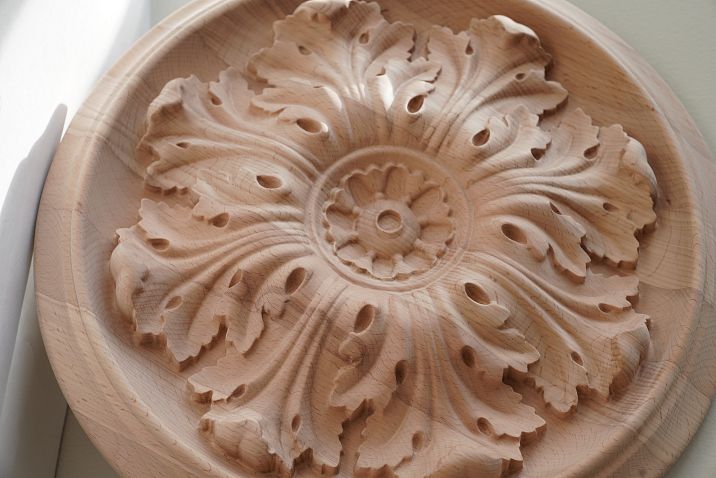
Natural wood has always been a symbol of warmth, comfort, and elegance. Its unique texture, rich tones, and ability to 'breathe' make it an indispensable material in interior design. Wood finishing materials represent a whole world where traditional craftsmanship meets modern technologies, and every detail becomes a work of art. In this article, we will thoroughly examine the types of wood finishing materials, their characteristics, processing technologies, and applications, as well as the impact these materials have on creating harmonious, stylish, and eco-friendly spaces. For more detailed information, please refer to thecatalog of wood finishing materials.


1. Historical Excursion: Traditions and Development of Wood Finishing




1.1 Origins of Using Wood in Finishing
Wood has accompanied humanity since the earliest times. Even in the era of ancient civilizations, craftsmen used wood to create decorative elements, carved panels, and architectural details. Each item became not only a functional element but also a reflection of cultural heritage, a symbol of nobility and refined taste. In the Middle Ages, when architects built magnificent churches and palaces, wooden decorative work adorned interiors, giving them elegance and grandeur.
Our factory also produces:


1.2 Evolution of finishing technologies
Over time, wood processing methods have significantly evolved. From traditional hand tools to modern computer numerical control (CNC) machines — the skills of carving, planing, and lacquering have reached a qualitatively new level. Innovative technologies have allowed preserving the natural beauty of wood while enhancing its resistance to environmental influences. Today, wooden finishing materials, presented inthe solid wood products catalog, become a bridge between centuries-old traditions and modern design solutions.
Get Consultation
2. Variety of wooden finishing materials
2.1 Solid wood and its applications
Solid wood refers to items made from whole boards, beams, or panels obtained directly from the tree trunk. Such materials are invariably valued for their strength, natural grain pattern, and durability. They are used to create exclusive decorative panels, wall, floor, door, and even furniture finishes.
● Advantages:
○ Natural texture and unique grain pattern;
○ High strength and durability;
○ Ecological purity and the possibility of restoration if necessary.
● Disadvantages:
○ Susceptibility to deformation under sharp humidity changes;
○ Need for regular maintenance and protection.
Solid wood is a classic that remains relevant due to its timeless beauty. It is used in projects where it is important to create an atmosphere of luxury and exclusivity.
2.2 Veneer and plywood: the art of imitating natural wood
Veneer is a thin layer of wood obtained by planing or peeling the trunk, preserving the appearance of a valuable species but at a more affordable cost. Plywood is created by gluing several veneer layers together, which gives it additional strength and resistance to deformation.
● Advantages of veneer and plywood:
○ Cost-effectiveness while preserving the aesthetics of natural wood;
○ High dimensional stability and minimal warping;
○ Wide possibilities for decorative finishing.
● Disadvantages:
○ May require covering to achieve maximum visual appeal;
○ Quality depends on production technologies and adhesive compositions used.
Wooden finishing materials made using veneer or plywood are ideal for interior cladding, creating decorative panels, and elements in furniture production. They allow achieving an excellent appearance at an optimal price-to-quality ratio.
2.3 Laminated products: innovative combination of tradition and modern technologies
Lamination is a process of covering a base (e.g., MDF or particleboard) with a thin layer of veneer or laminate that imitates natural wood. Such products acquire the appearance of expensive species while retaining the high performance characteristics of the base.
● Advantages of laminated materials:
○ Rich color palette and variety of textures;
○ Increased resistance to wear, moisture, and mechanical damage;
○ Easy maintenance and cleaning.
● Disadvantages:
○ Lack of the 'live' character of solid wood;
○ Limited restoration possibilities in case of damage to the decorative layer.
Wood-based laminated finishing materials allow designers to realize bold ideas by combining natural aesthetics with practicality and affordability. This is an ideal solution for modern interiors, where every detail matters.
2.4 Composite Wood Materials: Innovation for Sustainability
Composite materials such as wood-polymer composites (WPC) and medium-density fiberboard (MDF) combine natural wood with synthetic polymers. They possess unique properties — enhanced resistance to moisture, strength, and dimensional stability.
● Advantages of composites:
○ High resistance to atmospheric influences;
○ Ease of processing and ability to create complex shapes;
○ Durability and minimal maintenance requirements.
● Disadvantages:
○ Do not always retain the natural wood appearance without additional finishing;
○ Use of synthetic components may reduce eco-friendliness.
Composite wood finishing materials are actively used in furniture, interior, and even exterior construction, where strength and resistance to external factors are crucial.
3. Wood Finishing Material Processing Technologies
3.1 Drying and Conditioning
Proper wood drying is the key to stability and longevity of products. Modern drying chambers, equipped with temperature and humidity control systems, allow achieving optimal conditions for each wood species. This minimizes the risk of cracking, warping, and other deformations.
3.2 Planing, Milling, and Carving
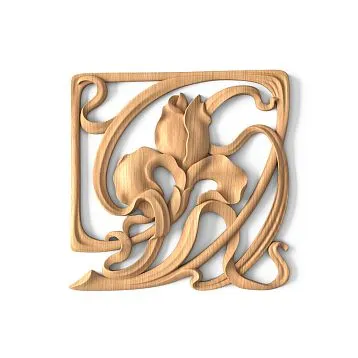
After drying, wood is planed to obtain a smooth and even surface. CNC milling machines allow creating complex decorative profiles, ornaments, and carved elements. Wood carving technology, combining traditional methods with modern tools, gives products a unique artistic appearance.
3.3 Laminating and Veneering
Laminating is the process of applying a protective and decorative layer, which can be done using veneer, laminate, or film. This method not only improves the appearance of the product but also enhances its resistance to moisture, UV radiation, and mechanical damage.
3.4 Thermal Treatment and Modification
Modern thermal treatment methods allow improving wood performance without using chemicals. Thermally modified wood becomes more resistant to rot, moisture, and insects while retaining its natural texture and color. This is especially important for finishing exterior surfaces and structures exposed to variable weather conditions.
3.5 Impregnation, varnishing, and finishing
Various stains, varnishes, oils, and waxes are used to protect wood. They create a thin protective layer on the surface that highlights the natural beauty of the material and extends the lifespan of the product. Modern eco-friendly varnishes and oils, with low toxicity, preserve the natural wood appearance and ensure its longevity.
4. Application of Wood Finishing Materials in Interior and Exterior Spaces
4.1 Interior Finishing: From Classic to Contemporary
Natural wood is an ideal solution for creating harmonious interiors. Wood finishing materials are used for wall, ceiling, and floor cladding, decorative panels, and furniture elements. They impart warmth, coziness, and a unique atmosphere to the space.
● Wall Cladding: Decorative panels made from solid wood or laminated veneer can transform any space. Natural wood tones and textures create a sense of natural harmony, while modern technologies allow achieving perfect smoothness and stability of the finish.
● Ceilings and Floors: Solid wood floors and ceiling beams are a classic that stands the test of time. They can be combined with carpets and other finishing materials to create unique compositions reflecting the interior’s individual style.
● Furniture and Accessories: Furniture made from natural wood remains a symbol of refined taste and reliability. Decorative elements such as tables, chairs, shelves, vases, and mirrors, crafted using wood finishing materials, add elegance and warmth to the space.
4.2 Exterior: Natural Beauty in Architectural Solutions
Natural wood finds application not only indoors but also in exterior construction. Facades, wooden entrance doors, balconies, and terraces made using wood finishing materials emphasize the connection between the building and nature and create a unique visual effect.
● Building Facades: Wooden facade cladding using glued panels or solid boards gives buildings a unique character. Modern architects use innovative processing and protection methods to ensure the longevity of the finish and resistance to climatic influences.
● Entrance Areas and Balconies: Wooden doors, windows, and balcony structures highlight the prestige and ecological orientation of the project. Stains and varnishes preserve their aesthetic appearance for many years, providing protection against moisture and UV radiation.
● Landscape Design: In the exterior, wood is used to create pergolas, gazebos, garden furniture, and decorative fences. Natural materials blend organically with the natural landscape, creating harmonious relaxation zones and emphasizing the ecological orientation of the project.
4.3 Commercial and Public Spaces
Wood finishing materials are actively used in creating interiors of restaurants, cafes, hotels, and offices. Natural wood helps create an atmosphere of comfort and luxury, contributing to a positive perception of the space.
● Restaurants and Cafes: Wooden panels, tables, chairs, and decorative elements create a warm and cozy atmosphere where every visitor feels attention to detail.
● Hotels and Offices: Using natural materials enhances the prestige of the space, creating conditions for productive work and comfortable rest. Using wood finishing materials helps distinguish the brand, highlight its uniqueness, and demonstrate ecological responsibility.
5. Ecological significance and sustainable development
5.1 Ecological purity of natural wood
One of the key advantages of natural wood is its ecological purity. In the context of global climate change and growing concern about the planet's ecological state, wood-based finishing materials have become a choice for those who aim to create a healthy and safe environment. With sustainable forestry practices, wood is a renewable resource, and its production requires less energy compared to synthetic materials.
5.2 Sustainable Forestry and Certification
Certification of wood according to international standards, such as FSC and PEFC, guarantees that the material was obtained in accordance with sustainable development norms. This not only helps reduce negative environmental impact but also supports environmentally responsible production. When selecting wood-based finishing materials, it is important to pay attention to certificates confirming the origin and quality of the raw material. More detailed information can be found in thewood-based materials catalog.
5.3 Carbon Footprint Reduction
Wooden products help reduce CO₂ emissions. During their service life, wooden structures sequester carbon, which is a crucial factor in combating climate change. Using wood-based finishing materials in construction and interior design helps create energy-efficient and eco-friendly spaces, supporting global efforts to reduce the carbon footprint.
6. Modern trends and development prospects
6.1 Innovative Technologies in Wood Processing
Modern wood processing technologies enable the creation of items with unprecedented precision and aesthetic expressiveness. CNC machines, laser cutting, digital modeling, and thermal treatment open new horizons in the production of wood-based finishing materials. These innovations not only preserve the natural beauty of the material but also significantly enhance its performance characteristics.
6.2 Blending Tradition and Modernity
Modern designers actively integrate traditional craftsmanship with contemporary technologies, creating items that combine century-old aesthetics with the functionality of the latest innovations. Wood-based finishing materials today are not merely a way to decorate interiors but a means to create unique visual solutions that tell stories, reflect cultural heritage, and respond to the needs of modern society.
6.3 Global Trends in Interior Design
Modern interiors strive for naturalness and ecological purity. Natural wood, thanks to its aesthetic and functional qualities, has become a central element in the design of residential and commercial spaces. Wood-based finishing materials help create harmonious, warm, and stylish interiors, where every detail is infused with love for nature and a commitment to sustainable development.
6.4 Expanded Product Range and Global Collaboration
Wood-based finishing materials catalogs, such as those presented onSTAVROS website, showcase a wide range of products, from solid wood to composites and laminated items. Global collaboration among manufacturers from different countries facilitates the exchange of experience, improves product quality, and expands opportunities for designers worldwide.
7. Practical Recommendations for Choosing Wood-Based Finishing Materials
7.1 Defining Project Objectives and Style
When selecting wood-based finishing materials for interior or exterior use, it is important to define the project’s objectives: which zones require greater durability, where aesthetics are crucial, and where functionality matters. The choice of wood species and type of treatment directly depends on the style of the space: classic, modern, Scandinavian, or minimalist.
7.2 Selection Criteria and Environmental Certification
Pay attention to the quality of raw materials, processing methods, and the presence of environmental certifications. Naturally certified wood according to international standards guarantees that the material was obtained in compliance with all environmental norms. This is especially important for creating a safe and healthy space.
7.3 Combining with Other Materials
To create a harmonious interior, it is often necessary to combine wood-based finishing materials with metal, glass, stone, or textiles. It is important that transitions between materials are smooth, and color and texture solutions complement each other. Such combinations allow achieving a balance between the natural beauty of wood and contemporary design trends.
7.4 Maintenance and Operation
To maintain the original appearance of wood-based finishing materials, regular care is required. It is recommended to periodically clean, renew protective coatings, and inspect the condition of the items. Adhering to these rules will help preserve the longevity and aesthetic appeal of the items for many years.
8. Examples of Successful Projects
8.1 Residences and Houses
In luxury residences, natural wood is used to create opulent interiors where wall, floor, ceiling, and furniture finishes harmoniously blend with elements of art and modern technology. Every detail—from massive wooden doors to exquisite panels—demonstrates the richness of textures and the depth of natural tones. Such projects inspire and underscore that high-quality wood finishing materials can transform a home into a true work of art.
8.2 Public Spaces and Commercial Projects
Wood finishing materials are actively used in the design of cafes, restaurants, hotels, and offices. In these spaces, wood creates an atmosphere of comfort and exclusivity, enhancing brand perception and improving visitor comfort. Custom-made wooden panels, decorative elements, and furniture impart a unique character to interiors and contribute to creating a memorable impression.
8.3 Art Objects and Designer Installations
Modern artists and designers use natural wood to create unique art objects and installations. Carving, laser engraving, and combining traditional crafts with modern technologies allow creating artworks capable of inspiring and conveying deep cultural ideas. Such works not only decorate space but also become subjects of discussion, highlighting the importance of ecological responsibility and cultural heritage.
9. Conclusion
Wood finishing materials are not merely a way to give interiors a finished look, but a philosophy uniting centuries-old traditions, innovative technologies, and a commitment to ecological purity. Natural wood possesses a unique ability to create an atmosphere of warmth, comfort, and harmony, transforming any space into a work of art.
Choosing wood finishing materials means not only caring about the quality and aesthetics of our interiors, but also supporting sustainable development, responsible attitude towards nature, and preservation of cultural heritage. Modern processing technologies, such as laser carving, CNC milling, thermal modification, and laminating, allow to fully reveal the potential of wood, creating products that serve for many years and delight the eye with their natural beauty.
Catalogs, similar tothe wood materials catalog on the Stavros websitedemonstrate a wide range of products capable of meeting the most demanding requests of designers, architects, and end users. Here, everyone will find items suitable for implementing the most daring ideas—from luxurious interior finishes to creating unique facades and art objects.
Thus, wood finishing materials continue to remain an important element in the world of design and architecture. They combine a rich history, innovative technologies, and a commitment to harmony with nature, making them not only a practical choice but also a source of inspiration for everyone who values aesthetics, quality, and ecological purity.
Natural wood is capable of transforming any home, office, or public space into a unique work of art reflecting love for nature and respect for traditions. Let your creative energy, supported by high-quality wood finishing materials, become the foundation for creating an irreplaceable, stylish, and ecologically safe space, where every detail—from massive panels to exquisite decorative elements—carries a fragment of eternal beauty and natural harmony.
For additional information and to acquaint yourself with the range of high-quality products, we recommend visitingthe wood materials catalogHere, you will find the best solutions for implementing your projects and make an informed choice in favor of natural, durable, and aesthetically appealing materials capable of transforming your space and giving it life, warmth, and comfort.
Thus, wood finishing materials are an endless source of ideas, innovations, and natural beauty capable of inspiring everyone striving to create a unique and harmonious space. Choose natural wood, for it combines centuries of tradition with advanced technologies, remaining a symbol of ecological purity and unparalleled aesthetics.