






































Article Contents:
- Wooden finishing materials for walls and interior
- Wooden moldings
- Application of moldings in interior design
- Tips for selection and installation
- Variety of baseboards
- Practical Tips
- Decorative functions of cornices
- Use of cornices in interior
- Variety of casing styles
- Practical Functions
- Application of beams
- Planks
- Angles
- Company Stavros offers
- Wooden baseboards from Stavros
- Wooden cornices from Stavros
- Beams, planks, and angles from Stavros
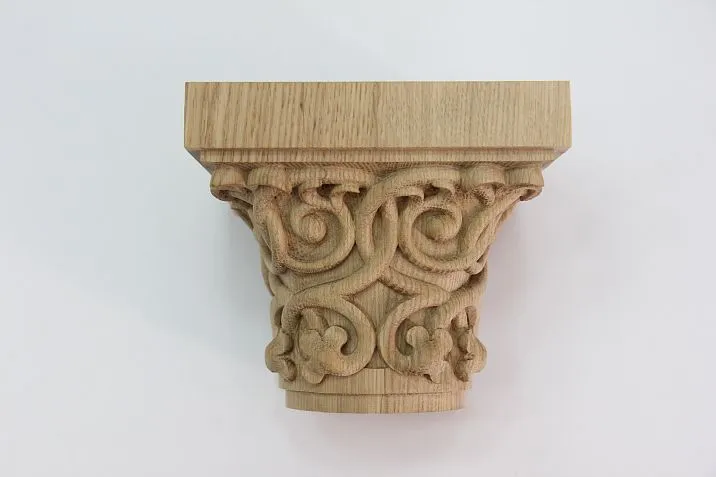
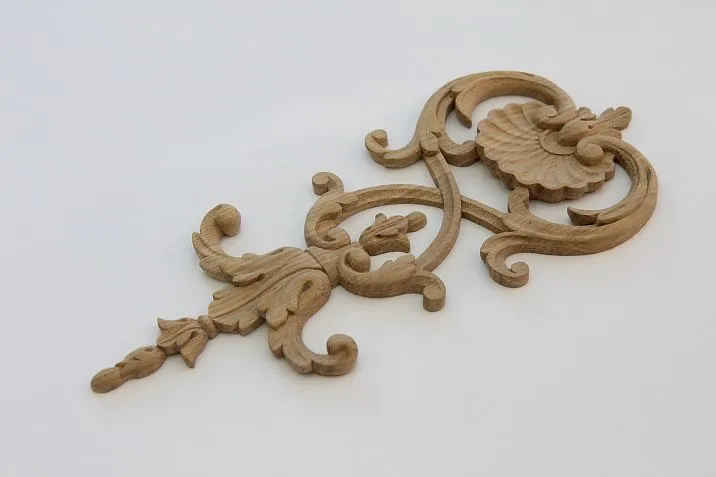
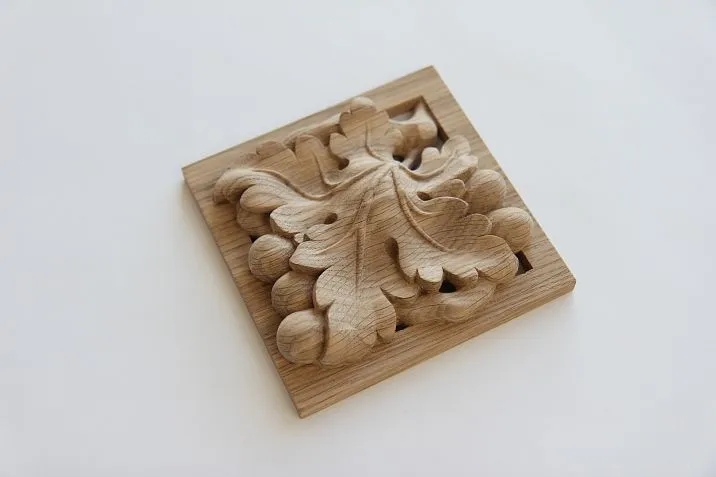
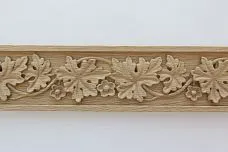
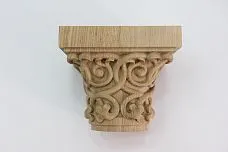
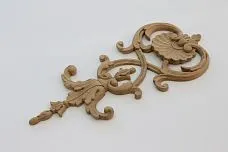
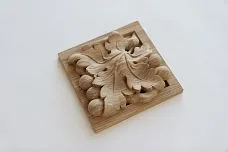
Wood and polyurethane finishing materials occupy a special place in modern interior design. They not only create comfort and give space a stylish look, but also highlight the individuality of each room. In this article, we will consider the main types of wooden and polyurethane finishing materials, such as moldings, baseboards, cornices, casings, beams, planks, and angles. We will discuss their usage possibilities, advantages, and best ways to integrate them into the interior, so you can create a harmonious and sophisticated space.


Wooden finishing materials for walls and interior




Wooden moldings
Wooden moldings are universal elements that add volume, style, and expressiveness to the interior. They can be used to finish walls, ceilings, window and door openings, creating decorative accents and zoning the space. Solid wood moldings are ideal for classic interiors, adding elegance and sophistication. In modern interiors, wooden moldings help create clear lines and emphasize a minimalist style.
Our factory also produces:


Application of moldings in interior design
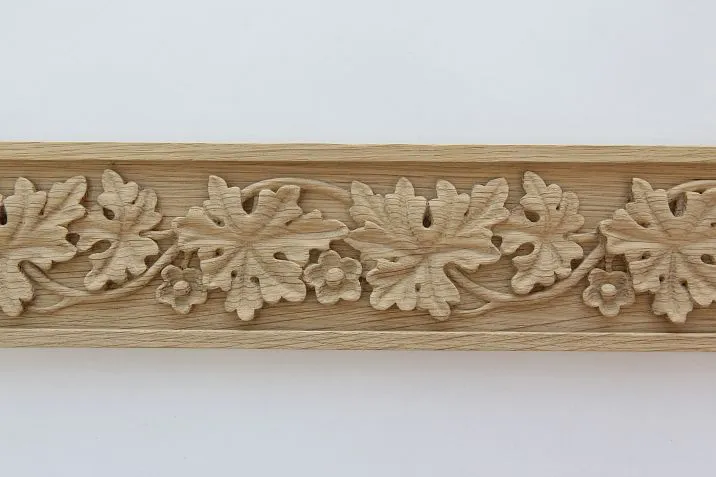
Wooden moldings are used to create decorative panels on walls, to finish ceiling edges, to frame door and window openings. They can serve as a standalone decorative element or be combined with other finishing elements, highlighting the interior style. In classic interiors, moldings are often adorned with carvings or ornaments, giving the room a special charm and aristocracy.
Get Consultation
Tips for selection and installation
Consider ceiling height, room size, interior style, and functionality.of wooden moldings It is important to consider the overall style of your interior. For classic design, carved models with ornaments are suitable, while for modern spaces, it is better to choose smooth and minimalist moldings. Installing moldings requires precision, so it is recommended to conduct preliminary marking and use quality fastening materials.
Ideas for use: Create an accent wall by combining wooden moldings of different shapes and sizes. This can be a decorative frame for paintings, mirrors, or family photos. Moldings can also be used to create wall panels that will highlight certain areas in the room, such as a lounge or workspace.
Wooden baseboards
Wooden Skirting Boards – are an important finishing element that serves both decorative and practical functions. They cover the joints between walls and floor, protect the lower part of the wall from damage, and give the room a finished look. Wooden baseboards add warmth and coziness to the interior, emphasizing the style of the room.
Baseboards can be flat, convex, shaped, carved, and made from various types of wood. Depending on the style of your interior, you can choose baseboards with ornaments, simple smooth models, or models with a special profile. Solid wood baseboards are distinguished by durability and strength, giving the room a sense of natural warmth.
When installing wooden baseboards, it is important to properly prepare the surface and use protective coatings to prevent exposure to moisture and mechanical damage. Baseboards can be painted or varnished to match the color of the floor or walls. Well-chosen baseboards visually expand the space and make it more cozy.
Practical tips
Usage ideas: Use baseboards to create contrasts in the interior. For example, white baseboards against dark walls will create a stylish accent, while baseboards painted in the tone of the floor will emphasize the design's coherence.
Wooden cornices
are decorative elements that cover the joints between walls and ceilings, creating smooth lines and visually increasing the height of the room. They give the interior a finished and special charm, making it more refined and expressive.
Wooden cornices Decorative functions of cornices
Wooden cornices can be adorned with carvings, ornaments, or executed in a simple smooth style. In classical interiors, carved cornices add grandeur and elegance, while in modern interiors, minimalist cornices create clear lines and simplicity. Cornices can be used as a standalone decorative element or in combination with other finishing materials.
Usage of cornices in interior design
Cornices can hide wiring, lighting, or unattractive joints between walls and ceilings. They can be used to decorate ceiling niches or transitions between different materials on walls. Cornices help create a harmonious and finished space that will look stylish and cozy.
Design tip: Cornices can be used to create a "floating" ceiling effect with backlighting. This will create soft and atmospheric lighting, adding coziness and comfort.
Wooden door and window casings
are used to decorate door and window openings, giving them a finished and aesthetically pleasing appearance. They protect openings from mechanical damage and emphasize the architectural style of the room.
Wooden casings Variety of casing styles
Casings can be carved, classical, with ornaments, or modern, with simple and straight lines. Depending on the interior style, you can choose the appropriate option that will highlight the uniqueness of the space. Classical casings are often used in interiors with luxurious elements, while modern ones are used in minimalist spaces.
Practical functions
Casings hide wall irregularities around openings and add aesthetic appeal. They can also serve as decorative elements, highlighting doors and windows, creating a harmonious appearance of the room.
Usage ideas: Combine casings with moldings and cornices to create a unified and harmonious treatment of openings. You can use contrasting colors to emphasize casings or combine them with other wooden decorative elements.
Wooden planks, strips, and corner pieces
Wooden planks, strips, and corner pieces
are universal elements that can be used for decorating walls, ceilings, furniture, and other surfaces. They add structure to the interior, create accents, and can be used for zoning space. Application of planks
Planks can be used to create decorative lattices, zone space, decorate furniture, and other purposes. They add depth and structure to the interior, creating interesting accents.
Strips
Strips are ideal for decorating walls, ceilings, and furniture, creating complex patterns and textures. They can be combined with other decorative elements to achieve maximum effect.
Corner pieces
Corner pieces are used to protect corners and create decorative accents. They emphasize lines and add elegance to the interior.
Tip: Combine planks, strips, and corner pieces with moldings and other elements to create complex and expressive compositions that highlight the unique style of your interior.
Polyurethane decor: stylish solutions for interiors
Decorative elements made of polyurethane are becoming increasingly popular due to their unique characteristics and wide variety. Polyurethane products are lightweight, moisture-resistant, durable, and easy to maintain, making them ideal for interior decoration.
Decorative elements made of polyurethane are becoming increasingly popular due to their unique characteristics and wide variety. Polyurethane products are lightweight, moisture-resistant, durable, and easy to maintain, making them ideal for interior decoration.
Polyurethane moldings
Polyurethane moldings These are decorative elements used for decorating walls and ceilings. They allow you to zone space, create accent areas, and add expressiveness and depth to the interior. Polyurethane moldings can imitate wood carving, stucco, and other decorative elements.
● Advantages of polyurethane moldings: Ease of installation, moisture resistance, durability, and paintability make them a universal choice for any interior. Polyurethane moldings are not prone to deformation and can be used even in rooms with high humidity, such as bathrooms and kitchens.
● Application in interior design: Moldings can be used to create decorative frames on walls, decorate ceiling edges, or accentuate zones on walls. They suit both classic and modern styles.
● Design tip: Use moldings to create decorative wall panels. Paint them in contrasting colors or to match the wall tone to emphasize style and add depth.
Usage ideas: Create an accent wall using moldings arranged in geometric patterns. This will give the interior originality and highlight specific areas in the room.
Polyurethane appliqués
polyurethane panels are decorative elements that can be used to decorate walls, furniture, doors, and other surfaces. They add elegance to the interior, highlighting style and creating unique accents.
● Variety of designs: Polyurethane appliqués can be carved, with ornaments and patterns that imitate wood carving. They suit both classic interiors and modern solutions.
● Ease of installation: Appliqués are easily attached to surfaces using adhesive and require no complex maintenance. You can paint them any color to match your interior.
● Application in interior design: Use appliqués to decorate furniture, doors, walls, or create accent zones. They will highlight the elegance of your interior and add uniqueness.
Application tip: Combine appliqués with moldings and other decorative elements to create a harmonious and stylish interior design.
Polyurethane rosettes
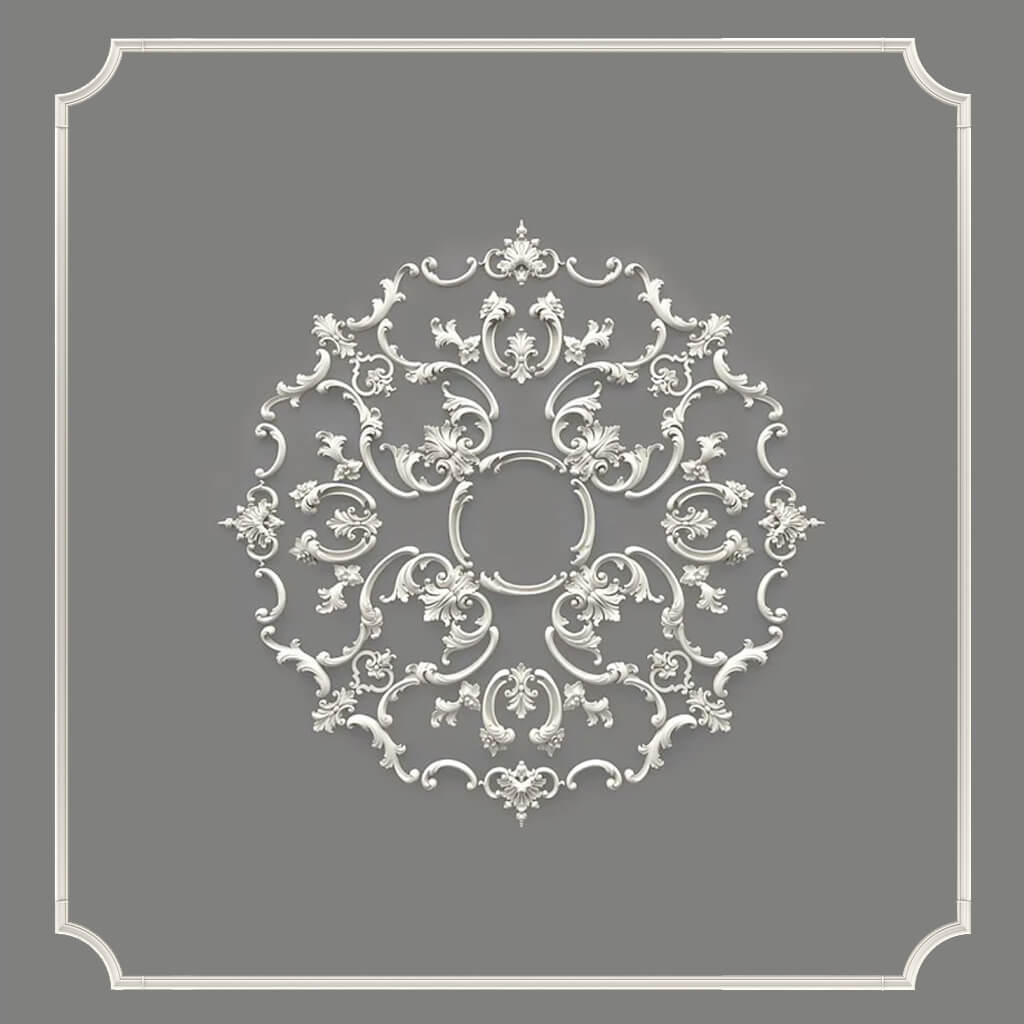
Polyurethane Rosettes are used for decorating ceilings and walls. They add luxury and completeness to the interior, creating focal points in space. Rosettes can imitate classical stucco, adding elegance and style.
● Decorative functions of rosettes: Polyurethane rosettes are often installed in the center of the ceiling for decoration around chandeliers and light fixtures. They can be adorned with intricate patterns, creating an eye-catching and stylish design.
● Durability and longevity: Polyurethane rosettes are not prone to deformation, moisture-resistant, and easy to install. They can be used in both residential and public spaces.
● Usage ideas: Install rosettes around light fixtures to create a striking accent in the room. They can also be used as decorative elements on walls.
Tip: Combine rosettes with moldings to create striking compositions on ceilings and walls. This will add elegance to the interior and highlight its style.
Decorating interiors with polyurethane elements
Decorative polyurethane elements allow you to create unique accents and zone space, highlighting the style and individuality of the interior. You can combine moldings, appliqués, and rosettes to create multi-layered and interesting compositions that will attract attention and add elegance to the interior.
Ideas for use:
● Creating accent walls: Use polyurethane moldings and appliqués to create decorative patterns on walls. This will help highlight zones such as a lounge area or workspace.
● Ceiling decoration: Polyurethane rosettes and moldings can be used to decorate ceilings, creating striking compositions.
● Furniture decoration: Refresh furniture with polyurethane appliqués, giving it a new and stylish look.
Polyurethane moldings, appliqués, and rosettes are ideal elements for creating a stylish and expressive interior.decorative polyurethane elements allow you to highlight the individuality of your home, making it cozy and unique. Combine different elements to achieve harmony and create an interior that will delight you every day.
Company Stavros offers
Company Stavros offers a wide range of decorative and finishing materials made from solid wood, which are ideal for interior design and creating unique designer solutions. All products are manufactured using high-quality materials and are characterized by durability, aesthetics, and flawless quality.
Solid wood skirting boards from Stavros
Solid wood skirting boards are an important decorative element that covers the junctions between walls and floors, giving the interior a finished look and protecting against dirt and mechanical damage.solid wood skirting boards from Stavros have high quality and refined design, allowing them to match any interior style.
● Variety of styles and shapes: Skirting boards can be flat, convex, with carved elements, and of different heights. Depending on your preferences, you can choose skirting boards that harmoniously complement the overall design of the room.
● Practical application: Baseboards protect the lower parts of walls from dust, impacts, and moisture, ensuring the longevity of finishes.
● Installation tip: Use baseboards to create a clear boundary between floors and walls, selecting models that harmonize with the main tones and textures of the room.
Wooden cornices from Stavros
Stavros solid wood cornices are used to finish the junctions between walls and ceilings, giving interiors a polished look and creating a visual accent. Crown Molding Wood adds elegance and sophistication to spaces, highlighting architectural lines.
● Decorative functions: Wooden cornices can be adorned with carvings, ornaments, and other decorative elements, making them an excellent choice for both classic and modern interiors.
● Practical application: Cornices help conceal uneven junctions and can be used to mask wiring or install lighting.
Stavros Boards, Planks, and Angles
STAVROS offersSolid wood boards, planks, and angleswhich are universal finishing materials. They are used to create decorative accents, furnish furniture, zone spaces, and protect corner joints.
● Boards: Can be used to finish walls, create decorative panels, zone spaces, and decorate furniture.
● Planks: Suitable for creating complex patterns and textures on walls and ceilings, as well as for decorative furniture finishing.
● Angles: Provide protection for corners and give interiors a finished look.
Tip: Combine boards, planks, and angles with other decorative elements from Stavros to create unique and stylish compositions.
Stavros Company offers its clients the opportunity to purchase high-quality solid wood products with delivery throughout Russia, including major cities and remote regions. We work with private customers, designers, and architectural studios, providing customized solutions for each project. Our products are crafted with attention to detail and embody craftsmanship and aesthetics.