Article Contents:
- 1. History of Using Wood in Interior Finishing
- 1.1 Traditions and Cultural Heritage
- 1.2 Evolution of Processing Technologies
- 2.1 Natural Aesthetics
- 2.2 Durability and Longevity
- 2.3 Ecological Purity
- 2.4 Thermal and Sound Insulation
- 3.1 Wooden Skirting Boards
- 3.2 Wooden Cornices
- 3.3 Wooden Planks
- 3.4 Wooden Beams
- 3.5 Wooden Angles
- 4.1 Modern Processing Methods
- 4.2 Laminating and Cladding
- 4.3 Thermal Treatment and Modification
- 4.4 Impregnation and Lacquering
- 5.1 Wall Cladding
- 5.2 Decorative Elements and Panels
- 5.3 Furniture Solutions
- 6.1 Façade Solutions
- 6.2 Entrance Groups and Balconies
- 6.3 Landscape Design
- 7.1 Ecological Purity of Natural Wood
- 7.2 Sustainable Production
- 7.3 Social Value of Crafts
- 8.1 Digital Technologies in Wood Processing
- 8.2 Personalization and Custom Projects
- 8.3 Ecological Minimalism
- 8.4 Global Cooperation and Experience Exchange
- 9.1 Defining Functional Requirements
- 9.2 Material Selection
- 9.3 Care for Finished Items
- 9.4 Combining with Other Materials
- 10.1 Residential Interiors
- 10.2 Commercial and Public Spaces
- 10.3 Art Objects and Designer Installations
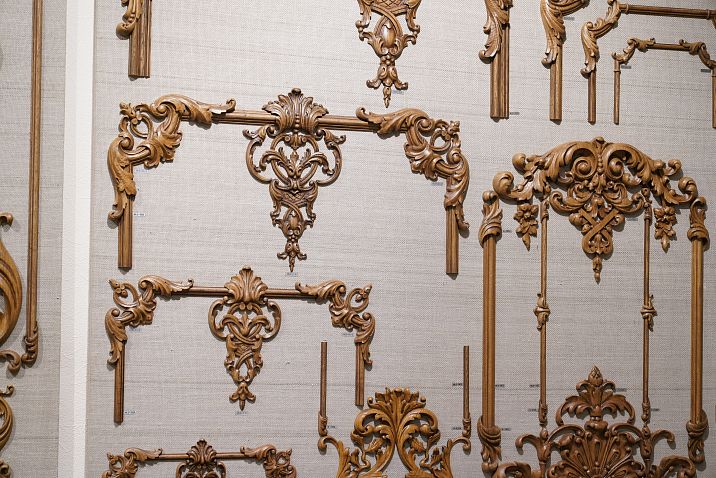
Natural wood is a material that has embodied warmth, eco-friendliness, and timeless elegance for centuries. In modern interior design, wood is used not only for furniture but also for wall, ceiling, and other space elements. Thanks to its unique physicochemical properties, natural wood can transform any interior, giving it a distinctive charm and coziness. In this article, we will thoroughly examine wood finishing materials for walls, paying attention to such elements as %sWooden Skirting Boards, wooden cornices, Wooden rails, Wooden planks andWooden anglesWe will review the history of wood application, advantages of materials, modern processing technologies, and practical tips for choosing and maintaining such items.


1. History of Using Wood in Interior Finishing




1.1 Traditions and Cultural Heritage
The use of wood for interior finishing has deep historical roots. In ancient civilizations such as Egypt, Greece, Rome, and China, artisans used wood to create carved panels, decorative columns, and moldings, highlighting the high status and refinement of interiors. These traditions were passed down from generation to generation, and each nation developed its unique woodworking techniques. It is precisely this rich history and cultural heritage that inspires modern designers, allowing them to draw ideas from the past and integrate them with the latest technologies.
Our factory also produces:


1.2 Evolution of Processing Technologies
Over time, wood processing methods have significantly changed. Manual labor gave way to mechanized processes, enabling higher precision and quality of products. During the Industrial Revolution, the first planers appeared, and today, digital carving, laser engraving, and CNC milling technologies are widely used in the production of finishing materials. These innovative methods allow creating complex patterns and decorative elements that were previously available only in limited quantities. Modern processing technologies not only preserve the natural beauty of wood but also significantly improve its performance characteristics, which is especially important for wall finishing.
Get Consultation
2. Advantages of Wood Finishing Materials
2.1 Natural Aesthetics
Natural wood has an incomparable texture, rich color palette, and natural luster. Wood finishing materials impart a warm and cozy atmosphere to interiors. Natural tones and unique wood grain patterns make each item individual, allowing to create an exclusive space with a distinctive character.
2.2 Strength and Durability
Wood has high mechanical strength and can withstand significant loads. With proper care and protection, wood finishes retain their properties for decades. Such materials do not require frequent replacement, making them economically advantageous in the long term.
2.3 Ecological purity
Natural wood is an eco-friendly material, free of toxic substances. With rational forest management, it is a renewable resource, contributing to the creation of a healthy and safe interior. Eco-certified materials (with FSC or PEFC certificates) guarantee that the raw material is obtained in accordance with all sustainability standards.
2.4 Thermal and Acoustic Insulation
Due to its fibrous structure, wood has excellent thermal and acoustic insulation properties. These characteristics are especially important for creating a comfortable microclimate in rooms. Wooden wall finishes help retain heat in winter and prevent unwanted noise penetration, improving quality of life and reducing energy consumption.
3. Main Types of Wood Finishing Materials for Walls
Depending on the project and aesthetic preferences, various wood materials can be used for wall finishing. Let's consider the main categories.
3.1 Wooden Skirting Boards
Wooden Skirting Boards are an important element of wall finishing, highlighting the interior style. They serve not only to conceal the junctions between walls and floors, but also as a decorative element that gives the room a finished look. Skirting boards can be made from solid wood, veneer, or plywood, and may also be adorned with carving or inlays.
● Advantages:
○ Aesthetic appeal and the ability to create unique patterns.
○ Functionality – protection of the lower part of the wall from damage and dirt.
○ Universality – easily fit into interiors of any style.
3.2 Wooden cornices
wooden cornices play an important role in interior decoration, serving to frame windows and doors. They help emphasize architectural elements and add elegance and style to the interior. Cornices can be either classic with carved details or modern, executed in a minimalist style.
● Advantages:
○ Highlight the elegance of window and door openings.
○ Create an accent and visual unity in the interior.
○ Can be made in various styles, from classic to modern.
3.3 Wooden strips
Wooden rails are used to create decorative compositions on walls, ceilings, and other surfaces. They allow achieving interesting effects when combined with other materials or painted. Strips can serve as a basis for creating structural elements, accent zones, or artistic installations.
● Advantages:
○ Possibility of creating unique decorative solutions and patterns.
○ Ease of installation and possibility of combining with other finishing materials.
○ Perfectly suit modern interiors with minimalist elements.
3.4 Wooden battens
Wooden planks are a universal material used both for finishing and creating structural elements in the interior. They can be used to decorate niches, create decorative frames, or to manufacture furniture. Battens are distinguished by high strength and natural appearance, making them indispensable in both classic and modern design.
● Advantages:
○ Strength and durability.
○ Possibility of use as both decorative and structural elements.
○ Natural texture and possibility of individual processing.
3.5 Wooden corner pieces
Wooden angles are small but important finishing elements used to decorate joints, corners, and transitions between different surfaces. They help create a neat and finished look in the interior, concealing imperfections of connections and adding an additional decorative accent.
● Advantages:
○ Final touch in wall and furniture finishing.
○ Possibility of creating complex decorative patterns and carved elements.
○ Ease of installation and durability when properly processed.
4. Technologies for processing and finishing wooden materials
4.1 Modern processing methods
Modern technologies allow achieving flawless quality of wooden finishing materials. The use of CNC machines and laser cutting enables creating complex patterns and decorative elements with high precision. Precise technologies of planing and sanding ensure smooth and even surfaces, which is the guarantee of the aesthetic appeal of the products.
4.2 Laminating and veneering
Laminating is the process of applying a decorative layer (such as veneer or laminate) onto a base made of MDF or particleboard. This method allows to imitate the appearance of solid wood while maintaining the material's stability and durability. Modern laminating technologies provide even coverage and protection against moisture, ultraviolet rays, and mechanical damage.
4.3 Thermal Treatment and Modification
Thermal treatment of wood improves its performance characteristics, increasing resistance to decay, moisture, and insects. This innovative method allows preserving the natural appearance of the material, making it stronger and more durable. Thin decorative elements treated thermally exhibit exceptional resistance to climatic changes, which is especially important for wall and other surface finishes.
4.4 Impregnation and Lacquering
At the final stage of wood treatment, protective coatings—varnishes, oils, waxes, or paints—are applied. Impregnating compounds create a thin protective layer on the surface that enhances the natural wood texture and preserves its natural hues. Eco-friendly and safe compounds ensure the longevity of finishing materials, preventing fading and degradation due to external factors.
5. Application of wooden finishing materials for walls in interior design
5.1 Wall Cladding
Using wooden finishing materials for wall cladding allows creating a unique atmosphere in a room. Wooden panels, planks, and decorative overlays give walls a natural texture and warmth, making the interior cozy and stylish. Thin elements, crafted with high precision, can be used to create accent walls, where each detail highlights the uniqueness of the space.
5.2 Decorative Elements and Panels
Decorative wood materials allow diversifying the interior and adding originality. Carved panels, decorative inserts,Wooden Skirting Boards andwooden cornices create visual accents, emphasizing architectural features of the room. By combining different types of finishes, designers can achieve a unique effect that becomes the focal point of the interior.
5.3 Furniture Solutions
Finishing walls with natural wood materials harmoniously complements wooden furniture, creating a cohesive and balanced interior image. Tables, chairs, cabinets, and other furniture items made from natural wood are not only functional but also highlight the natural beauty of the space. Using quality materials allows creating furniture that will serve for many years while retaining its aesthetic value.
6. Application of wooden finishing materials for walls in exterior design
6.1 Façade Solutions
Exterior building cladding with wooden materials gives them a distinctive charm and elegance. Cladding façades with wooden panels,wooden rails and decorative overlays creates a natural and warm appearance, harmoniously blending into the natural landscape. Such solutions provide protection for the structure while giving it a unique exterior look.
6.2 Entrance Areas and Balconies
Wooden finishing materials are used for decorating entrance areas, doors, and balconies.Wooden planks andWooden angles They help create a neat and finished look, giving the building a sense of solidity and status. Such cladding emphasizes the ecological orientation of the project and creates a first impression that lingers long.
6.3 Landscape Design
In exterior design, natural wood is used not only for building cladding but also for creating decorative elements in landscape design. Decorative fences, gazebos, pergolas, and garden furniture made from thin wooden panels allow creating a harmonious space that unites architectural solutions and natural landscape.
7. Ecological Significance and Sustainable Development
7.1 Ecological Purity of Natural Wood
Natural wood is an ecologically clean material, free of synthetic additives. With rational forest management, wood is a renewable resource, contributing to the creation of ecologically safe interiors and buildings. Using eco-certified materials helps reduce negative environmental impact and ensures health safety.
7.2 Sustainable Production
Certification of wood according to international standards (FSC, PEFC) guarantees that materials are obtained in accordance with sustainable development principles. This is especially important under conditions of global climate change and growing concern about environmental issues. Using natural wood supports responsible production and contributes to preserving forested areas.
7.3 Social Significance of Craftsmanship
Supporting traditional woodworking crafts plays an important role in preserving cultural heritage. Each decorative element made from natural wood reflects centuries-old traditions and craftsmanship passed down from generation to generation. Choosing wooden finishing materials not only decorates your space but also supports artisans, promotes local production, and strengthens the economies of regions rich in forest resources.
8. Modern Trends and Innovations
8.1 Digital Technologies in Wood Processing
Modern technologies such as laser cutting, CNC milling, and digital modeling allow achieving incredible precision in processing decorative materials. These innovations open up limitless possibilities for creating unique patterns and decorative elements that were previously available only in limited quantities.
8.2 Personalization and Custom Projects
Modern clients increasingly seek custom solutions that reflect their personal style. Custom projects, executed according to individual sketches, allow for the creation of exclusive decorative elements that emphasize the uniqueness of the interior. Personalization includes the choice of wood species, decorative carving, inlay, and other processing techniques, making each piece one-of-a-kind.
8.3 Eco-Minimalism
Modern interior design is increasingly focused on sustainability and minimalism. Natural wood, used in its pristine form, creates a sense of purity and naturalness. Simple lines, natural shades, and concise forms are all characteristic of contemporary interiors, where decorative wood materials serve as the main accent that unifies the space.
8.4 Global Collaboration and Knowledge Exchange
The global wood market is actively developing thanks to global collaboration among manufacturers, designers, and architects. The exchange of experience and the implementation of advanced technologies enable the creation of products that meet the highest quality standards. Catalogs, such as the solid wood products catalog, promote the best solutions and help consumers make informed choices.
9. Practical Recommendations for Selecting and Caring for Wood Finishing Materials
9.1 Defining Functional Requirements
Before selecting wood finishing materials for walls, it is necessary to define the functional objectives of the project. This includes choosing the type of finish: wall cladding, decorative panels, elements of interior partitions, or accent details. A clear understanding of the purpose helps in selecting the optimal wood species and processing technology.
9.2 Material Selection
When selecting wood finishing materials, pay attention to:
● Wood species. Determine which species best suits your interior. Oak and walnut are suitable for classic styles; ash, birch, and pine are ideal for modern and minimalist solutions.
● Processing methods. The quality of planing, milling, lamination, and thermal treatment directly affects the appearance and durability of the product.
● Environmental certification. Choose materials certified by FSC or PEFC, which guarantees their environmental purity and sustainable production.
9.3 Product Care
To ensure wood finishing materials retain their beauty and functional properties:
● Regularly clean surfaces with a soft cloth, avoiding aggressive chemical agents.
● Periodically renew protective coatings—varnishes, oils, or waxes—to preserve natural shades and protect the wood from moisture and ultraviolet light.
● Monitor climatic conditions in the room to avoid sudden temperature and humidity fluctuations, which can lead to deformations.
9.4 Combining with Other Materials
Wood combines beautifully with metal, glass, stone, and textiles. The correct combination of different materials allows for the creation of harmonious and stylish interiors, where each element complements and highlights the beauty of natural wood.
10. Examples of Successful Projects
10.1 Residential Interiors
In luxury homes and apartments, decorative elements made of natural wood create an atmosphere of warmth and coziness. Wall cladding with wooden panels, the use of wooden baseboards и Wooden crown mouldings imparts a unique style to the space, emphasizing the connection with nature and the high quality of finishing.
10.2 Commercial and Public Spaces
In restaurants, cafes, offices, and hotels, the use of wooden finishing materials contributes to creating a comfortable and inviting atmosphere. Decorative panels made of natural wood not only enhance the interior but also demonstrate ecological responsibility and a commitment to quality. Such solutions help establish a unique establishment image and enhance its prestige.
10.3 Art Objects and Designer Installations
Modern artists and designers actively use natural wood to create unique art objects and decorative installations. Delicate decorative elements, crafted using laser engraving and digital modeling, become focal points and highlight the individuality of the space. These projects demonstrate that traditional materials can be contemporary, innovative, and highly aesthetic.
Conclusion
Wooden wall finishing materials are a choice in favor of natural beauty, durability, and ecological purity. Natural wood possesses a unique texture, rich palette of tones, and natural luster, allowing the creation of interiors filled with warmth and coziness. The use of such elements, such asWooden Skirting Boards, wooden cornices, Wooden rails, Wooden planks andWooden angles not only adds elegance to walls but also creates functional and long-lasting solutions that will serve for many years.
Modern wood processing technologies allow integrating traditional craftsmanship with innovative methods, opening boundless possibilities for creativity. Using natural wood for wall finishing becomes a guarantee of creating eco-friendly, energy-efficient, and stylish interiors that reflect high standards of quality and aesthetics.
When selecting wooden finishing materials, it is important to consider functional requirements, processing characteristics, and, of course, aesthetic aspects. Investments in quality wood are repaid through longevity and uniqueness of the products, while the ecological purity of the material becomes an additional advantage for those concerned about health and the environment.
For more detailed information and to explore the product range, we recommend visitingthe catalog of solid wood products. Here you will find the best solutions to implement your projects and make an informed choice in favor of natural materials capable of transforming your space.
Natural wood is not just a finishing material. It is a philosophy reflecting centuries-old craftsmanship traditions, a commitment to ecological purity, and a love for nature. Let your space be filled with harmony, and wall finishing using natural wood will become a symbol of timeless elegance and quality that will delight you and your loved ones for many years.