Article Contents:
- 1. Why decorate interior items?
- 2.1. Furniture and wall appliqués
- 3.1. Furniture decoration
- Conclusion

Interior item decoration is an important design aspect that helps highlight the room's style, create a harmonious space, and add individuality. Various decorative elements, such asMoldings, applique, Moldings and cornicesmake the interior more expressive, elegant, and finished.
How to properly decorate interior items? Which elements to use? This article examines key techniques that allow furniture, walls, doors, and other details to achieve a stylish and aesthetically pleasing appearance.


1. Why decorate interior items?
Interior item decoration performs several functions:
● Aesthetic – decorative elements improve the appearance of furniture, walls, ceilings.
● Functional – some elements, such asMoldingshelp conceal defects in walls and ceilings.
● Historical – decoration can emphasize style (classicism, baroque, modern, art deco).
● Spatial – usingdecorative inserts or outlets helps create accents and structure the space.
Tip: Interior item decoration can be used not only in new interiors, but also for restoring old furniture or updating room designs.
2. Main elements of interior item decoration
There are many decorative elements used for decorating furniture, walls, doors, and ceilings.




2.1. Furniture and wall appliqués
Decorative Inserts are used to decorate cabinet facades, chests, interior doors, and walls.
Advantages:
● Ease of installation.
● Ability to paint in any color.
● Adding expressive details to the interior.
Application:
● Decorating furniture facades in classic or modern style.
● Updating interior doors.
● Creating three-dimensional decorative compositions on walls.
2.2. Moldings and cornices
Moldings and cornices help create a sense of luxury and depth in the interior.
Advantages:
● Add aristocracy and elegance.
● Suitable for classic and modern interiors.
● Conceal wall and ceiling imperfections.
Application:
● Ceiling decoration using cornices.
● Creating decorative wall panels.
● Decorating arches, door and window openings.
2.3. Ceiling and wall rosettes
Decorative rosettes are used to decorate chandeliers, ceiling lights, and accent walls.
Advantages:
● Easy to install.
● Can be painted to resemble gold, bronze, or silver.
● Enhance the visual perception of ceilings.
Application:
● Decorating the central part of the ceiling.
● Adding decorative elements to walls.
● Creating accent zones around mirrors or fireplaces.
2.4. Trim items
Trim refers to interior decoration elements such as cornices, strips, and molding.
Advantages:
● Create clear lines and symmetry in the interior.
● Perfect for creating decorative panels.
● Suitable for decorating furniture and walls.
Application:
● Framing mirrors and pictures.
● Decorative wall zoning.
● Furniture decoration.
3. Ways to decorate various interior items
Our factory also produces:


3.1. Furniture decoration
Using decorative appliqués, molding, and stucco allows furniture to have an original and luxurious look.
Furniture decoration ideas:
● Using molding to frame cabinet facades.
● Creating carved inserts on dresser doors.
● Decorating tables and bed headboards.
3.2. Door Finishing
Decorative elements allow doors to become more expressive and stylish.
Door decoration ideas:
● Decorating door openings with moldings.
● Adding carved appliqués for interior doors.
● Using molding to decorate door panels.
3.3. Wall decoration
Molding, moldings, decorative appliqués help create accent zones and add individuality to the interior.
Wall decoration ideas:
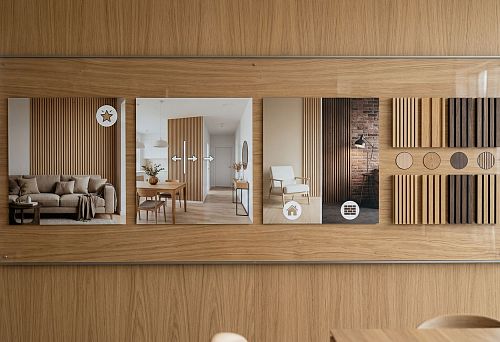
● Creating decorative panels with moldings.
● Framing mirrors and paintings in three-dimensional frames.
● Use of electrical outlets and trim for stylistic decoration.
Get Consultation
Conclusion
Decorating interior items is not merely decorative embellishment, but an important tool that allows creating a unique, harmonious, and functional space. Decorative elements such as moldings, trim, appliqués, and decorative panels not only highlight architectural features but also completely transform the interior, giving it depth, character, and individuality.
Proper use of decorative elements helps structure the space, create expressive accents, and conceal possible flaws. Updating furniture with carved appliqués, decorating walls with moldings, elegant ceiling outlets — all of this helps imbue the interior with sophistication, elegance, and a unique style.
The key advantage of such elements is that they suit a wide variety of styles — from classic and art deco to modern minimalism and eclecticism. Thanks to their ease of installation, paintability, and high durability, decorative solutions remain relevant for many years.
When creating an interior, it is important to remember that every detail plays its part. Using quality decorative elements allows forming a cohesive image, adding aesthetics to the interior, and making it visually complete. Decorating interior items is a way to realize unique design ideas and transform the space into a comfortable, stylish, and inspiring place to live.