Article Contents:
- 1. Basic Principles of Shop Interior Design
- 2.1. Main Zones in the Shop
- 2.2. Zoning Methods
- 3.1. Wall Materials
- 3.2. Floor Materials
- 3.3. Ceiling Materials
- Conclusion
Shop interior design is a crucial stage in creating a successful business. The design of the space directly affects customer behavior, brand perception, and sales levels. Why do some stores attract customers and create comfortable shopping conditions, while others remain unnoticed? How to properly zone the space? What materials to use? What should the lighting, color palette, and furniture arrangement be?
A well-designed interior makes the store convenient, helps create the right impression of the brand, and stimulates customers to make purchases. This article covers the main principles of shop design, important details to consider, and practical tips for creating an attractive and functional interior.


1. Basic Principles of Shop Interior Design
The shop interior should be not only aesthetically pleasing but also convenient for both customers and staff. Key principles to pay attention to:
● Functionality – correct placement of trading equipment, convenient aisles, logical distribution of goods.
● Visual appeal – the design should attract attention, reflect the store’s style, and match its concept.
● Comfort – the interior should create a pleasant atmosphere conducive to customers staying longer.
● Logical navigation – visitors should easily orient themselves in the store and find the products they need.
● Lighting – properly selected lighting highlights products, creates a cozy atmosphere, and emphasizes interior details.
How to achieve these goals? Let’s consider key aspects of design.
2. Space Zoning in the Shop
How to properly organize the store space so that customers can easily navigate? Zoning is one of the most important stages.




2.1. Main Zones in the Shop
● Entrance zone – the first thing a customer sees. It should be designed to immediately attract the visitor’s attention and invite them in.
● Sales area – the main zone where products are located. The space should be organized so that customers can move freely and easily find the products they need.
● Cash area – a convenient place for payments, designed to minimize queues.
● Display zones and windows – accent zones that draw attention to new collections, promotions, and popular items.
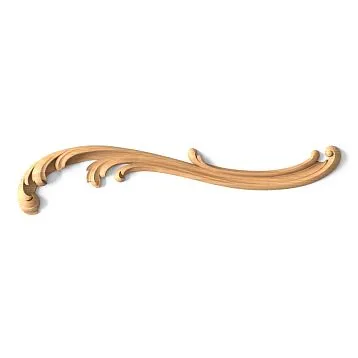
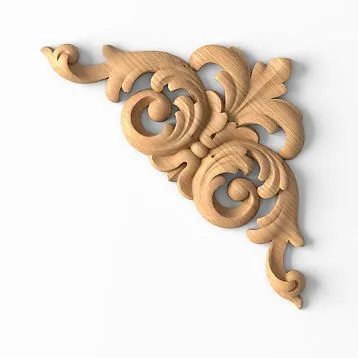
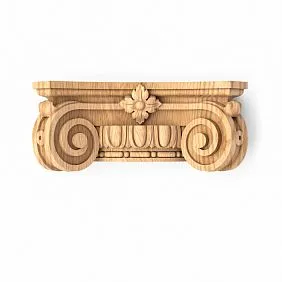
Our factory also produces:



2.2. Zoning Methods
● Shelves and partitions – allow dividing the trading space into convenient sections.
● Different finishing materials – combining different floor and wall coverings helps to distinguish separate zones.
● Lighting – spotlights help draw attention to specific products and zones.
It is important that customers can easily orient themselves in the space and quickly find the products they are interested in.
3. Selection of Materials for Design
What materials to use for finishing walls, floors, and ceilings? They should not only be aesthetic but also practical, durable, and match the store's concept.
Get Consultation
3.1. Wall materials
● Paint – a universal option, especially for stores with frequent display changes.
● Decorative panels – create a stylish accent, used in areas requiring special attention.
● Wallpaper – suitable for small boutiques, creates a cozy atmosphere.
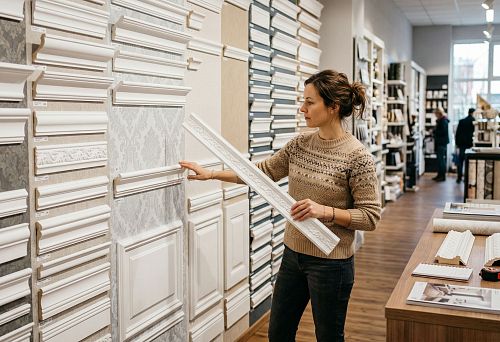
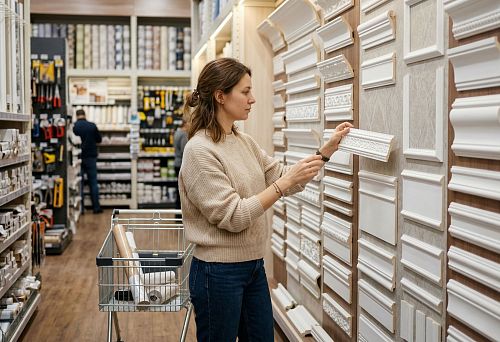
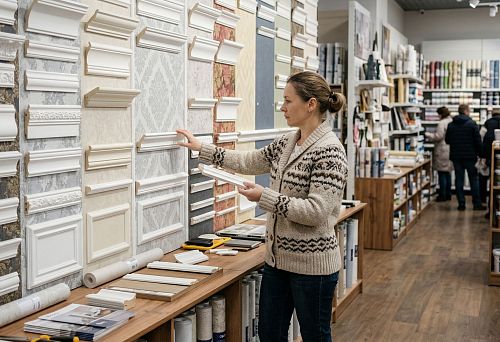
Tip: Usedecorative moldings and polyurethane trimto give walls expressiveness and individuality.
3.2. Floor Materials
The floor in a store is subjected to high loads, so it must be durable and easy to maintain.
● Ceramic tile – durable, resistant to abrasion, and easy to clean.
● Laminate – a convenient, aesthetic option for small stores.
● Commercial vinyl flooring – practical, affordable, and withstands heavy loads.
3.3. Ceiling Materials
● Suspended ceilings – help conceal utilities and create stylish lighting.
● Drywall structures – allow for interesting ceiling designs with lighting.
Tip: Usedecorative rose outlets for creating accent ceiling elements.
4. Lighting in the Store
How to properly choose lighting? It must perform several functions:
● General lighting – creates background light, evenly illuminating the space.
● Accent lighting – highlights display cases, mannequins, and promotional zones.
● Functional lighting – ensures comfortable operation of checkout and fitting areas.
Tip: Use LED lamps with warm or neutral light to create a comfortable atmosphere for customers.
5. Decorative Elements and Branding
What decorative elements can be used to highlight the uniqueness of the store?
● moldings and cornices – create an atmosphere of coziness and luxury.
● Mirrors – visually enlarge space, especially in small boutiques.
● Graphic elements – logos, brand colors, slogans help create a recognizable style.
Tip: Add decorative elements to the display cases and walls to emphasize the brand style.
Conclusion
Store interior design is not just about selecting a color palette and arranging retail equipment. It is a comprehensive process requiring a detailed approach to every aspect: zoning, selection of finishing materials, lighting, decorative design, navigation convenience, and psychological perception of space by customers. The interior must work to create a positive impression, attract customers, enhance comfort in the sales area, and motivate them to make a purchase.
A well-designed store plays a key role in sales, as it influences customer behavior, their level of engagement, and their desire to return. If the space is poorly organized, products are hard to find, lighting is dim or overly aggressive, and the design style does not match the brand concept, customers will quickly leave the store without making a purchase.
The most important element of design is space zoning. Dividing the store into functional zones helps customers easily navigate, find desired products, and move comfortably through the sales area. For example, a well-designed entrance zone should attract attention and create the right first impression, while the checkout zone should be convenient and ergonomic to minimize queues and provide comfortable conditions for customers.
allows the interior to gain expressiveness, emphasize the style, and create unique accents on walls, ceilings, and display zones.polyurethane decorative elements allows the interior to gain expressiveness, emphasize the style, and create unique accents on walls, ceilings, and display zones.
Lighting plays a critically important role in the store's interior. Different zones require different approaches to lighting. For example, general lighting should provide even illumination of the sales area, accent lighting helps highlight important products, new arrivals, or promotional zones, and decorative lighting creates an atmosphere and emphasizes the interior's style.
Decorative finishing – the final touch that forms the emotional component of the space. Here, you can use mirrors, graphic elements, branded details, textiles, and various decorative appliqués.moldings and cornices will help give the interior individuality, and mirrors visually enlarge the space, making it feel lighter and airier.
When designing a store, it is important to consider not only aesthetic factors but also customer behavior, expectations, and spatial perception. For example, using warm tones in the design makes the interior more cozy, while neutral tones allow customers to focus on the products.
A thoughtfully designed and aesthetically appealing store interior contributes to increasing the time customers spend in the sales area, which, in turn, positively impacts sales levels. Customers are more likely to return to the store if it is comfortable, pleasant, convenient to find products, and the interior matches their expectations.
Usehigh-quality finishing materials, polyurethane moldings, decorative panels, and moldings allows creating a functional, stylish, and memorable interior that not only attracts customers' attention but also enhances their comfort.
A thoughtful approach to store design is an investment in business development, creating a recognizable brand image, and forming a pleasant shopping experience that motivates customers to return again and again.