Article Contents:
- 1. Basic principles of cafe design
- 1.1. Atmosphere and concept
- 2.1. Loft — industrial aesthetics
- 3.1. Moldings and decorative moldings
- Conclusion
- What interior attracts customers?
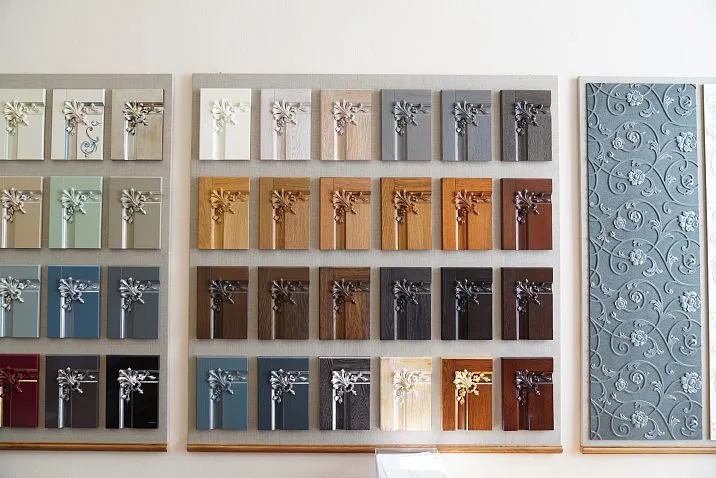
Cafe interior design plays a key role in creating a unique atmosphere, attracting customers, and building a brand. Guests come to cafes not only for delicious food, but also for a special atmosphere that makes their visit pleasant and memorable. The interior should be comfortable, stylish, functional, and match the concept of the establishment.
How to choose a design style? What decorative elements will help create coziness and uniqueness? What materials, furniture, and lighting are better to use? In this article, we will consider key aspects of cafe interior design, popular styles, and practical tips.


1. Basic principles of cafe design




1.1. Atmosphere and concept
Cafe interior should support the concept of the establishment. For example, French cafes are designed in a romantic style with light tones and vintage furniture, while loft cafes are designed in an industrial style with concrete walls and metal elements.
How to create a cafe atmosphere?
● Define the main idea and style of the establishment.
● Use decorative elements to enhance the concept.
● Choose furniture, lighting, and color palette according to the overall design.
Question: Which style best conveys the concept of your cafe?
1.2. Ergonomics and comfort
Guests should feel comfortable. This means proper table placement, comfortable furniture, and well-thought-out lighting.
How to ensure comfort in a cafe?
● Leave enough space between tables for guest convenience.
● Choose ergonomic chairs and sofas with comfortable backs.
● Use different lighting to create a cozy atmosphere.
Tip: Add moldings and decorative panels to walls to visually zone the space.
2. Popular cafe interior design styles
Choosing a style determines the overall impression guests will receive. Let's consider the most popular styles.
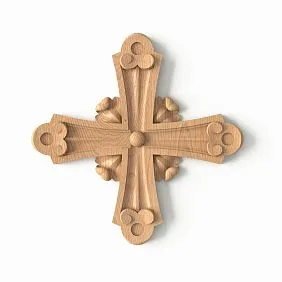
Our factory also produces:


2.1. Loft — industrial aesthetics
Loft cafes are spacious areas with minimal decor, high ceilings, and rough materials.
How to design a cafe in a loft style?
● Leave exposed brick walls or use their imitation.
Use metal and wooden structures.
Use industrial lighting — pendant lamps with exposed bulbs.
Tip: Add decorative appliqués to highlight accent walls.
2.2. Classic style — elegance and comfort
Classic cafés create an atmosphere of sophistication and comfort.
How to design a café in a classic style?
Use stucco and moldings to decorate walls and ceilings.
Choose luxurious chandeliers and wall sconces for soft lighting.
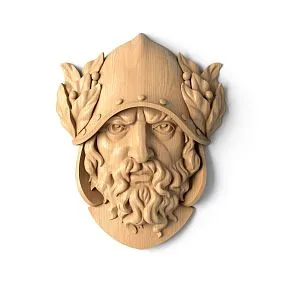
Use refined furniture with carved elements.
2.3. Provence — French charm
Cafés in the Provence style are characterized by lightness, romance, and a cozy atmosphere.
How to create a Provence style?
Use pastel shades and natural materials.
Add carved appliqués to furniture and walls.
Decorate the interior with textile elements — curtains, cushions, tablecloths with floral patterns.
2.4. Modern minimalism — stylish lines
Modern cafés in a minimalist style focus on simplicity and functionality.
How to design a café in a minimalist style?
Use monochromatic walls with accents of wood and metal.
Apply smooth surfaces and strict lines.
Minimize decoration, but add small decorative panels for interior depth.
Tip: To avoid a dull interior, use contrasting colors or decorative inserts.
3. Decorative elements for café design
Decor plays a key role in creating the atmosphere and visual perception of the café.
Get Consultation
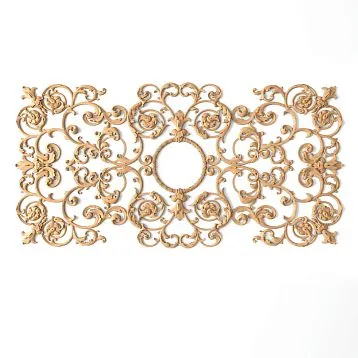
3.1. Stucco and moldings
Where to use stucco?
● In ceiling and wall decoration.
● To accentuate columns and arches.
● For zoning the space.
Decorative moldings and pilasters
How to use overlays?
For decorating doors and furniture.
For decorating wall panels.
3.3. Lighting
What lighting sources to use?
General lighting — chandeliers and pendant lights.
Accent lighting — wall sconces, table lighting.
Decorative lighting — molding and cornice lighting.
Tip: Use lighting to create an atmosphere of coziness and romance.
Conclusion
Designing a café interior is not just about choosing furniture and color schemes, but creating a unique space where every detail contributes to an atmosphere of coziness, hospitality, and harmony. A café is a place where people come not only to eat, but also to relax, spend time with friends, and enjoy the ambiance. That’s why the interior must be impressive, memorable, and comfortable.
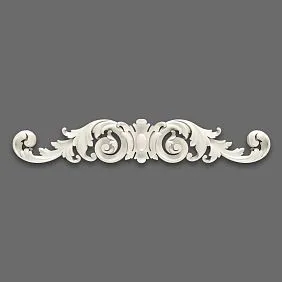
A well-designed interior helps establish an emotional connection with customers. Individual decorative elements, such as moldings, trimmings, and decorative appliqués, help create an elegant atmosphere, highlight the uniqueness of the establishment, and form a stylistic unity.
Lighting, zoning, and color accents play a crucial role in perceiving space. Bright neon signs and industrial lamps suit loft cafés, while soft diffused light and warm tones perfectly complement classic or romantic establishments. Light sets the mood, highlights key zones, and makes the space visually appealing.
Furniture should not only be stylish but also comfortable. Every table, chair, sofa, or bar counter should emphasize the overall design, yet not overwhelm the interior. It is important to remember that visitor comfort directly affects their desire to stay longer and return again.
A thoughtfully designed decorative concept helps form a unique, recognizable café style. Using cornices, pilasters, and decorative elements allows creating a visually cohesive, well-thought-out, and memorable image.
What interior attracts visitors?
● The interior should evoke emotions and be visually pleasing.
● The space should be cozy but not cluttered.
● It is important to combine practicality, style, and originality.
● Decorative elements should complement the concept, not distract attention.
When designing a café interior, it is necessary to consider the target audience. For example, a youth café may be styled with bold colors and unusual details, while a family café will lean toward a warm atmosphere, soft tones, and comfort. Regardless of the chosen style, a thoughtful combination of materials, lighting, furniture, and decorative accents creates a space that visitors want to return to.
A stylish, thoughtfully designed, and comfortable café is not just a place for food—it is a magnet for customers who come not only for delicious dishes but also for atmosphere, emotions, and aesthetic enjoyment.