Article Contents:
- 1. Basic Principles of Home Interior Design
- 1.1. Planning and Concept
- 1.2. Color and Lighting
- How to Work with Colors?
- How to Choose Lighting?
- 2. Ways to Decorate Home Interior
- 2.1. Using Moldings and Molding
- 2.2. Decorative Panels and Carved Elements
- 2.3. Ceiling Decoration
- 3.1. Classic Style
- How to Create an Interior That Will Delight You for Years?
Home decoration is not just a process of choosing furniture and finishing materials, but an art of creating a space that reflects the style, preferences, and lifestyle of the owners. A well-thought-out interior design helps make the home functional, cozy, and aesthetically pleasing, as well as create an atmosphere of harmony and comfort.
What decoration methods will help create a stylish and comfortable space? Which materials, colors, and decorative elements are best to use? In this article, we will discuss the main styles, design principles, and current ideas that will help you decorate your home as beautifully and practically as possible.


1. Basic Principles of Home Interior Design




1.1. Planning and Concept
Before starting to decorate your home, it is important to define the interior concept and functional zones.
What to Consider?
● What atmosphere do you want to create? – cozy, minimalist, luxurious, warm.
● Which styles suit you best? – classic, modern, loft, Scandinavian style.
● Which materials and color solutions do you like? – wood, stone, polyurethane elements, pastel or saturated shades.
Tip: Use moldings, stucco, and decorative panels to visually divide space and add texture to the interior.
Our factory also produces:

1.2. Color and Lighting
Color palette and lighting are important tools in interior design. They can visually expand space, create the desired mood, and highlight the style.
Get Consultation
How to Work with Colors?
● Light shades – increase space, create lightness.
● Dark tones – add depth and expressiveness.
● Contrasting combinations – make the interior dynamic and stylish.
How to Choose Lighting?
● General lighting — chandeliers, recessed lights.
Zonal lighting – wall sconces, floor lamps, table lamps.
Decorative lighting – molding and cornice backlighting, built-in LED strips.
Tip: Use layered lighting to create light effects and make the interior cozier.
2. Ways to decorate the interior of a home
2.1. Use of moldings and cornices
Moldings and cornices add elegance and architectural expressiveness to the interior.
How to use moldings?
● Ceiling, wall, and door frame decoration.
● Creating decorative panels and geometric patterns on walls.
● Adding elegance to both classic and modern interiors.
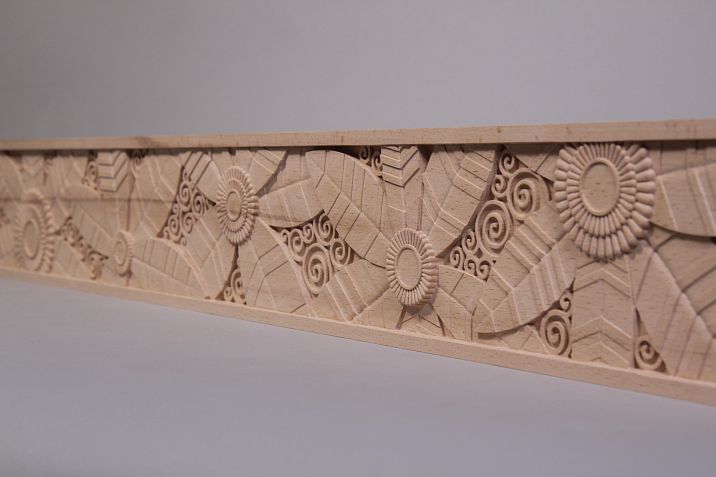
2.2. Decorative appliqués and carved elements
Decorative appliqués and carved elements help decorate furniture, doors, and walls.
Where to apply?
● For updating old furniture.
● For creating accent details on doors and columns.
● Combined with moldings and cornices for wall decoration.
2.3. Ceiling decoration
How to make the ceiling stylish?
● Use moldings, light fixtures, and cornices.
● Add multi-level structures with backlighting.
● Choose stretch ceilings with matte or glossy finish.
2.4. Decorative elements
Which decorative elements to use?
● Light fixtures – for ceiling lighting and chandeliers.
● Textiles – curtains, rugs, cushions create coziness.
● Mirrors – visually enlarge space and add light.
Tip: Use mirrors in carved frames to give the interior an aristocratic style.
3. Popular interior design styles for homes
3.1. Classic style
Classic style decoration includes elegant lines, moldings, cornices, and rich detailing.
How to create a classic interior?
● Use moldings and decorative elements.
● Choose furniture with carved details.
● Add textile and chandeliers in the baroque style.
3.2. Modern Style
Modern interiors are characterized by simplicity, minimalism, and functionality.
How to decorate an interior in a modern style?
● Use minimalist moldings.
● Add contrasting elements and geometric patterns.
● Use natural materials and textures.
3.3. Loft and Industrial Style
Loft is a combination of concrete walls, metal structures, and open space.
How to decorate an interior in a loft style?
● Use brickwork imitation.
● Add exposed beams and metal structures.
● Use rough textures and contrasting colors.
Conclusion
Home decoration is not just a set of design solutions, but a holistic process of creating a comfortable, stylish, and functional space that reflects the owner's personality, lifestyle, and tastes. Home is a place where we rest, spend time with loved ones, recharge our energy and inspiration. That is why the interior must be thought out down to the smallest details, combining aesthetics, comfort, and durability.
A well-thought-out interior design begins with choosing a style, color palette, and materials. It is important to consider not only fashion trends but also individual preferences, as the interior should be enjoyable and comfortable in daily life. Using moldings, moldings, and decorative appliqués allows you to give the interior expressiveness, architectural depth, and an elegant style. These elements help create harmonious transitions between zones, add refined details, and emphasize decorative accents.
Besides aesthetics, functionality plays the most important role. The interior should be convenient, ergonomic, and meet daily needs. Therefore, it is worth planning furniture placement, space zoning, storage system organization, lighting, and textile decoration in advance. Light, material texture, color contrasts — all of this should contribute to creating a cozy atmosphere and comfort.
Decorative elements such as outlets, columns, cornices, and pilasters can visually enrich the space, making it more complex and refined. This is especially relevant for classic interiors, but even in modern styles, using minimalist moldings or decorative panels can create interesting visual effects and depth of perception of space.
When creating a home interior, it is important to combine tradition and innovation, uniting quality materials with thoughtful modern solutions. Thanks to the right approach to decoration, you can create a space that will remain comfortable, aesthetically pleasing, and functional for many years.
How to create an interior that will delight you for many years?
● Use high-quality and durable materials that retain their aesthetic appearance even after years.
● Thoughtfully combine decorative elements — moldings, moldings, textiles, mirrors, and lighting.
● Create a balance between functionality and aesthetics, considering the ergonomics of the space.
● Plan the lighting system to ensure sufficient natural and artificial light in the home.
● Add elements that reflect your individuality, whether it's custom furniture, family heirlooms, or unconventional decorative solutions.
Home is a place of strength, inspiration, and coziness. Proper interior decoration makes it alive, warm, and unique. It is important to remember that there are no universal solutions, so you should create a space that reflects your personality and lifestyle.
Do not be afraid to experiment, combine styles, add unexpected accents. The main thing is to create an interior where you will feel comfortable living and enjoy every day!