Article Contents:
- Introduction
- Role of Components in Staircase Construction
- Functional Significance of Details
- Aesthetic Role of Components
- Staircase posts
- Natural Wood
- Metal
- Composite materials
- Staircase balusters
- Traditional Balusters
- Modern Balusters
- Staircase handrails
- Ergonomics and Comfort
- Materials and finishing
- Handrail Design
- Handrails
- Functional Features
- Decorative solutions
- Material quality
- Compliance with Design Documentation
- Component Compatibility
- Installation Recommendations
- Classic Interior
- Modern minimalism
- Industrial Style
- Repair and Renovation of Old Staircases
- Modern material processing methods
- Ecological Aspects
- Custom orders and exclusive solutions
- Supplier Selection
- Installation Tips
- Care recommendations
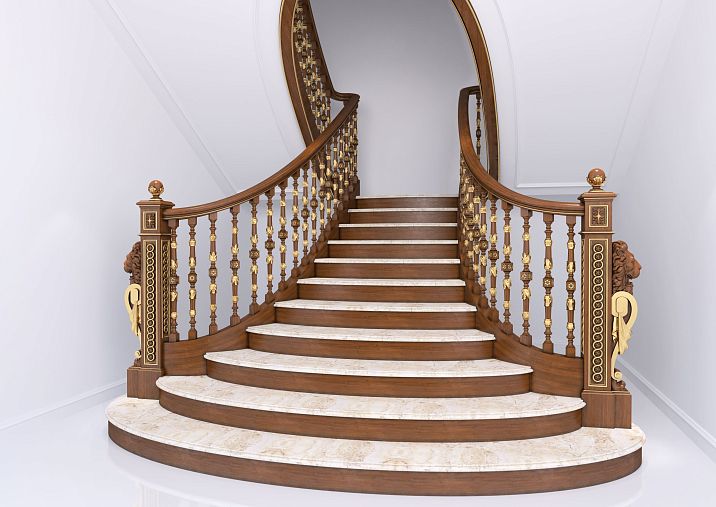
from high-qualitystaircase posts to exquisitebalusters for staircasesfrom reliablehandrails for staircases to finishing touches in the form of decorative finials – all these details form a unified ensemble, ensuring not only safety and comfort, but also aesthetic unity of the structure. In this article, we will provide a detailed overview of staircase components, describe the purpose of each part, methods of installation, and possibilities of application during repair and assembly of staircase runs. We will examine the main categories of products, their technical specifications, and offer practical tips for those planning to update or create a new interior.


Introduction
Modern interior design approaches require attention to every detail. A staircase, being one of the central elements of a home, deserves special attention. Staircase components serve two main functions: they ensure a reliable structure and act as an important decorative element that can highlight the style of the entire space. Whether it's classic, modern, or industrial style – properly selected details can create a harmonious and functional ensemble.
or finials, affect the overall strength, stability, and style of the staircase. In this article, we will examine a detailed catalog of main parts for staircase assembly and repair, share experience and recommendations that will help make the right choice and ensure long-term operation of the structure.Posts for staircase, balusters for staircases, stair railings The handrail or finial affects the overall strength, stability, and style of the staircase. In this article, we will examine a detailed catalog of key components for assembling and repairing staircases, share experience and recommendations to help make the right choice and ensure long-term durability of the structure.




Role of Components in Staircase Construction
Our factory also produces:


Functional Significance of Details
Each element of the staircase run performs a specific task. Let's consider the main components:
● Staircase Posts
They serve as primary supports and ensure the stability of the entire structure. Properly selected and installed posts distribute the load and prevent deformation of the staircase. Their choice depends on style, material, and technical requirements of the project.
● Staircase Balusters
Balusters serve not only a decorative but also a functional role – they ensure safety by preventing falls from the staircase. In addition, balusters are an important element of visual design, capable of emphasizing the interior style.
Handrails for staircases
Handrails provide additional support for users, which is especially important for families with children and elderly people. Quality handrails should be comfortable and reliable, and also harmoniously fit into the overall design.
Newel Posts
Newel posts complete the appearance of posts and balusters, adding finishing touches. They serve a protective function, preventing mechanical damage at the ends of structures, and can also serve as decorative elements.
These components work together to create a safe, sturdy, and beautiful staircase that becomes a central element of the interior.
Get Consultation
Aesthetic role of components
The appearance of the staircase is largely determined by the details used in its assembly. The aesthetics of components are important for creating a harmonious space. Well-executed items can become true works of art, reflecting the owner's individuality and taste.
For example, stylishbalusters for staircases with refined patterns can add classic elegance to the interior. Modernstair railingsexecuted in a minimalist style are perfect for modern interiors. Newel posts can be made using various decorative techniques, allowing for unique effects.
The aesthetics of components directly influence the perception of space, making the staircase not only a functional element but also a central decorative object.
Catalog of main parts for assembling and repairing staircases
Staircase posts
Staircase posts are basic elements that determine the stability of the entire structure. They can be made from various materials:
Baluster made of natural wood possesses special warmth and natural beauty. Such items are usually made from species such as oak, beech, or larch. The price of balusters made of natural wood depends on the quality of the raw material, its density, and the degree of processing. Items handcrafted with decorative carving elements cost more, but they are unique and long-lasting. However, natural wood requires additional treatment — varnishing, oiling, and antiseptics — which also affects the final cost.
Wooden posts are distinguished by their warm and natural appearance. They can be made from oak, ash, or larch. Such items are often treated with varnish or oil to preserve their natural beauty and provide protection against external factors. Wooden posts fit well into both classic and modern interiors.
Metal
Metal posts are characterized by high strength and durability. They are ideal for modern interiors where strict geometry and minimalism are important. Metal items can be painted in various colors, allowing them to harmoniously blend with other interior elements.
Composite materials
Composite posts combine the advantages of both wood and metal. They are resistant to mechanical damage and temperature fluctuations, making them an ideal choice for heavily used objects.
Each type of post has its own features and area of application, so the choice should be based on the specifics of the project, budget, and aesthetic preferences.
Staircase balusters
Balusters for staircases are elements that ensure safety and visual appeal. They can be made as single pieces or consist of several components.
Traditional balusters
Traditional balusters often have carved or inlaid patterns, giving them a unique charm. Such items are ideal for classic interiors, where attention to detail and historical continuity are valued.
Modern balusters
Modern balusters are characterized by a minimalist design and simplicity. Their simple shapes and smooth surfaces fit well into modern interiors. Materials can range from metal to composites, allowing for the optimal solution for any project.
Well-executed balusters not only ensure safety but also become decorative accents that attract attention and set the tone for the entire staircase.
Staircase handrails
Handrails for staircases play an important role in ensuring user safety. They should be comfortable, strong, and aesthetically pleasing. When selecting handrails, the following points should be considered:
Ergonomics and comfort
Handrails should provide comfortable and safe movement along the staircase. Ergonomic shape and optimal diameter are key parameters that affect usability.
Materials and Finishing
Handrails can be made from wood, metal, or composite materials. Each surface requires appropriate treatment to protect against wear and external factors. For example, wooden handrails are often varnished or oiled, while metal ones are treated with anti-corrosion compounds.
Handrail design
Modern handrails for staircases can be made in a wide variety of styles. They can complement balusters and posts, creating a unified harmonious space. Well-chosen handrails can become an important decorative element that enhances the overall interior.
Handrail caps
Newel posts complete the staircase composition, giving posts and balusters a finished look. They serve a protective function, safeguarding the edges of the items from damage, and simultaneously serve as decorative elements.
Functional features
Newel caps protect the ends of details from mechanical damage and help distribute load evenly. They are made from the same material as the main structure, or they can be decorative inserts made to order.
Decorative Solutions
Modern newel caps can be made using various decorative elements – carving, inlays, painting. This allows creating unique solutions that highlight the individuality of your interior and become a striking accent in the staircase composition.
Technical Aspects and Recommendations for Choosing Components
Material Quality
When selecting components for staircases, material quality is crucial. Using certified and tested materials guarantees the longevity and safety of the structure. Regardless of whether it concernsstaircase posts, staircase balusters, staircase handrails or newel caps, it is important that materials meet high standards. The quality of finish, surface treatment, and resistance to environmental exposure – all of this affects the product’s longevity.
Compliance with Design Documentation
When assembling or repairing a staircase, it is essential to strictly follow the design documentation. Dimensions, fasteners, and installation techniques must comply with approved standards to ensure reliable and safe connections of all structural components. Violating these norms may lead to uneven load distribution and, consequently, hazardous situations.
Component Compatibility
It is important that all elements of the staircase harmonize with each other. Components must be designed in a unified style to create a cohesive composition. This applies both to visual compatibility and technical compatibility: dimensions of fasteners, types of materials, and methods of processing must be coordinated.
Installation recommendations
When installing components, it is important to follow the following recommendations:
● Prepare the base. Before installing posts and balusters, ensure the base is level and sturdy.
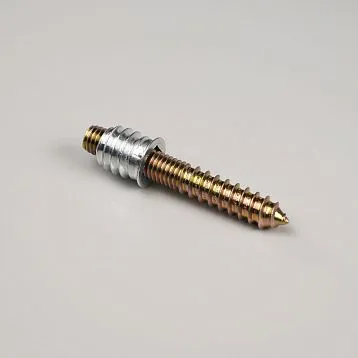
● Use quality fasteners. Use only certified anchors, dowels, and other fasteners that meet the load-bearing characteristics of the structure.
● Check verticality and horizontality. After installing each element, use a level to check for levelness to avoid misalignment and deformation.
● Follow installation technology. Follow the manufacturer’s instructions and design documentation to ensure reliable and long-lasting connections of all components.
● Regular inspection and maintenance. After installation, it is recommended to periodically inspect the structure to promptly identify and address any potential defects.
Examples of Component Applications in Various Interiors
Classic Interior
In a classic interior, the staircase is often a central element reflecting the elegance and refinement of the space. Traditionalbalusters for staircases with intricate carved patterns, solid woodenPosts for staircase and decorative newel caps create an atmosphere of solemnity and nobility. In such interiors, special attention is paid to finish quality and detailing, making the staircase a true work of art.
Modern minimalism
Modern interiors in a minimalist style require components with simple forms and strict geometry.stair railings with smooth lines, minimalist balusters and posts made from modern materials fit perfectly into such a design. The minimalist approach allows creating a space where every detail is functional and free of excess, while maintaining a sense of coziness and harmony.
Industrial style
Industrial-style interiors are characterized by the use of rough, unfinished materials and strict structural solutions. MetalPosts for staircaseminimalistbalusters for staircases and functionalstair railings fit perfectly into this style. In an industrial interior, emphasis is placed on strength, functionality, and openness of structural solutions. Decorative elements can be minimized, with primary attention given to materials and textures.
Repair and Updating Old Staircases
When repairing old staircases, there is often a need to replace or update components. Modern technologies allow not only to restore the original appearance, but also to improve the structure. High-qualityPosts for staircase, newbalusters for staircasesand updated newel caps are not only able to restore the staircase to its original appearance, but also bring fresh design solutions into the interior. Such projects require careful attention to material selection, processing, and subsequent installation.stair railings Advanced technologies are used in the production of staircase components, enabling high quality and precision manufacturing. Processing of natural wood, metal, and composite materials using laser cutting, CNC machines, and modern welding equipment ensures perfect compliance with design specifications.
Production Technologies of Components
Modern material processing methods
Modern methods allow creating items with a high degree of detail, which is especially important for decorative elements such as
and newel caps. Thanks to the use of computer modeling and automated technologies, production becomes more precise, ensuring the longevity and safety of each item.balusters for staircases Modern manufacturers of components pay special attention to the ecological safety of their products. Using natural materials, adhering to strict production standards, and applying environmentally friendly technologies allow creating items safe for health and the environment. Such components not only decorate the interior but also contribute to creating a favorable microclimate in the home.
Ecological aspects
Many manufacturers offer the possibility of manufacturing components to individual order. This allows taking into account all the customer's preferences, creating unique design solutions, and ensuring maximum harmony between interior elements. Ordering exclusive
Custom Orders and Exclusive Solutions
and newel caps allows obtaining unique items that perfectly fit the interior concept and highlight the customer's individuality.staircase posts, balusters for staircases, handrails for staircases The handrail and finial allow you to obtain unique items that perfectly fit the interior concept and highlight the customer's individuality.
Practical recommendations and expert advice
Supplier selection
When selecting staircase components, it is important to turn to proven suppliers who can guarantee the high quality of their products. Reliable companies offer not only standard items but also the possibility of custom manufacturing. Before purchasing, it is recommended to review customer reviews, study the portfolio of completed projects, and ensure the presence of all necessary quality certificates.
Installation tips
Correct installation of components is the key to the longevity and safety of the staircase. Experts recommend:
● Carefully prepare the mounting base.
● Use only high-quality fasteners.
● Conduct regular inspection of fasteners' condition.
● Involve qualified specialists for complex installation work.
● Ensure compliance with project documentation and construction standards.
Care recommendations
After installing the staircase, regular technical maintenance is required. This includes:
● Cleaning surfaces from dust and dirt.
● Regular maintenance of protective coatings (varnish, oil, antiseptic).
● Checking fasteners for loosening.
● Timely repair of minor defects as they are detected.
Such a comprehensive approach will preserve the original appearance of the staircase and ensure its safe use for many years.
Conclusion
Staircase components are the foundation not only for the strength and safety of the structure, but also for its aesthetic appeal. From high-qualitystaircase posts to exquisitebalusters for staircasesto convenienthandrails for staircases to finishing decorative caps – each detail plays an important role. Selection, installation, and regular maintenance of these elements allow you to create a staircase that is not only safe and functional, but also becomes a striking interior accent.
We have reviewed the main categories of components, their functional and aesthetic features, technological aspects of production, as well as practical recommendations for selection, installation, and maintenance. Such a comprehensive approach ensures maximum quality and longevity of the staircase, making it a central element of the interior that reflects the owner’s refined taste and individuality.
Regardless of whether you are repairing an old staircase or assembling a new structure, the correct choice of components is the key to success. Consult trusted suppliers, study product ranges, and do not hesitate to experiment with design. After all, every detail is an opportunity to make your home unique and functional.
Let your staircase become not only a means of moving between floors, but also a work of art that pleases the eye, ensures safety, and creates an atmosphere of comfort and coziness. Invest in quality, pay attention to details, and the result will not disappoint!