












































































Article Contents:
- Historical Journey: The Evolution of Wall Framing
- From Ancient Civilizations to the Renaissance
- Baroque, Rococo, and Classicism: The Peak of Decorative Framing
- Modernism and Contemporary Design: A New Interpretation of Traditions
- The Anatomy of Framing: Basic Elements and Their Functions
- Moldings: Variety of Forms and Profiles
- Crown Molds and Baseboards: Functional Aesthetics
- Panels and Borders: Structuring Space
- Materials for Framing: From Traditions to Innovations
- Wood: Eternal Classic
- Gypsum and Polyurethane: Lightness and Plasticity
- Metal, Glass, and Modern Composites
- Manufacturing and installation technologies
- Traditional Handcrafted Methods
- Modern manufacturing technologies
- Installation Techniques and Finishing Details
- Framing in Various Interior Styles
- Classicism and Neoclassicism: Elegance and Harmony
- Modern styles: minimalism and functionality
- Eclecticism and Fusion: Blending Styles and Eras
- Practical aspects of selection and maintenance
- Choosing Framing for Different Types of Rooms
- Care and restoration
- Ecological aspects and sustainable development
- Conclusion
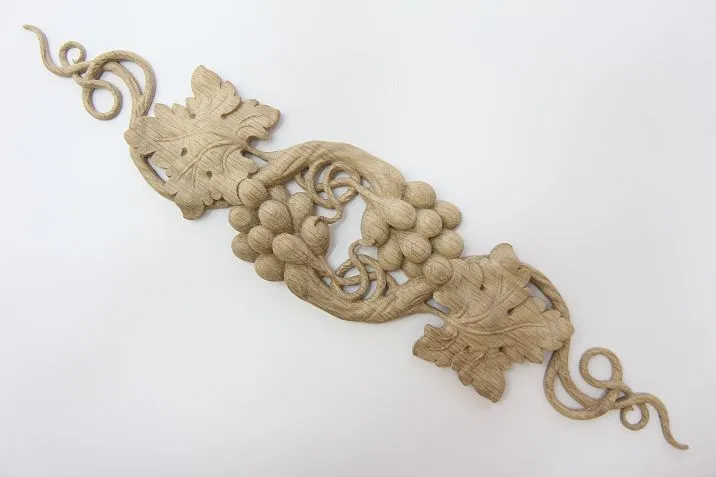
In the world of interior design, there are many ways to transform a space, give it individuality and character. Among these methods, special attention is given to wall framing – a technique that not only decorates a room but also solves a number of practical problems. This art, rooted in deep antiquity, is currently experiencing a true renaissance, finding new applications in modern interiors.
wall framing – it is not just a decorative element, but a whole philosophy of space organization, allowing to create a harmonious environment where every detail is in its place. From classical palace interiors to minimalist modern apartments – everywhere you can find examples of using various types of framing, which highlight the style of the room and reflect the taste of its owners.
In this article, we will dive into the fascinating world of wall framingLet’s examine its history, varieties, materials, manufacturing and installation techniques, as well as modern trends in this field. Whether you are a professional designer, a master carpenter, or simply an admirer of beautiful interiors, this information will help you better understand how framing can transform any space.


Historical Journey: The Evolution of Wall Framing




From Ancient Civilizations to the Renaissance
History wall framing dates back thousands of years. Already in ancient Egypt, architects used stone and wooden elements to decorate door and window openings, as well as to divide walls into sections. These early forms of framing carried not only decorative but also symbolic functions, often reflecting religious beliefs and the social status of the dwelling’s owner.
In ancient Greece and Rome, the art of framing reached new heights. Greek architects developed a system of orders, including various types of columns, cornices, and friezes, which became the foundation for classical wall framing. The Romans refined this system, adding arches, pilasters, and other elements still used in classical interiors.
The Middle Ages brought its own characteristics to framing art. In the Romanesque period, heavy, massive forms dominated, emphasizing the strength and reliability of buildings. In contrast, the Gothic style was characterized by a striving upward, reflected in tall, narrow frames with pointed arches and intricate carved details.
The Renaissance marked a return to classical forms of antiquity, but with a new understanding of proportions and harmony. Masters of this period created refined wall framing using pilasters, cornices, and friezes, often adorned with intricate carving and gilding. It was precisely during this period that framing became an indispensable part of architectural language, a means to express the ideas of humanism and classical beauty.
Our factory also produces:

Baroque, Rococo, and Classicism: the peak of decorative framing
Baroque, emerging in the 17th century, brought dynamism, expressiveness, and theatricality into the art of framing. wall framing During this period, it became more ornate, featuring an abundance of curved forms, volutes, cartouches, and floral motifs. Baroque masters used contrasts of light and shadow, creating dramatic effects that intensified the emotional impact of interiors.
Rococo, developed in the 18th century, further intensified the decorative and elegant qualities of framing. This style is characterized by asymmetrical compositions, curved lines, and an abundance of small decorative elements. wall framing In the Rococo style, it often included motifs of shells, flowers, leaves, and other natural forms, executed with incredible delicacy and craftsmanship.
Classicism, arising as a reaction against the excesses of Baroque and Rococo, returned to more rigorous, restrained forms inspired by antiquity. wall framing In this style, it is characterized by clear lines, symmetry, and harmonious proportions. Classicism masters used elements such as pilasters, cornices, friezes, and medallions, but in a more restrained, rational manner.
Get Consultation
Modernism and contemporary design: a new interpretation of traditions
The end of the 19th century to the beginning of the 20th century marked the emergence of the Art Nouveau (Modern) style, which brought a new perspective on wall framingframing. Masters of this period abandoned direct references to historical styles, creating organic, flowing forms inspired by nature. In framing, floral motifs, curved lines, and asymmetrical compositions became dominant, executed using new materials and technologies.
The 20th century, with its diversity of artistic movements, brought new approaches to framing. The Art Deco of the 1920s–30s combined geometric forms with exotic motifs, creating luxurious, dramatic interiors. Mid-century Modernism rejected excessive ornamentation in favor of clean lines and functionality, but did not entirely reject framing, instead redefining its role in space.
Today wall framing It is experiencing a true rebirth. Contemporary designers freely combine elements from various historical styles, creating unique, individual interiors. New materials and technologies allow for the realization of the boldest ideas, while growing interest in handcraft and traditional trades contributes to the revival of old framing techniques.
The Anatomy of Framing: Basic Elements and Their Functions
Moldings: Variety of Forms and Profiles
Moldings are one of the key elements wall framingdecorative profiled strips that can have various shapes and sizes. Moldings are used to create frames, panels, and other decorative elements on walls, as well as to conceal joints between different materials.
There are many types of moldings, each with its own shape and purpose:
Basic moldings – have a simple profile and are used as a base for more complex compositions. They can be straight, convex, or concave, with smooth surfaces or simple relief.
Profiled moldings – have a more complex shape with multiple levels of relief. They are used to create expressive, three-dimensional compositions on walls.
Corner moldings – are designed to decorate interior and exterior wall corners. They ensure a smooth transition between adjacent surfaces and protect corners from damage.
Decorative moldings – are adorned with carving, ornamentation, or other decorative elements. They serve as accents in wall framing and give interiors individuality.
The choice of moldings depends on the interior style, room proportions, and personal preferences. In classical interiors, complex profiles with carving and ornamentation are often used, while modern styles prefer simpler, more minimalist forms.
Cornices and baseboards: functional aesthetics
Cornices and baseboards are not only decorative but also functional elements wall framingThey conceal joints between different surfaces and protect them from damage.
Ceiling moldings (or ceiling trim) are installed at the junction of the wall and ceiling. They visually smooth the transition between these surfaces and can be used to conceal imperfections or defects. Depending on the interior style, ceiling moldings can be simple and minimalist or richly adorned with carving and ornamentation.
Baseboards are installed at the junction of the wall and floor. They protect the lower part of the wall from damage and dirt, as well as conceal technological gaps between the wall and flooring. Like moldings, baseboards can have various shapes and decorative styles, ranging from simple rectangular profiles to complex carved compositions.
Curtain rods – another important element wall framingwhich performs both decorative and functional roles. They can be integrated into ceiling moldings or be separate elements positioned above window openings.
Correctly chosen moldings and baseboards create a cohesive composition that frames the space and highlights its architectural features. They should match the overall interior style and harmonize with other framing elements.
Panels and borders: structuring space
Panels and borders – these are elements wall framingthat allow structuring space by dividing walls into different zones.
Wall panels are decorative elements that can cover the entire wall surface or only part of it. They can be made from various materials (wood, MDF, plaster, etc.) and have different shapes and decorative styles. In classical interiors, often filigree panels with moldings are used, while modern styles prefer simpler, geometric forms.
Borders are narrow decorative strips used to divide different zones on a wall or to frame decorative elements. They can be made as moldings, decorative tapes, or other elements, and serve to create visual accents and structure space.
Friezes are horizontal decorative strips located at the upper part of the wall, directly under the ceiling or ceiling molding. They can be adorned with ornaments, carvings, or other decorative elements and serve to visually separate the wall from the ceiling.
Using panels and borders allows creating a certain rhythm and structure in the interior, emphasizing the architectural features of the room and forming a harmonious, balanced composition.
Materials for framing: from tradition to innovation
Wood: eternal classic
Wood – one of the most traditional and noble materials for wall framingIt possesses natural beauty, warmth, and a unique texture that cannot be replicated artificially.
For manufacturing wooden framing, various types of wood are used, each with its own characteristics and advantages:
Oak – a hard, durable wood with a distinctive texture. Oak framing is known for its longevity and develops a noble patina over time. It is ideal for classical and traditional interiors.
Beech – a hard wood with a uniform structure and light, pinkish tone. Beech framing is easy to work with and can be painted in various colors. It suits modern and Scandinavian interiors.
Spruce – a soft wood with a distinct texture and light tone. Spruce framing is more affordable but less resistant to mechanical damage. It suits country and rustic interiors.
Walnut – a noble wood with a rich, dark tone and beautiful texture. Walnut framing adds luxury and elegance to interiors and is ideal for classical and neoclassical styles.
Wooden wall framing can be crafted using various techniques – from simple profiling to intricate carving and inlay. It can be left in its natural state, coated with transparent varnish, painted, or patinated, depending on the desired effect and interior style.
Plaster and polyurethane: lightness and flexibility
Plaster and polyurethane – these are modern materials widely used for wall framing due to their lightness, flexibility, and ability to create complex shapes.
Plaster – a traditional material used for creating sculptural decoration since antiquity. Modern plaster products for wall framing are manufactured using molding techniques, allowing the creation of complex, detailed elements with high precision. Plaster framing is eco-friendly, fire-resistant, and capable of regulating humidity in rooms. It can be left white or painted in any color.
Polyurethane – a modern synthetic material with several advantages over plaster: it is lighter, stronger, and more resistant to moisture and mechanical damage. Polyurethane wall framing is also manufactured using molding techniques and can imitate various materials – from wood to stone. It is easy to install, requires no special skills or tools, and can be painted in any color.
Both of these materials allow creating complex, detailed framing elements that were previously only accessible through hand carving or sculpting. They are especially popular in classical and neoclassical interiors, where creating rich, detailed decoration is required.
Metal, glass, and modern composites
Modern technologies and materials have expanded the possibilities wall framingMetal is a material that brings modernity and industrial chic to interiors. Metal framing can be made from various alloys — from brass and bronze to aluminum and stainless steel. It can have different finishes — from polished to antiqued — and can be used either independently or in combination with other materials. Metal framing is especially popular in modern, industrial, and loft interiors.
Glass is a material that brings lightness and play of light to interiors. Glass framing can be transparent, matte, colored, or with an applied pattern. It is often used in modern and minimalist interiors, as well as in combination with other materials to create contrasting, expressive compositions.
Composite materials are modern developments that combine the advantages of various materials. They can imitate natural materials such as wood or stone, but also possess improved technical properties — lightness, strength, resistance to moisture and temperature fluctuations. Composite
is especially popular in modern interiors, where both aesthetic and practical aspects are important. wall framing Especially popular in modern interiors, where both aesthetic and practical aspects are important.
Using these materials allows creating unique, individual solutions for wall framing that reflect modern trends in design and technology.
Manufacturing and Installation Technologies
Traditional handcraft methods
Traditional manufacturing methods wall framing are based on the manual work of a craftsman who, using special tools, creates unique, individual elements.
Wood carving is an art that requires high skill and patience. A master carver uses various chisels, knives, and other tools to create relief patterns and ornaments on the surface of wood. Carving can be flat relief, when the pattern slightly protrudes from the surface, or deep relief, when a volumetric, three-dimensional composition is created. This method allows creating unique, irreplaceable framing elements that cannot be reproduced by machine.
Turning is a method in which a blank rotates around its axis, and the craftsman, using special cutting tools, gives it the required shape. This method is used to create round or cylindrical framing elements, such as columns, balusters, or rosettes. Turning requires precision and sense of form, but allows creating elements with perfectly smooth surfaces and exact proportions.
Molding — a traditional method of creating gypsum wall framing. A master moldist works with wet plaster, shaping various decorative elements — from simple moldings to complex ornamental compositions. Molding allows creating plastic, organic forms that are difficult to reproduce by other methods. After drying, gypsum elements can be left white or painted.
These traditional methods are still used in restoring historical buildings and creating exclusive interiors, where authenticity and individuality of each element are important.
Modern Manufacturing Technologies
Modern manufacturing technologies wall framing allow creating high-quality elements with high precision and repeatability, while reducing production cost and time.
CNC machining (Computer Numerical Control) is a technology in which a computer program controls the movement of cutting tools, creating precise, repeatable shapes. CNC machines can work with various materials — from wood to metal — and create both simple profiles and complex three-dimensional compositions. This technology combines the precision of machine processing with the ability to create individual, unique designs.
Casting is a method in which liquid material (gypsum, polyurethane, metal) is poured into a mold, where it hardens and takes its shape. Modern casting technologies allow creating molds with high detail and precision, as well as using various additives to improve material properties. Casting is widely used for producing gypsum and polyurethane elements wall framing.
3D printing is an innovative technology that allows creating three-dimensional objects by layer-by-layer material deposition. 3D printers can work with various materials — from plastic to metal — and create objects of practically any shape and complexity. This technology is especially useful for creating prototypes and unique, individual framing elements.
These modern technologies make quality wall framing accessible to a wide range of consumers, allowing to realize the most daring design ideas.
Mounting techniques and finishing
Correct mounting and finishing are key stages that determine the final appearance and durability wall framing.
Surface preparation — an important stage that includes cleaning, leveling, and priming walls. The surface must be flat, dry, and clean to ensure secure mounting of framing elements. Depending on the wall material and type of framing, different types of preparation may be required.
Mounting methods depend on the framing material and surface type. Wooden elements are usually mounted using nails, screws, or special adhesives. Gypsum and polyurethane elements are most often mounted using special mounting adhesive. Metal elements can be mounted using screws, bolts, or welding. It is important to choose a mounting method that ensures secure fixation, but does not damage the framing elements or wall surface.
Finishing — the final stage that gives wall framing its final appearance. It may include sanding, filling joints and screw holes, priming, and painting. For wooden framing, it may also involve varnishing, waxing, or patination. Finishing should match the overall interior style and harmonize with other decorative elements.
Correctly executed mounting and finishing ensure not only aesthetic appearance, but also durability wall framing, protecting it from damage and premature wear.
Framing in various interior styles
Classic and Neoclassic: Elegance and Harmony
The classic style in interior design is characterized by elegance, harmony, and attention to detail. wall framing plays a key role, creating the structure and rhythm of the space.
In a classical interior, framing usually includes:
Pilasters and columns – vertical elements that visually support the ceiling and create a rhythmic division of the wall. They can be executed in one of the classical orders – Doric, Ionic, or Corinthian – and adorned with fluting, capitals, and other decorative elements.
Cornices and friezes – horizontal elements that frame the upper part of the wall and create a transition to the ceiling. They can be decorated with classical ornaments – meanders, ovals, acanthus, and others.
Panels and wainscoting – elements that structure the lower and middle parts of the wall. They usually have a geometric shape and are framed by moldings with a classical profile.
Rosettes and medallions – decorative elements placed at the center of the ceiling or on walls and serving as accents in the overall composition.
Neoclassicism, as a modern interpretation of the classical style, retains the main principles and elements but makes them more concise and adapted to contemporary realities. wall framing In a neoclassical interior, it may be less decorative, with simpler profiles and ornaments, but retains classical proportions and structure.
Modern styles: minimalism and functionality
Modern interior styles, such as minimalism, Scandinavian, or industrial, are characterized by simplicity, functionality, and the absence of excessive decoration. However wall framing it does not disappear completely, but acquires a new role and form.
In a minimalist interior, framing may be presented as:
Simple, minimalist moldings – with straight or slightly rounded profiles, without decorative elements. They can be used to create geometric compositions on walls or to frame functional zones.
Hidden cornices – which are not visible but create interesting lighting effects, such as floating ceilings or concealed wall lighting.
Contrasting materials – for example, metallic or glass inserts, which create visual separation of space without using traditional moldings.
Scandinavian style wall framing It can be made of light wood, which emphasizes the naturalness and eco-friendliness of the interior. It usually has simple, functional shapes and minimal decorative elements.
In an industrial style, framing can be made of metal or rough wood, highlighting the 'raw', unprocessed character of the space. It may include exposed utilities, metal beams, and other elements usually concealed in traditional interiors.
Eclecticism and Fusion: Mixing Styles and Eras
Eclecticism and fusion are styles that freely mix elements from different eras and cultures, creating unique, individual interiors. wall framing In such interiors, it can be the most diverse, reflecting the personal taste and preferences of the owner.
In an eclectic interior, the following can be combined:
Classic moldings and cornices – with modern furniture and accessories, creating an interesting contrast between traditional and contemporary.
Ethnic elements – for example, carved panels in an Eastern style or African masks, which introduce exotic notes into the interior and create focal points.
Vintage and antique items – which add history and character to the interior, creating a connection with the past.
Fusion goes even further, mixing not only different styles, but also different materials, textures, and colors. wall framing In a fusion style, it may include unexpected combinations – for example, classic moldings painted in bright, neon colors, or traditional panels with modern graphic prints.
Balance is key in eclecticism and fusion – despite mixing various elements, the interior must remain harmonious and cohesive. wall framing Plays an important role in creating this balance, uniting different elements into a single composition.
Choosing corner trim for different types of rooms
Choosing framing for different types of rooms
Choosing wall framing should consider not only stylistic preferences but also the functional characteristics of different types of rooms.
The living room is the central space of the house, where framing can be the most expressive and decorative. Depending on the interior style, classic moldings with trim or modern geometric compositions, or eclectic combinations of various elements may be used. It is important that the framing harmonizes with furniture and other decorative elements, creating a cohesive composition.
The bedroom is a place for rest and relaxation, where framing should contribute to creating a calm, cozy atmosphere. Here, softer, rounded shapes, muted colors, and natural materials are appropriate. Framing can be used to create an accent in the headboard area or to structure the space.
Kitchen and bathroom — rooms with high humidity and temperature fluctuations, requiring a special approach to selecting materials for framing. Here, moisture-resistant materials — polyurethane, plastic, specially treated wood, or metal — are recommended. Framing in these rooms should not only be decorative but also functional, protecting walls from dirt and damage.
Children's room — a space where safety and practicality are of primary importance. wall framing should not have sharp corners or small details that may break off. Materials must be eco-friendly, non-toxic, and easy to clean. The design can be bright and playful, matching the child's age and interests.
Office and public spaces — require framing that combines representativeness with practicality. Durability, ease of maintenance, and alignment with corporate style are important. Depending on the type of facility, framing may be strict and minimalist (business centers) or more decorative (restaurants, hotels).
Care and restoration
Proper care of wall framing allows to preserve its aesthetic and functional qualities for many years. Care methods depend on the material used:
Wooden framing requires regular cleaning of dust with a soft cloth or brush. For more thorough cleaning, a slightly damp cloth with mild detergent can be used, followed by careful drying. It is recommended to renew the protective coating — varnish, oil, or wax — periodically (every 1-2 years). This prevents wood from drying out and cracking, protects against moisture and dirt.
Gypsum and polyurethane framing can be cleaned with a dry or slightly damp soft cloth. For removing stains, mild detergents can be used, avoiding abrasive materials that may damage the surface. Periodically (every 3-5 years), repainting may be required, especially in high-traffic areas or under direct sunlight.
Metallic framing requires regular cleaning of dust and fingerprints. Specialized products may be used for different types of metal, which not only clean but also protect the surface from oxidation and tarnishing. Some types of metallic framing (e.g., brass or copper) may develop a patina over time, which is considered a valuable decorative effect.
Restoration is a complex process requiring specialized knowledge and skills, especially when dealing with historical objects. wall framing may be required in case of mechanical damage, fading, or other defects. Restoration methods depend on the material and nature of the damage:
- Small chips and cracks in wooden, gypsum, or polyurethane framing can be filled with special putty or filler, then sanded and painted.
- More serious damage may require replacing individual elements or professional restoration.
- Faded or tarnished framing can be refreshed using painting, varnishing, or polishing, depending on the material.
Ecological aspects and sustainable development
in the modern world, ecological aspects and sustainable development are gaining increasing importance, which is reflected in the approach to wall framing.
Ecologically clean materials are becoming increasingly popular. This may include wood from sustainably managed forests, gypsum, and other natural materials that do not emit harmful substances and can be recycled at the end of their life cycle. When selecting materials for framing, attention should be paid to ecological certifications and the origin of raw materials.
Recycling and reuse — another aspect of a sustainable approach to framing. Old wooden moldings, cornices, and other elements can be restored and reused, which not only conserves resources but also preserves the historical value and character of these elements. Some modern framing materials can also be made from recycled raw materials.
Energy efficiency — an aspect that can be considered when designing framing. For example, properly designed cornices may include elements for hidden LED lighting, which is an energy-efficient alternative to traditional lighting. Framing can also be designed to improve room insulation, reducing heating or air conditioning costs.
Durability and repairability — important aspects of a sustainable approach to wall framingQuality framing made from durable materials and properly installed can serve for decades without replacement. The possibility of repair and restoration allows extending its lifespan, reducing the need for new resources.
Considering these aspects when selecting and installing framing allows not only to create a beautiful and functional interior, but also to contribute to preserving the environment and sustainable development.
Conclusion
wall framing is not just a decorative element, but an important component of architecture and interior design, with a rich history and continuing to evolve in accordance with modern trends and technologies. From classic moldings and cornices to modern minimalist solutions — framing allows structuring space, creating accents, and giving interiors individuality.
The choice of materials, style, and installation techniques for framing depends on many factors — from the overall interior style to the functional characteristics of the room and personal preferences. It is important that framing harmonizes with other interior elements, creating a cohesive, balanced composition.
Proper care and timely restoration allow preserving the aesthetic and functional qualities of framing for many years, while considering ecological aspects and principles of sustainable development makes it not only beautiful but also responsible choice.
STAVROS offers a wide range of high-quality products for wall framing — from classic moldings and cornices to modern design solutions. All products are made from carefully selected materials using both traditional and innovative technologies, ensuring their quality and durability.
STAVROS delivers its products to any region of the Russian Federation, ensuring careful packaging and preservation of items during transit. This makes quality wall framing accessible to customers across the country, enabling them to realize the boldest design ideas and create unique, individual interiors.


