Article Contents:
- History of the Development of Frame Openings in Architecture
- Ancient Civilizations and the Origins of Tradition
- Industrial Revolution and Mechanization
- Classicism and Eclecticism
- Modernism and Contemporary Design
- Materials for Manufacturing Frame Openings
- Wood and Wood-Based Materials
- Stone and Artificial Stone
- Metal and Metal Alloys
- Polymer and Composite Materials
- Styles and Design Solutions for Frame Openings
- Classical styles
- Ethnic and regional styles
- Modern and Avant-Garde Styles
- Manufacturing and Installation Technologies for Frame Openings
- Traditional manufacturing methods
- Modern manufacturing technologies
- Mounting and Installation Methods
- Functional Aspects of Frame Openings
- Protective function
- Constructive function
- Acoustic and Thermal Insulation Function
- Modern Trends in Frame Opening Design
- Minimalism and Functionality
- Ecological and Natural Materials
- Technology integration
- Practical recommendations for selection and care
- How to Choose the Right Frame for Your Interior
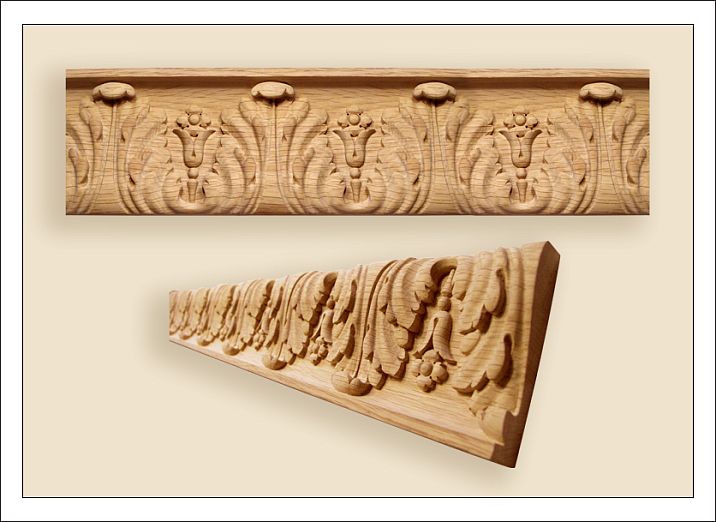
In the world of architecture and interior design, there are elements that, despite their apparent secondary importance, play a key role in forming the overall appearance of a room. One such element is frame opening – a detail capable of transforming space, giving it completeness and stylistic unity. A properly selected and installed frame becomes not just a functional element, but a true work of art reflecting the character and individuality of the interior.
frame opening – a complex of decorative and structural elements surrounding a door or window opening. It serves a dual function: protecting the edges of the opening from damage and giving it aesthetic appeal. Depending on the interior style, materials, and personal preferences, the frame can be minimalist and restrained or, conversely, richly decorated and expressive.
In this article, we will thoroughly examine the history of the development of frame openingstheir variety of materials and styles, manufacturing and installation technologies, as well as modern trends in this field. Regardless of whether you are a professional designer, builder, or simply an admirer of beautiful interiors, this information will help you better understand the significance of frame openings and make an informed choice when decorating your own space.



History of the Development of Frame Openings in Architecture




Ancient Civilizations and the Origins of Tradition
History frame openings It traces its roots back to deep antiquity. Already in the architecture of Ancient Egypt, Mesopotamia, and Greece, one can find the first attempts at decorative treatment of door and window openings. In Ancient Egypt, entrances to temples were often framed by massive stone portals with hieroglyphic inscriptions and relief images. These frames not only adorned the building but also carried a sacred meaning, marking the transition from the ordinary world to the sacred space.
In Ancient Greece, architects developed a system of orders, which included rules for treating openings. The Doric, Ionic, and Corinthian orders implied different types of framing, each with characteristic elements: triglyphs and metopes in the Doric order, volutes in the Ionic, and acanthus leaves in the Corinthian. These classical forms became the foundation for the further development of architectural frame openings.
Ancient Rome, inheriting Greek traditions, developed them further and created its own variations of framing. Roman architects actively used arches and semi-circular finishes for openings, requiring a special approach to their treatment. Archivolts – decorative frames for arched openings – appeared, often adorned with relief images and ornamentation.
Our factory also produces:


Middle Ages and the Renaissance
In the Middle Ages frame openings acquired new meaning and forms. In Romanesque architecture, massive, heavy frames with simple geometric ornaments predominated. In contrast, the Gothic style brought lightness and upward orientation. Gothic portals often had complex structures with multiple archivolts, pointed arches, and rich sculptural decoration.
received special development frame openings in the Renaissance, when architects turned to classical heritage. Renaissance masters created refined portals and window frames, inspired by classical orders, yet introducing a new understanding of proportions and decoration. Pediments — frames in the form of miniature temples with columns, entablatures, and gables — appeared. Such structures were often used to decorate main entrances to palaces and public buildings.
in the Baroque period frame openings reached the peak of ornamentation. Architects of this period created complex, dynamic compositions with broken pediments, volutes, cartouches, and sculptural groups. Baroque frames were theatrical and emotionally expressive, aiming to impress viewers with their grandeur.
Get Consultation
Classicism and Eclecticism
a return to more strict and restrained forms frame openings. Architects of this period sought clarity and harmony, based on classical models. Classicist frames were characterized by clear lines, symmetry, and restrained decoration. Sondriks — decorative cornices above openings, often shaped like triangular or arched pediments — were frequently used.
the 19th century brought eclecticism — a mixture of various styles and directions. During this period frame openings could combine elements from different eras and cultures. Neo-Gothic, Neo-Renaissance, Neo-Baroque, and other neostyles emerged, each with their characteristic framing forms. This era is marked by rich decorative solutions and freedom in combining various motifs.
Modernism and Contemporary
the end of the 19th — beginning of the 20th century marked the emergence of the modern style, which brought a new understanding frame openings. Modernist architects abandoned direct references to historical styles and created original, organic forms inspired by nature. Frames of this period often featured smooth, flowing lines and plant motifs.
the 20th century brought functionalism and minimalism to architecture. frame openings became more restrained, and sometimes disappeared entirely, giving way to clean, unadorned openings. However, in the second half of the 20th century, with the emergence of postmodernism, interest in decorative framing revived. Postmodern architects freely interpreted historical forms, creating ironic, playful compositions.
In contemporary architecture and interior design frame openings continues to play an important role. Today, designers have access to all historical heritage and can choose from a variety of styles and materials, creating both traditional and innovative solutions.
Materials for making door and window frames
Wood and wood-based materials
Wood — one of the most traditional and popular materials for frame openings. It possesses natural beauty, warmth, and eco-friendliness. Wooden framing can be made from various species, each with its own characteristics and advantages.
Oak — a strong and durable species with a distinctive texture. Oak framing is known for its reliability and ability to withstand significant loads. Over time, oak develops a noble patina, making it an ideal choice for classical and traditional interiors.
Spruce — a more affordable alternative, yet still possessing good performance characteristics. Spruce framing has a light tone and noticeable texture with characteristic knots. This material is easy to work with and can be painted in various colors.
Larch — a species distinguished by high resistance to moisture and decay. Larch framing has a beautiful golden hue and increases in strength over time. This makes it an excellent choice for humid environments.
Beech — a hard species with uniform structure and a pleasant pinkish tone. Beech framing is characterized by smoothness and lack of prominent grain, making it suitable for modern minimalist interiors.
in addition to solid wood, for frame openings wood-based materials are often used:
MDF (Medium Density Fiberboard) — a material obtained by pressing wood fibers. MDF is characterized by uniformity, dimensional stability, and absence of knots. It is easily machined, allowing for complex profiles. MDF is often covered with veneer or film to simulate various wood species.
Particleboard — a material consisting of wood particles bonded with synthetic resins. Particleboard is less strong and moisture-resistant than MDF, but more affordable. For door and window framing, typically laminated particleboard with protective coating is used.
Veneer — a material consisting of multiple layers of veneer bonded together. Veneer is characterized by high strength and resistance to deformation. For door and window framing, veneer with a face layer of valuable wood species is often used.
Stone and artificial stone
Stone — a material that gives the frame of the opening special monumentality and nobility. Depending on the type of stone, the framing may have different characteristics and stylistic orientation.
Marble is a classic material for framing openings in luxurious interiors. Marble framing is distinguished by elegance and variety of colors and patterns. This material is easily polished, allowing for smooth, shiny surfaces.
Granite is a strong and durable material with a characteristic granular structure. Granite framing is resistant to abrasion and moisture. This material is often used for decorating entrance areas and openings in public buildings.
Limestone is a softer stone that is easier to process. Limestone framing has a warm, muted tone and is often used in Mediterranean or rustic-style interiors.
Travertine is a porous stone with a characteristic texture. Travertine framing creates a sense of naturalness and antiquity. This material is often used in interiors inspired by classical architecture.
As an alternative to natural stone, artificial stone is often used — a material that imitates the appearance and texture of natural stone but has several advantages:
Acrylic stone — a material based on acrylic resins with added mineral fillers. It is characterized by uniformity, absence of pores and seams, making it hygienic and easy to maintain.
Quartz aggregate — a material consisting of quartz particles bound by polymer resins. It has high strength, resistance to scratches and chemical substances.
Gypsum and cement mixtures — materials that can imitate various types of stone. They are relatively inexpensive and allow for creating complex relief forms.
Metal and metal alloys
Metal provides the frame of the opening a modern, industrial character or, conversely, emphasizes classical elegance, depending on the type of metal and its processing method.
Steel — a strong and durable material that can have various finishes: from matte to glossy, from chrome to patinated. Steel framing is often used in modern and industrial interiors.
Aluminum — a lightweight and corrosion-resistant material. Aluminum framing can be anodized to achieve various colors and shades. This material is often used in minimalist and high-tech interiors.
Brass — an alloy of copper and zinc with a characteristic golden hue. Brass framing gives interiors a luxurious, classical look. Over time, brass may acquire a patina, adding a vintage charm.
Bronze — an alloy of copper with tin and other metals. Bronze framing has a deep, rich color and is often used in traditional and classical interiors.
Wrought iron — a material that allows creating unique, artistic frames. Wrought elements can have various shapes: from simple geometric to complex floral motifs. This material is often used in Provence, country, or rustic-style interiors.
Polymer and composite materials
Modern technologies allow for creating frame openings from various polymer and composite materials that combine practicality, durability, and aesthetic appeal.
Polyurethane — a lightweight and strong material that allows creating complex relief forms. Polyurethane framing is resistant to moisture, does not crack or deform over time. This material is often used for creating sculptural decoration and moldings.
PVC (polyvinyl chloride) — a flexible material that can imitate various textures: from wood to stone. PVC framing is water-resistant and easy to maintain. This material is often used in rooms with high humidity.
Fiberglass — a composite material consisting of glass fibers and polymer resin. Fiberglass framing is characterized by high strength at low weight. This material can imitate various textures and surfaces.
Fiber cement — a material consisting of cement reinforced with fibers. Fiber cement framing is resistant to moisture, fire, and biological factors. This material is often used for exterior framing of openings.
Styles and design solutions for framing openings
Classic styles
Classical styles frame openings are based on architectural traditions of past epochs and are characterized by harmonious proportions, symmetry, and elegance.
Classical style — inspired by ancient Greek and Roman architecture. Framing in this style often includes columns or pilasters with Doric, Ionic, or Corinthian order capitals, entablatures, and pediments. Materials typically used are marble, stone, or their imitations.
Renaissance — a style based on the revival of ancient traditions. Framing in the Renaissance style is characterized by harmonious proportions, symmetry, and restrained decoration. Typical elements include arches, pilasters, medallions, and plant ornaments.
Baroque — a style characterized by opulence and theatricality. Framing in the Baroque style often has complex shapes with curved lines, broken pediments, volutes, and abundant sculptural decoration. Materials typically used are wood, stone, or stucco, often with gilding.
Rococo — a style characterized by elegance and lightness. Framing in the Rococo style is characterized by asymmetry, curved lines, and abundance of plant motifs. The color palette is usually light, pastel, often with gilded details.
Neoclassicism — a style inspired by ancient architecture but stricter and more restrained than Baroque. Framing in the Neoclassical style is characterized by clear lines, symmetry, and restrained decoration. Typical elements include columns, pilasters, sash windows, and meander ornament.
Empire — a style that emerged during Napoleon's time and is characterized by monumentality and imperial grandeur. Framing in the Empire style often includes military symbols (laurel wreaths, eagles, trophies) and elements of Egyptian art. Materials typically used are wood, bronze, and marble.
Ethnic and Regional Styles
Ethnic and regional styles frame openings reflect the cultural traditions of various peoples and regions.
Russian style – inspired by traditional Russian architecture. Framing in the Russian style often includes carved elements with floral and geometric ornaments. Wood is usually the material, often with bright painting.
Eastern style – unites the traditions of various Asian cultures. Framing in the Eastern style may include arabesques, calligraphy, carved or inlaid elements. Materials may include wood, stone, metal with engraving or inlay.
Mediterranean style – inspired by the architecture of Mediterranean countries. Framing in this style often has an arched shape and is made of stone, plaster, or wood. The color palette usually includes shades of blue, turquoise, terracotta, and white.
Scandinavian style – characterized by simplicity, functionality, and a light color palette. Framing in the Scandinavian style is usually minimalist and made of light wood with minimal decoration.
African style – inspired by the culture of African peoples. Framing in the African style may include ethnic ornaments, masks, animal figures. Materials are usually dark wood, stone, clay.
Modern and avant-garde styles
Modern and avant-garde styles frame openings reflect current trends in design and architecture.
Minimalism – a style based on the principle 'less is more'. Framing in a minimalist style is characterized by simple forms, absence of decoration, and clean lines. Materials usually include metal, glass, concrete, or wood with minimal processing.
High-tech – a style inspired by modern technologies. Framing in the high-tech style is often made of metal, glass, or composite materials and may include technical elements: rivets, bolts, visible structures.
Loft – a style that emerged from converting industrial spaces into residential areas. Framing in the loft style often has a rough, 'unfinished' look and is made of brick, concrete, metal, or weathered wood.
Eco-style – a direction based on the use of natural materials and forms. Framing in the eco-style is made of unprocessed or minimally processed wood, stone, bamboo, and other natural materials.
Futurism – a style oriented toward the future. Framing in a futuristic style may have unusual geometry, asymmetrical forms, use innovative materials and technologies (e.g., glowing elements or interactive surfaces).
Manufacturing and installation technologies for openings framing
Traditional Manufacturing Methods
Traditional manufacturing methods frame openings are based on manual craftsmanship by artisans and passed down from generation to generation.
Carpentry work – includes manufacturing wooden framing elements. The master carpenter selects suitable wood, marks and cuts blanks, then processes them using chisels, gouges, and other tools to create the required profile. Parts are joined using tenons, mortises, glue, and other carpentry joints.
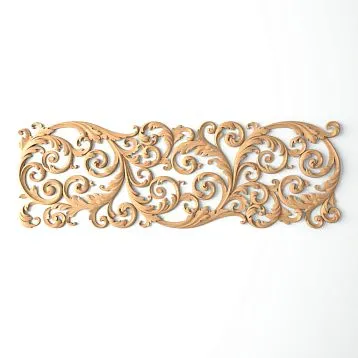
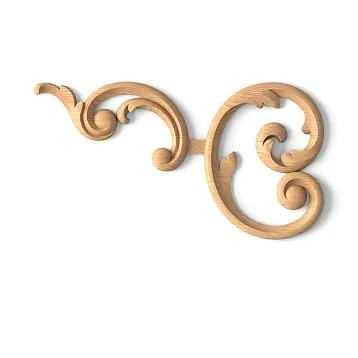
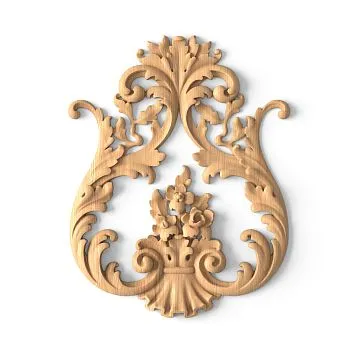
Wood carving – the art of creating relief patterns on a wooden surface. The master carver uses various chisels and gouges to carve ornaments, floral motifs, figures, and other decorative elements. Carving may be flat relief, deep relief, or through carving.
Stone masonry work – includes processing stone to create framing. The master stonemason selects suitable stone, marks and cuts blanks, then processes them using chisels, hammers, and other tools to create the required shape and texture. The stone surface may be polished, ground, busharded, or have another texture.
Sculptural work – the art of creating relief elements from plaster, clay, or other plastic materials. The master sculptor creates a model, then makes a mold into which the material is poured. After hardening, the item is removed from the mold, processed, and installed in place.
Blacksmithing work – includes manufacturing metal framing elements. The master blacksmith heats metal to a plastic state, then shapes it using a hammer, anvil, and other tools. Parts are joined using welding, riveting, or other methods.
Modern Manufacturing Technologies
Modern technologies allow producing frame openings with high precision, speed, and repeatability.
CNC machining – using computer numerical control machines to create framing details. A computer program controls the movement of the cutting tool, enabling the creation of complex shapes with high precision. CNC machines can work with various materials: wood, MDF, plastic, metal.
3D printing – a technology that allows creating three-dimensional objects by layering material. 3D printers can work with various materials: plastic, metal, ceramic, concrete. This technology is especially useful for creating prototypes and small-batch items with complex shapes.
Laser cutting – a technology using a laser beam to cut materials. Laser cutting allows creating parts with high precision and clean edges. This technology can be used for cutting metal, wood, plastic, acrylic, and other materials.
Waterjet cutting – a technology using a stream of water with abrasive material to cut materials. Waterjet cutting allows working with various materials, including stone, metal, glass, ceramic. This technology does not create thermal stresses in the material, which is important for certain types of stone and metal.
Extrusion – a technology in which material is forced through a shaping aperture to create a profile of the required shape. Extrusion is widely used for producing plastic and aluminum profiles, which can then be used for framing openings.
Installation methods
– an important stage that affects not only the appearance but also the durability of the structure: opening framing ensures its durability and aesthetic appeal.
Preparation work includes measuring the opening, preparing wall surfaces, and marking the locations for installing framing elements. It is important to consider the characteristics of the wall material, presence of irregularities, humidity, and other factors that may affect the quality of installation.
Framing wooden elements – can be done in various ways:
- With nails or screws – a simple and reliable method, but leaves visible fastener marks.
- With adhesive – allows for an invisible connection, but requires careful surface preparation.
- With dowel joints – a traditional carpentry method, providing strong and aesthetically pleasing connections.
- With combined methods – for example, adhesive with temporary fastening using nails or clamps until drying.
Framing stone elements – is typically done using special adhesives, anchors, or metal fastening systems. Heavy stone elements may require additional support in the form of metal brackets or consoles.
Framing metal elements – can be done using welding, bolts, screws, rivets, or special metal adhesives. The choice of method depends on the type of metal, load on the element, and aesthetic requirements.
Framing polymer and composite elements – is typically done using special adhesives, double-sided tape, or mechanical fasteners. Lightweight polymer elements are often mounted using liquid nails or other construction adhesives.
Final finishing – includes sealing joints, concealing fasteners, painting, varnishing, or other finishing of the installed framing. This stage is important for achieving a cohesive, finished appearance.
Functional aspects of door and window framing
Protective function
frame opening performs an important protective function, safeguarding the edges of the opening and adjacent wall areas from various influences.
Protection against mechanical damage – framing absorbs impacts, friction, and other mechanical stresses that may occur during use of doors and windows. This is especially important in high-traffic areas where the risk of wall damage is higher.
Protection against moisture – properly installed framing prevents moisture from penetrating the walls around the opening. This is especially important for exterior doors and windows, as well as for openings in rooms with high humidity (bathrooms, kitchens).
Protection against temperature effects – framing can act as an insulator, preventing cold bridges around the opening. This helps maintain a comfortable room temperature and prevents condensation formation.
Protection against insects and pests – tightly installed framing seals gaps and gaps around the opening, preventing insects and other pests from entering the room.
Protection against dust and contaminants – framing creates a barrier preventing dust and contaminants from entering gaps around the opening. This is especially important for rooms with high cleanliness requirements.
Structural function
frame opening can perform a structural function, reinforcing the opening and ensuring secure mounting of doors or windows.
Opening reinforcement – framing can distribute the load from the door or window unit to the wall, preventing deformation of the opening. This is especially important for openings in lightweight partitions or walls made of soft materials.
Compensation for irregularities – framing can conceal irregularities and defects of the opening, providing a smooth surface for installing the door or window unit. This simplifies installation and improves installation quality.
Ensuring gaps – framing can create necessary technological gaps between the door or window unit and the wall. These gaps are important for compensating material thermal expansion and preventing deformations.
Mounting hardware – framing can serve as a base for mounting various hardware: hinges, locks, handles, closers, and other elements. This is especially important if the wall is made of a material that does not provide reliable mounting.
Supporting arched structures – in arched openings, framing can serve as a load-bearing structure distributing the load from the upper part of the opening to the side walls. This prevents sagging of the arch and formation of cracks.
Acoustic and thermal insulation function
frame opening can significantly improve the acoustic and thermal insulation characteristics of the room.
Sound insulation – properly selected and installed framing can reduce noise penetration through the opening. Materials with high density (wood, stone) and multi-layer constructions provide better sound insulation. Additional use of special acoustic sealants and inserts may be employed.
Thermal insulation – framing can prevent heat loss through the opening. Materials with low thermal conductivity (wood, polymers) provide better thermal insulation. Multi-layer constructions with thermal insulation inserts may be used to enhance efficiency.
Preventing drafts – tightly installed framing seals gaps and gaps around the opening, preventing cold air infiltration. This is especially important for exterior doors and windows.
Humidity regulation – some framing materials (e.g., wood) can regulate air humidity, absorbing excess moisture and releasing it as air dries. This contributes to creating a comfortable microclimate in the room.
Preventing condensation – properly installed framing prevents cold bridges where moisture can condense. This is especially important in high-humidity areas and cold-climate regions.
Modern trends in doorway framing design
Minimalism and Functionality
Modern design frame openings often leans toward minimalism and functionality, reflecting general trends in architecture and interior design.
Clean lines – modern framing often features simple, geometric shapes without excessive ornamentation. Straight angles, clear edges, and minimal detailing create a sense of order and structure.
Hidden fasteners – modern technologies allow for framing with invisible fasteners, enhancing the impression of cleanliness and design integrity. This is achieved using special adhesives, magnetic fasteners, or mechanical connections concealed within the material thickness.
Integration with surrounding surfaces – modern framing often strives for visual unity with walls and other interior elements. This can be achieved by using the same material, color, or texture as the surrounding surfaces.
Multifunctionality – modern framing often performs multiple functions simultaneously. For example, it may include built-in lighting, serve as a mounting base for curtains or blinds, contain storage niches, or house technical channels for wiring.
Modularity and adaptability – modern framing is often designed as a modular system that can be adapted to various doorway sizes and shapes. This simplifies installation and allows for customized solutions using standard components.
Eco-friendliness and natural materials
The ecological trend significantly influences design frame openings, encouraging the use of natural materials and sustainable technologies.
Return to wood – natural wood is once again a popular material for doorway framing. Modern wood treatment and protection technologies allow for durable and aesthetically pleasing products. Especially valued are species from sustainably managed forests with appropriate certifications (FSC, PEFC).
Use of recycled materials – modern framing can be manufactured from recycled materials: recycled plastic, metal, glass, or composites based on them. This reduces ecological footprint and supports circular economy.
Natural finishing materials – for final finishing of framing, natural materials are increasingly used: oils, waxes, water-based paints, natural varnishes. These materials do not emit harmful substances and are safe for health.
Biodegradable materials – innovative materials based on plant raw materials (bioplastics, composites with natural fibers) are beginning to be used for creating eco-friendly framing. These materials degrade in natural environments without harming ecosystems.
Energy-efficient solutions – modern framing is designed with energy efficiency in mind. This may include materials with good thermal insulation properties, multi-layer constructions with insulation inserts, special profiles that prevent cold bridges.
Integration of Technologies
Modern technologies are increasingly integrated into design frame openings, expanding its functionality and aesthetic possibilities.
Built-in lighting – modern framing often includes integrated lighting elements: LED strips, spotlights, fiber optic systems. This allows for various lighting scenarios, highlights architectural features of the opening, and enhances space functionality.
Smart technologies – framing can be integrated with smart home systems, including motion, temperature, and humidity sensors, access control systems. This enhances room safety, comfort, and energy efficiency.
Interactive surfaces – innovative materials and technologies allow for creating framing with interactive properties: touch panels, displays, elements that change color or transparency. This opens new possibilities for interacting with space.
3D printing and parametric design – modern manufacturing technologies allow for creating framing with complex, organic shapes that are impossible or very difficult to produce using traditional methods. Parametric design enables generating unique shapes based on defined algorithms and parameters.
Materials with variable properties – innovative materials can change their properties depending on external conditions: temperature, lighting, humidity. For example, thermochromic materials change color with temperature changes, photochromic materials – with lighting changes.
Practical recommendations for selection and care
How to choose the right framing for your interior
Choosing opening framing – a responsible process that requires consideration of many factors.
Consider interior style – framing should harmonize with the overall style of the room. Traditional profiles and decorative elements suit classic interiors. Minimalist, geometric shapes suit modern interiors. Bold, unconventional solutions are possible for eclectic interiors.
Consider materials and color palette – framing should coordinate with other interior elements: floors, walls, furniture. This does not necessarily mean complete matching – contrasting combinations can also be effective. It is important that framing fits into the overall color and material palette of the room.
Consider functional requirements – when selecting framing, its functional purpose must be considered. For entrance doors, strength and resistance to external influences are important. For interior doors – aesthetics and style compatibility. For openings in high-humidity rooms – moisture-resistant materials.
Consider architectural features – framing must correspond to the architectural features of the opening and the room as a whole. Ceiling height, opening proportions, presence of other architectural elements – all of these influence the choice of framing.
Consider budget and longevity – framing cost can vary significantly depending on materials and complexity of execution. It is important to find the optimal balance between budget and longevity. Sometimes it makes sense to invest in more expensive but high-quality framing that will last for many years.