Article Contents:
- Historical Development of Shelf Trim
- From Antiquity to the Renaissance
- Baroque and Rococo: Triumph of Decoration
- Classicism and Historicism: Return to Order
- Modernism and Contemporary Design: New Forms and Materials
- Functional Aspects of Shelf Trim
- Protective function
- Constructive function
- Aesthetic Function
- Materials for Making Shelf Trim
- Wood and Wood-Based Materials
- Metals and Alloys
- Plastics and Composite Materials
- Glass and Ceramics
- Types and Styles of Shelf Trim
- Classification by Profile Shape
- Stylistic directions
- Regional and Ethnic Characteristics
- Manufacturing and installation technologies
- Traditional Processing Methods
- Modern manufacturing technologies
- Methods of mounting and installation
- Application of Shelf Trim in Different Types of Shelves
- Wall Shelves
- Built-in Shelves and Niches
- Shelves in Furniture Construction
- Specialized Shelves
- Practical recommendations for selection and care
- How to Choose the Right Shelf Trim
- Care for Different Types of Shelf Trim
- Restoration and renewal
- Modern Trends and Innovations
- Ecological Aspects
- Technological Innovations
- Design trends
- Conclusion
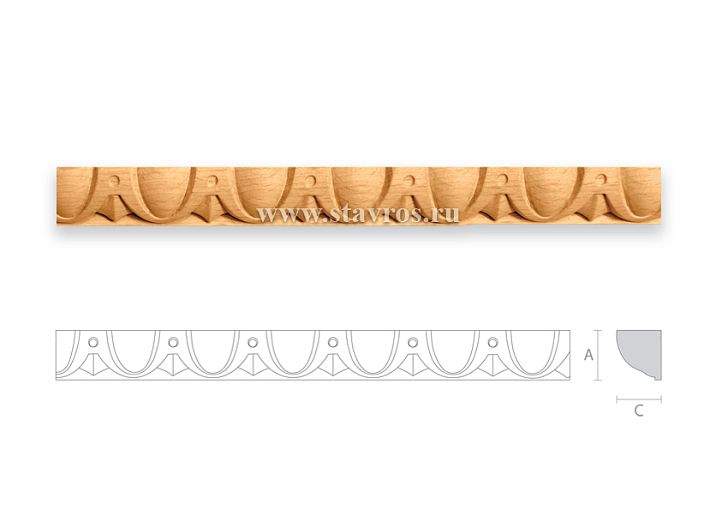
In the world of interior design, there are elements that simultaneously serve a practical function and are an important aesthetic component of the space. Shelf Trim – such an element that often remains in the background, yet is capable of radically transforming the appearance of furniture and the entire room. This detail not only completes the visual image of the shelf but also provides additional protection for its edges, extending the lifespan of the item.
Art shelf trim Shelf trim has a rich history dating back to ancient times, when master carpenters created unique furniture pieces, each element of which was meticulously crafted down to the smallest detail. Today, this tradition continues to live and evolve, enriched by new materials, technologies, and design solutions.
In this article, we will thoroughly examine all aspects related to shelf trim: from historical background to modern trends, from material selection to manufacturing and installation technologies. This information will be useful for professionals in furniture design and production, as well as for anyone interested in creating a harmonious and functional interior.


Historical Development of Shelf Edging




From Antiquity to the Renaissance
History shelf trim It is inseparably linked to the history of furniture art. In ancient civilizations – Egypt, Greece, Rome – various types of shelves and racks already existed, used for storing scrolls, tableware, and other valuable items. However, at that time, edging was more of a functional element than a decorative one.
In the Middle Ages, with the development of carpentry craftsmanship, Shelf Trim it began to acquire more pronounced decorative features. Masters started decorating the edges of shelves with carving, inlay, creating unique works of art. This was especially evident in church furniture – altars, choir stalls, bookcases, where every detail had not only practical but also symbolic significance.
The Renaissance brought a new understanding of proportions and harmony. Shelf Trim It became more refined, using classical architectural elements – cornices, pilasters, volutes. Masters of that time created complex profiles that emphasized the structure of furniture and gave it monumentality.
Our factory also produces:





Baroque and Rococo: Triumph of Decoration
The Baroque and Rococo styles, with their love for opulence and ornamentation, elevated art shelf trim to a new level. During this period, the edges of shelves were adorned with intricate carvings featuring floral motifs, animal and mythological figures, gilding, and inlay.
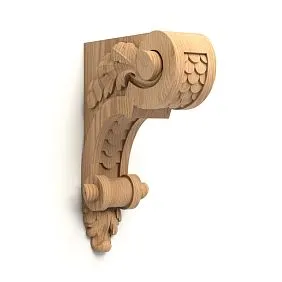
Console shelves of this period were especially interesting, where edging became not merely a decorative element but also a structural part supporting the shelf itself. These items often took the form of cartouches or shells and were true works of art.
In the Rococo era Shelf Trim it became even more refined and asymmetrical. Masters created whimsical forms, using rocaille motifs, floral garlands, and amorini. The edges of shelves often had wavy shapes, requiring special craftsmanship in producing the edging.
Get Consultation
Classicism and Historicism: Return to Order
With the arrival of Classicism in the 18th century, Shelf Trim it became more restrained and geometrically precise. Masters drew inspiration from ancient models, creating clear, symmetrical profiles using elements such as meanders, Ionic columns, and acanthus leaves.
The 19th century, with its eclecticism and historicism, brought diversity in shelf edging styles. Masters freely combined elements from various historical periods, creating unique compositions. Gothic Revival, Renaissance Revival, and Baroque Revival were especially popular, each with its own distinctive approach to shelf edge design.
During this period, new manufacturing technologies also emerged, enabling the creation of more complex profiles and making Shelf Trim accessible to a broader range of consumers.
Modernism and Contemporary Design: New Forms and Materials
The Modern style (Art Nouveau) at the turn of the 19th and 20th centuries brought a new aesthetic to art shelf trim. Instead of historical stylizations, masters turned to natural forms – flowing lines, botanical motifs – creating organic, fluid profiles.
The 20th century, with its diverse artistic movements – from Art Deco to minimalism – proposed new approaches to edging. In some styles, such as Bauhaus and functionalism, decorative edging was reduced to a minimum or entirely eliminated. In others, such as Art Deco, it adopted geometric, stylized forms.
Modern technologies allow for creating Shelf Trim of any complexity and from various materials – from traditional wood to plastic, metal, glass, and composite materials. This opens new possibilities for furniture designers and manufacturers, allowing them to experiment with forms and textures.
Functional Aspects of Shelf Edging
Protective function
One of the main functions shelf trim – protection of its edges from mechanical damage, moisture, and other adverse influences. The edges of a shelf, especially if made of MDF or particleboard, are the most vulnerable part, susceptible to chipping, delamination, and moisture absorption.
Quality edging prevents these issues, significantly extending the shelf’s service life. This is especially important for shelves used in high-humidity areas – kitchens, bathrooms – as well as for shelves subjected to heavy use.
Moreover, Shelf Trim It can also serve as a lip, preventing items from falling. This is particularly relevant for refrigerator shelves, where edging prevents liquids from spreading upon spillage, as well as for open shelves in living areas where small items are stored.
Structural function
Shelf Trim It can also serve a structural function, reinforcing the shelf’s structure and preventing deformation. This is especially important for long shelves that may sag under the weight of items placed on them.
In some constructions, the frame serves as a mounting element for shelves to walls or other furniture parts. For example, in hidden mounting systems, fasteners pass through the frame, allowing the visible surface of the shelf to remain intact and aesthetically pleasing.
Also Shelf Trim can play a role in load distribution, especially if it is made from a material stronger than the shelf itself. This allows creating structures capable of supporting significant weight.
Aesthetic function
Besides practical functions, Shelf Trim plays an important aesthetic role, completing its visual appearance and integrating into the overall interior design. Properly selected framing can emphasize the room's style, create focal points, or, conversely, make the shelf a subtle part of the overall composition.
In classical interiors, decorative framing with carving, gilding, and inlays becomes an important element of artistic decoration. In modern minimalist spaces, simple framing creates clean lines and emphasizes geometric forms.
Shelf Trim can also serve as a connecting element between different furniture items, creating a unified ensemble. For example, shelves with identical framing placed in different parts of the room create a sense of cohesion and thoughtful interior design.
Materials for making shelf framing
Wood and wood-based materials
Wood – a traditional and most commonly used material for shelf trim. It possesses natural beauty, eco-friendliness, is easy to process, and can serve for decades with proper care.
Various types of wood are used to make framing, each with its own characteristics:
Oak – a hard, durable wood with a distinctive texture. Oak Shelf Trim is distinguished by longevity, resistance to mechanical damage and moisture. Over time, oak develops a noble patina, making it an ideal choice for classical interiors.
Beech – a hard wood with a uniform structure and pleasant light-pink hue. Beech framing is easy to process and can be painted in various colors. It suits modern and Scandinavian interiors.
Spruce – a soft wood with a distinctive grain and resin inclusions. Spruce Shelf Trim is more affordable but less resistant to mechanical damage. It is well-suited for country-style and rustic interiors.
Besides solid wood, framing also uses wood-based materials:
MDF (Medium Density Fiberboard) – a material obtained by pressing wood fibers. MDF is easily machined, allowing complex profiles to be created. It is more stable than solid wood, does not crack or warp.
Laminated materials – a base of MDF or another material, covered with a thin layer of natural wood (veneer). Such Shelf Trim combines the beauty of natural wood with the technological and stability advantages of artificial materials.
Metals and alloys
Metallic Shelf Trim is becoming increasingly popular in modern interiors. It is characterized by strength and durability and can have various finishes – from polished to aged.
Aluminum – a lightweight, corrosion-resistant metal. Aluminum framing is often used in modern interiors, especially in high-tech style. It can be anodized, allowing various colors and shades to be achieved.
Brass and bronze – alloys with a distinctive golden hue. They are used to create shelf trim in classical and vintage interiors. Over time, these materials may develop a patina, giving them a unique charm.
Steel – a strong, accessible material that can have various finishes – from chrome plating to powder coating. Steel framing is often used in industrial and loft interiors.
Plastics and composite materials
Modern technologies allow for creating Shelf Trim from various synthetic materials that can imitate natural materials or have their own aesthetic.
PVC (polyvinyl chloride) – an affordable, lightweight material resistant to moisture and chemical exposure. PVC trim can mimic wood texture or have a solid surface. It is often used in kitchen and bathroom furniture.
ABS plastic (acrylonitrile butadiene styrene) – a strong, heat-resistant material that can have various textures and colors. ABS trim is more resistant to mechanical damage than PVC.
Composite materials – combine properties of different components. For example, Shelf Trim wood-plastic composite (WPC) combines the naturalness of wood with the practicality of plastic.
Glass and ceramic
Glass and ceramic Shelf Trim – less common but interesting option that can create a unique visual effect.
Glass can be transparent, matte, colored, with various textures and patterns. Glass trim creates a sense of lightness and airiness, especially when combined with glass shelves.
Ceramic allows creating Shelf Trim with unique patterns, textures, and colors. Ceramic trim is often used in Mediterranean, Moroccan, and Mexican interior styles.
Types and styles of shelf trim
Classification by profile shape
Profile shape shelf trim can vary from simple rectangular to complex multi-step. The choice of profile depends on interior style, functional purpose of the shelf, and personal preferences.
Straight profile – the simplest and most universal option, suitable for most modern interiors. Straight trim has clear geometric lines and minimalist design.
Rounded profile – a softer option that creates smooth transitions between the shelf and trim. Rounded Shelf Trim looks more natural and organic, making it a popular choice for country or Provence-style interiors.
Decorative profile – a complex option with various decorative elements such as grooves, protrusions, or carved patterns. Decorative trim becomes a true interior accent and suits classical or historical styles.
Combined profile – combines elements of different profiles, creating a unique design. Combined Shelf Trim allows creating a distinctive look of the space, reflecting the tastes and preferences of its owner.
Stylistic directions
Shelf Trim can be executed in various stylistic directions, each with its own features and distinctive characteristics.
Classic style – characterized by symmetrical forms, restrained decoration, and elegant proportions. Classic trim often has a multi-step profile with elements such as kymatium, astragal, and cabochon.
Baroque and Rococo – distinguished by opulence, dynamism, and abundance of decorative elements. Shelf Trim In these styles, it often has a complex shape with volutes, cartouches, and plant motifs.
Modern (Art Nouveau) – characterized by flowing, organic lines inspired by natural forms. Trim in the modern style may have asymmetrical, organic design with plant or animal motifs.
Art Deco – combines geometric forms with luxurious materials and bold colors. Shelf Trim In the Art Deco style, it often has a stepped profile, zigzag or sun motifs.
Minimalism – characterized by simplicity of forms, absence of decoration, and functionality. Minimalist trim has clean lines and a restrained design, often using modern materials.
Regional and ethnic characteristics
have formed their own traditions shelf trimreflecting local artistic traditions, available materials and technologies.
Russian style – characterized by rich carving using traditional ornaments – geometric, plant, zoomorphic. Especially expressive are the window casings, which can be considered as a kind of framing for window openings.
Scandinavian style – distinguished by simplicity, functionality, use of light wood species. Shelf Trim In Scandinavian style, it usually has a minimalist design, emphasizing the natural beauty of the material.
Eastern style – characterized by complex geometric or plant carving, inlay, use of exotic wood species. Framing in the Eastern style often has an intricate, filigree character.
Mediterranean style – combines simplicity of forms with bright colors and textures. Shelf Trim In Mediterranean style, it may be painted white, blue, or terracotta, and have a weathered appearance.
Manufacturing and Installation Technologies
Traditional processing methods
Traditional manufacturing methods shelf trim are based on manual material processing and passed down from generation to generation. They require high craftsmanship but allow creating unique, one-of-a-kind items.
Hand carving – one of the oldest methods of decorating wooden items. The craftsman, using special tools – chisels, gouges, knives – creates relief patterns, ornaments, figures on the surface of the framing. Carving can be flat relief, blind, filigree, or three-dimensional.
Turning processing – used for creating shelf trim circular or cylindrical elements. The blank rotates around its axis, and the craftsman, using gouges, gives it the desired shape.
Joinery – traditional ways of connecting framing parts with each other and with the shelf. These can be mortise and tenon joints, "birdsmouth" joints, dowels (dowels), which ensure the strength and durability of the structure.
Modern Manufacturing Technologies
With the development of technology, new manufacturing methods have emerged shelf trimwhich allow increasing the accuracy, speed, and quality of production.
CNC milling – using computer numerical control machines to create complex profiles and patterns. Computer software controls the movement of the milling cutter, allowing high-precision reproduction of even the most complex designs.
Laser cutting and engraving – a technology that allows creating delicate patterns and filigree elements on the surface of the framing. Laser processing ensures high precision and line purity.
3D printing – an innovative technology that allows creating Shelf Trim complex shapes by layer-by-layer material buildup. This method is especially effective for creating prototypes and small-batch items.
Extrusion – a technology in which material (usually plastic or aluminum) is forced through a forming die, creating a profile of the required shape. This method allows producing framing with a constant cross-section in large quantities.
Mounting methods
There are several ways of mounting shelf trimdepending on the material, design, and functional requirements.
Adhesive bonding – the most common method, where the framing is glued to the edge of the shelf. Various types of glue – PVA, polyurethane, contact – are used depending on materials and operating conditions.
Mechanical fastening – using nails, screws, brackets or other fasteners. This method ensures a secure connection but may leave visible fastener marks.
Mortise and tenon joint – a traditional carpentry method, where complementary elements (mortises and tenons) are formed on the framing and shelf, which are then joined. This method ensures a strong connection without visible fasteners.
Combined methods – combining different mounting methods to ensure maximum reliability and aesthetics. For example, Shelf Trim can be initially mechanically secured and then additionally glued.
Shelf Framing in Various Types of Shelves
Wall Shelves
Wall shelves are one of the most popular types of shelves, mounted directly to the wall and can have various shapes, sizes, and designs. Shelf Trim In this case, it not only serves a decorative function but can also act as a mounting element.
Straight shelves – the most common variant, where the framing usually has a simple profile matching the overall interior style. For modern interiors, minimalist framing with clean lines is typical, while for classic interiors, it is more decorative, with carving or molding.
Corner shelves – require special shelf trimthat should neatly frame the external corner. This can be as simple as a 45-degree angle connection or a more complex solution with decorative elements at the corner.
Figurative shelves – have non-standard shapes (circular, oval, polygonal) and require a special approach to framing. In this case, the framing must precisely follow the shelf’s contour, which often requires the use of flexible materials or special manufacturing technologies.
Built-in Shelves and Niches
Built-in shelves and niches – elements integrated into walls or other structures. Shelf Trim In this case, it serves not only as a decorative element but also masks the joint between the shelf and surrounding surfaces.
Book niches – often have decorative framing that emphasizes their function and creates a "picture in a frame" effect. Such framing can be executed in the same style as surrounding moldings and cornices.
Built-in cabinets with open shelves – where Shelf Trim is part of the overall structure and must harmonize with cabinet facades and other elements. In classic interiors, such framing often has a profiled edge, while in modern interiors, it has a more minimalist design.
Decorative niches – may have complex, artistic framing that becomes an accent element in the interior. Such framing is often complemented by lighting that highlights its shape and texture.
Shelves in Furniture Structures
in furniture structures – cabinets, shelves, display cases – Shelf Trim is part of the overall design and must match the style of the entire item.
Bookshelves and libraries – where shelf framing often has a classic profile that emphasizes the strictness and intellectual atmosphere of the space. In traditional libraries, framing may be made of dark wood with carving or molding.
Display cases and sideboards – where Shelf Trim must not only look aesthetically pleasing but also ensure safe storage of fragile items. In such constructions, framing often has a lip or gallery that prevents dishes or decorative objects from falling.
Modular storage systems – a modern solution where framing must be functional and universal, allowing easy configuration changes of shelves. In such systems Shelf Trim often has special grooves or fasteners for connecting with other elements.
Specialized Shelves
Specialized shelves designed for specific functions or rooms have their own framing characteristics that take into account operating conditions and specific requirements.
Kitchen shelves – where Shelf Trim must be resistant to moisture, grease, and temperature fluctuations. Often, moisture-resistant materials with easily cleanable surfaces are used. Framing may have a lip to prevent items from falling or liquids from spilling.
Bathroom shelves – also require moisture-resistant framing that will not deform or deteriorate under high humidity conditions. Popular materials resistant to mold and mildew include plastic, aluminum, and certain types of treated wood.
Shelves in refrigerators – have special Shelf Trimthat not only protects the edges of glass or plastic shelves but also ensures their secure fixation within the refrigerator body. Such framing is typically made of plastic and includes special fastening elements.
Practical recommendations for selection and care
A responsible process that requires consideration of many factors: from interior style to practical aspects of use.
Choosing shelf trim Matching the interior style – the frame should harmonize with the overall design of the room and other decorative elements. In classic interiors, profiled and carved frames are appropriate, while in modern interiors, more minimalist, geometric shapes are preferred.
Considering the functional purpose – for shelves that will be used intensively or under harsh conditions (kitchen, bathroom), it is important to choose durable materials resistant to environmental effects.
For decorative shelves, one can prefer more refined but less practical options. Shelf TrimMatching with the shelf material – the frame should visually and technically harmonize with the main material of the shelf. For example, metal or plastic frames suit glass shelves, while wooden shelves are best paired with frames made of the same or contrasting wood.
Considering the budget – cost
may vary significantly depending on the material, manufacturing complexity, and brand. It is important to find the optimal price-to-quality ratio that matches your budget and requirements. shelf trim Care for frames of different types
of shelves
Proper care of allows maintaining its attractive appearance and functional qualities for many years. Wooden frame – requires regular dusting with a soft cloth or brush. For more thorough cleaning, use a slightly damp cloth with a mild detergent, then thoroughly dry the surface. Periodically (every 1-2 years), it is recommended to renew the protective coating – varnish, oil, or wax.
Metallic frame – care depends on the type of metal and coating. Chrome and nickel surfaces can be cleaned with a soft cloth using specialized metal cleaning agents. Brass and copper may require polishing to maintain shine or, conversely, special treatment to create a patina.
Plastic frame – usually easily cleaned with a soft cloth and household detergents. It is important to avoid abrasive materials and aggressive chemicals that may damage the surface.
Glass and ceramic frame – requires careful handling due to fragility. For cleaning, use specialized glass or ceramic cleaners that do not leave streaks and do not damage the surface.
may lose its attractive appearance or sustain damage over time. In such cases, restoration or renewal may be necessary.
Restoration and Renewal
Even with the most careful care Shelf Trim Wooden frame – can be restored by sanding, filling cracks and chips, repainting, or revarnishing. For minor damages, use wax pencils or furniture markers of the appropriate color.
Metallic frame – can be cleaned of corrosion, polished, and coated with protective compounds. In some cases, it may be re-chromed, nickel-plated, or undergo other electroplating treatments.
Plastic frame – usually more difficult to restore, and in cases of severe damage, replacement is often required. However, minor scratches can be masked using special markers or polishes.
Full replacement – in cases where restoration is impossible or impractical, full replacement may be required
. This is also a good way to refresh the appearance of furniture without significant costs for full replacement. shelf trimIn the modern world, ecological aspects of production and use are gaining increasing importance
Modern trends and innovations
Ecological Aspects
Sustainable forestry – for producing wooden frames, wood from forests certified for sustainable management (FSC, PEFC) is increasingly used. This ensures that timber harvesting does not harm ecosystems or biodiversity. shelf trim.
Recycled materials – an innovative direction where frames are made from recycled plastic, metal, or glass. This reduces environmental impact and gives materials a second life, otherwise becoming waste.
Natural finishing materials – environmentally friendly water- or plant-based varnishes, paints, and oils are becoming increasingly popular, as they do not emit harmful substances and are safe for human health.
Biodegradable materials – an innovative direction where
materials are produced from substances that can be safely disposed of at the end of their service life without harming the environment. Shelf Trim with improved characteristics and new functions.
Technological Innovations
The development of technologies opens new opportunities for creating shelf trim Smart materials – frames that can change their properties depending on environmental conditions. For example, shape-memory materials that return to their original state after deformation, or thermochromic materials that change color with temperature changes.
Integrated lighting –
Integrated lighting – Shelf Trim with built-in LEDs that not only create an impressive lighting effect but can also perform practical functions – illuminate the contents of the shelf, serve as a nightlight, or as part of a "smart home" system.
Modular systems – innovative solutions where the frame is part of a modular structure that can be easily transformed, supplemented with new elements, and adapted to changing needs.
3D printing to order – technology that allows creating Shelf Trim any complexity according to individual design, taking into account the specifics of a particular interior and the customer's preferences.
Design trends
Modern designers offer new, non-standard approaches to the use of shelf trimthat reflect current trends in interior design.
Minimalism and functionality – a trend toward simple, concise forms, where the frame is reduced to a necessary minimum or fully integrated into the shelf structure. Emphasis is placed on material quality and precision of execution.
Eclecticism and mixing styles – a trend toward free combination of various stylistic elements. Shelf Trim can combine traditional and modern motifs, creating a unique, personalized design.
Biophilic design – a direction that aims to integrate natural elements into the interior. The frame can imitate natural forms – branches, leaves, waves – or use natural materials with minimal processing.
Handcrafted production and uniqueness – a revival of interest in handmade items, unique pieces with character and history. Shelf Trimcreated by hand by a craftsman, becomes not just a functional element, but a work of art reflecting the individuality and craftsmanship of the creator.
Conclusion
Shelf Trim is not just a decorative element, but an important functional detail that protects the edges of the shelf, extends its service life, and significantly contributes to the overall look of the interior. The choice of material, shape, and style of the frame affects not only the aesthetic perception of the shelf, but also its practicality, durability, and ease of use.
In the modern world Shelf Trim continues to evolve, reflecting new technological possibilities, ecological requirements, and design trends. From traditional wooden profiles to innovative materials with integrated lighting – the variety of options allows finding the ideal solution for any interior and any functional requirements.
STAVROS offers a wide range of high-quality products for shelf trim – moldings, cornices, skirting boards from various materials. Years of experience, modern equipment, and skilled specialists allow creating items of any complexity, from classic to innovative.
STAVROS delivers products to any region of the Russian Federation, ensuring the preservation of items and adherence to deadlines. Individual approach to each client, consultations with specialists, quality guarantee – all this makes STAVROS a reliable partner in creating beautiful, functional, and long-lasting framing for your shelves.