Article Contents:
- Historical Forms of Fireplace Decoration
- Architectural Significance of Fireplace Surrounds
- Types of Wooden Elements
- Fireplace Decoration Styles
- Material Selection
- Functionality and safety
- Installation and Operation
- Common Mistakes
- Examples of decoration with STAVROS products
- STAVROS Advantages
- Conclusion
A fireplace in the interior is not merely a source of heat or a decorative element. It is an architectural centerpiece around which the entire spatial composition is built, an emotional focal point that draws attention and gathers people around it. And precisely wooden fireplace surround becomes the element that transforms a functional hearth into a work of art, a visual dominant, defining the character and style of the entire room.
In the world of modern design, where natural materials and individual approaches are so highly valued, wooden fireplace surrounds acquire special significance. They not only highlight the architectural features of the space but also create a unique atmosphere of warmth, coziness, and solidity that cannot be achieved with synthetic materials.
STAVROS Company, specializing in the production of high-quality solid wood items, offers a wide range of solutions for expressive fireplace decoration. These are not merely decorative elements, but carefully designed architectural details that allow creating a harmonious, stylistically consistent composition reflecting the owner's individuality and the character of the space.


Historical Forms of Fireplace Decoration
The history of fireplace decoration spans centuries, and throughout this time, wood has played a crucial role. From majestic Tudor-era English portals to elegant French Rococo fireplaces, from strict neoclassical surrounds to cozy Russian stoves — wood has always served as either the primary or secondary material, imparting warmth, expressiveness, and individuality to the structure.
In English tradition, the fireplace portal was often a massive wooden structure with columns, cornices, and carved details. Such a portal did not merely frame the hearth but became an architectural focal point of the room, demonstrating the owner's status and taste. Particularly expressive were the portals in the Tudor and Jacobean styles, where dark wood with rich carving created an atmosphere of aristocratic solidity.
French tradition, on the contrary, leaned toward lighter, more elegant forms. Here, wooden surrounds were often complemented by marble inlays, gilding, and mirrors. In the Rococo era, fireplace portals became true works of art, featuring asymmetrical shapes, botanical motifs, and sculptural elements.
The Russian stove, although differing from Western European fireplaces in construction, was also often adorned with wooden elements — shelves, lintels, cornices. In merchant homes, stoves were frequently framed by richly decorated wooden portals, showcasing the skill of carvers and the wealth of the owners.
In modern interiors, traditions of wooden fireplace decoration have transformed, adapted to new styles and technologies, yet retained their essence. Today wooden fireplace decoration can be either classical, with columns and cornices, or minimalist, with clean lines and simple forms. But in any case, it remains an expression of taste, status, and a desire to create a warm, cozy atmosphere.
It is interesting to trace how attitudes toward fireplace decoration have changed across different eras. In the Middle Ages, the fireplace was primarily a functional element, and its decoration was relatively simple. In the Renaissance and Baroque periods, it became a work of art, showcasing the wealth and status of the owner. Classicism brought strictness and symmetry to fireplace decoration, while modernism introduced flowing, organic lines. The 20th century, with its functionalism, temporarily pushed decorative elements to the background, but by the end of the century, interest in expressive fireplace decoration revived, and today we are witnessing a true renaissance of this art.




Architectural Significance of Fireplace Surrounds
Fireplace surrounds play a key role in the architectural composition of a room. They do not merely decorate the hearth but also structure the space, create a visual focal point, establish rhythm and scale within the interior.
The geometry of the fireplace wall largely determines the perception of the entire room. Vertical elements of the surround — columns, pilasters, posts — visually increase the ceiling height, creating a sense of upward movement. Horizontal elements — cornices, shelves, friezes — on the contrary, emphasize the width of the space, creating a sense of stability and solidity. Proper balance between vertical and horizontal elements in the fireplace surround allows achieving harmony and equilibrium in the interior.
Architectural trim from solid wood — moldings, cornices, baseboards — serve as a visual frame, distinguishing the fireplace from the rest of the wall space. This frame may be simple and minimalist or complex, multi-level, with rich profiles, but in any case, it focuses attention on the fireplace, emphasizing its importance as a central element of the interior.
Wood in fireplace surrounds acts as the 'speaker' of the interior, a material whose texture, color, and finish set the tone for the entire space. The warmth and naturalness of wood create a sense of coziness and comfort that permeates the entire interior. The choice of wood species, method of processing, and finish all influence the overall perception of the space, its emotional atmosphere.
The role of the fireplace surround is especially important in creating stylistic unity within the interior. Decorative elements of the fireplace can echo other wooden details in the room — door casings, ceiling beams, furniture — creating a cohesive, harmonious image. Thus, the fireplace becomes not merely a separate element, but part of a unified architectural composition.
In modern design, fireplace surrounds are often used as a means of zoning space, particularly in open-plan rooms. A fireplace zone highlighted by wooden decoration becomes visually distinct, acquiring its own character and mood, while remaining part of the overall space.
Our factory also produces:


Types of Wooden Elements
The variety of wooden elements for fireplace decoration allows creating unique, individual solutions suitable for any style and architectural concept.
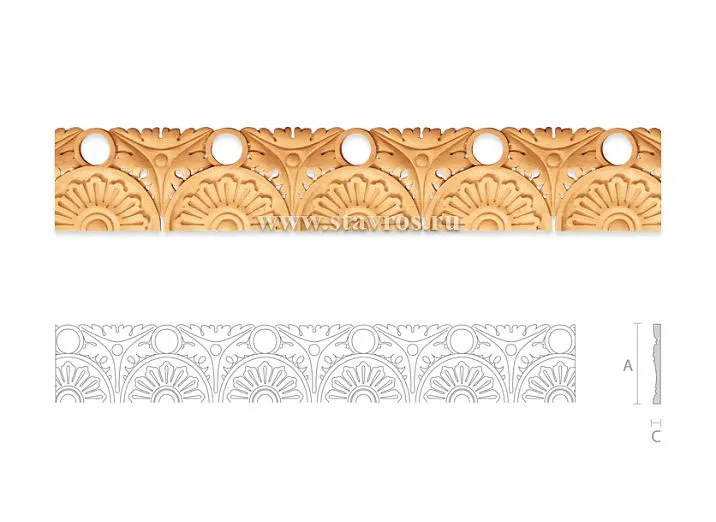
Fireplace mantel decorative strips Fireplace mantel moldings
Fireplace mantel moldings Fireplace mantel moldings
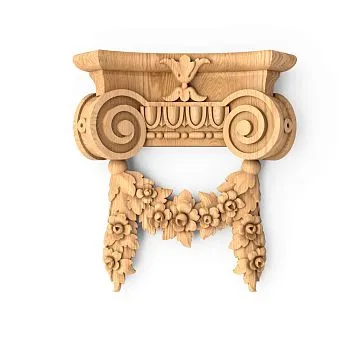
Fireplace mantel carved details Fireplace mantel carved details
Fireplace mantel wooden elements Fireplace mantel wooden elements
Fireplace mantel wooden elements
Get Consultation
Fireplace mantel design styles
Fireplace mantel design styles
Classic fireplace mantel design style
Modern fireplace mantel design style Fireplace mantel moldings Modern fireplace mantel design style
Provence and country fireplace mantel design styles
Loft fireplace mantel design style
Decorative fireplace mantel design Decorative fireplace mantel design
Fireplace mantel design style selection
Material Selection
Fireplace mantel material selection
Ash
Oak
Ash
Ecological and durability
Ecological and durability Fireplace mantel wood finishing Fireplace mantel wood finishing
Fireplace mantel material selection
Functionality and safety
Functionality and safety
First and foremost, for fireplace surrounds, only elements not subjected to direct high-temperature exposure should be used. Wooden components must be positioned at a safe distance from the fire, and the area immediately around the fire should be protected with non-combustible materials — stone, brick, metal. Modern technologies allow creating combined structures where wood harmoniously combines with fire-resistant materials, ensuring both aesthetic appeal and safety.
Protection of wood from sparks, soot, and temperature fluctuations is an important aspect of safe fireplace operation. Special fire-retardant compounds are used, which reduce the flammability of wood without affecting its appearance. It is also important to properly select the finish coating — it must be heat-resistant, non-toxic when heated, easy to clean from soot and grime.
Tips for safe installation of wooden fireplace surrounds include:
- Maintaining a minimum distance between wooden elements and the fire (usually no less than 15-20 cm)
- Using thermal insulation materials in the fireplace structure
- Installing a protective screen or glass door preventing sparks from falling
- Regular inspection of wooden elements, especially those closest to the heat source
- Ensuring good ventilation in the fireplace niche to prevent overheating
It is important to remember that safety should not come at the expense of aesthetics. Modern technologies and materials allow creating wooden fireplace surrounds that are not only beautiful but also completely safe when properly installed and operated.
When designing a fireplace surround, functional aspects should also be considered — ease of use, possibility of storing firewood or accessories, accessibility for cleaning and maintenance. A well-thought-out structure will make the fireplace not only a decorative element but also practical and convenient to use.
Installation and operation
The process of creating a wooden fireplace surround begins with developing a project that takes into account all architectural, stylistic, and functional features of the room. At this stage, dimensions, proportions, surround style are determined, specific decorative elements, wood species, and finish coating type are selected.
The next stage is creating a detailed drawing, indicating all dimensions, angles, and connections. Modern technologies allow creating 3D models, providing a clear visualization of the future surround and its integration with the interior. This is especially useful for complex, non-standard projects.
Installing a wooden surround requires precision and care. Special attention is paid to mounting moldings, cornices, and friezes — elements that form the visual structure of the surround. Various mounting methods are used — adhesive, with nails or screws, combined. The choice of method depends on the weight and size of the element, the type of base it is mounted to, and requirements for appearance (visible or hidden fasteners).
Angles and joints require special attention during installation. To create ideal connections, special tools — a miter saw, a circular saw with precise angle adjustment — are used. Joints are filled with wood-colored putty, making them practically invisible.
Maintenance of a wooden fireplace surround includes regular cleaning from dust and soot, periodic renewal of protective coating, monitoring the condition of the wood (absence of cracks, deformations, color changes). Special cleaning agents are used that do not damage the finish. The frequency of protective layer renewal depends on the type of coating and intensity of fireplace use.
It is important to remember that wood is a living material that reacts to changes in temperature and humidity. When designing and installing a fireplace surround, it is necessary to consider possible wood expansion and contraction, provide compensatory gaps, and use connections allowing for minor movements.
When operating a fireplace with a wooden surround, the following rules should be observed:
- Do not allow direct contact of flames with wooden elements
- Avoid sudden temperature fluctuations in the room
- Maintain optimal humidity level (40-60%)
- Regularly inspect wooden elements, especially in areas subjected to the greatest thermal exposure
- Do not place hot items on wooden surfaces that could damage the protective coating
Following these rules will ensure a long lifespan for the wooden fireplace surround, preserving its beauty and functionality for many years.
Common Mistakes
When creating a wooden fireplace surround, even experienced designers and craftsmen may make mistakes that reduce the aesthetic value and functionality of the structure.
One of the most common mistakes is mismatch between the surround's scale and room dimensions. An overly bulky surround in a small room will appear cumbersome and visually reduce the space. Conversely, an overly modest, unremarkable surround in a spacious hall will be lost, failing to create the desired focal point. The correct scale is determined not only by room dimensions but also by ceiling height, proportions of other architectural elements — windows, doors, columns.
Mixing styles — another common mistake. A fireplace surround must harmonize with the overall interior style, its architectural features, furniture, and finishes. A classical portal with columns and carvings will appear inappropriate in a minimalist modern interior, just as a minimalist geometric surround will look out of place in an ornately decorated classical space. This does not mean that experimenting with style combinations is impossible, but such experiments require special sensitivity and professionalism.
Overloading the composition or, conversely, overly simplifying it — mistakes that disrupt the balance and harmony of the interior. Too many decorative elements, carvings, ornaments may create a sense of chaos, diverting attention from the fireplace itself. On the other hand, an overly simple, unremarkable surround may fail to fulfill its function — creating a visual focal point and center of attention in the interior.
Technical errors during installation — inaccurate joints, visible fasteners, uneven lines — can spoil the impression even of the most beautiful design. Professional installation with attention to detail is the key to successful project implementation.
Ignoring functional aspects — another common mistake. A fireplace surround must not only look good but also be practical, convenient to use, and safe. Insufficient attention to ventilation, thermal insulation, and ease of maintenance may lead to problems during operation.
To avoid these errors, it is recommended to consult professionals with experience in designing and installing fireplace surrounds. STAVROS offers not only high-quality materials but also professional consultations to help create an ideal fireplace surround that meets all aesthetic and functional requirements.
Examples of framing with STAVROS products
Let us consider several specific examples of fireplace designs using STAVROS products, demonstrating a variety of stylistic and technical solutions.
The living room with a classic oak mantel is an example of a traditional, elegant interior. The fireplace mantel is crafted from warm golden oak with a subtle patina that highlights the relief of the carving. The structure has a clear architectural form: two columns with Corinthian capitals support an entablature with a frieze adorned with vegetal ornamentation. Above the fireplace is a mirror in a wooden frame that complements the mantel's style. Molding with a classic profile frames the fireplace niche, creating a smooth transition from the mantel to the wall. The entire composition appears harmonious, substantial, and evokes an atmosphere of aristocratic comfort.
Office with a geometric frame and fireplace decoration made of solid wood represents a modern interpretation of a traditional element. Here, the fireplace surround has a clear geometric shape, devoid of excessive decorative details. The main focus is on the quality of the material — solid ash with a beautiful natural wood grain — and precision of execution. The moldings have a simple, minimalist profile, creating sharp lines and shadows. The wood color is natural, with a slight tinting that emphasizes the texture. Such a surround integrates perfectly into a modern office interior, creating an atmosphere of restrained elegance and functionality.
Modern bedroom with a smooth profile and built-in lighting demonstrates an innovative approach to fireplace design. Here, the surround is made of light beech with minimal processing, highlighting the naturalness of the material. The molding profile is simple, with a slight rounding, creating soft, flowing lines. The distinctive feature of this solution is the built-in LED lighting positioned along the perimeter of the surround. It creates an effect of floating lightness, adding a modern, technological accent to the interior. At the same time, the warmth and naturalness of the wood are preserved, which is especially important for a bedroom — a space for rest and relaxation.
These examples demonstrate how Fireplace mantel decorative strips and other elements from STAVROS can be used to create diverse stylistic solutions — from traditional to ultra-modern. In all cases, key factors for success are material quality, precision of execution, attention to detail, and harmonious integration with the overall interior concept.
Advantages of STAVROS
STAVROS stands out in the market of wooden architectural elements due to a range of important advantages that make its products an ideal choice for fireplace design and other interior solutions.
Firstly, this is a wide selection of decorative elements made of solid. STAVROS offers a range of moldings, cornices, skirting boards, rosettes, brackets, pilasters, and other elements that allow creating a fireplace surround of any complexity and style. All items are made from high-quality solid wood of premium species — oak, beech, ash — ensuring their durability, ecological safety, and aesthetic appeal.
Geometric precision is another important advantage of STAVROS products. All elements have perfectly accurate dimensions, angles, and rounded radii. This is especially important when creating complex compositions, where numerous details must fit together seamlessly to form a unified whole.
The quality of carving on STAVROS products deserves special attention. Whether it is a simple geometric ornament or a complex figurative composition, the carving is executed with the highest precision and attention to detail. This is the result of both modern wood processing technologies and the craftsmanship of carvers who preserve the traditions of this ancient art.
Smooth sanding is another indicator of STAVROS product quality. All items undergo multi-stage sanding, ensuring a perfectly smooth surface without burrs, chips, or roughness. This not only improves the appearance of the items but also makes them pleasant to touch and safe for use.
The ability to order by custom dimensions is an important advantage for those working on non-standard projects. STAVROS offers manufacturing of elements to individual dimensions, allowing to realize any design idea without being limited by standard solutions.
Fast nationwide delivery makes STAVROS products accessible to clients from any region. The company ensures reliable packaging protecting items from damage during transport and prompt delivery, which is especially important for projects with tight deadlines.
Professional project consultation is another advantage of working with STAVROS. The company’s specialists will help select optimal elements for a specific project, calculate the required amount of materials, and propose technical solutions for complex cases. This is especially valuable for those who lack extensive experience working with wooden architectural elements.
Conclusion
Fireplace in the interior — it is not just a part of the wall, it is its meaning, its soul, its emotional and visual center. And it is wooden fireplace surround that transforms a functional element into a work of art, an architectural focal point defining the character and style of the entire space.
Wooden framing expresses respect for details, traditions, and the very essence of the home as a place where warmth is not only physical but also emotional. It is a way to create an interior that does not merely look beautiful but also feels right, harmonious, and cozy.
Choosing elements for fireplace framing, we choose not just decorative details, but a certain attitude toward space, materials, and life. Natural wood, with its warmth, individuality, and eco-friendliness, becomes an expression of striving for authenticity, naturalness, and connection with nature and traditions.
STAVROS offers a wide selection of carved details for fireplaces, moldings, cornices, and other elements that allow creating a fireplace surround of any complexity and style. High material and execution quality, attention to detail, professional approach to each project — all this makes STAVROS products an ideal choice for those who value beauty, quality, and individuality.
In a world where so much is artificial and temporary, natural wood with its durability, eco-friendliness, and ability to become more beautiful with age acquires special value. A fireplace surround made of solid wood is not just an interior element — it is an investment in beauty and comfort that will delight you and your loved ones for many years.
Choosing wooden fireplace surround Choosing STAVROS, you choose not just decorative elements, but a certain philosophy of life that values authenticity, quality, and harmony. You create an interior that will not merely be fashionable or stylish, but truly yours, reflecting your individuality, your values, your understanding of beauty and comfort.