Article Contents:
- Philosophy of architectural framing in modern interiors
- Decorative molding as a tool for transforming space
- Materials and technical specifications
- Stylistic directions in design
- Technical aspects of installing moldings
- Preparation work and measurements
- Installation and finishing
- Design solutions for various interior styles
- Integration with other architectural elements
- Conclusion
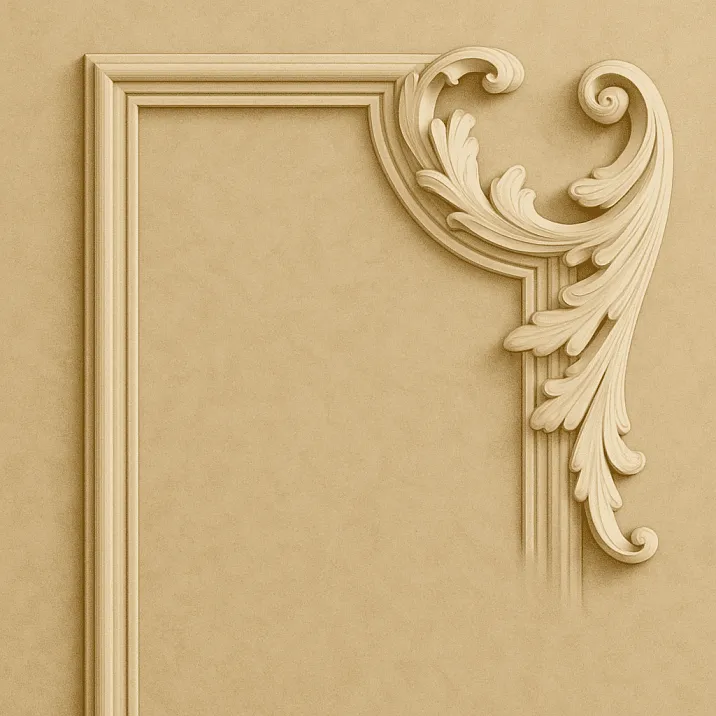
Architectural interior art begins with details that seem insignificant at first glance, but it is precisely these that create an atmosphere of elegance and completeness of space. Decorative molding for door openings Represents one of the most effective ways to transform an ordinary transition between rooms into a true architectural element capable of radically changing the perception of the entire interior.
Modern interior design increasingly turns to classical architectural decoration techniques, reinterpreting them in the context of current trends. Moldings, inherited from the palace architecture of past centuries, today find new embodiment in the most diverse interior styles—from strict minimalism to rich neoclassicism.
Each doorway represents a potential opportunity for creative self-expression, where decorative framing becomes not just a functional element concealing joints and irregularities, but a full-fledged tool for forming interior concepts. A properly selected and installed molding can visually increase ceiling height, expand the space, create a sense of luxury and completeness even in the most modest room.


Philosophy of architectural framing in modern interiors
Art doorway framing Roots in deep antiquity, when architects understood the importance of each element in creating a harmonious space. The doorway has always been not merely a functional opening in the wall, but a symbolic portal, a transition between different zones of life.
In modern interior practice, the philosophy of framing doorways is based on principles of visual integrity and emotional impact. Properly executed Decorative door frame trim creates a sense of thoughtfulness and completeness in the interior, where every detail has its place and purpose.
Perception psychology shows that humans subconsciously pay attention to transitional zones—thresholds, doorways, arches. That is why their design plays a key role in creating the overall impression of the interior. Decorative molding serves as a kind of frame for the viewer's gaze, directing attention and creating visual accents.
Modern trends in interior architecture demonstrate a return to traditional decoration methods, but with the use of innovative materials and technologies. This allows combining classical aesthetics with the practicality and durability of modern solutions.




Decorative molding as a tool for transforming space
Molding is a universal architectural element capable of radically changing the perception of a doorway and the entire room. Its use as a doorway framing opens up boundless opportunities for design creativity and functional improvement of the interior.
Moldings and door opening framing Allow creating various visual effects depending on the tasks. Vertical molding lines visually increase ceiling height, creating a sense of a more spacious room. Horizontal elements, on the contrary, can expand the perception of space, making it more cozy and intimate.
Especially effective is the framing of doorways with decorative molding in rooms with high ceilings, where this technique allows creating proper proportions and avoiding the feeling of emptiness. In low-ceilinged rooms, a properly selected molding profile can visually raise the ceiling and add elegance to the interior.
Color solution of molding plays no less important role in transforming space. Contrasting framing creates clear boundaries and emphasizes architectural features, while tonal solution, when molding is painted in the wall tone, creates a softer, more integrated effect.
Our factory also produces:


Materials and technical specifications
Material selection for decorative molding is determined not only by aesthetic preferences but also by technical requirements, operating conditions, and budget constraints. Each material has its unique characteristics that affect appearance, durability, and processing methods.
Wooden molding remains a classic choice for creating elegant and natural framing. Wood allows creating complex profiles and ornaments, easily accepts various types of finishing—from simple painting to patina and gilding. Especially popular are products made of oak, beech, ash, and other hardwoods, which possess high strength and noble texture.
Paintable Molding MDF is a modern alternative to natural wood, combining affordability with high surface quality. This material is ideal for creating smooth, crisp profiles that, after painting, are indistinguishable from expensive wooden counterparts.
Polyurethane moldings have gained popularity due to their lightness, moisture resistance, and ability to imitate any natural material. They are especially suitable for rooms with high humidity and allow creating complex decorative elements with minimal cost.
Gypsum molding, a traditional material of classic interiors, is experiencing a new rebirth today. Modern technologies allow creating gypsum items with intricate detailing, which become an integral part of the architectural ensemble after installation.
Get Consultation
Decorative styling directions
Decorative molding around a door frame can be executed in various stylistic directions, each requiring a special approach to profile, material, and color selection.
Classic style implies using moldings with traditional profiles — grooves, ovals, beads, and other decorative elements. Such framing creates a sense of respectability and stability, ideally suited for reception interiors and spaces where a formal atmosphere is important.
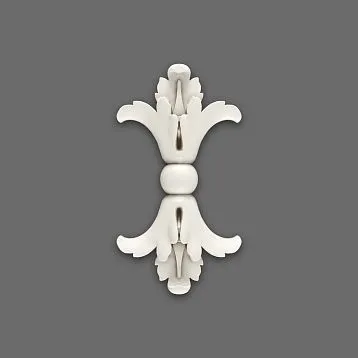
Modern minimalism requires a completely different approach. Here, simple geometric profiles, clean lines, and monochromatic solutions are relevant. Corner decorative elements In minimalist interiors, elements must be as minimalistic and functional as possible.
Provence and country styles imply using moldings made of natural wood with emphasized texture, often with an aged or patinated effect. Such elements create an atmosphere of coziness and closeness to nature.
High-tech and modern urban styles may include metallic moldings or composite items with unusual textures and finishes. Here, innovation and technological solutions are important.
Technical side of molding installation
Quality framing of a door opening with decorative molding requires not only the correct choice of material and design, but also a professional approach to installation work. The accuracy of technical operations affects not only the appearance of the finished product, but also its durability.
The installation process begins with a careful analysis of existing conditions — wall condition, opening geometry, presence of utilities, and other factors that may affect the choice of mounting method and preparatory work.
Special attention should be paid to the combination of different architectural elements. For example, Sandrok moldings can become an excellent complement to the main molding, creating a more complex and expressive composition.
Correct calculation of material quantity, accounting for waste during cutting and fitting, selection of appropriate fasteners — all these aspects require a professional approach and experience working with decorative elements.
Preparation and measurements
Accuracy of measurements is the foundation of a quality result when framing a door opening. Each opening has its own unique characteristics that must be considered when planning work and ordering materials.
Height of the opening is measured at several points, since even in new buildings there may be deviations from vertical alignment. Width is also checked at the top, middle, and bottom. These data allow determining necessary adjustments and methods to compensate for unevenness.
Checking the wall plane around the opening helps identify potential problems with molding fit. In cases of significant unevenness, preliminary leveling or special mounting methods may be required.
The condition of existing finishes also affects the choice of installation technology. Some coatings may require additional preparation or special mounting methods to ensure reliable connections.
Planning joint placement is an important stage of preparatory work. Joints should be placed in the least noticeable areas, and if necessary, use Decorative Accents for Furniture to mask them.
Installation and finishing
The installation technology varies depending on the molding material, type of base, and operating conditions. Each mounting method has its advantages and limitations, which must be considered when choosing the optimal solution.
Adhesive bonding is suitable for lightweight materials and flat surfaces. Modern polymer adhesives provide reliable adhesion and allow compensating for minor base irregularities. This method is the most aesthetic, as it leaves no visible fastener marks.
Mechanical fastening using screws or nails is used for heavy wooden moldings or when adhesive bonding does not provide sufficient reliability. Fastening points are then spackled and painted to achieve an ideal appearance.
Combined method, combining adhesive and mechanical fastening, ensures maximum connection reliability and is suitable for complex operating conditions.
Finishing includes spackling joints, sanding the surface, and applying protective-decorative coating. The quality of this stage largely determines the final result and longevity of the framing.
Design solutions for various interior styles
The versatility of molding as a decorative element allows its use in the most diverse interior concepts, from strict office spaces to cozy home living rooms. Each style dictates its own requirements for shape, size, material, and method of frame finishing.
In classical interiors, decorative molding around doorways becomes part of the overall architectural system, where each element conforms to a single concept. Here, complex multi-level profiles, gilding, patination, and other techniques are appropriate, creating a sense of luxury and refinement.
Scandinavian style prefers simple, functional solutions made of light-toned natural wood. In such interiors, molding serves more to create coziness and highlight the natural beauty of the material rather than to demonstrate decorative possibilities.
Loft and industrial styles can use moldings made from non-standard materials — metal, composites, concrete. Such solutions emphasize the urban character of the interior and create interesting contrasts with traditional elements.
Eclectic interiors allow bold experimentation with various molding styles, creating unique compositions that reflect the owner's individuality and their design vision.
Modern neoclassicism requires a special balance between traditional forms and current trends. Here, it is important to preserve the elegance of classical proportions while adapting them to modern requirements of functionality and practicality.
Integration with other architectural elements
Successful decorative molding around doorways cannot be considered in isolation from other interior elements. The molding must organically fit into the overall architectural concept, support and develop the established style, and create visual connections between different parts of the room.
Interaction with ceiling elements plays a particularly important role in creating a cohesive image. Door framing can continue into the ceiling cornice, creating a unified vertical line that visually increases the room's height and emphasizes its architectural significance.
Combining with baseboards requires special attention to proportions and stylistic unity. The door molding and baseboard must harmonize with each other in height, profile, and decorative finish, creating a sense of thoughtful and professional design.
Window frames in the same room should support the theme established by door moldings. This does not mean complete repetition, but requires adherence to general principles of form and stylistic compatibility.
Wall panels and other decorative elements must also be considered when planning door framing. Molding can serve as a connecting element between different decorative zones, creating logical transitions and supporting the overall rhythm of the interior.
Lighting plays an important role in perceiving moldings. Thoughtfully planned lighting accents can highlight the beauty of the profile, create interesting shadows and highlights, adding volume and expressiveness to the door framing.
The color palette of all architectural elements must be carefully planned. Molding can serve as an accent element, contrasting with walls, or blend into the overall tone, creating a more calm and integrated solution.
Functional aspects are also important when planning a comprehensive approach. Molding should not interfere with the installation and operation of doors, lighting fixtures, security systems, and other engineering elements.
Modern interiors often require hidden integration of technical systems. Moldings can serve to conceal wiring, sensors, smart home elements, and other technical components, while retaining their decorative function.
Interaction with furniture must also be considered when planning door framing. The height and profile of the molding can affect the placement of furniture near the doorway, so it is important to plan all functional aspects of space usage in advance.
Psychological aspects of perceiving architectural elements show that people subconsciously evaluate the harmony and proportionality of their surroundings. Properly integrated door framing creates a sense of comfort and aesthetic satisfaction, influencing the overall impression of the interior.
Seasonal changes in the interior can also be considered when planning moldings. A neutral base framing allows changing accents through textiles, lighting, and accessories, adapting the interior to different seasons and moods.
Future development of the interior should also be considered when choosing the concept of door framing. High-quality moldings serve for decades, so their style and character must be sufficiently universal to adapt to possible changes in the room's decor.
Ecological aspects of modern design require special attention to material and technology selection. Natural and eco-friendly materials for moldings not only meet modern requirements for healthy living, but also create a unique atmosphere of closeness to nature.
Conclusion
Decorative molding around doorways is an art that requires a deep understanding of design principles, technical aspects of installation, and aesthetic patterns of space perception. This seemingly small interior element can radically change the character of the entire room, creating an atmosphere of elegance and completeness that distinguishes professionally designed spaces from ordinary residential or office spaces.
The correct choice of material, profile, and installation method for molding requires a comprehensive approach, considering not only aesthetic preferences but also functional requirements, operating conditions, and future development of the interior. Each decision must be carefully considered and aligned with the overall space concept.
Modern technologies and materials open new opportunities for creative self-expression in architectural decoration. Traditional techniques receive new interpretations, while innovative solutions allow creating unique decorative effects that were inaccessible to masters of past eras.
The importance of a professional approach to selecting and installing decorative moldings cannot be overstated. Even the highest quality materials and thoughtful design may not yield the expected result without proper installation and finishing. That is why turning to specialized companies becomes the guarantee of successfully realizing design concepts.
STAVROS Company, with years of experience in the production and installation of architectural elements, offers a full range of services for creating elegant interior solutions. From consultations on selecting optimal materials to professional installation — every stage of work is performed with maximum attention to detail and client preferences. A wide product range, including moldings from various materials, decorative elements, and accessories, allows implementing projects of any complexity and stylistic direction, creating interiors that delight the eye and serve for many years.