Article Contents:
- Historical-Decorative Context of Doorless Openings
- From Antiquity to Modernity: Evolution of Doorway Design
- Role of Arches, Portals, and Pilasters in Architectural Composition
- Functional Aesthetics: Why Frame a Doorway Without a Door
- Zoning and organization of space
- Visual Expansion of Rooms
- Composition Order and Interior Completeness
- Aesthetics Enhancing Property Value
- Materials and Forms: Choosing the Ideal Frame
- Solid Wood: Warmth, Durability, Handcrafted Work
- STAVROS Solutions: Cornices, Pilasters, Capitals, Carved Inserts
- Advantages: Easy Installation, Exclusivity, Premium Category
- Design Styles: From Classic to Contemporary
- Frame in Classic Interiors: With Pilasters, Capitals, Cornice
- Modern Solutions: Minimalism with Geometry
- Arches and Half-Columns in Mediterranean and Russian Styles
- Examples of Material Combinations: Plaster, Brick, Wallpaper, Paint
- Mistakes and Tips: How to Avoid Typical Problems
- What NOT to Do When Framing a Doorless Opening
- How to Avoid Mismatch in Scale, Color, Thickness
- Working with Non-Standard Sizes and Narrow Openings
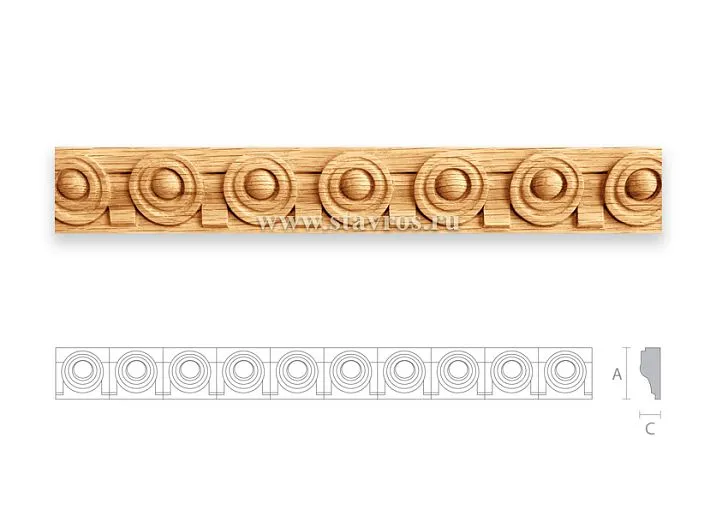
In the architectural symphony of interiors, there are elements that, like pauses in music, possess special expressiveness. Framing a Doorway Without a Door — precisely such an element that transforms a simple passage between rooms into a significant architectural statement. This is not merely a decorative technique, but a complete philosophy of space organization, where every line, curve, and detail contributes to creating a cohesive interior image.
A doorway without a door is a unique portal connecting different functional zones of a house. It can be modest and unobtrusive or, conversely, become the central compositional element, setting the tone for the entire space. A properly framed doorway is not only aesthetically pleasing but also functional — it organizes movement, directs attention, and creates visual connections between rooms.
In modern interior design, where open floor plans and free-flowing spaces are increasingly preferred, the art of doorway framing acquires special significance. This is no longer merely a technical necessity but an important tool in the architect’s hands, enabling the creation of unique, expressive, and harmonious interiors.
STAVROS, specializing in solid wood products, offers a wide range of solutions for framing doorless openings. Understanding the aesthetics of doorless space, STAVROS craftsmen create elements that do not merely decorate the opening but imbue it with architectural significance, transforming an ordinary passage into a work of art.
Historical-Decorative Context of Doorless Openings




From Antiquity to Modernity: Evolution of Doorway Design
The history of framing doorless openings spans millennia. In ancient architecture, arched openings adorned with columns and pilasters were a key element both in exteriors and interiors of buildings. In Roman villas and baths, Greek temples, and public buildings, openings not only served a functional role but also became important compositional elements, emphasizing the status and purpose of the space.
During the Renaissance, when interest in ancient heritage was revived with renewed vigor, architects turned to classical forms for doorways. Palaces of Italian aristocrats were adorned with majestic portals framed by pilasters and crowned with complex cornices. Inside buildings, galleries of rooms were connected by arched openings, designed according to the orders system. This solution not only created an impressive perspective but also ensured natural air and light circulation.
Baroque brought opulence and theatricality to doorway design. Complex curved forms, abundance of decorative elements, play of light and shadow — all this created a dramatic effect, transforming passage from one room to another into a real theatrical performance. This was especially evident in palace architecture, where every doorway became part of an intricate interior stage design.
Neoclassicism returned to more rigorous and restrained forms, but did not abandon decorative doorway treatment. On the contrary, it was precisely during this period that the canons of doorway design were established, which are still considered benchmarks: symmetrical compositions, clear proportions, use of classical order elements. In Russian estates of the 18th-19th centuries, such an approach to doorway design became an indispensable part of architectural language.
Modernism of the early 20th century brought a new understanding of space and its organization. Doorways acquired smooth, flowing forms inspired by natural motifs. Asymmetry, use of new materials and technologies, rejection of direct historical style references — all this created a new aesthetic, in which a doorway without a door became an important element in forming the overall interior image.
Neoclassicism, reviving interest in classical forms but reinterpreting them in the context of modern requirements for comfort and functionality, proposed its own view on doorway design. Preserving the core principles of the classical approach — symmetry, proportionality, use of order elements — neoclassicism adapted them to modern interiors, creating elegant and timeless solutions.
Our factory also produces:


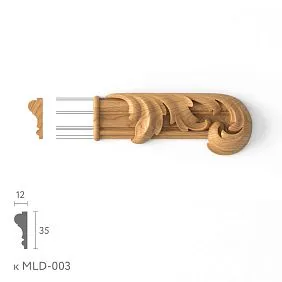
The Role of Arches, Portals, and Pilasters in Architectural Composition
In architectural composition, doorways without doors play a special role, becoming important structural and decorative elements. Arches, portals, pilasters — each of these elements has its own function and symbolic meaning.
An arch is one of the oldest architectural elements, which not only performs a structural function but also possesses powerful aesthetic impact. Semi-circular, pointed, horseshoe, elliptical — each arch form creates its own mood and is associated with a specific historical period or cultural tradition. In modern interiors, arched doorways without doors can serve as homage to historical tradition or as a bold design solution creating unexpected spatial effects.
A portal is a more complex architectural form, representing a doorway frame, often including several elements: columns or pilasters, entablature, pediment, or frieze. Portals were traditionally used to decorate main entrances to buildings, emphasizing their importance. In interiors, portal treatment of a doorway without a door creates an effect of solemnity and monumentality, making passage between rooms a significant architectural event.
Pilasters — flat vertical projections on walls, imitating columns — are one of the key elements of classical doorway design. They not only visually support cornices or friezes but also create rhythmic structure, organizing space. In modern interiors, pilasters can be traditional, with capitals and bases, or stylized, reflecting a modern understanding of classical forms.
Decorative framing of a doorway — is not merely decoration, but a means of articulating space, emphasizing transition from one zone to another. Mouldings, rosettes, keystone stones, consoles — all these elements create a complex play of light and shadow, adding depth and expressiveness to the doorway, transforming it into an important compositional element of the interior.
Get Consultation
Functional Aesthetics: Why Decorate a Doorway Without a Door
Zoning and Space Organization
Decorating a doorway without a door is not merely a decorative technique, but an important tool for zoning and organizing space. In modern interiors, where open-plan layouts are increasingly preferred, doorways become key elements helping to structure space without physically dividing it.
A properly designed doorway creates a visual boundary between different functional zones, while maintaining spatial unity. It can indicate transition from public areas (living room, dining room) to private ones (bedroom, office) or separate spaces with different functional purposes (kitchen and living room, living room and hallway).
The form and style of doorway design can emphasize the character of the rooms it connects. For example, the doorway between the kitchen and dining room may be designed more functionally and simply, while the passage to the living room or library may have a more solemn and decorative frame.
Doorway design plays especially important role in interiors with an antechamber layout. Here, doorways not only connect rooms but also create expressive perspective, allowing space to be perceived as a unified whole. At the same time, each doorway may have its own design features, creating a rhythmic structure that organizes movement and perception of space.
Visual Expansion of Rooms
One of the main advantages of a doorway without a door — the ability to visually expand space. The absence of a door creates a sense of openness and freedom, allowing light to freely pass from one room to another, creating a brighter and more airy atmosphere.
A properly designed doorway can visually increase ceiling height. Vertical framing elements — pilasters, columns, tall moldings — create a vertical rhythm that visually stretches space upward. This technique is especially effective in rooms with low ceilings, where every centimeter of visual height matters.
Arched doorways without doors also contribute to visual expansion of space. The smooth line of the arch creates a sense of lightness and airiness, while the absence of sharp angles makes transitions between rooms more seamless and natural. At the same time, the arch form can vary from classical semi-circular to elliptical or pointed, depending on interior style and desired effect.
Using mirrored or glossy surfaces in doorway design can enhance the effect of space expansion. Reflective surfaces create an illusion of space continuation, making it appear brighter and more voluminous. This technique is especially effective in small rooms, where every square meter counts.
Order and Completeness of Interior Composition
Framing a Doorway Without a Door Plays an important role in creating an orderly and harmonious interior composition. It helps structure space, creating visual accents and rhythmic pauses that make the interior more readable and organized.
Doorways designed in a unified style create a sense of completeness and harmony in the interior. They become connecting elements that unite different rooms into a single ensemble. At the same time, each doorway may have its own characteristics reflecting the nature and function of the spaces it connects, but the overall design style creates a sense of harmony and order.
Doorway design is especially important in historical interiors or interiors executed in classical style. Here, doorways are an integral part of the architectural solution, and their absence or improper design may disrupt the overall composition. Restoring or recreating historical doorway design allows the interior to regain its authentic appearance and architectural value.
In modern interiors, doorway design can become the element that gives space its individuality and character. Unconventional forms, unusual materials, bold color solutions — all this can make the doorway a striking accent that sets the tone for the entire interior. At the same time, it is important that doorway design be harmoniously integrated into the overall space concept, without disrupting its stylistic unity.
Aesthetic Enhancing Property Value
Quality Framing a Doorway Without a Door It is not only aesthetic pleasure, but also an investment in property value. Professionally executed doorway design indicates attention to detail and high-quality finishing, positively influencing how potential buyers or tenants perceive the interior.
Doorways designed using natural materials — wood, stone, metal — are especially valued. They not only create a sense of luxury and solidity, but are also more durable and eco-friendly, which is becoming an increasingly important factor in choosing housing in the modern world.
Historical or vintage-style elements for doorways can become a unique feature of the interior, distinguishing it from standard solutions. Carved wooden doorways, wrought iron arches, stained glass inserts — all these elements create a sense of uniqueness and handcrafted quality, which is highly valued in the real estate market.
In commercial interiors — restaurants, hotels, offices — doorway design can become part of branding, reflecting the company's philosophy and values. Unique, memorable doorway design creates a special atmosphere that remains in visitors' memories and forms a positive impression of the brand.
Materials and forms: choosing the perfect framing
Solid wood: warmth, durability, handcrafted quality
Among the wide variety of materials used for doorway framing, solid wood occupies a special place. Its natural beauty, warmth, eco-friendliness, and versatility make it the ideal choice for creating frames of any complexity.
Natural wood possesses a unique texture that gives each item an unmistakable character. Growth rings, knots, fibers — all these natural features create a lively, organic pattern that cannot be precisely reproduced artificially. At the same time, wood is highly workable, allowing for both simple geometric shapes and intricate carved compositions.
Durability is another important advantage of solid wood. With proper care, wooden framing elements can last for decades without losing their aesthetic or functional qualities. Moreover, over time, wood develops a noble patina that makes it even more attractive and valuable.
Handcrafted by master carpenters, solid wood items possess special value. Each item becomes unique, carrying the energy and talent of the craftsman. Hand-carved elements possess a particular expressiveness and depth that cannot be achieved with machine processing.
The eco-friendliness of solid wood is another argument in its favor. Unlike many modern materials, wood does not emit harmful substances, creates a favorable microclimate in the room, and possesses natural energy that positively affects human well-being.
STAVROS Solutions: cornices, pilasters, capitals, carved appliqués
STAVROS offers a wide range of solid wood products for framing doorways without doors. The assortment includes both classic elements — cornices, pilasters, capitals — and modern solutions that meet current interior design trends.
STAVROS cornices feature a variety of profiles — from simple geometric to complex multi-level designs. They can be minimalist, emphasizing the clean lines of modern interiors, or richly decorated, creating an atmosphere of luxury and elegance. Cornices are used to frame the upper part of the doorway, creating a striking compositional finish.
Pilasters — vertical elements imitating columns — are an important part of classical doorway framing. STAVROS offers pilasters in various styles — from strict Doric to ornate Corinthian. They can be smooth or adorned with fluting, carving, or applied elements. Pilasters are installed on either side of the doorway, creating a portal effect and emphasizing vertical interior lines.
Capitals — the upper parts of pilasters or columns — are important decorative elements that can become true embellishments of the doorway. STAVROS offers capitals in various orders — Doric, Ionic, Corinthian — as well as original solutions combining elements of different styles. Capitals can be simple, with minimal decoration, or richly carved, allowing for the optimal solution for any interior.
Carved appliqués are decorative elements that can be used to embellish various parts of the doorway. Rosettes, cartouches, consoles, and keystone elements — all these elements add an additional level of detail, making the doorway framing more expressive and individual. STAVROS carved appliqués are handcrafted by experienced masters, guaranteeing high quality and uniqueness of each piece.
Advantages: easy installation, exclusivity, premium category
STAVROS products for doorway framing have several advantages that make them the optimal choice for creating high-quality and long-lasting interiors.
Ease of installation is one of the key advantages of STAVROS products. All elements have precise dimensions and are ready for installation, significantly simplifying the installation process and reducing work time. At the same time, the company provides detailed instructions and consultations to help correctly install the products and achieve an ideal result.
Exclusivity is another advantage of STAVROS products. The company offers both standard solutions and the possibility of custom-made items based on individual projects. This allows creating unique interiors that reflect the personality and taste of the owner. At the same time, even standard STAVROS products stand out for their high craftsmanship and attention to detail, making them distinctive and memorable.
Premium category — this is not just a marketing term, but real quality that is felt in every detail of STAVROS products. Use of premium wood, meticulous processing, attention to the smallest details, handcrafted by master craftsmen — all this creates products that not only perform their function but also become works of art, decorating interiors and creating a unique atmosphere.
Eco-friendliness and safety are important aspects that STAVROS pays special attention to. All products are made from natural wood without the use of harmful chemicals. For final finishing, only eco-friendly varnishes, oils, and waxes are used, which do not emit toxic substances and are safe for health.
Design styles: from classic to modern
Framing in a classic interior: with pilasters, capitals, cornice
Classic style in doorway framing is characterized by strict proportions, symmetry, and use of elements from the classical orders. Such framing creates a sense of solemnity and monumentality, highlighting the status and taste of the owner.
Main elements of classic doorway framing — pilasters, capitals, cornice or sanderik. Pilasters are installed on either side of the doorway, creating a portal effect. They can be smooth or adorned with fluting — vertical grooves that create an interesting play of light and shadow. Capitals — the upper parts of pilasters — can be executed in various orders: Doric (the simplest and most strict), Ionic (more elegant, with characteristic volutes) or Corinthian (the most ornate, with acanthus leaves).
Cornice or sanderik completes the composition, creating an impressive framing of the upper part of the doorway. In the classic style, the cornice usually has a profiled edge and may be adorned with modillions, dentils, or other decorative elements. Sanderik may have the shape of a triangular or semi-circular pediment, which gives the framing a particular solemnity.
Color solutions for classic doorway framing are usually restrained and elegant. Traditionally, white, beige, light gray colors are used, which highlight the plasticity and relief of decorative elements. Also popular are natural wood tones — from light oak to dark walnut or mahogany. In more luxurious interiors, gold may be used, which emphasizes status and creates a palace-like interior effect.
Materials for classic doorway framing must be of high quality and match the overall interior level. Solid wood of valuable species — oak, walnut, mahogany — is ideal for creating elegant and long-lasting framing. At the same time, it is important that all elements are executed with high craftsmanship and attention to detail, which is a distinctive feature of the classic style.
Modern solutions: minimalism with geometry
Modern style in doorway framing is characterized by minimalism, clean lines, and functionality. There is no room for excessive decoration or ornamentation — the main focus is on form, proportions, and quality of materials.
Minimalist doorway framing may include simple geometric forms — straight lines, sharp angles, minimalist profiles. Such a solution emphasizes the architecture of the space, creating clear and distinct visual boundaries between rooms. At the same time, it is important that all elements are executed with high precision and quality, as in minimalism, every detail is visible and any imperfection is immediately noticeable.
Geometric patterns and designs can become an interesting accent in modern doorway styling. These can be simple repeating elements — squares, diamonds, triangles — or more complex compositions that create optical effects and play with light and shadow. Such a solution adds dynamism and expressiveness to a minimalist interior without overloading it with excessive decoration.
Color solutions in a modern style are usually restrained and monochromatic. White, black, gray, natural wood tones — these colors create a neutral background that highlights the form and structure of the frame. At the same time, bright accents are possible — for example, a doorway painted in a saturated color can become a bright spot in a neutral interior, drawing attention and creating a focal point.
Materials for modern doorway styling should not only be aesthetically appealing but also functional, eco-friendly, and durable. Solid wood, with its natural beauty and warmth, combines beautifully with modern aesthetics, especially when processed to highlight its natural texture and color. Popular combinations also include wood with metal, glass, or concrete, creating interesting contrasts and textural combinations.
Arches and half-columns in Mediterranean and Russian styles
Mediterranean style in doorway styling is characterized by lightness, airiness, and romance. Arched doorways — one of the defining features of this style — evoke associations with sunny Italy, Spain, or Greece.
Arches in Mediterranean style can have various shapes — from classic semicircular to horseshoe-shaped, typical of Moorish architecture. They often have asymmetrical forms, creating a sense of naturalness and handcrafted authenticity. Arch framing can be made of stone, plaster, or wood, with imitation of rough, rustic finishes.
Half-columns in Mediterranean style usually have a simple form, without excessive decoration. They can be made of stone or wood, with an aged or patina effect. Caps of half-columns often have simplified forms inspired by classical models, but without strict adherence to the orders of classical architecture.
Russian style in doorway styling has its own characteristics, linked to the rich tradition of wooden architecture. Carved lintels, panels, and cornices — all these elements create a unique image of a Russian house.
Arches in Russian style often have a keystone or onion-shaped form, characteristic of ancient Russian architecture. They can be richly decorated with carvings featuring plant or geometric motifs, which have both decorative and symbolic significance.
Half-columns in Russian style often have the shape of balusters or turned posts, decorated with carvings. They can be made of wood, preserving its natural color and texture, or painted in bright colors — red, blue, green — which is typical of folk architecture.
Color solutions in Mediterranean style usually include warm, sunny tones — terracotta, ochre, olive, azure. In Russian style, the palette can be either natural, highlighting the beauty of wood, or bright and festive, using traditional colors of folk art.
Examples of combinations with materials: plaster, brick, wallpaper, paint
Doorway styling should harmonize with wall finishes and the overall interior style. Let’s consider how to combine different types of frame materials with various wall finishes.
Plaster is one of the most common materials for wall finishing, which harmonizes well with various types of doorway framing. Smooth plaster creates a neutral background on which both classical framing with pilasters and cornices, and modern minimalist solutions look striking. Textured plaster — Venetian, travertine, structural — creates an interesting play of light and shadow, which can either contrast with smooth framing or echo with relief decorative elements.
Brick is a material that adds texture and character to an interior. Exposed brickwork harmonizes well with wooden doorway framing, creating an interesting contrast of textures and colors. In loft interiors, doorways in brick walls can be framed with metal frames or minimalist wooden structures, emphasizing the industrial aesthetic of the space. In more traditional interiors, brick can be combined with classical framing, creating the effect of a historic building with modern elements.
Wallpaper is a material that allows quickly and relatively inexpensively to change the appearance of a room. When choosing doorway framing, it is important to consider not only color but also the pattern of the wallpaper. Large patterns or bright prints may compete with decorative framing, creating visual noise. In such cases, it is better to choose a more minimalist doorway framing, which will serve as a frame for expressive wallpaper. Monochromatic or small-patterned wallpapers, on the other hand, create a calm background on which rich decorative framing can look striking.
Paint is a universal material that allows creating any color accent in an interior. When choosing wall color, it is important to consider how it will interact with the color and texture of the doorway framing. Contrasting combinations — for example, dark wood on light walls or white framing on a wall with saturated color — create a striking visual effect, highlighting the architecture of the doorway. Nuanced combinations — when the framing color is close to the wall color — create a more calm and elegant look, where the main role is played by form and texture, rather than color contrast.
Mistakes and tips: how to avoid typical problems
What NOT to do when styling a doorway without a door
When styling a doorway without a door, common mistakes are often made, which can negatively affect the perception of the interior. Let’s consider the most common ones and how to avoid them.
The first and, perhaps, most common mistake — ignoring the interior style. Doorway framing should harmonize with the overall architectural solution of the space. Using baroque lintels in a minimalist interior or strict geometric forms in a classical space creates dissonance and disrupts the overall perception. Before choosing framing, it is necessary to carefully analyze the interior style and select a solution that will support and enhance it.
The second mistake — over-decorating. The desire to make the doorway as decorative as possible may result in it appearing heavy and disproportionate to the rest of the interior. This is especially true for small rooms, where an excess of decorative elements may visually reduce the space and create a sense of confinement. It is important to maintain moderation and choose decorative elements that will emphasize the architecture of the doorway, rather than compete with it.
The third mistake — using low-quality materials or imitations. Saving money on materials may result in the doorway framing appearing cheap and inauthentic. This is especially true for imitations of natural materials — wood, stone, metal. Low-quality imitations are usually easily recognizable and create a sense of artificiality, negatively affecting the perception of the entire interior. It is better to choose a simpler, but high-quality solution made of natural materials, rather than a complex one made of cheap substitutes.
The fourth mistake — ignoring functionality. Doorway framing should not only look aesthetically pleasing but also be practical. Excessively protruding elements may interfere with passage, especially in narrow corridors or small rooms. Sharp angles or fragile details may pose a danger, especially in homes with children or pets. When choosing framing, it is necessary to consider not only its appearance but also practical aspects of use.
The fifth mistake — mismatch in scale. An overly massive framing in a small room will look bulky and inappropriate, while an overly light and thin framing in a spacious hall may disappear and fail to create the desired effect. When choosing framing, it is necessary to consider the room’s size, ceiling height, proportions of the doorway, and scale of surrounding furniture and decor.
How to avoid mismatch in scale, color, thickness
To create a harmonious and aesthetically pleasing doorway framing, it is necessary to consider a number of factors that influence its perception within the context of the interior.
The scale of the framing should correspond to the size of the room and doorway. In small rooms with low ceilings, it is better to choose lighter and more compact solutions that will not visually weigh down the space. For spacious halls with high ceilings, more substantial and decorative framing will be appropriate, matching the scale of the room. At the same time, it is important to maintain the proportions of the framing itself — the relationship between the width of the jambs, the size of the pilasters, and the height of the cornice should be harmonious and correspond to classical canons or modern aesthetic preferences.
The color of the framing should harmonize with the color palette of the interior. It can be either contrasting, creating a striking accent, or nuanced, blending with wall colors to create a more subdued look. When choosing color, it is important to consider not only the shade but also the saturation, brightness, warmth, or coolness of the tone. It is also necessary to consider how the color will be perceived under different lighting — daylight, artificial lighting, in shadow.
The thickness of framing elements should correspond to the thickness of the wall and the size of the doorway. Too thin elements on a thick wall will look disproportionate, while too thick elements on a thin wall may create a sense of instability. When choosing the thickness of elements, it is also important to consider their functionality — they should not only look aesthetically pleasing but also perform their practical function, for example, concealing irregularities at the junction between the wall and the doorway.
The texture and material of the frame also play an important role in its perception. Smooth, polished surfaces create a sense of elegance and formality, while textured, rustic ones convey warmth and naturalness. When choosing texture, it is important to consider how it will interact with lighting — some textures may create interesting light and shadow effects, others reflect light, and others absorb it.
The style of the frame should match the overall interior style. This does not mean strictly adhering to historical models — modern design often employs eclectic solutions that combine elements of various styles. However, it is important that these combinations are intentional and harmonious, not random or chaotic. A good designer knows how to create interesting stylistic mixes that look fresh and original, yet still maintain coherence and logic.
How to work with non-standard sizes and narrow openings
Non-standard sizes and shapes of openings present a particular challenge when decorating them. However, with the right approach, they can become a unique feature of the interior, highlighting its individuality.
Narrow openings are often found in old buildings or rooms with non-standard layouts. Their decoration requires a special approach to avoid making the passage even narrower or creating a sense of confinement. For narrow openings, it is better to choose a minimalist frame with minimal protrusion from the wall surface. Vertical elements — pilasters, casings — should be proportionate to the width of the opening to avoid visual imbalance. At the same time, visual techniques that visually expand the opening can be used — for example, casings that widen toward the top or light-colored frames against darker walls.
High openings, typical of rooms with high ceilings, allow for more decorative and vertically oriented framing elements. Here, tall pilasters, entablatures, and friezes are appropriate, emphasizing verticality and creating a sense of grandeur and monumentality. However, it is important to maintain proportions — too thin elements on a high opening will look disproportionate, while overly heavy elements may create a sense of weight and pressure.
Openings of non-standard shapes — arched, trapezoidal, polygonal — require individualized treatment. Here, it is important to emphasize the unique shape of the opening, making it a feature of the interior, rather than trying to hide or alter it. For arched openings, framing that highlights the smooth curve of the arch — for example, a profiled architrave or decorative keystone at the top of the arch — is suitable. For trapezoidal or polygonal openings, geometric framing can be used to emphasize their unusual shape and make it an intentional design solution.
Openings in thick walls, typical of historical buildings or modern eco-houses, allow for interesting spatial effects. Deep jambs of the opening can be decorated in various ways — clad with wood, stone, or mirrors, or used to create niches for decorative elements or built-in lighting. Such an approach transforms the opening from a simple passage into an architectural element with its own character and function.
Individualized treatment of non-standard openings often requires custom-made framing elements. STAVROS offers a service for manufacturing items according to individual projects, enabling the creation of unique solutions perfectly suited to a specific interior and architectural features of the building.