Article Contents:
- Psychological Impact of Architectural Transitions
- Influence of Proportions on Spatial Perception
- Color Psychology in Architectural Decoration
- Material Foundation of Aesthetic Perfection
- Wood: Living Beauty in Architecture
- Gypsum: Genre Classic
- Composite Solutions: The Best of Different Worlds
- Bio-tech: Organic forms of the future
- Classical Heritage: Eternal Principles of Beauty
- Baroque: Theatricality and Emotion
- Modern Minimalism: The Power of Simplicity
- Technological Solutions and Innovations
- Digital Design: Precision and Visualization
- Precision Manufacturing: Quality as Standard
- Smart Materials and Coatings
- Functional Aspects of Modern Framing
- Acoustic comfort
- Energy efficiency
- Practicality and Convenience
- Installation and Integration into the Interior
- Preparatory work
- Fastening technology
- Finishing
- Cost Aspects and Economic Efficiency
- Pricing factors
- Long-Term Economic Efficiency
- Trends in development and prospects
- Ecological sustainability and development
- Individualization and customization
- Integration with smart technologies
- Conclusion: The Art of Creating a Perfect Transition
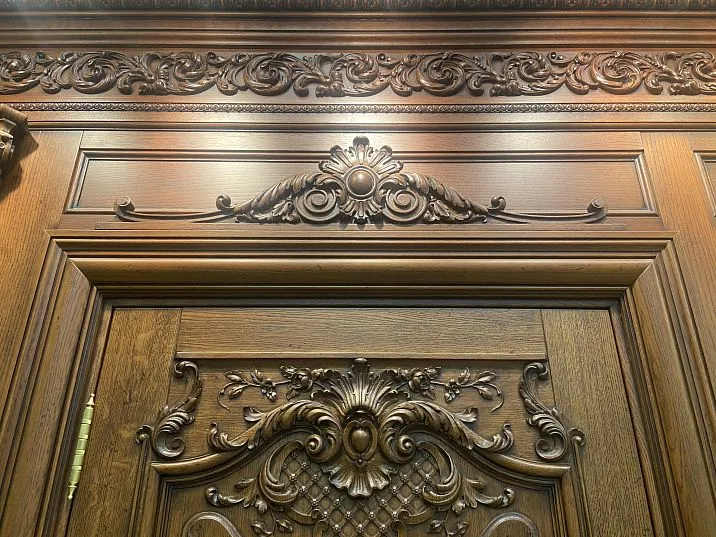
When you enter a home, the first thing you see is not just a passage between rooms. It is the boundary between worlds, a transition from one mood to another, an architectural gesture that can delight or disappoint. Door Frame Installation It is not merely a functional necessity, but the art of creating an atmosphere where every line has meaning, and every curve tells a story.
Do you know that the human eye perceives a doorway within fractions of a second, yet it is precisely in these moments that an impression of the entire space is formed? Psychologists assert: the quality of the doorway framing influences our subconscious perception of comfort and safety. It is no wonder that great architects of the past devoted such careful attention to portal design.
Modern architecture offers countless options — from minimalist solutions to lavish Baroque compositions. But how to choose the single solution that perfectly fits your space concept? How to achieve that Door Frame Installation becomes not merely decoration, but an indispensable part of the architectural symphony of your home?
Psychological Impact of Architectural Transitions
Every time we pass through a doorway, we unconsciously read numerous visual signals. Height, width, proportions, materials, colors — all of this shapes our emotional state. A wide doorway with rich decoration evokes a sense of grandeur, while a narrow, minimalist one conveys intimacy and coziness.




Influence of Proportions on Spatial Perception
The Golden Ratio is rightly considered the foundation of harmony in architecture. door frame trimWhen executed according to classical proportions, it is perceived as naturally beautiful, even if the observer is not versed in the subtleties of architectural composition.
The height of the framing should correspond to the width of the opening in a certain mathematical progression. Excessively high decoration creates a sense of pressure, while too low a profile suggests incompleteness. Experienced masters intuitively sense these proportions, but behind intuition lie years of studying classical examples and understanding the laws of visual perception.
The width of framing elements is also critically important. Narrow profiles suit modern interiors with their pursuit of minimalism, while wide ones are appropriate for classical spaces, where monumentality and solidity are valued. Moldings and door opening framing must create visual balance, not competing with other interior elements, yet not fading into the background.
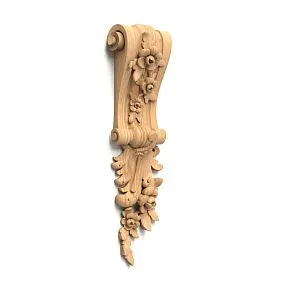
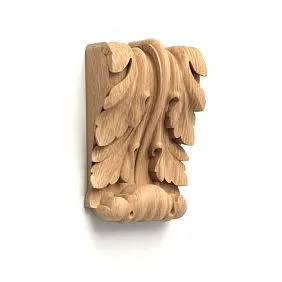
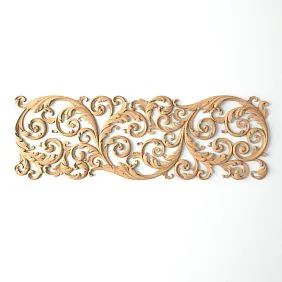
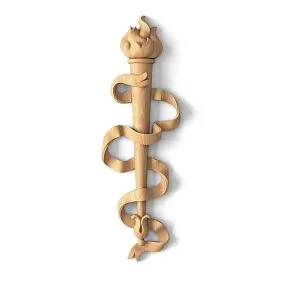
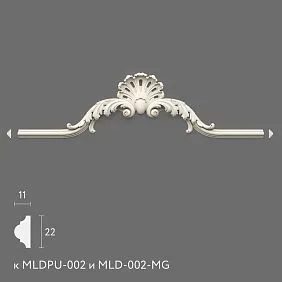
Our factory also produces:


The color of the frame can radically change the perception of space. Light shades visually expand openings, dark shades concentrate attention and create a sense of depth. A contrasting solution makes the opening the focal point of the composition, while a tonal solution integrates it into the overall interior color scheme.
Warm colors — beige, cream, gold — create a sense of coziness and hospitality. Cool colors — gray, blue, silver — add strictness and modernity to the space.
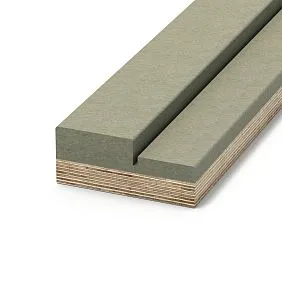
It allows experimenting with color, adapting the frame to any design concept. Paintable Molding It allows experimenting with color, adapting the frame to any design concept.
It is important to consider the room's lighting. Colors appear differently under natural daylight compared to artificial light. Northern rooms require warm tones to compensate for cold light, while southern rooms can afford a cooler palette.
Get Consultation
Material Foundation of Aesthetic Perfection
Choosing a material for the frame is choosing the philosophy of space. Each material carries a certain energy, history, and associations. Wood speaks of a connection with nature, stone — of reliability and solidity, metal — of technology and modernity.
Wood: Living Beauty in Architecture
Wooden framing remains unmatched in terms of warmth of perception and decorative processing possibilities. Each type of wood has its own character — oak is majestic and strict, walnut is elegant and noble, pine is democratic and cozy.
The texture of wood adds organic qualities to the space. Visible growth rings, natural color transitions, slight surface irregularities — all of this creates the feeling of a living material that breathes along with the house. buy door frames Made from quality wood — means investing in longevity and beauty simultaneously.
Modern wood processing technologies allow creating surfaces with various effects. Brushing highlights the texture, patination adds nobility, toning allows adapting the color to a specific design task. At the same time, the main advantage of wood — its natural beauty and tactile appeal — is preserved.
Polyurethane: revolution in decorative art
High-density polyurethane has truly revolutionized the world of architectural decoration. This material allows creating Decorative door frame trim at a level of detail unattainable for natural materials in mass production.
Polyurethane can imitate any surface — from silky wood to rough stone. At the same time, it is absolutely dimensionally stable, does not fear humidity, temperature fluctuations, or mechanical impacts. The service life of quality polyurethane elements is measured in decades without losing their original appearance.
The material's lightness is another indisputable advantage. Elements that appear massive in appearance weigh significantly less than their wooden or stone counterparts. This simplifies installation, reduces load on load-bearing structures, and allows creating large-scale compositions without risk of deformation or collapse.
Composite Solutions: The Best of Different Worlds
Modern composite materials combine the advantages of various components, creating unique properties. Wood-polymer composites combine the beauty of wood with the practicality of plastic. Mineral composites provide the sensation of stone at significantly less weight.
Corner decorative elements Elements made from composite materials allow creating complex spatial compositions that would be impossible using traditional materials. Flexibility in processing, stability of properties, and the ability to create any forms and textures make composites the material of the future in architectural decoration.
Stylistic Directions: From Classicism to Avant-Garde
Each era created its own language of architectural forms, and door frame detailing has always been an important part of this language. Understanding stylistic features helps create a harmonious space where each element supports the overall concept.
Classic Heritage: Eternal Principles of Beauty
Classic style in around the door opening It is based on the principles of classical architecture, where every detail has its place and meaning. Pilasters, capitals, entablatures — these elements create a sense of solemnity and reliability.
Classic framing is built on the principle of hierarchy. The base — the plinth — creates visual support. The middle section — the shafts or moldings — sets the main rhythm of the composition. The top section — capitals and cornice — completes the composition, creating a transition to the ceiling or the next architectural element.
The proportions of classic framing are based on a modular system, where all dimensions are multiples of a basic module. This creates an internal logic of composition that is perceived as natural harmony. Sandrok moldings In a classic execution, they follow these ancient canons adapted to modern conditions.
Baroque: Theatricality and Emotion
Baroque framing is an architectural theater, where each element plays its role in creating an emotional impact. Curved lines, rich plasticity, abundance of decorative details create a sense of movement and life.
Characteristic elements of the Baroque style — cartouches with monograms, garlands of flowers and fruits, mascarons, shells — transform the framing into a true work of art. At the same time, it is important to maintain moderation: excessive decoration may turn beauty into blandness.
The color scheme of the baroque frame can be very rich. Gilding, multi-colored painting, imitation of precious materials — all means are good for creating an impression of luxury and abundance. But even in the most lavish compositions, compositional logic and sense of proportion must be preserved.
Modern minimalism: the power of simplicity
Modern approach to door frame It is based on the principle "less is more". Simple geometric shapes, clear lines, absence of unnecessary details — all this creates a sense of modernity and functionality.
But simplicity does not mean primitiveness. Behind the apparent ease of minimalist design lies complex work to find ideal proportions, select materials, and carefully plan details. Every line must be flawless, every joint — perfect.
Materials for modern framing can be the most diverse — from traditional wood to innovative composites. It is important that they emphasize the concept of space and correspond to its functional purpose.
Technological solutions and innovations
Modern technologies open new possibilities in creating door frame trim. Computer modeling, high-precision equipment, and innovative materials allow to realize the most daring design ideas.
Digital design: precision and visualization
3D modeling has radically changed the process of creating architectural decoration. Now you can see the future frame in the interior even before production begins, make necessary adjustments, and evaluate different color solutions.
Virtual reality allows the client to literally walk through the future interior, evaluate how the frame will fit into the overall concept. This eliminates misunderstandings and guarantees that the result meets expectations.
Parametric modeling allows quickly change the dimensions and proportions of elements, adapting them to specific conditions. Buy door opening framing Thanks to modern design technologies, it is now easier to precisely match the frame to the room's dimensions.
High-precision manufacturing: quality as a standard
CNC machines ensure ideal repeatability of dimensions and surface quality. Milling of complex profiles occurs with precision down to fractions of a millimeter, guaranteeing perfect fitting of elements to each other.
Laser cutting allows creating delicate decorative elements from various materials. Hydro-abrasive processing enables cutting stone and metal with jewel-like precision. All this expands designers' possibilities and allows creating unique compositions.
Quality control systems at all production stages guarantee that finished products meet design specifications. Each element undergoes multi-stage inspection before being shipped to the client.
Smart Materials and Finishes
The development of material chemistry has led to the emergence of coatings with unique properties. Self-cleaning surfaces reduce maintenance costs, antibacterial coatings ensure hygiene, thermochromic coatings allow changing color depending on temperature.
Nanotechnologies open new possibilities in creating coatings with specified properties. Hydrophobic compositions repel water, oleophobic compositions repel oil and dirt, photocatalytic compositions break down organic contaminants under light exposure.
Functional aspects of modern framing
Modern Door Frame Installation It is not only decoration, but also a functional system solving numerous practical tasks. Properly designed framing improves acoustic characteristics of the room, contributes to energy saving, and simplifies cleaning.
Acoustic comfort
Profiled framing elements can significantly improve the acoustic characteristics of a room. Properly selected profile shapes disperse sound waves, reducing reverberation and echo. This is especially important in large rooms with high ceilings.
The framing material also affects acoustics. Wood has natural sound-absorbing properties, polyurethane can be modified with special additives to improve acoustic characteristics. Decorative molding for door openings can become an element of an acoustic comfort system.
Energy efficiency
Quality door frame trim contributes to energy saving by eliminating cold bridges and gaps through which heat loss occurs. Modern sealing systems integrated into the frame structure significantly improve the thermal performance of the opening.
Using thermal insulation materials in the framing structure can further reduce heat loss. This is especially relevant for openings between heated and unheated rooms.
Practicality and convenience
Modern framing should not only be beautiful but also practical. Smooth surfaces are easier to clean from dust and dirt. Rounded corners eliminate hazards. Wear-resistant coatings retain their original appearance for many years.
Framing a Doorway Without a Door requires special attention to structural strength, as it bears increased mechanical loads from accidental touches and bumps.
Installation and Integration into Interior
The quality of installation largely determines the final result. Even the most beautiful frame can be ruined by improper installation. Modern installation technologies allow achieving an ideal result when technological requirements are met.
Preparatory Work
Quality installation begins with careful preparation of the base. Walls must be leveled, cleaned of dust and dirt. The opening geometry must match the project dimensions with minimal deviations.
Marking the position of frame elements is performed using high-precision measuring tools. Laser levels, digital protractors, precision tape measures — the entire arsenal of modern tools is used to achieve an ideal result.
Technology of mounting
Modern mounting systems provide secure fixation of frame elements while retaining the possibility of disassembly for repair or replacement. The combination of adhesive and mechanical mounting provides the optimal balance of strength and ease of installation.
Special mounting elements hidden within the frame structure ensure an aesthetic appearance while providing maximum connection reliability. and frames create a home atmosphere, making it truly cozy and individual. This is an investment in beauty, which pays off every day through aesthetic pleasure from admiring the beautiful. They conceal mounting points, making them completely invisible.
Final Finishing
The final stage of installation — finishing joints and connections. Modern sealants and putties allow creating perfectly flat surfaces without visible seams. The "wet" joint technology ensures the monolithic integrity of the entire structure.
Final painting or varnishing should be performed after complete installation. This allows hiding minor defects and creating a uniform color surface for the entire frame.
Cost aspects and economic efficiency
Investments in quality door frame installations pay off through increased living comfort, improved interior aesthetics, and increased property market value. Proper economic calculation considers not only initial costs but also long-term operational expenses.
Pricing factors
The cost of framing is composed of material costs, manufacturing complexity, batch volume, and delivery timelines. Custom solutions cost more than standard ones but allow achieving a unique result fully aligned with the design concept.
The complexity of the profile and decorative elements significantly affects the price. Simple geometric shapes are manufactured faster and cheaper, while intricate carving or moldings require highly skilled craftsmen and corresponding time investment.
Long-term Economic Efficiency
Quality framing serves for decades without losing its appearance or functional characteristics. Inexpensive materials may require replacement within a few years, ultimately costing more than initial quality investments.
Framing Doorway Openings Made from durable materials, they practically require no maintenance costs. Polyurethane elements require only periodic wiping with a damp cloth, while wooden elements need protective coating renewal every few years.
Trends in development and prospects
The market for architectural decor is constantly evolving, offering new materials, technologies, and design solutions. Understanding current trends helps make choices that will remain relevant for many years.
Ecological sustainability
Ecological requirements are becoming increasingly stringent, influencing material selection for architectural decor. Preference is given to materials from renewable sources with minimal environmental impact during production and disposal.
Certification according to ecological standards is becoming an important competitive advantage. Consumers are increasingly interested in material origins, production conditions, and health impacts.
Individualization and customization
Mass production is giving way to individualized solutions. Modern technologies allow creating unique frame elements in single units without significant cost increases. Each project can achieve its own unique character.
Configurators and online designers allow customers to independently create frame designs, select materials, colors, and sizes. Augmented reality technologies enable viewing the result in the real interior even before ordering production.
Integration with smart technologies
Door frame installations are becoming part of the "smart home" system. Built-in motion sensors, hidden lighting, integration with security systems — all this transforms a decorative element into a functional part of modern interiors.
Wireless technologies allow integrating various devices into the frame without compromising aesthetics. Hidden speakers, air quality sensors, lighting elements — possibilities are limited only by the designer's imagination.
Conclusion: the art of creating a perfect transition
Door Frame Installation — it is more than decoration. It is a way of expressing individuality, creating an atmosphere, forming the first impression of a space. In an era when technology allows realizing any fantasy, it is especially important to preserve a sense of proportion and understanding of true beauty.
Every opening is an opportunity to tell a story, convey an atmosphere, create an emotion. A properly chosen and quality-executed frame becomes an indispensable part of the architectural composition, that detail which completes the overall concept and gives the space a sense of completeness.
Investing in quality framing is investing in long-term comfort and aesthetic pleasure. The beauty created by master craftsmen will delight the eyes and serve people for decades, becoming part of family history and witnessing important life moments.
When choosing framing for your home, remember: you are creating not just decoration, but an atmosphere in which you will live. May every transition between rooms become a small celebration, a reminder that beauty is not luxury, but a necessity for a fulfilling life.
For more than two decades, the STAVROS company has helped people create beautiful and functional interiors. By combining traditional craftsmanship with modern technologies, STAVROS specialists create frames that become a decoration for any home. From classic wooden profiles to innovative polyurethane compositions — a wide product range allows finding a solution for any style and budget.
Individual approach to each project, use of premium materials, strict quality control at all production stages — these are the principles of STAVROS operation. Entrusting your home to professionals ensures quality assurance and confidence that the result will exceed your expectations.