Article Contents:
- Introduction to the Furniture Market
- Goals and Objectives of the Article
- Historical Overview of the Furniture Market
- Period of Formation and Growth (1970s – 1990s)
- Era of Globalization and Technological Innovations (2000s – Present)
- Statistical Analysis and Data Collection
- Expert Evaluation Methods
- Modeling and Forecasting
- Comparative Analysis with Other Industries
- Economic Factors
- Social and Demographic Factors
- Technological Factors
- Cultural Factors and Design Trends
- Marketing and Advertising Strategies
- Production digitization
- Virtual Reality and Online Configurators
- Online Sales and Digital Marketing
- Developed Markets: Europe and North America
- Emerging Markets: Asia, Latin America, and Africa
- Local Traditions and Features
- Growth in Demand for Custom Solutions
- Sustainable development and ecological responsibility
- Impact of Globalization and International Competition
- Innovative materials and technologies
- Development of Online Platforms and Digital Services
- Invest in Technology and Digitization
- Develop Flexible Marketing Strategies
- Focus on Quality and Innovation
- Strengthen your brand and develop partnerships
The world of the furniture market is a dynamically evolving industry reflecting economic, cultural, and technological changes in modern society. Over the past decades, the furniture market has undergone significant transformations driven by changes in demand, increased competition, innovations, and shifts in consumer preferences. In this article, we will thoroughly examine how the furniture market volume is formed, what factors influence it, and what development prospects the industry can expect in the coming years.
Special attention will be given to the classic furniture segment. If you wish to familiarize yourself with the product range in this style, we recommend visitingclassic furniture, classic furniture andClassic Furniture.


Introduction to the furniture market
The modern furniture market is characterized by high competition, a wide assortment, and constant innovative changes. Its dynamics are determined by both internal economic processes and global trends. The market volume is directly linked to the population's standard of living, purchasing power, architectural and design trends, as well as the development of production and sales technologies.
Furniture is not just a utilitarian product for furnishing homes or offices, but also an important element of cultural self-expression, reflecting society's aesthetic and functional demands. Today, consumers seek not only comfort but also uniqueness, style, and product eco-friendliness. Manufacturers are forced to consider a wide range of factors to remain competitive and ensure steady sales growth.




Objectives and tasks of the article
This article aims to achieve the following objectives:
● Analysis of the historical development of the furniture market. We will examine how the market volume has formed over decades and which key events have influenced it.
● Overview of current trends. We will analyze the main factors influencing sales growth or decline, and highlight current trends.
● Review of methods for assessing market volume. We will discuss the tools and methodologies used to analyze the industry's state.
● Forecasting development prospects. We will describe possible future scenarios for the furniture market under conditions of globalization, digitalization, and changing consumer preferences.
Our goal is to provide readers with a comprehensive overview of the current state and prospects of the furniture market, as well as to create a foundation for making informed decisions for both entrepreneurs and investors.
Our factory also produces:


Historical overview of the furniture market
The development of the furniture market reflects the evolution of economic, social, and technological processes in society. Historical analysis allows us to understand how its volumes were formed and which key stages determined the industry's current dynamics.
Get Consultation
Period of formation and growth (1970s–1990s)
During the period from the 1970s to the 1990s, the furniture market in countries with transitional economies experienced stages of formation and liberalization. Under centralized production, the assortment and quality of products were limited. However, with the onset of market reforms, new brands, private production, and expanded assortments began to emerge.
Consumer demands began to change: people sought higher quality, functional, and aesthetically pleasing furniture. Manufacturers modernized technologies and developed new designs, including items from the classic furniture segment. Already then, one could encounter samplesclassic furniture andcollection of furniture in classic styledistinguished by high quality and timeless aesthetics.
The era of globalization and technological innovations (2000s–present)
Since the early 2000s, the furniture market has been influenced by global economic processes. Market liberalization, increased competition, and the adoption of digital technologies have fundamentally transformed the industry. The emergence of online stores, platforms for custom orders, and online configurators allowed significantly expanding the audience and reducing costs.
Digital technologies enabled manufacturers to use the internet as a sales channel, increasing sales volumes and reducing costs. Modern technologies allow creating furniture using innovative materials that enhance its functionality and durability.
In this period, the classic furniture segment received special attention. Consumers who value authentic design, quality, and traditional manufacturing methods continue to chooseclassic furnitureSuch items remain in demand despite the emergence of new alternatives.
Methods for assessing the furniture market volume
Assessing the furniture market volume is a multifaceted process involving analysis of various indicators and factors. Several methods exist that allow evaluating the market's dynamics and potential.
Statistical analysis and data collection
In the first stage of research, statistical data is collected: production volume, sales, import-export operations, and other economic indicators. These data come from both government agencies and private analytical agencies. Based on them, a general market picture is formed.
Statistical analysis allows not only to determine the current volume but also to identify development trends. For example, one can trace the impact of economic or global financial climate changes on furniture demand. Special attention is paid to analyzing demand dynamics forclassic furniturewhich helps identify consumers' stable preferences.
Expert Evaluation Method
The expert evaluation method involves engaging industry specialists, analysts, and economists to forecast trends and identify key growth drivers. Experts assess both internal and external factors affecting the furniture market volume, conducting surveys, interviews, and analyzing analytical reports.
This approach allows for a deeper understanding of how changes in consumer behavior, global trends, and economic instability may impact sales volumes. The obtained forecasts are useful for strategic planning for both large manufacturers and small companies.
Modeling and Forecasting
Modern forecasting methods are based on mathematical modeling, which allows for consideration of a large number of variables. Such models include parameters such as:
● GDP growth rates,
● Changes in consumer behavior,
● Inflation level,
● Development of digital technologies.
Mathematical modeling allows obtaining more accurate forecasts of the industry's future development, evaluating possible growth or decline scenarios of market volumes depending on various economic and social factors.
Comparative Analysis with Other Industries
Comparative analysis allows identifying common trends and competitive advantages by comparing the furniture market with other industries – construction, interior design, household appliance manufacturing, and even the IT sector. For example, demand forclassic furniture often correlates with the level of development of construction and interior design, allowing an assessment of the sustainability of demand for classic models.
Factors Affecting the Volume of the Furniture Market
The volume of the furniture market depends on numerous factors, both internal and external. Let's consider the main ones.
Economic Factors
The economic situation in the country has a direct impact on the population's purchasing power and, consequently, on the volume of furniture sales. During stable economic growth, demand for furniture, both for private and commercial use, increases.
Key economic factors:
● Population income level. The higher the income, the greater the opportunities to purchase quality and designer furniture.
Inflation level. Inflation affects pricing and purchasing power.
● Legislation and tax regulation. Changes in legislation, customs duties, and tax rates may stimulate or, conversely, restrict market growth.
● Investment climate. Investments in construction, renovation, and interior design directly affect furniture demand.
Social and Demographic Factors
Social changes and demographic shifts play an important role in forming demand for furniture. Changes in population structure, urbanization, and changes in lifestyle influence requirements for furniture.
Main aspects:
● Family traditions and values. In countries with established traditions, demand for items made in the classic style remains stable. This is whyclassic furniture andClassic Furniture are popular, associated with quality, durability, and elegance.
● Urbanization growth. An increase in urban population leads to higher demand for compact, functional furniture for small apartments and offices.
● Changes in lifestyle. Modern trends – remote work, freelancing, co-working spaces – require new solutions in furniture design, including modular and ergonomic models.
Technological factors
Innovative technologies significantly impact furniture production and sales. Modern methods allow improving product quality, optimizing production, and expanding the product range through the adoption of digital solutions.
Main technological trends:
● Automation of production. Robotic lines and modern control systems increase the accuracy and quality of furniture manufacturing.
● Digital technologies. The use of 3D modeling, virtual reality, and online configurators simplifies the process of selecting and ordering furniture.
● Eco-friendly technologies. In the context of growing environmental concerns, manufacturers adopt technologies that reduce negative impact on the environment.
Cultural factors and design trends
Aesthetic and cultural preferences of the population significantly influence the furniture market assortment. Each country or region has its own traditional styles that determine furniture choices.
For example,Classic Furniture is associated with elegance, luxury, and durability. These items often become the central element of interior design, combining traditional values with modern technologies.
Marketing and advertising strategies
An effective marketing strategy is one of the key factors of success in the furniture business. Modern promotion methods, use of social networks, online advertising, and personalized marketing allow reaching a broad audience and increasing sales volumes.
Advertising campaigns are aimed not only at attracting new customers but also at retaining loyal audiences. Brands offeringClassic Furnitureemphasize durability, quality, and uniqueness of design of their products.
Technological and digital innovations in the furniture business
The furniture industry today actively integrates digital technologies, enabling improvements in both production processes and customer interaction.
Digitalization of production
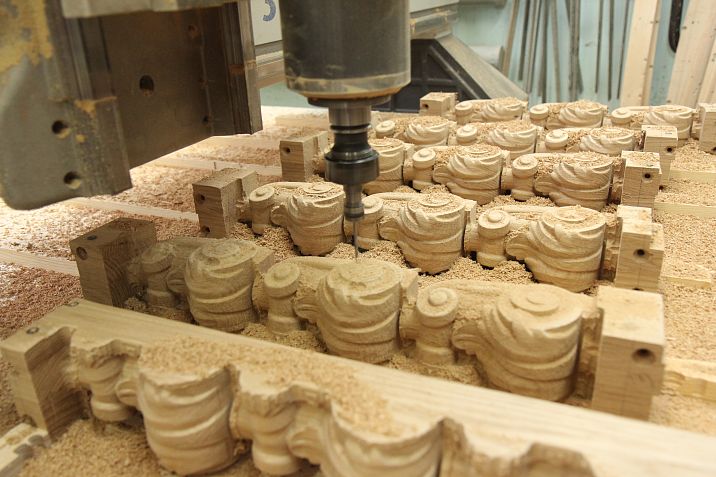
Introducing digital technologies into production allows increasing operational efficiency and product quality. Automated control systems ensure high precision in furniture manufacturing, minimizing errors and reducing production costs. This is especially important for segments requiring flawless compliance with standards, for example, forclassic furniture.
Moreover, digitization helps optimize raw material usage, improve working conditions, and shorten production cycles, enabling faster adaptation to changes in demand.
Virtual reality and online configurators
One of the most promising directions is the application of virtual reality (VR) and online configurators technologies. These tools allow customers not only to see how furniture will look in an interior but also to customize its design according to their preferences. Such an interactive approach significantly reduces the time required to make a purchase decision and increases customer satisfaction.
Online configurators allow experimenting with different layout options, changing colors, textures, and shapes of items. This is especially relevant for those seeking individual solutions — whetherclassic furniture or modern modular systems.
Online sales and digital marketing
E-commerce has become an indispensable part of the modern furniture industry. The emergence of online stores, mobile applications, and social networks allows reaching a global audience, expanding the market, and reducing costs associated with maintaining physical retail locations.
Digital marketing, including SEO, content marketing, targeted advertising, and active social media management, helps brands effectively promote their products. Thanks to this, even traditional segments, such asClassic Furniturereceive new life and attract new audiences.
Regional characteristics of the furniture market
The furniture market is not a monolithic structure. Its volume and structure depend on the region, economic climate, cultural traditions, and level of urbanization.
Developed markets: Europe and North America
In developed countries of Europe and North America, the furniture market is characterized by high maturity and stable demand. Here, consumers prefer quality, functionality, and sophisticated design. Manufacturers are required to comply with strict safety and environmental standards, which are reflected in pricing policies.
demand forclassic furniture Remains stable despite the presence of modern alternatives. Commitment to quality and traditional design helps brands maintain their reputation.
Emerging markets: Asia, Latin America, and Africa
Markets in Asia, Latin America, and Africa demonstrate significant growth potential. The rise of the middle class, increasing incomes, and the desire for improved quality of life lead to higher demand for furniture. At the same time, consumer preferences in these regions may differ significantly: in some cases, functional and simple solutions dominate, while in others, products associated with prestige are valued, for example,Classic Furniture.
These characteristics allow manufacturers to adapt their product range to local market requirements, which contributes to increased sales volumes and brand development.
Local traditions and characteristics
Cultural traditions and local characteristics also play an important role in shaping furniture demand. Each country has its own aesthetic preferences, determined by history, climate, and social conditions. For example, in countries with rich artisanal art traditions, the segmentclassic furniture enjoys stable demand, as the products are associated with quality, durability, and refined taste.
Manufacturers entering new markets take these features into account, adapting the design and functional characteristics of their products to meet the specific needs of local consumers.
Prospects and forecasts for the furniture market development
Forecasting the future of the furniture market is a complex task, as the industry depends on numerous variables. However, several key trends can be identified, which, according to analysts, will determine market development in the coming years.
Growing demand for individualized solutions
Modern consumers increasingly seek unique solutions for interior design. Modular furniture, the ability to customize products, exclusive design, and personalized approaches are becoming important factors when choosing furniture. This allows brands to stand out against mass offerings.
Demand for individualized solutions will continue to grow, while the classic furniture segment will remain popular. Many consumers believe that only traditional models can ensure durability and timeless quality. Therefore, products such asclassic furniturewill retain their popularity.
Sustainable development and environmental responsibility
One of the most significant trends of recent years is the shift toward sustainable development. Consumers are increasingly paying attention to the ecological properties of materials, production processes, and the possibility of recycling. This requires manufacturers to adopt eco-friendly technologies and use natural materials.
In the coming years, environmental requirements will only intensify. Companies that can offer eco-friendly solutions will gain significant competitive advantages. This is especially important for the segmentcollection of furniture in classic stylewhere customers value not only aesthetics but also the ecological properties of the products.
Impact of globalization and international competition
Globalization significantly impacts the furniture market. Expansion of international trade, reduction of trade barriers, and active development of multinational companies contribute to increased competition. Manufacturers are forced to improve technologies, optimize logistics, and enhance service quality.
On the other hand, globalization opens new opportunities for domestic manufacturers. Entering international markets allows significantly increasing sales volumes and gaining access to new technologies and knowledge. At the same time, traditional segments such asclassic furniturecan become a unique competitive advantage due to experience and traditional production methods.
Innovative materials and technologies
Scientific and technological progress opens new horizons in furniture production. The use of innovative materials such as composites, lightweight alloys, and new types of wood fibers allows creating products with improved characteristics — increased strength, eco-friendliness, and durability. This not only optimizes the production process but also expands the product range.
Companies actively implementing innovations gain the opportunity to offer consumers products combining traditional manufacturing methods with modern technological achievements. This is especially relevant for the segmentcollection of furniture in classic stylewhere quality and durability remain the primary criteria for selection.
Development of online platforms and digital services
Online sales and digital services are becoming the most important sales channels in the furniture business. Internet stores, mobile applications, and social networks allow reaching a global audience, reducing costs of maintaining physical locations, and promptly responding to changes in demand.
Digital technologies also improve customer service: the buyer can select an item according to their parameters, receive consultation, order delivery, and even see how the furniture will look in the interior using virtual reality. This contributes to increased sales volumes and strengthens trust in the brand.
Practical recommendations for furniture manufacturers and sellers
Based on the analysis conducted, several recommendations can be identified that will help participants in the furniture market adapt to modern conditions and effectively increase sales volumes.
Invest in technology and digitization
In a highly competitive environment, investment in digitization has become essential. Automating production, implementing online configurators, developing e-commerce platforms, and actively using digital marketing will not only help reduce costs but also attract new audiences.
Modern platforms allow for rapid response to changes in demand, offering customized solutions and product personalization. This is especially important for the segmentclassic furniture, where traditional methods combine with innovative approaches.
Develop flexible marketing strategies
Effective marketing is the key to success in a rapidly changing market. It is recommended:
● Regularly analyze consumer preferences.
● Use digital marketing tools: SEO, content marketing, social media.
● Create targeted advertising campaigns for different audience segments.
● Implement loyalty programs and personalized offers for repeat customers.
Such an approach will not only increase sales volume but also build a strong base of loyal customers.
Focus on quality and innovation
Product quality and innovative solutions are the key to success in the furniture industry. Consumers are willing to pay for products that combine high quality, durability, and modern design. At the same time, traditional segments, such asClassic Furniture, remain relevant due to their unique aesthetics and cultural value.
Manufacturers are recommended:
● Continuously improve production technologies.
● Introduce new materials and eco-friendly solutions.
● Conduct market research to promptly identify consumer preferences.
● Balance traditional methods with modern technological innovations.
Strengthen your brand and develop partnerships
A strong brand is a guarantee of consumer trust and company success. Successful companies actively invest in building their image, participate in exhibitions, conferences, and other events that help enhance their reputation. Establishing partnerships with suppliers, designers, and other market participants allows for exchanging experience and creating joint projects, expanding opportunities to enter new markets.
Conclusion
The volume of the furniture market is the result of a complex interaction of multiple factors: economic, social, cultural, and technological. Historical analysis shows how the industry has evolved from centralized production to today's dynamic industry, where success is determined by innovation, digitization, and attention to customer needs.
In conditions of globalization and intensified competition, manufacturers must focus on quality, sustainable development, and an individual approach to each customer. The growing demand for unique solutions, eco-friendly materials, and digital technologies opens new opportunities to increase sales volumes. At the same time, segments such asclassic furniture, Classic Furniture andClassic Furniture, continue to occupy a significant position due to their timeless aesthetics and high-quality execution.
To achieve success in this industry, it is necessary:
● Closely monitor changes in the economic and social environment.
● Invest in innovative technologies and digitization.
● Develop flexible marketing strategies.
● Maintain consistently high product quality.
The furniture market is a living organism capable of adapting to changes, responding to the challenges of time, and offering consumers products that combine traditional values with modern technologies. Only those companies that are ready for change, invest in the future, and remain loyal to their traditions will be able to win audience trust and ensure sustainable growth.
Final thoughts and recommendations for investors
The future of the furniture market depends on companies' ability to integrate traditional methods with innovative technologies, focus on quality, and continuously adapt to changing conditions. Investments in technology, sustainable development, and a personalized approach to the customer become key factors for success.
If you plan to invest in the furniture industry, pay attention to companies actively implementing digital solutions and eco-friendly technologies. Analyze not only financial indicators but also strategic development plans, innovative projects, and the ability to adapt to global trends. Commitment to quality, attention to detail, and openness to innovation are the factors that will help you choose a reliable partner in the market.
Today, more than ever, it is important to be open to new technologies and changes. If you are a representative of the furniture business, do not be afraid to experiment, implement modern solutions, and listen to consumer feedback. And if you are looking for quality and stylish furniture that combines traditional methods with modern technologies, explore the offeringsclassic furniture, classic furniture andcollection of furniture in classic styleA thoughtful choice today lays the foundation for confidence in tomorrow.
Conclusion
The volume of the furniture market is not just a statistical indicator but a reflection of the complex interplay of economic, cultural, and technological factors. The industry's evolution demonstrates that only a constant pursuit of perfection, innovation, and attention to customer needs can ensure long-term success.
We call on all market participants—from large manufacturers to small workshops—to not stop at what has been achieved, but to constantly seek new paths for development. Integrating traditional values with modern technologies will be the guarantee of future success and steady growth.
Let every new furniture collection, whether classic pieces or modern modular solutions, reflect a commitment to quality, unique design, and ecological responsibility. For it is precisely this synergy of tradition and innovation that can not only win audience trust but also create a future in which every detail matters.
Read, analyze, and act with confidence— the future of the furniture market is in your hands!