Article Contents:
- Anatomy of perfection: what makes a wooden table special
- The living breath of wood
- Energy of natural material
- Gallery of wood species: character in every fiber
- Oak — the unshakable ruler
- Ash — elegant strength
- Walnut — aristocratic nobility
- Exotic species: exclusivity in every detail
- Shapes and sizes: the geometry of family happiness
- Classic rectangle — tradition and functionality
- Round table — democracy and unity
- Oval elegance
- Ventilated facades: The breathing wall
- Massive supports — symbol of reliability
- Elegant silhouettes — lightness and airiness
- Transformable Structures
- Technological aspects: from wood to masterpiece
- Wood preparation — foundation of quality
- Joinery — art of eternity
- Final finishing — protection and aesthetics
- Bio-tech: Organic forms of the future
- Classic grandeur
- Scandinavian simplicity
- Modern eclecticism
- Table height: mathematics of convenience
- Anthropometric foundations
- Psychology of Space
- Functional features of modern tables
- Integrated storage systems
- Transformation and adaptability
- Technological Integration
- Care and maintenance: preserving beauty for generations
- Daily routines
- Protection against damage
- Periodic refreshment
- Ecological Aspects: Responsibility Toward the Planet
- Certified wood
- Carbon footprint
- Zero-waste production
- Interior psychology: impact on quality of life
- Biophilic design
- Family traditions and social connections
- Economic considerations: investment in the future
- Long-term profitability
- Impact on property value
- Modern trends and the future of dining table design
- Personalization and customization
- Ecological innovations
- Integration of smart technologies
- Conclusion: a choice that shapes your lifestyle
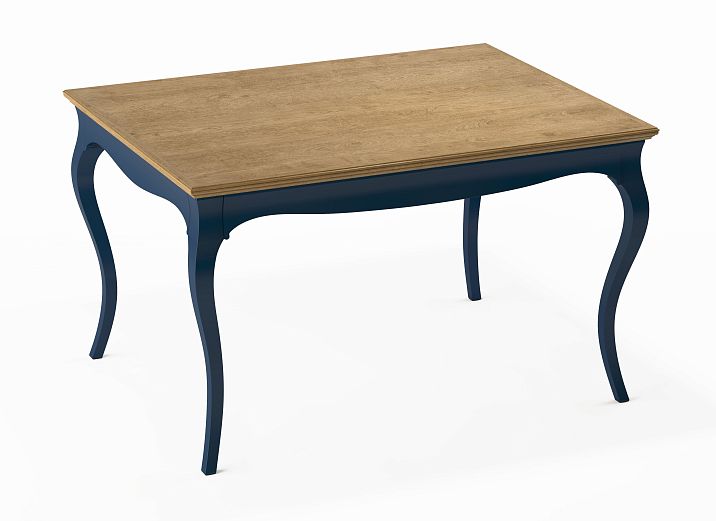
Where are the most cherished family memories born? Behind which surface do the most important conversations take place, crucial decisions are made, triumphs are celebrated, and failures are endured? Dining tables made of natural wood These are not just pieces of furniture, but the heart of the home, the altar of the family hearth, the place where every day a small miracle of human unity is performed.
Natural wood possesses an amazing ability to create a special atmosphere. When you touch the wooden surface of the table, under your fingers awakens the story of a century-long growth, the energy of sun and rain, the wisdom of time. Every grain of the solid wood tells a unique story, every swirl of texture carries a fragment of living nature.
In the age of plastic and composite materials, choosing natural wood is a manifesto of authenticity, a statement of commitment to true values. It is an understanding that beauty cannot be artificial, and true comfort arises only from harmony with nature.


Anatomy of perfection: what makes a wooden table special




The living breath of wood
Amazingly, the tree continues to live even after becoming furniture. Scientific research confirms the ability of wood to regulate air humidity in a room. In dry weather, the tree releases stored moisture, and in humid weather — it absorbs excess moisture. This natural self-regulation creates a healthy microclimate around the dining table.
Each tree is unique, like a fingerprint. An oak grown in northern forests will differ from its southern counterpart in wood density, tone, and texture character. This means your table is a one-of-a-kind, unique piece of natural art.
Our factory also produces:


Energy of natural material
Touching a natural wooden surface triggers a cascade of positive physiological reactions. Tactile receptors transmit signals to the brain, activating serotonin production — the happiness hormone. That's why family dinners at a wooden table create a special sense of coziness and unity.
Different wood species emit their own energy. Oak symbolizes strength and stability, walnut — wisdom and nobility, ash — flexibility and growth aspiration. Choosing a wood species for your dining table shapes the energetic field of your kitchen or dining room.
Get Consultation
Gallery of wood species: character in every fiber
Oak — unshakable ruler
Oak dining tables are embodiments of power and dignity. Oak wood density reaches 700 kilograms per cubic meter, providing incredible strength and resistance to any load. High tannin concentration creates natural protection against moisture, stains, and mechanical damage.
Oak color palette is stunningly diverse: from delicate honey tones of young trees to deep chocolate-brown hues of ancient giants. Large, expressive texture with clearly defined growth rings creates a majestic decorative effect, turning the dining table into the centerpiece of the interior.
Thermal treatment allows obtaining unique oak shades — from noble silver-gray to rich black. Meanwhile, the characteristic wood grain remains, creating unique visual effects.
Ash — Elegant Strength
Ash dining tables combine exceptional strength with refined beauty. Light wood with contrasting dark veins creates a dynamic, lively texture capable of revitalizing any interior. Ash’s special feature — high impact toughness — allows creating tables with slender, elegant legs without sacrificing functional reliability.
Ash is a true chameleon among wood species. It excellently accepts various stains and treatments, allowing a wide range of color solutions. From natural light gold to deep walnut — possibilities are virtually limitless.
Ash’s striped structure creates a special optical effect, making the table surface shimmer and change hues with changing lighting. This adds special dynamism and expressiveness to the dining area.
Walnut — Aristocratic Elegance
Walnut dining tables are a choice for true connoisseurs of luxury and elegance. Rich color palette ranging from light walnut to deep chocolate tones, wavy wood grain forming unique patterns — all this turns a walnut table into a work of art.
Walnut’s uniqueness lies in its exceptional stability. This wood practically does not deform under changes in humidity and temperature — critically important for kitchen furniture. Excellent workability allows craftsmen to create complex decorative elements, carved details, and refined profiles.
Natural silk-like sheen of walnut surface creates a sense of luxury and warmth. Under different lighting angles, walnut reveals new facets of its beauty, showcasing depth and richness of natural patterns.
Exotic Species: Exclusivity in Every Detail
Mahogany, teak, wenge, zebrawood — these names sound like spells for admirers of unique interiors. Each exotic species possesses exceptional characteristics and an unmistakable appearance.
Mahogany impresses with dimensional stability and rich red-brown color with golden hues. Wenge surprises with contrasting black-brown texture and phenomenal hardness. Teak demonstrates exceptional moisture resistance due to high natural oil content.
Using exotic species transforms an ordinary dining table into a collectible item, an investment in beauty and prestige. Such tables become family heirlooms, passed down from generation to generation.
Shapes and sizes: geometry of family happiness
Classic rectangle — tradition and functionality
Rectangular dining tables made of natural wood for dining area remain the most popular choice for most interiors. This shape optimally uses space, easily fits along walls, and provides maximum seating area.
Standard width of a rectangular table is 80–100 centimeters — this is the optimal distance allowing people sitting opposite to communicate comfortably and reach the center of the table. Length varies from compact 120 centimeters for small families to impressive 300 centimeters for large celebrations.
Rectangular shape is ideal for formal dinners and festive events. Clear lines create a sense of order and organization, which is especially important in classic and modern interiors.
Round table — democracy and unity
Round dining tables create a special atmosphere of equality and unity. At a round table, there is no "main" place — every guest is in equal position. This shape promotes more lively communication, creating a sense of intimacy and warmth.
Diameter of a round table should be carefully calculated based on the number of seating places. 120 centimeters is sufficient for four people, 150 centimeters — for six, 180 centimeters and more — for eight or more guests.
Round tables are especially good in small rooms — absence of sharp corners creates a sense of more space and safety. They fit perfectly into country, Provence, and Scandinavian minimalist interiors.
Oval elegance
Oval tables combine the advantages of rectangular and round shapes. They offer greater seating area than round tables of the same size, while retaining the sense of softness and smooth lines.
The oval shape looks especially elegant in spacious dining rooms and living rooms. Smooth curves create a sense of movement and grace, making the table a central element of the composition.
Structural solutions: engineering of beauty
Massive supports — symbol of reliability
Tables on massive supports embody the idea of stability and solidity. Thick wooden legs, pedestals, and bases create a sense of monumentality and durability. Such constructions can withstand significant loads without losing stability.
Central pedestal support provides maximum legroom for seated individuals and allows for additional chairs when needed. Four massive legs create absolute stability, but may limit chair placement.
Elegant silhouettes — lightness and delicacy
Modern wood processing technologies allow creating tables with elegant, slender supports without sacrificing strength. Such constructions visually lighten the interior, creating a sense of airiness and spaciousness.
Conical legs, smoothly widening toward the base, ensure optimal load distribution. Metal elements combined with wood create interesting contrasts and emphasize modern design.
Transformable Structures
Foldable tables — ideal solution for modern homes where space is used efficiently. In folded form, such a table occupies minimal space, and when needed, it easily expands to accommodate guests.
Transformation mechanisms are constantly improving. Modern systems allow increasing the table size with one movement, without using additional tools. Hidden guides and dampers ensure smooth and silent operation of mechanisms.
Technological aspects: from wood to masterpiece
Wood preparation — foundation of quality
Creating a quality dining table begins with careful material preparation. Kiln drying under controlled parameters is a high-tech process requiring precise adherence to temperature and humidity regimes.
The optimal moisture content for furniture-grade wood is 8–10%. This level prevents future deformation of the tabletop and ensures geometric stability throughout the product’s lifespan. Gradual drying with progressive parameter changes preserves all valuable properties of natural wood.
The stabilization process includes not only moisture removal but also relieving internal stresses in the wood. Special technological regimes allow "calming" the material, preventing future cracking and deformation.
Joinery — art of eternity
The strength and longevity of a wooden dining table largely depend on the quality of its joints. Traditional joinery methods — mortise and tenon, dovetail, dowel joints — have been tested over centuries and provide maximum reliability without using metal components.
Modern CNC routers allow creating joints with precision down to hundredths of a millimeter. Perfectly matched parts eliminate gaps, ensure structural monolithism, and prevent loosening over time.
Adhesive joints complement mechanical ones, creating practically indestructible connections between elements. Modern woodworking adhesives provide strength often exceeding the strength of the wood itself.
Final finish — protection and aesthetics
Choosing a final finish is critically important for a dining table subjected to intense loads: hot items, spilled liquids, mechanical impacts. Each type of finish has its advantages and applications.
Natural oil finishes penetrate deeply into the wood structure, highlighting its natural beauty. They create a "breathable" surface, pleasant to the touch, but require periodic renewal. Wax imparts a silky smoothness and noble sheen to the surface.
Coating systems provide maximum protection against external influences. Polyurethane coatings create a durable film resistant to scratches, stains, and high temperatures. Modern formulations are virtually invisible, preserving the natural appearance of the wood.
Stylistic Directions: From Classic to Avant-Garde
Classic grandeur
Classical wooden dining tables embodiment of centuries-old traditions of furniture art. Strict proportions based on the golden ratio, symmetrical compositions, and refined decorative elements create an atmosphere of solemnity and respectability.
Carved cornices, turned balusters, three-dimensional panels — every detail of a classic table is meticulously crafted. Gilding or silvering enhances the relief of decorative elements, creating a sense of noble antiquity.
Dark noble woods — oak, walnut, mahogany — are traditionally used for classic tables. Deep, rich tones create a sense of solidity, fundamentality, and connection to historical traditions.
Scandinavian simplicity
Scandinavian aesthetics brought revolutionary principles of functionality and naturalness to furniture design. Scandinavian dining tables are characterized by extreme simplicity of form, light wood tones, and absence of excessive decoration.
Birch, pine, beech are minimally processed, preserving maximum natural beauty and texture. Matte finishes emphasize the material’s naturalness, creating pleasant tactile sensations.
Simple geometric shapes, clear proportions, functionality of each element — the basis of Scandinavian style. Such tables create a sense of space, light, harmony with nature.
Modern Eclecticism
Modern design trends allow bold experiments with shapes, materials, and color solutions. Wooden tables can be combined with metallic elements, creating interesting contrasts of textures and shades.
Asymmetric compositions, non-standard proportions, unexpected color solutions — modern style opens boundless opportunities for creativity. Wood serves as the base upon which current design trends are layered.
Integration of modern technologies — LED lighting, wireless charging stations, touch control panels — transforms a dining table into a high-tech object while preserving the warmth of natural material.
Ergonomic principles: science of comfort
Anthropometric foundations
Creating a comfortable dining table requires precise understanding of human anatomy and behavior at the table. The standard table height is 72–76 centimeters — this is the optimal distance from the floor to the tabletop for an average-height person.
The depth of the tabletop should be at least 60 centimeters per person to ensure comfortable placement of dishes and freedom of movement. The distance between opposite edges of the table — a minimum of 80 centimeters — allows for placing shared dishes.
The height of the table base should allow free placement of seated legs. The minimum height of free space is 60 centimeters, optimal — 65–67 centimeters.
Psychology of Space
The shape and size of the dining table influence the nature of communication and the atmosphere of the meal. Round tables promote more lively, democratic interaction. Rectangular tables create a certain hierarchy and are suitable for formal events.
The color of the tabletop also affects the perception of food and the overall atmosphere. Light shades create a sense of freshness and cleanliness, dark shades — of solemnity and coziness. Natural wood tones are universal and harmoniously complement any interior design.
Functional features of modern tables
Integrated storage systems
Modern dining tables made of natural wood may include thoughtfully designed storage systems. Pull-out drawers for cutlery, hidden compartments for napkins and trays, built-in wine racks — all of this enhances functionality and ease of use.
Rotating mechanisms in the center of the table allow easy passing of dishes to all participants. Built-in warmers maintain optimal dish temperature during long meals.
Transformation and adaptability
Sliding mechanisms allow easy adjustment of table size depending on the number of guests. Modern transformation systems operate smoothly and silently, requiring no significant physical effort.
Adjustable tabletop height — a useful feature for families with children or people with disabilities. Electric drives provide precise and convenient adjustment with a single button press.
Technological Integration
Built-in tabletop heating systems maintain comfortable temperature during cold weather. Wireless charging devices integrated into the tabletop surface allow charging mobile devices without disrupting table setting aesthetics.
USB ports and outlets hidden within the table structure provide convenient connection of electronic devices. Built-in speakers create a pleasant audio background for meals.
Care and maintenance: preserving beauty for generations
Daily procedures
Proper care of a wooden dining table does not require complex procedures, but must be regular. After each use, wipe the tabletop with a clean damp cloth, immediately removing any stains or dirt.
Hot items should always be placed on coasters — direct contact with hot dishes may leave irreversible marks on the surface. Using napkins and tablecloths protects the tabletop from scratches and stains.
Protection against damage
Placing the table away from direct sunlight prevents fading and drying of the wood. Heating appliances and air conditioners create unfavorable temperature and humidity fluctuations, so the table should be placed at least 60 centimeters away from them.
Using coasters, hot item holders, protective napkins — simple measures that significantly extend the life of a wooden tabletop. Glass overlays provide maximum protection while preserving the beauty of natural wood.
Periodic Renewal
Oil finishes require renewal every 6–12 months depending on usage intensity. The procedure is simple: light sanding with fine-grit sandpaper, dust removal, and application of a thin layer of oil.
Wax finishes are even easier to renew — simply apply a new layer of wax and polish the surface with a soft cloth. Lacquer finishes are more durable, but require professional restoration in case of serious damage.
Ecological aspects: responsibility toward the planet
Certified Wood
Modern furniture production is inseparably linked to principles of sustainable development. FSC (Forest Stewardship Council) certification guarantees that the wood is sourced from forests managed according to the highest ecological standards.
Such a system ensures biodiversity conservation, respect for indigenous peoples' rights, and sustainable forest resource management. Choosing certified materials is an active stance in protecting the environment.
Carbon footprint
Wood is the only building material that actively absorbs carbon dioxide from the atmosphere during growth. Wooden furniture continues to store this carbon throughout its lifespan, contributing to the fight against climate change.
Using local wood species minimizes transportation costs and associated greenhouse gas emissions. Supporting regional producers contributes to economic development and the preservation of traditional crafts.
Waste-free production
Modern woodworking enterprises strive to minimize waste. Sawdust is used to produce fuel pellets, shavings for composite materials, and trimmings for souvenirs and small items.
Even at the end of its life cycle, a wooden table can be recycled or safely disposed of. Unlike synthetic materials, wood is fully biodegradable and does not harm the environment.
Interior Psychology: Impact on Quality of Life
Biophilic Design
The concept of biophilic design is based on humanity's innate need for contact with nature. The presence of natural wood in interior design satisfies this need, creating a sense of harmony and well-being.
Scientific research shows: people living in environments with natural materials experience less stress, demonstrate higher productivity, and recover energy more quickly. Solid wood dining tables contribute to creating a healthy psychological atmosphere in the home.
Family traditions and social connections
A wooden dining table often becomes the center of family life, a place for forming traditions and strengthening social bonds. Shared meals at a beautiful table create a special atmosphere of unity and mutual understanding.
Passing down a wooden table from generation to generation strengthens family ties, creates a sense of continuity and stability. Every scratch, every stain becomes part of the family's history.
Economic considerations: investment in the future
Long-Term Profitability
A quality wooden dining table requires significant initial investment, but demonstrates excellent long-term return on investment. With proper care, such a table can last 30-50 years, and is often passed down through several generations.
If the cost of the table is divided by the years of use, it results in a quite reasonable annual cost. Moreover, quality wooden furniture tends to increase in value over time, especially antique and designer pieces.
Impact on property value
Quality furniture made of natural wood significantly enhances the attractiveness of interior design and the overall value of real estate. Potential buyers are willing to pay extra for thoughtfully designed environments and high-quality furnishings.
The difference in real estate prices may be 10-20% compared to standard finishes. For commercial properties — restaurants, hotels — this figure is even higher.
Modern trends and the future of dining table design
Personalization and Customization
Modern consumers increasingly value uniqueness and the ability to customize furniture to their needs. Mass customization systems allow creating personalized solutions without significant increases in production costs.
The client can choose the type of wood, the shape of the tabletop, the type of legs, the finish, and additional features. 3D visualization allows seeing the result even before production begins, enabling necessary adjustments.
Ecological Innovations
The development of "green" technologies affects all aspects of furniture production. New eco-friendly coatings based on plant materials replace traditional chemical compositions. Biodegradable adhesives eliminate the use of formaldehyde.
Forest restoration technologies, carbon offset programs, and the use of renewable energy sources — all of this makes wooden furniture production more sustainable and responsible.
Integration of smart technologies
The future of dining tables lies in the harmonious combination of traditional wood beauty with modern technologies. Built-in sensors can control the temperature of served dishes, air purification systems maintain freshness in the dining area.
Interactive tabletops can display information about dishes, their calorie content, and ingredients. Voice recognition systems allow controlling lighting, music, and ordering products online during meals.
Conclusion: a choice that shapes lifestyle
Solid wood dining table — is much more than a piece of furniture. It is a philosophical choice in favor of authenticity, quality, harmony with nature. It is an investment in family traditions, health, and emotional well-being of all family members.
In a world of rapidly changing trends and artificial materials, a wooden table remains a symbol of stability, intergenerational connection, and respect for nature. Every meal at such a table becomes not just satisfying hunger, but a ritual of unity, a moment of pause in the endless rush of modern life.
Choosing natural wood is a statement about your values, an understanding that true beauty cannot be artificial, and that genuine comfort arises from harmony with nature. This is the choice of people who understand the difference between price and value, between fashion and style.
Modern technologies allow fully unlocking the potential of natural wood, creating tables that combine centuries-old craftsmanship traditions with innovative solutions. Precise processing, high-quality finishes, and thoughtful ergonomics make each table a work of art.
The ecological advantages of wooden furniture are becoming increasingly relevant. Choosing certified wood from managed forests contributes to preserving the planet for future generations.
STAVROS embodies the best traditions of carpentry craftsmanship in every creation. Decades of experience working with noble wood species, deep understanding of the material, use of advanced technologies, and individual approach to each project make STAVROS a reliable partner in creating the ideal dining space.
STAVROS masters understand: creating a wooden dining table is not just a manufacturing process, but a creative dialogue with living material. Each piece is born from respect for nature, understanding of family needs, and a desire to create not just furniture, but a place for forming the most cherished memories.
Choosing STAVROS means choosing quality proven over time, craftsmanship passed down from generation to generation, and innovations opening new horizons of comfort. This is a partnership with professionals who transform ordinary wood into the center of the family universe, creating spaces where happiness is born and traditions live.