Article Contents:
- 1. History and Traditions of Bent Legs
- 1.1 Origins of the Curved Leg Concept
- 1.2 Renaissance of Crafts in the Renaissance Era
- 1.3 Classicism of the 18th–19th Centuries
- 1.4 Modern Era: Synthesis of Traditions and Innovations
- 2.1 Traditional Wood Processing Methods
- 2.2 Modern Automated Technologies
- 2.3 Ecological and Sustainable Production
- 3.1 Aesthetic Expressiveness and Artistic Value
- 3.2 Enhanced durability and longevity
- 3.3 Universality and adaptability in interior design
- 3.4 Ecological Safety and Sustainability
- 4.1 Tables and Dining Areas
- 4.2 Chairs and Stools
- 4.3 Consoles, Chests, and Decorative Elements
- 4.4 Combining with Other Decorative Elements
- 5.1 Choosing a reliable supplier
- 5.2 Key Selection Factors
- 5.3 Consultations and Custom Orders
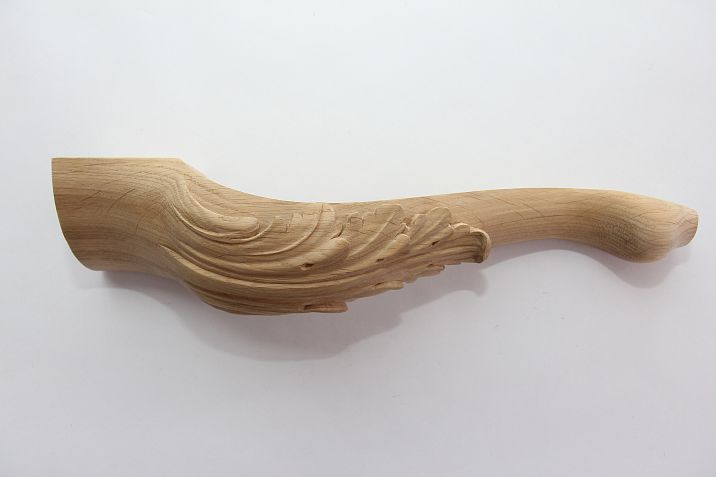
Bent wooden legs for furniture are an exquisite element capable of transforming any interior item, bringing elegance, sophistication, and dynamism. Such legs are not merely functional supports but true masterpieces of craftsmanship, reflecting centuries-old woodworking traditions, innovative processing technologies, and the high artistic taste of artisans. This article examines the history of bent legs, their manufacturing technologies, design features, and application in modern furniture, as well as their advantages from both aesthetic and functional perspectives.






1. History and Traditions of Bent Legs
Our factory also produces:


1.1 Origin of the Idea of Bent Legs
Bent legs for furniture appeared even in ancient times, when craftsmen of ancient Greece and Rome first experimented with the flexibility of wood. Even then, masters aimed not only to ensure the strength and stability of items but also to give them elegance through smooth, organic lines. These first samples of bent legs became the starting point for subsequent development of the technique, which was perfected over centuries while maintaining a connection with natural forms and aesthetic ideals.
Get Consultation
1.2 Renaissance of Crafts in the Renaissance Era
The Renaissance era marked a revival of interest in ancient traditions and the development of artisanal arts. During this period, masters began using steam treatment of wood, which made it more flexible and malleable for shaping. Manual bending and subsequent fixation of the shape became the primary methods for manufacturing bent legs. Each detail was processed with great care, allowing the creation of items with smooth, expressive lines reflecting ideals of harmony, symmetry, and beauty. These methods were passed down from generation to generation and became an indispensable part of furniture production traditions.
1.3 Classicism of the 18th–19th Centuries
In the 18th and 19th centuries, bent legs for furniture gained particular popularity in aristocratic interiors. Lavish palaces, mansions, and estates were adorned with furniture in which bent legs served not only as supports but also as important decorative elements. Masters used hand-carving, stucco, and inlay to create refined patterns that emphasized the elegance of the items and the high status of their owners. Bent legs during this period were symbols of high craftsmanship and aesthetic expressiveness, which allowed them to secure a firm place in the history of furniture design.
1.4 Modern Era: Synthesis of Traditions and Innovations
Modern bent legs for furniture are the result of a synthesis of centuries-old traditions and modern technological achievements. Today, manufacturers use both traditional craft methods (steam treatment, manual bending, decorative carving) and innovative technologies (laser cutting, computer modeling, automated quality control lines). This allows achieving perfect precision and artistic expressiveness of each item while maintaining its strength and durability. Modern legs made from natural wood reflect respect for traditions while simultaneously meeting the requirements of modern interiors.
2. Technologies for Manufacturing Bent Legs
2.1 Traditional Wood Processing Methods
Manufacturing bent legs for furniture begins with careful selection of high-quality natural solid wood. Masters apply a time-tested method of steam treatment, which makes the wood flexible and malleable for bending. After treatment, the wood is carefully bent by hand using special fixtures to achieve the desired shape. Then the item is fixed with adhesive compounds and pressed for final fixation of the bend.
Hand-carving and decorative finishing complete the manufacturing process, giving each leg a unique pattern and artistic expressiveness. This traditional technique requires high skill and allows artisans to create items possessing individuality and uniqueness, which is especially valued in premium-class items.
2.2 Modern Automated Technologies
Modern manufacturing processes significantly accelerate and optimize the production of bent legs for furniture. Laser cutting and computer modeling allow creating precise 3D models and reproducing complex decorative patterns with high detail. Automated quality control lines ensure consistent compliance of products with specified standards, minimizing error risk and enhancing the final product’s durability.
This approach allows integrating traditional craft methods with modern technologies, making bent legs not only aesthetically expressive but also functional, strong, and durable. These innovative methods enable manufacturers to create items capable of satisfying even the most demanding customers.
2.3 Ecological and Sustainable Production
Modern technologies in the production of bent legs pay special attention to ecological safety. Natural wood used for manufacturing legs is sourced in accordance with sustainable development principles. Environmentally friendly dyes, natural oils, and waxes are applied for finishing, preserving the natural texture and color of the wood. This approach not only guarantees high product quality but also ensures consumer health safety and minimal environmental impact.
Manufacturers oriented toward sustainable development optimize their production processes, reducing waste and lowering energy consumption. This makes bent legs ecologically safe and attractive to modern consumers seeking quality and responsible solutions.
3. Advantages of Bent Legs for Furniture
3.1 Aesthetic Expressiveness and Artistic Value
Curved legs for furniture are a true masterpiece that can transform any interior item. Smooth, elegant lines and decorative patterns give furniture refinement and elegance, creating a sense of movement and lightness. Such legs become a central element that attracts attention and highlights a high level of artistic craftsmanship. Their use allows furniture to stand out from other items, making it a striking accent in the interior and emphasizing the owner's individuality.
Each curved leg, crafted using hand carving, tells the story of centuries-old traditions and artisanal craftsmanship. This makes the item not just a functional support, but a true work of art capable of inspiring and pleasing the eye.
3.2 Enhanced durability and longevity
Curved legs not only add aesthetic expressiveness but also significantly enhance the functional characteristics of furniture. Thanks to their special construction, curved legs ensure even load distribution, preventing deformation and damage to the structure. This is especially important for tables, chairs, sofas, and other items used daily, where stability and durability are guarantees of comfort and safety.
Using curved legs makes furniture more resistant to intensive use, reducing the likelihood of squeaks and other mechanical defects. Such a construction ensures the longevity of the item, allowing it to retain its original appearance for many years, which is an important factor for those who value quality and reliability.
3.3 Versatility and adaptability in interior design
Curved legs for furniture have high versatility, allowing them to easily fit into any interior. Regardless of whether your home is styled in strict classical style, modern minimalism, or even eclectic style, curved legs can become a harmonious addition, emphasizing the overall concept and individuality of the space. They can be used to make tables, chairs, consoles, armchairs, and even beds, adding dynamism and lightness to furniture.
The versatility of curved legs allows designers to experiment with shapes, creating unique items that reflect a high level of craftsmanship and individual taste. Such legs easily combine with other materials—from natural wood to metal, glass, and even modern composite materials, enabling the creation of original compositions and design projects.
3.4 Environmental Safety and Sustainability
The production of curved legs uses exclusively natural materials, ensuring their ecological safety. Natural wood, processed using environmentally friendly technologies, retains its natural beauty and durability, while natural oils and waxes used for finishing do not contain harmful substances. This eco-friendly approach makes curved legs safe for health and the environment, which is especially important for modern consumers seeking sustainable and environmentally responsible solutions.
Production based on sustainable development principles allows minimizing waste, reducing energy consumption, and ensuring high-quality products. This makes curved legs not only aesthetically appealing but also safe, durable, and environmentally sustainable.
4. Application of Curved Legs for Furniture in Interior Design
4.1 Tables and Dining Areas
Curved legs for tables give furniture an elegant appearance and lightness. Dining tables equipped with curved legs become the central element of the dining area, attracting attention with their originality and refinement. Such tables create an atmosphere where traditional artisanal methods meet modern design solutions, giving the space dynamism and elegance. Examples of items, such asTable Versailles, demonstrate how curved legs can transform an ordinary table into a work of art that pleases the eye and becomes the center of attention.
4.2 Chairs and Stools
Curved legs for chairs and stools are an element that gives seats a special individuality and comfort. Curved legs not only provide high structural stability but also visual lightness, making chairs more dynamic and stylish. Stools with curved legs are ideal for bar counters and kitchens, where functionality is important, but so is aesthetic expressiveness. Such items can bring an element of originality to the interior and highlight a high level of artistic taste.
4.3 Consoles, Chests, and Decorative Elements
Curved legs for furniture are widely used in other interior items, such as consoles, chests, side tables, and even bookshelves. Consoles with curved legs, for example,Console Versailles, serve not only as functional storage elements but also as striking decorative accents that emphasize the elegance and refinement of the interior. Such items are ideal for decorating hallways, living rooms, and office spaces, where they create a harmonious blend of traditional motifs and modern trends.
4.4 Combining with Other Decorative Elements
Curved legs for furniture easily combine with other decorative elements, creating unique interior compositions. They can be combined with metallic, glass, or even stone details, allowing for an interesting contrast between different materials and textures. Such combinations add depth and layering to the interior, making it more expressive and original. Using curved legs in combination with modern accessories, such as minimalist lamps or minimalist paintings, allows creating an interior where every detail contributes to a harmonious and stylish space.
5. Practical Recommendations for Purchasing Curved Legs for Furniture
5.1 Choosing a Reliable Supplier
If you have decidedbuy bent legs for furnitureIt is important to start with choosing a reliable supplier. Reliable manufacturers offer items made from high-quality natural wood, using proven processing technologies and adhering to ecological standards. Study reviews, review portfolios of completed projects, and visit demonstration halls to personally assess the quality of the products.
5.2 Key Selection Criteria
When choosing curved legs for furniture, pay attention to the following criteria:
● Material. Natural wood should be of high quality, free of defects and knots, ensuring the strength and durability of the item.
● Manufacturing technology. Find out which processing methods are used—traditional steam bending and hand carving or modern technologies such as laser cutting and computer modeling. This will help assess the accuracy and artistic expressiveness of the item.
● Decorative finishing. Pay attention to the quality of decorative elements: carving, moldings, inlays, and other details should be executed carefully and with maximum precision.
● Compatibility with furniture. Ensure that the selected legs harmonize with other elements of your interior and match the style and size of your furniture.
5.3 Consultations and Custom Orders
To achieve the best results, it is recommended to consult professional interior designers. They will help select optimal curved legs, adapt them to the specifics of your space, and suggest options for custom orders. The ability to order legs according to individual parameters allows creating unique items that fully meet your requirements and preferences, which is especially important for creating an exclusive interior.
6. Conclusion
Curved legs for furniture are a unique element that combines centuries-old artisan traditions with modern technologies, creating items with high aesthetic expressiveness and functionality. Such legs can transform any piece of furniture, giving it refinement, dynamism, and individuality. They become a striking accent in the interior, highlighting the high taste and craftsmanship of artisans.
If you dream of creating an interior filled with light, harmony, and refined beauty, considerbuy bent legs for furniture from trusted manufacturers. Examine examples of items such asTable Versailles, Console Versailles, to see how curved legs can become a central element of your interior and highlight its uniqueness.
Choose quality curved legs for furniture that embody high craftsmanship, durability, and aesthetic expressiveness. Let every detail of your interior reflect your pursuit of perfection, and curved legs will give your furniture an elegant and unique look, capable of inspiring you every day.
Bent wooden furniture legs are more than just supports for items. They are a symbol of elegance, artistic expression, and timeless craftsmanship, capable of transforming your interior by adding grace, dynamism, and a unique style. Invest in quality, choose durability, and enjoy every detail crafted with love and attention to tradition.