Article Contents:
- 1. Introduction: Why Natural Wood?
- 2. Historical Context: Natural Wood as Cultural Heritage
- 2.1 Origins of Wood Usage
- 2.2 Medieval Traditions and the Renaissance of Art
- 2.3 Modern Interiors: Synthesis of Traditions and Innovations
- 3.1 Ecological Safety and Sustainability
- 3.2 Strength, Durability, and Reliability
- 3.3 Natural beauty and uniqueness
- 3.4 Thermal and Acoustic Properties
- 3.5 Hypoallergenic Properties and Favorable Microclimate
- 4.1 Furniture Made of Natural Wood
- 4.2 Wall and Floor Finishes
- 4.3 Decorative Elements and Accessories
- 5.1 Classic style
- 5.2 Modern minimalism
- 5.3 Eco Style and Scandinavian Design
- 5.4 Authorial and Industrial Style
- 6.1 Modern Processing Methods
- 6.2 Final Finishing
- 6.3 Care Recommendations
- 7.1 Ecological Responsibility
- 7.2 Support for local traditions and crafts
- 8.1 Examples of Successful Interiors
- 8.2 Ideas for Design Solutions

Natural wood occupies a special place in modern interior design, combining centuries-old craftsmanship traditions, eco-friendliness, and unique aesthetics. Its warmth, natural texture, and durability allow creating a cozy and harmonious space that not only pleases the eye but also positively affects the health of its inhabitants. In this article, we will thoroughly examine the role of natural wood in interior design, its advantages, modern trends, and practical tips for using and caring for wood.


1. Introduction: Why Natural Wood?
In the world of modern materials, natural wood remains the unrivaled choice for creating stylish and eco-friendly interiors. Its popularity is explained by a number of key features:
● Ecological purity and safety: Natural wood is a renewable resource containing no toxic chemicals, contributing to a healthy atmosphere in the home.
● Strength and durability: With proper care, items made of natural wood can last for decades, retaining their beauty and functionality.
● Unique aesthetics: Each wood grain texture, distinctive fiber pattern, and variety of shades make every wooden item unique.
● Hypoallergenic properties: Natural wood does not promote dust and allergen accumulation, which is especially important for families with children and people with heightened sensitivity.
● Warmth and coziness: Wood adds warmth and natural charm to interiors, creating an atmosphere of comfort and tranquility.
These characteristics make natural wood one of the most sought-after materials in interior design, where every detail matters.




2. Historical context: Natural wood as cultural heritage
Our factory also produces:


2.1 Origins of wood usage
The use of natural wood for housing dates back to ancient times. In ancient civilizations of Egypt, Greece, and Rome, wood was used not only for utilitarian furniture but also for artistic objects. Masters of that era created items adorned with carvings, ornaments, and symbolic motifs, passed down from generation to generation.
Get Consultation
2.2 Medieval traditions and the rebirth of art
During the Middle Ages and the Renaissance, natural wood became the primary material for crafting furniture in noble homes and castles. Carved tables, chairs, and cabinets carried deep symbolism and aesthetic value, reflecting the owner's status and regional cultural heritage. These traditions found continuation in classical interiors, where elements of carving and natural wood texture still evoke admiration.
2.3 Modern interiors: Synthesis of traditions and innovations
Modern interior design skillfully combines centuries-old traditions with advanced wood processing technologies. The use of computer modeling, laser cutting, and innovative processing methods allows creating items where the classic aesthetics of natural wood harmoniously blend with the minimalism and functionality of contemporary spaces.
3. Advantages of natural wood in interior design
3.1 Ecological safety and sustainability
One of the main advantages of natural wood is its ecological purity. The use of renewable resources and minimal application of chemicals during processing make wood a safe material for living spaces. Choosing natural materials not only cares for your health but also supports the principles of sustainable development.
3.2 Strength, durability, and reliability
Items made of natural wood are renowned for their resistance to mechanical damage and wear. With proper care, tables, chairs, cabinets, and other interior elements made of wood retain their original appeal and functionality for decades. This allows considering them not merely as furniture, but as a true investment in the future.
3.3 Natural Beauty and Uniqueness
Each piece of wood possesses its unique texture, color, and fiber pattern. Such natural 'charm' cannot be replicated by artificial materials, making wooden items irreplaceable. The aesthetic appeal of wood is capable of transforming any interior, adding warmth, coziness, and individuality.
3.4 Thermal and acoustic properties
Natural wood possesses excellent thermal insulation properties, allowing it to maintain a comfortable temperature regime in rooms. In addition, wood effectively absorbs sound, creating favorable acoustics in interiors, which is especially important for living and working spaces.
3.5 Hypoallergenic properties and favorable microclimate
Wood is not an allergen source, and its natural properties contribute to creating a healthy microclimate in the home. The absence of harmful chemical impurities and the ability to 'breathe' make natural wood an ideal choice for families with children and people suffering from allergies.
4. Application of natural wood in interior design
4.1 Furniture made of natural wood
Furniture is one of the most popular directions for using natural wood in interior design. This may include:
● Dining tables and chairs: A key element of any dining room, capable of creating an atmosphere of coziness and hospitality.
● Beds and wardrobes: Wooden items provide not only aesthetic appeal but also practicality, thanks to their durability and longevity.
● Chests, side tables, and coffee tables: Small interior details made of natural wood give the space individuality and completeness.
4.2 Wall and floor finishing
Natural wood is used not only for making furniture, but also for decorating walls, floors, and ceilings:
● Parquet and laminate: Wooden floors create a warm and cozy atmosphere, as well as have high wear resistance.
● Decorative panels and wall cladding: Wooden panels and cladding give the room a unique charm, making it more natural and harmonious.
● Textured ceilings: Natural wood on the ceiling can visually expand the space and add a special character to the interior.
4.3 Decorative elements and accessories
Small details made of natural wood can significantly transform the interior:
● Pictures, frames, and mirrors: Wooden frames add charm and emphasize the overall style of the room.
● Shelves, vases, and candlesticks: These elements create a sense of liveliness and naturalness in the interior.
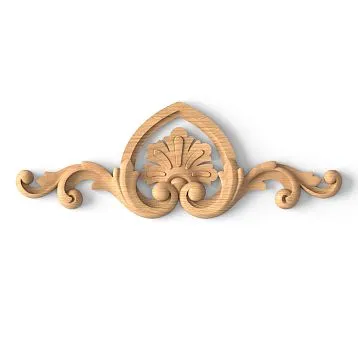
● Carved details and inlays: Traditional woodworking techniques allow creating unique decorative solutions that serve as a striking accent in the design.
5. Modern trends and styles in using natural wood
5.1 Classic style
Classic interiors have always distinguished themselves by using natural wood. Furniture adorned with carving, inlays, and decorative elements gives the room a sense of luxury and refinement. In the classic style, warm tones, rich textures, and traditional motifs dominate, highlighting the historical value of the natural material.
5.2 Modern minimalism
Modern interiors often strive for simplicity, clean lines, and functionality. In such a style, natural wood is used to create minimalist and elegant elements, where the main focus is on the natural texture of the material. Minimalism allows creating a spacious, bright, and calm space, where every detail has its place.
5.3 Eco-style and Scandinavian design
Eco-style and Scandinavian design emphasize natural materials, functionality, and simplicity. Interiors in this style are characterized by the use of light tones, natural wood, natural textiles, and a large number of green plants. Such solutions create a sense of freshness, naturalness, and harmony with the environment.
5.4 Authorial and industrial style
Combining natural wood with elements of industrial style (metal, concrete) allows creating bold and original design solutions. Such interiors combine the strictness of industrial materials with warm, lively wood tones, creating a unique and memorable image.
6. Technologies for processing and caring for natural wood
6.1 Modern processing methods
Today, technologies for processing natural wood allow achieving the highest quality and long-lasting finish. Among the main methods, we can highlight:
● Mechanical cutting and sanding: Modern machines ensure high-precision processing, minimizing errors and defects.
● Laser cutting: This technology allows creating complex decorative patterns and precise elements while preserving the natural beauty of the wood.
● Computer modeling: Using CAD systems helps designers create unique items that perfectly fit the interior concept.
6.2 Final finishing
Final finishing is the concluding stage that highlights the natural beauty of wood and protects it from external influences. Main types of finishing:
● Lacquering: Lacquers create a glossy or matte surface, protecting the wood from moisture and damage.
● Oil finish: Natural oils penetrate the wood structure, emphasizing its texture and color, and providing long-term protection.
● Wax finish: Wax gives the surface a soft matte sheen and forms a barrier that prevents dirt.
6.3 Care Recommendations
To preserve the aesthetic and functional characteristics of natural wood in interior spaces, it is recommended:
● Regularly clean surfaces with soft cloth, avoiding aggressive chemical agents.
● Periodically treat with oil or wax, following the manufacturer's recommendations.
● Avoid direct exposure to sunlight and sharp temperature fluctuations, which may cause wood deformation and fading.
● Monitor indoor humidity levels to maintain optimal material condition.
7. Environmental and Social Aspects of Using Natural Wood
7.1 Environmental Responsibility
Choosing natural wood is not only an aesthetic but also an environmentally conscious decision. Using renewable materials, minimizing waste, and applying energy-efficient technologies in wood processing contribute to preserving natural resources and reducing negative environmental impact. Supporting manufacturers who operate on sustainable development principles helps protect the environment and preserve the cultural heritage of craftsmanship.
7.2 Supporting Local Traditions and Crafts
Many artisans and small workshops continue the traditions of processing natural wood, passing down their knowledge and skills from generation to generation. By choosing products made of natural wood, you support local producers, promote craftsmanship, and preserve cultural traditions, which holds significant social value.
8. Practical Examples and Ideas for Inspiration
8.1 Examples of Successful Interiors
● Classic home: Massive wooden tables, carved chests and cabinets combined with classical finishing elements create an atmosphere of luxury and timeless elegance.
● Modern apartment: Minimalist wooden elements integrated into a minimalist interior highlight the natural beauty of the material and create a sense of spaciousness and coziness.
● Eco-style: An interior dominated by natural materials, greenery, and textiles, complemented by wooden panels and furniture, creates a harmonious space close to nature.
8.2 Design Ideas
● Use wooden panels to create an accent wall, which will become the focal point of the room.
● Combine natural wood with metal or glass to create a modern, industrial style.
● Apply wooden elements in open space design – kitchens, living rooms, and work areas – to add warmth and coziness.
● Leverage the uniqueness of each piece of wood to create individual interior items, such as tables or decorative elements, which cannot be mass-produced.
9. Conclusion: Natural Wood – Harmony of Nature in Your Home
Natural wood in interior design is the perfect blend of ancient traditions, modern technologies, and environmental responsibility. It brings warmth, coziness, and natural harmony into your home, creating a space where tranquility and aesthetic perfection reign. Whether you choose furniture, wall finishes, or decorative elements, natural wood products can transform any interior and make it truly unique.
By choosing to use natural wood, you invest not only in quality and durability, but also in health, ecology, and cultural heritage. Modern design solutions and processing technologies allow you to fully unlock the potential of this unique material, making it a central element of your interior and highlighting your individuality.
Let natural wood become your source of inspiration, a symbol of harmony with nature, and a guarantee of coziness in every corner of your home. Enjoy the natural beauty of wood, experiment with shapes and textures, and create an interior where every detail tells a story of the eternal connection between humanity and nature.
This article is intended for those who aim to integrate natural wood into their interiors, creating a unique, eco-friendly, and long-lasting space. We hope the provided materials and advice will help you make an informed decision and discover the true beauty and harmony that natural wood can bring to your home.