Article Contents:
- Unique Properties of Oak Wood for Door Trim
- Aesthetic merits of oak texture
- Production Technology of Oak Door Trim
- Precision Processing and Profile Formation
- Varieties of Oak Door Trim
- Size Range and Technical Specifications
- Installation of Oak Door Trim
- Fastening Technologies and Professional Tools
- Protective Treatment and Finishing Coatings
- Modern Wood Protection Systems
- Design Solutions with Oak Door Trim
- Color Solutions and Stylistic Combinations
- Comparative Analysis of Oak vs. Alternative Materials
- Artificial Materials vs. Natural Wood
- Economic Justification for Choosing Oak Door Trim
- Modern design trends for oak casings
- Innovations in surface treatment
- Care and Maintenance of Oak Door Trim
- Restoration and renovation
- Frequently Asked Questions about Oak Door Trim
- What is the optimal width for oak door trim?
- Can oak casings be used in humid areas?
- How to distinguish quality oak trim from imitation?
- How long does proper installation of oak casings take?
- Do oak casings require special care?
- Can the color of oak casings be changed after installation?
- Are oak door casings compatible with doors made of other materials?
- What is the service life of quality oak casings?
- Conclusion: A Wise Investment in Quality and Beauty

In the world of interior finishing, there are details capable of radically changing the perception of space.Oak door trim— such an element that transforms an ordinary door opening into a work of art. Imagine an entrance door framed by noble oak planks with expressive natural wood texture. Every line, every profile curve tells a story of carpenters' craftsmanship and centuries-old woodworking traditions.
Why is oak particularly valued among materials for making door trim? The answer lies in the unique combination of strength, durability, and aesthetic qualities of this species.Oak door trimIt does not merely frame the opening — it creates an atmosphere of respectability and refined taste, immediately felt upon first glance. The natural beauty of the wood, enhanced by skilled processing, transforms a functional element into a decorative interior focal point.


Unique Properties of Oak Wood for Door Trim
Oak is rightfully considered the king among wood species used in carpentry. Its density reaches 900 kg/m³, providing exceptional mechanical strength to finished products. Hardness on the Brinell scale is 3.7–4.0 units, making oak door trim practically immune to everyday mechanical impacts. These characteristics are especially important for door elements, which are constantly subjected to stress during door opening and closing.
The structure of oak wood is remarkably stable. Clearly visible annual rings not only create a unique aesthetic but also ensure even stress distribution throughout the entire thicknessof the oak door trimMedullary rays, penetrating the wood from the heartwood to the sapwood, act as natural reinforcing rods, preventing deformation and cracking of the product.
The chemical composition of oak also deserves special attention. High content of tannins makes this species naturally resistant to rot, fungal damage, and insect pests. This means that oak door trim retains its qualities even under conditions of increased humidity, typical for entryways or rooms with unstable microclimate.




Aesthetic merits of oak texture
Visual Perceptionwood trimOak impresses with its depth and expressiveness. Each plank has a unique wood grain pattern, creating an unparalleled play of light and shadow on its surface. The contrast between the light sapwood and dark heartwood forms a natural polychromy that enlivens the interior and adds dynamism.
The color palette of oak is astonishing in its variety. From delicate honey tones of young wood to deep brown hues with golden highlights — each specimen possesses its own individuality. This natural variability allows one to selectWooden trimto match any interior concept, from classic to modern.
Oak's ability to accept various finishes opens up boundless possibilities for designers. The wood evenly absorbs stains and varnishes, allowing for both classic natural shades and modern color solutions. At the same time, the distinctive wood texture remains clearly visible, emphasizing the material's naturalness and nobility.
Our factory also produces:




Oak Door Trim Production Technology
ModernProduction of trim elementsOak trim production is a complex multi-stage process, where each stage is critical to the quality of the final product. The journey from raw timber to finished trim includes dozens of technological operations requiring highly skilled specialists and modern equipment.
Raw material selection begins with a careful analysis of each log. For producing high-quality trim, oak timber aged at least 80-100 years, grown under optimal climatic conditions, is used. Preference is given to trees with slow growth, which ensures dense wood structure and minimal internal stresses. Each blank undergoes defectoscopic inspection to identify hidden defects that may manifest during use.
Wood drying is one of the most critical stages of production. Oak blanks are placed in special chambers where, over 30-45 days, a strictly controlled regime of temperature and humidity is maintained. Modern automated systems allow drying according to complex multi-stage programs, taking into account the specific characteristics of each species and the dimensions of the blanks.
Get Consultation
Precision Processing and Profile Formation
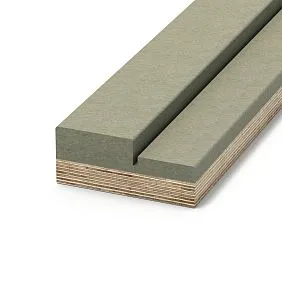
Profile Millingof the oak door trimRequires the use of high-precision equipment and specially sharpened tools. Oak belongs to hardwoods, so for its processing, carbide-tipped cutters are used, capable of withstanding significant loads without compromising cutting quality.
Modern CNC milling machines ensure dimensional accuracy within ±0.1 mm, which is critically important for achieving proper trim joints at corners. Any deviation from specified parameters results in gaps in joints, negatively affecting the appearance of the finished structure and requiring additional fitting work.
Final surface treatment includes multi-stage sanding with gradually decreasing abrasive grit. Initial processing is performed with P100-P120 grit belts, intermediate with P180-P220, and final with P320-P400. This approach ensures a perfectly smooth surface ready for protective-decorative coatings and eliminates scratches or marks on the finished product.
Varieties of Oak Door Trim
Modern marketof wooden moldingsOffers an impressive variety of oak trim, each with its own features and applications. Understanding these differences helps architects and designers make the right choice, matching specific project requirements and the client's stylistic preferences.
By profile shape, oak trim is divided into several main categories. Flat trim with rectangular cross-section is the most universal solution, ideally suited for modern interiors in minimalist, high-tech, or Scandinavian styles. Their simplicity does not distract from other interior elements, while the natural beauty of oak grain creates the necessary accent.
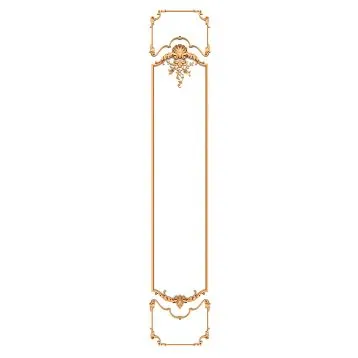
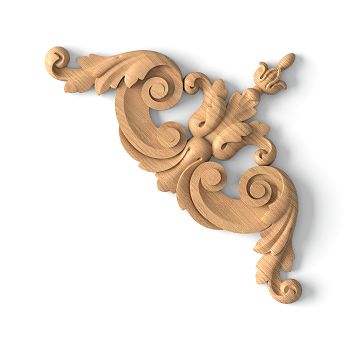
Decorative trim features more complex profiles with various protrusions, grooves, and curves. Suchwooden profilesare ideally suited for classical, neoclassical, and baroque interiors, where decorative detail and ornamentation play a key role. Each profile element is carefully designed to serve both aesthetic and functional purposes, creating an expressive interplay of light and shadow.
Size Range and Technical Specifications
Correct selection of trim sizes is critically important for creating a harmonious interior. Too narrow strips may disappear against large doors, while overly wide trim can visually overload a small room. Standard oak trim widths vary from 50 to 150 mm, with the most popular sizes being 70-100 mm.
For standard interior doors in typical apartments, a width of 70-90 mm is optimal, providing proportional framing of the opening without overwhelming the interior. For entrance doors or in spacious rooms with high ceilings, wider strips of 100-150 mm are preferred, creating a solid and imposing frame.
Trim thickness typically ranges from 12 to 30 mm and affects not only the visual perception of the product but also its strength characteristics. Thicker trim appears solid and substantial, especially suitable for classic interiors or when used with heavy doors. Thin strips create an impression of elegance and lightness, appropriate for modern minimalist solutions.
Installation of Oak Door Trim
Quality installation of oak trim is the final stage, largely determining the overall result of the work. Even the most qualityBuy wooden profiles%s may look unattractive when improperly installed, whereas proper installation can transform even simple items.
Preparation begins with careful checking of the door opening geometry and the quality of the door frame installation. All wall irregularities must be corrected using plaster or drywall, the surface cleaned of dust, dirt, and construction residue. Special attention is paid to checking the verticality and horizontality of the frame, as any deviations will be clearly visible after trim installation.
Marking is a critically important stage, the accuracy of which determines the quality of the entire work.Oak door trimmust be equidistant from the edge of the door frame around the entire perimeter. This distance is typically 3-5 mm and is necessary to compensate for possible irregularities and ensure free movement of the door leaf.
Fastening Technologies and Professional Tools
To install oak trim, special screws 50-70 mm long and 1.2-1.5 mm in diameter are used. Ordinary nails are unsuitable for oak due to its high density — they may split the material or bend during driving. Pre-drilling pilot holes 0.2-0.3 mm smaller in diameter than the screw is mandatory to prevent wood cracking.
A professional pneumatic screwdriver significantly simplifies the installation process and ensures high-quality fastening. Adjustable impact force allows precise control of screw penetration depth, preventing the trim from being driven through or inadequately secured. A special soft tip prevents dents on the oak surface, which are difficult to remove due to the material's hardness.
Jointing angles are performed exclusively at a 45-degree angle using a saw with a fine-toothed blade. The cut quality must be flawless, as oak does not tolerate errors — any irregularities, scratches, or deviations from the specified angle will be clearly visible in the finished structure. Connection joints are additionally glued with high-quality woodworking glue to ensure the strength and watertightness of the joint.
Protective Treatment and Final Coatings
Despite the natural resistance of oak to adverse influences, proper protective treatment significantly extends the service life of door casings and preserves their aesthetic qualities for many years. The choice of coating depends on the operating conditions, stylistic preferences, and functional requirements of the item.
Antiseptic impregnation is a mandatory step in preparing oak products, especially if they will be used in conditions of variable humidity. Modern bio-protective compositions penetrate deeply into the wood structure, creating a reliable barrier against fungi, mold, and insect pests. At the same time, they do not alter the natural color and texture of the wood, preserving its natural beauty.
The choice of finish coating is determined by functional requirements and aesthetic preferences. Transparent polyurethane varnishes allow preserving and highlighting the natural beauty of oak wood, while simultaneously creating a durable protective film on the surface. Matte varnishes give the item a more natural appearance and conceal minor surface defects, which is especially relevant forwooden profilewith pronounced grain.
Modern wood protection systems
Oil-wax compositions represent an alternative to traditional varnishes and are gaining popularity among enthusiasts of natural materials. They deeply penetrate the wood structure without forming a surface film, allowing the wood to retain its ability to naturally exchange moisture. Such coatings highlight the natural tactile qualities of oak and are easily renewed when necessary.
Nanotechnology opens new possibilities in wood protection. Compositions with nanoparticles create an invisible barrier that repels water and dirt while maintaining the material's breathability. Such coatings are especially effective for door casings exposed to temperature and humidity fluctuations.
Staining allows changing the color of oak without losing its characteristic texture. Modern stain palettes include traditional brown shades as well as trendy gray, black, and even colored tones. Two-component staining systems ensure even coloring and deep penetration of the dye into the wood, creating a fade-resistant coating.
Design solutions with oak door casings
Oak door casings open up limitless possibilities for creating unique interior solutions. Their versatility allows using these elements in various stylistic directions — from classic baroque luxury to minimalist Scandinavian design. Properly selectedoak door casingscan become a unifying element of the entire interior concept.
In classical interiors, oak door casings become an indispensable part of the architectural ensemble. Wide profiled planks with rich detailing emphasize the status and solidity of the setting, creating an atmosphere of respectability and refined taste. Combining with other elements made of the same material —wooden baseboardscornices, panels — creates a cohesive composition where every detail supports the overall concept.
Modern interiors require more restrained solutions, where the focus is on material quality and flawless execution. Here, simple rectangular casings with minimal surface treatment are appropriate. The natural texture of oak is sufficient as decoration, requiring no additional decorative elements. The contrast of warm wood against cool surfaces of metal, glass, and concrete creates interesting visual effects and emphasizes the modernity of the solution.
Color solutions and stylistic combinations
The natural color of oak harmonizes beautifully with a wide range of interior solutions. Warm brown tones harmonize with cream, beige, and gold shades, creating an atmosphere of comfort and coziness. Such a palette is especially suitable for bedrooms, living rooms, and offices, where an atmosphere of relaxation and rest is important.
Stained oak door casings open up new horizons for designers. Gray shades fit perfectly into Scandinavian aesthetics, creating a sense of freshness and purity. Black and dark brown tones emphasize the drama of modern interiors, creating striking contrasts with light walls and furniture.
White and cream shades visually lighten massive oak elements, making them suitable even for small rooms. Such a solution is especially relevant in Provencal and shabby chic styles, where an atmosphere of lightness and airiness is important.wooden cornices for furnitureMatching wall colors with the casings create a complete composition.
Comparative analysis of oak versus alternative materials
When choosing a material for door casings, it is important to understand the advantages and disadvantages of different options. Oak undoubtedly leads in most criteria, but its high cost leads many buyers to consider alternatives and conduct a comprehensive cost-to-quality analysis.
Coniferous species — pine and spruce — are significantly cheaper than oak, but they substantially lag behind it in strength and durability. The soft structure of coniferous wood is easily damaged by minor mechanical impacts, leaving dents and scratches that spoil the appearance of the casings. High resin content may cause problems during staining and create unpleasant stains on the surface, especially at elevated temperatures.
Beech is similar to oak in many characteristics, but has a more uniform structure without pronounced annual rings.Buy beech casing— a good choice for modern interiors where uniformity of texture is important. However, oak surpasses beech in resistance to moisture and biological influences, making it preferable for entrance doors and rooms with unstable microclimate.
Artificial materials versus natural wood
MDF and other composite materials may imitate oak texture, but they lack its functional properties. They are afraid of moisture, prone to deformation under temperature fluctuations, and cannot be restored. The service life of such materials is limited to 10-15 years, after which complete replacement is required, whereas oak casings serve for decades.
PVC profiles are characterized by low cost and ease of installation, but their appearance remains obviously artificial. They cannot create the atmosphere of warmth and coziness that natural wood provides. Moreover, when heated, PVC may release harmful substances, making it undesirable for use in residential spaces.
Exotic wood species may surpass oak in certain characteristics, but their high cost and supply difficulties make them inaccessible to a broad range of consumers. Oak represents the optimal balance of quality, availability, and price among all natural materials, as confirmed by its centuries-long popularity in construction and finishing.
Economic justification for choosing oak door casings
Investments in quality oak moldings are economically justified in the long term. High initial cost is many times compensated by the longevity of the products and minimal maintenance expenses. While moldings from cheaper materials require replacement every 10-15 years, oak products last 50-100 years or more.
Restoration capability is another economic advantage of oak. Even with serious damage, the surface can be restored by sanding and applying a new finish. This is significantly cheaper than full replacement of the trim and allows maintaining an ideal interior appearance without major renovations.
The impact on property value should also be considered when selecting finishing materials. Quality natural wood finishing increases the attractiveness of the property to potential buyers and may increase its market value by 15-25% depending on the market segment and regional characteristics.
Modern trends in oak molding design
Modern industrydoor trimContinuously develops, offering new solutions and technologies. Designers and manufacturers seek ways to make traditional oak products even more appealing to modern consumers, combining the material's classic qualities with innovative approaches to processing and design.
Minimalism in profiles is becoming an increasingly popular trend. Simple rectangular sections with sharp edges emphasize the modern character of the interior while retaining all the advantages of natural oak. Suchwooden wall profileeasily integrate into any space without overloading it with details.
Increasing the width of the trim is another noticeable trend of recent years. Wide planks of 100-150 mm create a more pronounced frame and allow better showcasing the beauty of oak grain. This is especially relevant for spacious rooms with high ceilings, where narrow trim may get lost in the space.
Surface Processing Innovations
Thermal treatment of oak allows obtaining unique color effects without using chemical dyes. Controlled exposure to high temperature alters the wood structure, creating deep brown tones while preserving the natural grain. Thermally treated trim gains increased resistance to moisture and biological influences.
Brushing — the process of removing soft fibers using special brushes — creates a pronounced relief surface. This technology looks especially effective on oak due to the contrast between hard and soft wood layers. Brushed trim acquires an antique appearance and enhanced tactile appeal.
Combining different finishing techniques allows creating unique effects. Combining brushing with staining, using contrasting patinas in relief grooves opens new possibilities for designers and allows creating truly exclusive solutions.
Care and Maintenance of Oak Door Trim
Proper care of oak trim ensures maintaining its attractive appearance for many years. Regular maintenance includes simple procedures requiring no special skills or expensive materials, yet significantly extending the lifespan of the items.
Daily care involves removing dust with a soft dry cloth or a special anti-static wipe. Wet cleaning should be done with great care, using slightly damp cloth and immediately drying the surface thoroughly. Excessive moisture may cause wood swelling and damage the protective coating.
Periodic inspection of the finish condition allows timely detection of problems and taking measures to resolve them. Upon discovering scratches, scuffs, or color changes, consult a specialist to assess the need for restoration work. Timely intervention prevents more serious wood damage.
Restoration and restoration
Restoration capability is one of the main advantages of oak products over artificial materials. Minor scratches and scuffs are removed by light sanding with fine-grit sandpaper followed by applying a protective finish. For more serious damage, professional restoration with partial or full replacement of the surface layer may be required.
Updating the color of oak trim allows changing the interior without replacing elements. Removing the old finish, sanding the surface, and applying a new stain completely transforms the appearance of the item. This procedure is significantly cheaper than buying new trim and allows adapting existing finishes to changed design preferences.
Preventive treatment with antiseptics is recommended every 5-7 years, especially in rooms with high humidity. Modern bio-protective compositions are easy to apply and do not require removing the old finish if it is in satisfactory condition. Such treatment significantly extends the lifespan of the items and maintains their protective properties.
Frequently Asked Questions about Oak Door Trim
What is the optimal width of oak door trim?
For standard interior doors, the optimal trim width is 70-90 mm. These dimensions provide proportional framing of the opening and harmonize well with most door types. For entrance doors or spacious rooms with high ceilings, wider planks of 100-120 mm are recommended, creating a solid and prestigious frame.
Can oak casings be used in humid areas?
Oak has natural resistance to moisture due to high tannin content, but for use in bathrooms, saunas, and other high-humidity areas, additional protective treatment is required. Applying special moisture-resistant varnishes or oil-wax compositions ensures maximum durability of the items under demanding conditions.
How to distinguish quality oak trim from imitation?
Real oak has a characteristic grain with clearly visible annual rings and medullary rays. The density of oak is felt when lifting the item — it should be noticeably heavier than analogs from other species. When drilling a test hole, oak produces light-colored shavings with a characteristic astringent tannin smell. Quality items should have a conformity certificate and clear manufacturer marking.
How long does proper installation of oak door casings take?
Installing trim on one door opening takes 3-6 hours depending on the complexity of work and the master’s skill level. This includes preparatory work, precise marking, cutting elements, mounting, and finishing joint treatment. Quality installation does not tolerate haste — the accuracy of each stage determines the final result and the longevity of the structure.
Do oak door casings require special care?
Oak trim is low-maintenance and does not require complex servicing. Regular dry cleaning and periodic treatment with specialized wood products are sufficient. Updating the protective coating is recommended every 7-10 years depending on usage intensity and environmental conditions. With proper care, oak trim retains its qualities for decades.
Can the color of oak door casings be changed after installation?
Yes, oak trim is excellent for staining and repainting. To change the color, remove the old finish by sanding, treat the surface with a stain of the desired shade, and apply a protective varnish. This procedure allows dramatically changing the interior appearance without replacing the trim, significantly saving money and time on repair work.
Are oak casings compatible with doors made of other materials?
Oak trim is versatile and harmonizes well with doors made of various materials. It looks especially harmonious with doors of any wood species, but can also be successfully used with modern materials — laminate, veneer, composite coatings. Proper color and profile selection ensures harmonious combination of different materials in a unified composition.
What is the service life of quality oak door casings?
When properly manufactured, professionally installed, and minimally maintained, oak trim lasts 50-80 years or more. The possibility of multiple restorations allows maintaining them in ideal condition for virtually unlimited time, making oak one of the most economical materials in the long term. Many historic buildings have preserved original oak decorative elements, some of which are over a century old.
Conclusion: A wise investment in quality and beauty
Choosing oak door trim is not merely purchasing a finishing material, but a conscious investment in creating an interior of the highest class. In a world where temporary solutions often prevail over quality, choosing natural oak demonstrates an understanding of true values and long-term vision.Oak door trimIt is more than a decorative element — it is the embodiment of centuries-old carpentry craftsmanship and modern wood processing technologies.
Each installed panel becomes a testament to commitment to quality and pursuit of perfection. The natural beauty of oak wood, enhanced by skilled craftsmanship and flawless installation, creates an atmosphere of respectability and refined taste, immediately felt upon first glance. The ecological purity of the material, its durability, and the possibility of restoration make oak door casings not only aesthetically appealing but also practically sensible.
The economic justification for choosing oak is confirmed by long-standing practice in luxury construction and finishing. High initial costs are more than offset by the longevity of the products, minimal maintenance expenses, and the possibility of multiple restorations. In an era of conscious consumption, such an approach becomes not only rational but also responsible, demonstrating care for future generations.
Company STAVROS, possessing extensive experience in producing high-quality solid wood products, offers its clientsoak trimwhich fully meets the strictest quality standards. The use of premium raw materials, modern manufacturing technologies, and meticulous control at every stage of production guarantee that each item will become a worthy interior accent and serve its owners for many decades. Choosing STAVROS, you choose not just door casings — you choose quality, beauty, and reliability, proven by time and confirmed by the trust of thousands of satisfied customers.