












































































Article Contents:
- Variety of Forms and Materials
- Classic Solutions in Natural Wood
- Modern Polymer Materials
- Decorative MDF Panels
- Application in Various Interior Solutions
- Furniture decor
- Architectural Finishing
- Door and Window Structures
- Stylistic directions
- Classical Traditions
- Modern Interpretations
- Ethnic Motifs
- Technological Aspects of Application
- Correct Fastener Selection
- Surface Preparation
- Finishing
- Designer Secrets and Techniques
- Proportions and scale
- Rhythm and Symmetry
- Color solutions
- Economic Aspects
- Price-to-quality ratio
- Impact on property value
- Trends and prospects for development
- Ecological priorities
- Technological Innovations
- Personalization and Individuality
- Skill and Professionalism
- Role of Qualified Specialists
- Custom Design
- Maintenance and operation
- Regular Maintenance
- Restoration Possibilities
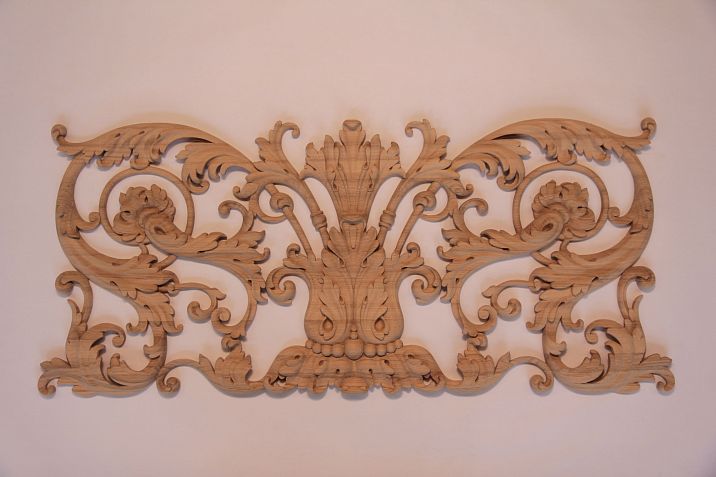
The world of interior design develops rapidly, but some elements remain timeless. Among them, special place is occupied by applied decor — a universal solution capable of radically changing the perception of any space. This refined tool of designers allows creating unique interiors, giving them character and individuality.
Applied decorative elements are three-dimensional ornaments that are attached to the surface of various objects and structures. They serve as a bridge between functionality and aesthetics, transforming ordinary surfaces into works of art. The modern industry offers an enormous variety of forms, sizes, and styles, satisfying the most refined tastes.


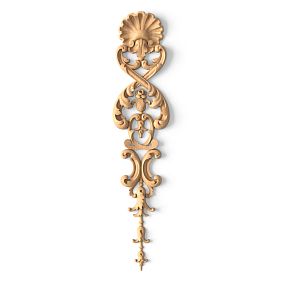
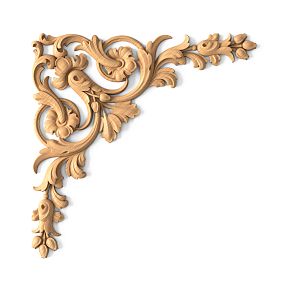
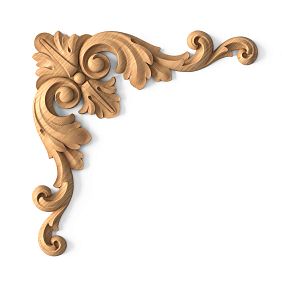

Variety of Forms and Materials




Classic Solutions in Natural Wood
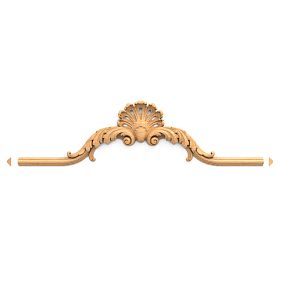
Wooden appliqués remain the golden standard of decorative finishing. The natural texture of wood creates a special atmosphere of warmth and coziness. Oak, beech, pine, ash — each species has unique characteristics that skilled craftsmen use to create unique compositions.
Carved wooden elements are especially valued for their durability and ability to be restored. Over time, such items acquire a noble patina, adding historical depth and solidity to the interior. Many designers deliberately choose aged elements to create a sense of generational continuity.
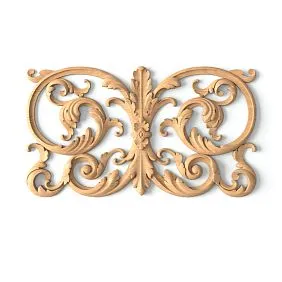
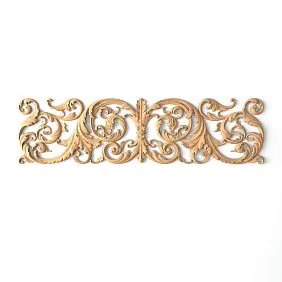
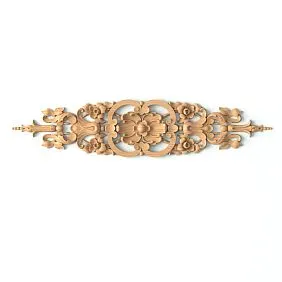
Our factory also produces:



Modern Polymer Materials
Technological progress has given designers new opportunities. Polyurethane and PVC appliqués have several advantages: they are lightweight, moisture-resistant, and resistant to insects and mold. Modern technologies allow creating imitations of various materials — from natural stone to precious wood species.
Such items are ideal for rooms with high humidity: bathrooms, kitchens, pools. They are easy to install and can be replaced without major renovation if necessary.
Get Consultation
Decorative MDF Panels
MDf appliqués represent a middle ground between natural wood and polymers. This material combines eco-friendliness, affordability, and wide decorative possibilities. Modern technologies allow applying any finishes to MDF — from lamination to artistic painting.
Application in Various Interior Solutions
Furniture decor
The furniture industry actively uses applied elements to create exclusive items. Kitchen cabinet facades adorned with carved appliqués acquire palace-like luxury. A simple cabinet becomes a work of art thanks to properly selected decorative elements.
Corner appliqués look especially effective, allowing to create a cohesive composition. They conceal joints between furniture elements, giving the item a monolithic and finished look. Curved appliqués are ideal for decorating curved surfaces, creating smooth transitions and elegant curves.
Architectural Finishing
Walls and ceilings can also be transformed with overlay decorationMoldings, cornices, rosettes, and other elements allow you to create a classic interior even in a modern apartment. Properly placed decorative elements visually alter the proportions of the room, making it appear taller, wider, or cozier.
Ceiling rosettes and medallions give the interior a special touch. These elements become compositional centers of the room, around which the entire design concept is built. Modern technologies allow creating rosettes of any complexity — from simple geometric shapes to intricate floral ornaments.
Door and window structures
Doors and windows are frames through which we look at the world. Their design deserves special attention. Overlay elements allow you to turn a standard door into a luxurious portal. Casings, pilasters, and pediments create a grand atmosphere at the entrance.
Window sills adorned with decorative elements gain particular expressiveness. They become not just functional elements, but full-fledged participants in the interior composition.
Stylistic directions
Classical Traditions
Classic style is unthinkable without rich decorative detailing. Acanthus leaves, rosettes, garlands, volutes — these elements came to us from ancient times and remain relevant to this day. They create an atmosphere of solemnity and aristocracy.
Baroque motifs, with their opulence and theatricality, are ideally suited for large rooms with high ceilings. Rococo brings elegance and lightness, while Empire brings grandeur and strictness. Each historical style has its own decorative language, which must be understood and used appropriately.
Modern Interpretations
Modern design does not reject decoration, but reinterprets it. Minimalist geometric forms, abstract compositions, play of light and shadow — all of this is created using new-generation overlay elements.
Scandinavian style values naturalness and simplicity. Here, wooden elements with natural texture, without excessive decoration, are appropriate. Loft style may include industrial motifs — metallic overlays imitating rivets or bolted connections.
Ethnic motifs
National traditions of different peoples provide rich material for creating unique interiors. Russian folk motifs with their floral ornaments, Eastern patterns with their geometric strictness, African rhythms with their expressiveness — all of this can be embodied in overlay decorative elements.
Technological aspects of application
Correct choice of fasteners
Reliability of fastening is the foundation of the longevity of decorative finishes. Each type of surface and material requires its own type of fastener. Wooden elements are traditionally mounted using glue or self-tapping screws, concealed under decorative plugs.
Polymer overlays often use special adhesive compositions that ensure reliable bonding with the base. It is important to consider material thermal expansion, especially when used in rooms with variable operating conditions.
Surface preparation
Quality preparation of the base is the key to successful installation. The surface must be clean, dry, and even. Any defects — cracks, unevenness, dirt — will negatively affect the quality of fastening and the appearance of the finished product.
Priming the surface improves adhesion and extends the service life of the decorative coating. For each type of material, there are specialized primers that provide optimal conditions for mounting.
Final finishing
After installation, overlays may require additional finishing. Wooden elements are often coated with varnish or stain to protect against external influences and highlight the natural beauty of the texture.
Polymer overlays can be painted in any color, allowing precise matching to the interior color scheme. Modern paints have high adhesion to polymer surfaces and provide long-lasting coverage.
Designer secrets and techniques
Proportions and Scale
requires understanding of compositional laws. The size of decorative elements must correspond to the scale of the room and the objects they adorn. Too small elements will disappear in a large space, while overly large ones will overwhelm the interior. overlay decoration The classical rule of the golden section applies to decorative detailing as well. Placing elements at golden section points creates a harmonious composition, pleasing to the eye.
Rhythm and symmetry
Repetition of decorative elements creates rhythm in the interior, unifying scattered items into a single composition. Symmetrical placement gives the interior solemnity and strictness, while asymmetrical placement adds dynamism and modernity.
It is important to find a balance between uniformity and variety. Complete repetition of elements may appear monotonous, while excessive variety may seem chaotic.
The color of overlay elements plays a key role in creating the mood of the interior. Contrasting solutions attract attention and create focal points, while neutral colors unify the space and serve as a background for other elements.
Color Solutions
A modern trend is the use of gradient transitions and tonal variations. Such solutions create depth and volume, making the interior more lively and dynamic.
Price-to-quality ratio
Economic Aspects
Price-to-quality ratio
The decorative elements market offers products across a wide price range. Expensive natural materials compete with affordable synthetic alternatives. When choosing, it is important to consider not only the initial cost but also durability, maintenance cost, and restoration potential.
Quality items made from natural materials, with proper care, can last for decades, justifying their high initial cost. Budget options may be optimal for temporary solutions or spaces with heavy use.
Impact on property value
Quality decorative finishes significantly enhance the attractiveness of real estate on the market. Potential buyers are willing to pay extra for apartments and homes with exclusive design. Investments in decorative finishes often pay off when selling real estate.
Trends and Development Prospects
Environmental Priorities
Modern society is increasingly paying attention to the ecological nature of materials and technologies. This applies to decorative elements as well. Manufacturers seek ways to create beautiful and durable items from recycled materials, using safe adhesives and coatings.
Interest is being revived in traditional crafts and natural materials. Handcrafted work is especially valued, creating exclusive items for the most discerning clients.
Technological Innovations
3D printing opens new possibilities for creating complex decorative forms. Computer modeling allows creating unique elements according to individual projects with minimal time expenditure.
Smart materials with changing properties allow creating decorative elements that respond to changes in lighting, temperature, or humidity. Such solutions add interactivity and dynamism to interiors.
Personalization and Individuality
Mass production is giving way to individual solutions. Clients want unique interiors that reflect their personality and lifestyle. This stimulates the development of small-batch production technologies and individual design.
Skill and professionalism
Role of qualified specialists
Creating quality decorative finishes requires highly skilled performers. From sketch to installation — each stage demands a professional approach. The designer must understand the properties of materials, production technologies, and installation specifics.
Cooperation with proven manufacturers guarantees the quality of finished items. Years of experience allow avoiding typical mistakes and achieving truly outstanding results.
Custom design
Each interior is unique, and standard solutions do not always fit. Individual design allows creating decorative elements that perfectly fit a specific space. This requires a deep understanding of stylistic, proportional, and technical possibilities.
Care and Maintenance
Regular Maintenance
Decorative elements require regular maintenance to preserve their appearance. Wooden items need periodic treatment with protective compounds, while polymer items require careful cleaning from dirt.
Timely maintenance extends the service life of decorative elements and maintains their attractive appearance. Minor defects are easier to fix in the early stage than to conduct major restoration.
Restoration possibilities
Quality decorative elements are restorable, allowing them to retain their beauty for many years. Wooden items can be sanded and re-coated, while polymer items can be repainted in a new color.
Restoration often costs less than full replacement and allows preserving the unique character of the interior. Experienced craftsmen are capable of restoring even severely damaged elements.
applied decor Remains one of the most effective tools for creating expressive interiors. It allows to realize the most daring design ideas, create a unique atmosphere, and highlight the individuality of the owner. Proper use of decorative elements transforms an ordinary space into a work of art, pleasing to the eye and creating a comfortable living environment.
The world of decorative finishes is constantly evolving, offering new opportunities for creative self-expression. Modern technologies expand the boundaries of the possible, while traditional crafts maintain a connection with cultural heritage. This creates unique opportunities for creating interiors that combine the beauty of the past with the innovations of the future.
When choosing decorative elements, it is important to remember their role in creating a cohesive image of the space. Each element should not only be beautiful on its own but also harmoniously fit into the overall concept. Only then applied decor will fully reveal its potential and become a source of daily joy for all inhabitants of the home.
The company STAVROS is rightfully considered one of the leaders in producing high-quality decorative elements from natural wood and modern materials. Years of experience, use of advanced technologies, and attention to every detail allow creating items that become ornaments of the most refined interiors. A professional team of designers and craftsmen is ready to realize any creative ideas, creating unique decorative solutions for each client.


