Article Contents:
- The Art of Transformation: What is Applique Decor
- Variety of Materials: From Classic to Innovations
- Functionality and Aesthetics: Dual Benefits of Decor
- Masking Imperfections
- Zoning and Accents
- Practical Protection
- Stylistic Diversity: From Classicism to Modernism
- Classic style
- Modern directions
- Ethnic Motifs
- Production Technologies: From Handcrafted Work to High-Precision Machinery
- Hand Carving
- Machine Production
- Casting and Molding
- Areas of Application: Unlimited Decorating Possibilities
- Kitchen furniture
- Bedroom furniture
- Living Room
- Children's Furniture
- Technical Aspects: Rules of Professional Installation
- Surface Preparation
- Mounting methods
- Final finishing
- Design Solutions: Creating Harmonious Compositions
- Principles of Composition
- Color solutions
- Stylistic Compatibility
- Economic aspects: investments in beauty
- Updating Instead of Replacing
- Increasing Value
- Individuality as a Value
- Care and maintenance: preserving beauty for years
- Regular Cleaning
- Restoration and renewal
- Protection from External Influences
- Trends and Prospects: Looking to the Future
- Eco-Friendly Materials
- Intelligent Decor
- Personalization
- Virtual Reality
- Psychology of Space: The Impact of Decor on Mood
- Creating mood
- Perception Psychology
- Therapeutic effect
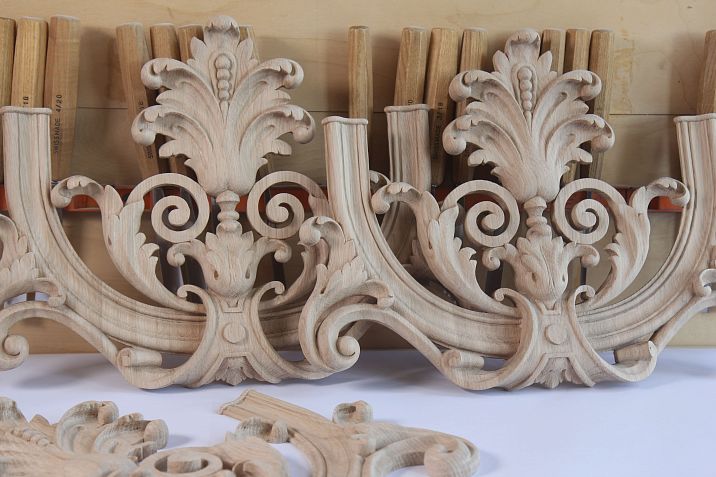
When it comes to creating a unique style in the home, applique furniture decor occupies a special place — an element capable of radically transforming the appearance of any piece of furniture. This is not just decoration, but an art form that allows ordinary furniture to become a work of designer art.
Modern interiors require a special approach to details. Each element must not only perform its function, but also create aesthetic pleasure. That is why professional designers increasingly turn to applique furniture decorwhich has become a key tool in creating exclusive interiors.



The Art of Transformation: What is Applique Decor
Applique decor consists of three-dimensional decorative elements attached to furniture surfaces, creating relief images or patterns. Unlike simple painting, these elements have physical volume, giving furniture expressiveness and depth.
The history of applique decor traces back to the Baroque and Rococo eras, when master carpenters created true masterpieces of furniture art. Today, this tradition has received new development thanks to modern technologies and materials.




Variety of Materials: From Classic to Innovations
The modern market offers a wide range of materials for creating applique decor:
Natural wood remains a classic choice for lovers of tradition. Oak, beech, ash — each species has its own unique texture and character. Wooden appliques are not only beautiful but also durable, capable of serving for decades, gradually acquiring a noble patina.
Polyurethane is a new-generation material that allows creating complex shapes and delicate details. Its advantages are obvious: lightness, water resistance, ease of processing and coloring. Polyurethane appliques can be painted in any color, imitating various textures — from marble to metal.
PVC represents a budget solution that does not fall short in decorative qualities compared to more expensive materials. Modern technologies allow creating PVC appliques that are practically indistinguishable from wooden or stone analogs.
Our factory also produces:


Functionality and aesthetics: double benefit of decoration
Many mistakenly believe that decorative inlays for furniture they serve exclusively an aesthetic function. In reality, their role is much broader and more multifaceted.
Get Consultation
Masking imperfections
Applied decoration excellently handles the task of concealing various furniture defects. Scratches, chips, and impact marks — all of this can be skillfully masked using appropriately selected decorative elements. Moreover, appliqués allow changing the proportions of a furniture item, visually enlarging or reducing it, making it more elegant or, conversely, more substantial.
Zoning and accents
Experienced designers use applied decoration to create visual accents and zone spaces. Properly placed decorative elements can alter the perception of a room, making it more cozy or grand, emphasizing a particular stylistic direction.
Practical protection
It should not be forgotten about the protective function of applied decoration. This is especially relevant for furniture subjected to intensive use. Appliqués absorb mechanical impacts, extending the service life of the main item.
Stylistic diversity: from classic to modern
Modern applied decoration for furniture distinguishes itself with incredible stylistic diversity, allowing to choose a solution for any interior.
Classic style
Classic appliqués are characterized by refined forms and noble execution. These may include floral ornaments with climbing leaves and flowers, geometric patterns with clear lines, or mythological motifs with depictions of angels and ancient deities.
Appliqués in the Baroque style are particularly popular, with their characteristic opulence and theatricality. Such elements can transform a simple chest into a true palace masterpiece.
Modern interior styles also use oak skirting boards, but in a different interpretation. Minimalism prefers simple rectangular profiles without decorative elements. Smooth surfaces with matte finish create a sense of strictness and elegance.
For lovers of modern styles, manufacturers offer minimalist solutions with clear geometric forms. High-tech and loft dictate their own rules — here, appliqués imitating metallic surfaces or abstract compositions with unusual textures are appropriate.
The Provence style requires a special approach — here, appliqués with lavender bouquets, grapevines, or simple rural motifs are relevant, creating the atmosphere of a French village.
Ethnic motifs
Applied decoration in ethnic styles is gaining popularity. Eastern ornaments, African motifs, Scandinavian patterns — each culture brings its unique decorative traditions.
Production technologies: from handcrafting to high-precision machines
Modern production of applied decoration combines traditional craftsmanship methods with innovative technologies.
Hand carving
Despite the development of machine technologies, hand carving in wood remains unmatched in quality and individuality. Master carvers create unique works in which every detail is meticulously crafted.
The process of hand carving requires not only technical skill but also artistic intuition. The carver must feel the material, understand its properties, and be able to reveal and emphasize the natural beauty of wood.
Machine production
Modern CNC routers allow creating appliqués with the highest precision in replicating details. This is especially important in mass furniture production, where absolute identity of decorative elements is required.
3D milling opens up limitless possibilities for creating complex three-dimensional compositions. Computer modeling allows visualizing the result and making necessary adjustments even at the design stage.
Casting and molding
For producing appliqués from polymer materials, injection molding and vacuum molding technologies are widely used. These methods ensure high productivity and excellent surface quality.
Areas of application: limitless decoration possibilities
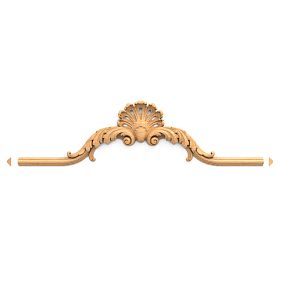
Application area — this is the decoration of cabinet fronts, chests, tables, and doors. Carved inlays allow creating a unique furniture design, adding individuality and expressiveness. The inlay N.VRS-014L gives furniture an elegant look, making it a true work of art. Using carved decoration on furniture adds luxury to the interior and highlights the owner’s taste. are practically limitless. These universal elements can transform any piece of furniture.
Kitchen Furniture
The kitchen is the heart of the home, and its design requires special attention. Applied decoration allows transforming standard kitchen facades into works of art. Fruit garlands, floral ornaments, geometric patterns — the choice depends on the overall interior concept.
Appliqués on a central island or bar counter look especially striking. Here, one can afford bolder and more expressive solutions that will become the compositional center of the entire space.
Bedroom furniture
In the bedroom, applied decoration helps create an atmosphere of coziness and romance. A headboard adorned with elegant appliqués becomes a true art object. Chests and bedside tables with decorative elements transform into stylish interior accents.
Living Room
The living room — the formal room of the house, where applied decoration is fully revealed. Walls and shelves, coffee tables, chests — each item can become a carrier of a decorative idea.
Fireplace surrounds adorned with carved appliqués look especially impressive. They create a sense of aristocratic luxury and become the focal point of the entire room.
Children's furniture
The children's room offers special opportunities for creativity. Here, fairy-tale motifs, animal images, and cartoon characters are appropriate. Applied decor not only adorns furniture but also develops a child's imagination, creating a unique atmosphere of childhood and magic.
Technical aspects: rules of professional installation
Quality installation is the guarantee of durability and aesthetic appeal of applied decor. This process requires a professional approach and adherence to certain technical requirements.
Surface preparation
The first and most important stage — thorough surface preparation. It must be perfectly clean, dry, and even. Any unevenness, dust, or grease stains may negatively affect the quality of adhesion.
For wooden surfaces, light sanding followed by dust removal is recommended. Laminate and plastic surfaces require special preparation — degreasing and, if necessary, creating a micro-texture for better adhesion.
Methods of mounting
There are several main methods of attaching applied decor:
Adhesive bonding — the most common method. Special furniture adhesives are used, ensuring strong and long-lasting adhesion. It is important to correctly select the adhesive depending on the material of the applied element and the base.
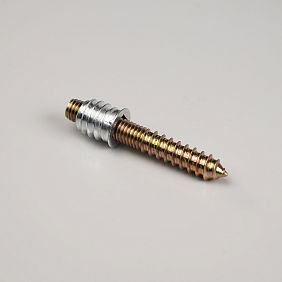
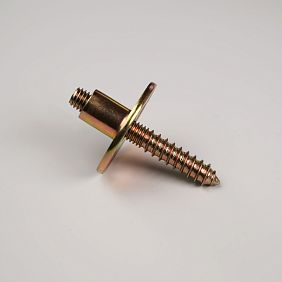
Mechanical fastening is used for heavy and large elements. Hidden self-tapping screws are used, which are screwed in from the back of the applied element. This method ensures maximum secure fastening.
The combined method combines adhesive and mechanical fastening, ensuring absolute reliability of the connection.
Final finishing
After installing the applied element, finishing treatment is required. Wooden elements are coated with varnish or wax, which not only protects them from external influences but also highlights the natural beauty of the material.
Polymer applied elements can be painted in any color, allowing them to perfectly match the interior's color scheme. Modern paints not only provide a beautiful appearance but also additional protection against ultraviolet rays and mechanical damage.
Design solutions: creating harmonious compositions
The art of using applied decor lies not only in selecting beautiful elements but also in their proper combination and placement.
Principles of composition
The foundation of successful decorating are classical composition principles. Symmetry creates a sense of order and solemnity — such a solution is ideal for classical interiors. Asymmetry introduces dynamism and modernity, which is relevant for avant-garde styles.
Proportionality is a key principle of harmonious decorating. The size of the applied elements should correspond to the dimensions of the furniture. Small elements on large furniture will be lost, while overly large applied elements on small furniture will look inappropriate.
Color Solutions
The color of applied decor plays a decisive role in creating the interior's mood. Monochromatic solutions create a calm, elegant atmosphere. Applied elements in the tone of the main furniture emphasize shape and texture, without diverting attention from the overall composition.
Contrasting combinations attract attention and create striking accents. Dark applied elements on light furniture or vice versa — a classic technique that never goes out of style.
Metallic finishes add luxury and sophistication to the interior. Gold, silver, and bronze tones look especially effective in classical interiors.
Stylistic compatibility
The choice of applied decor must strictly correspond to the overall interior style. Baroque scrolls are inappropriate in minimalist spaces, and strict geometric forms will be lost in romantic Provence.
Economic aspects: Investment in beauty
Usage applique decoration for furniture — this is not only a way to improve the interior's aesthetics, but also a rational economic strategy.
Renovation instead of replacement
Instead of buying new furniture, you can radically transform existing furniture using decorative applied elements. This allows saving significant funds while achieving a completely new design.
This is especially relevant for high-quality solid wood furniture, which can serve for decades but gradually loses its design relevance. Applied decor allows "updating" such furniture, adapting it to new trends.
Increase in value
Properly executed decor significantly increases the value of furniture. When selling an apartment or house, uniquely decorated interior items become an additional competitive advantage.
Individuality as a value
In the era of mass production, individuality becomes an increasingly valuable quality. Furniture with unique decor stands out among standard solutions, which is especially important for commercial interiors — restaurants, hotels, beauty salons.
Maintenance and care: preserving beauty for years
Proper care of applied decor ensures its longevity and preservation of its original appearance.
Regular cleaning
Wooden applied elements require gentle care. They should be wiped with a soft dry cloth, avoiding the use of aggressive cleaning agents. Special wood care products may be used if necessary.
Polymer applied elements require less care. They can be washed with regular cleaning agents, but abrasive substances should be avoided, as they may scratch the surface.
Restoration and renewal
Wooden overlays can be restored if scratches or chips appear. Minor defects are fixed using furniture wax or special touch-up pencils. Serious damage requires professional intervention.
Polymer overlays are easier to replace with new ones upon damage, which usually does not require significant expenses.
Protection from external influences
Attached decor should be protected from direct sunlight, which may cause fading. In rooms with high humidity, additional protective coatings are recommended.
Trends and prospects: looking into the future
The world of attached decor is constantly evolving, offering new materials, technologies, and design solutions.
Eco-Friendly Materials
Growing attention to ecology stimulates the development of "green" technologies in decor production. New composite materials based on plant components, biodegradable polymers, and recycled materials are emerging.
Intelligent decor
The development of "smart home" technologies also affects decorative elements. Overlays with built-in lighting, touch-sensitive elements, and even the ability to change color and pattern are appearing.
Personalization
Modern technologies allow creating fully personalized decor. 3D printing enables realizing any creative idea, creating unique elements based on individual sketches.
Virtual Reality
VR technologies revolutionize the process of selecting and designing decor. Clients can preview how furniture will look with various decorative overlays, significantly simplifying decision-making.
Psychology of space: influence of decor on mood
Attached decor affects not only the appearance of furniture but also the psychological perception of space.
Creating atmosphere
Various decorative elements can radically change the atmosphere of a room. Smooth floral ornaments create a sense of calm and harmony, geometric patterns add dynamism and modernity, classical motifs fill space with nobility and grandeur.
Psychology of Perception
Three-dimensional decor affects the subconscious level. Protruding elements create a play of light and shadow, making the surface more lively and interesting. This is especially important in rooms where people spend a lot of time.
Therapeutic effect
A beautiful interior has a positive effect on a person's emotional state. Well-executed decor can reduce stress levels, improve mood, and enhance productivity.
Conclusion
Attached decor for furniture is a unique tool for creating an individual and expressive interior. It combines aesthetic appeal, functionality, and economic efficiency.
Properly selected and professionally installed decor can completely transform the appearance of furniture, creating a unique atmosphere in a home or office. Modern technologies and materials open up boundless creative possibilities, allowing to realize the most daring design ideas.
STAVROS has been a recognized leader in the production of high-quality attached decor for many years. Combining traditional handcrafting methods with modern technologies, STAVROS creates products distinguished by flawless quality, durability, and refined design. Each overlay is the result of meticulous work by skilled artisans who invest not only professional expertise but also their soul into their craft. Choosing STAVROS products means investing in the beauty, quality, and prestige of your interior.