Article Contents:
- 1. What is a bedroom mood board?
- 1.1 Definition and significance of a mood board
- 1.2 Why a bedroom mood board is so important
- 2. Defining the bedroom concept
- 2.1 Choosing style and ambiance
- 2.2 Functionality and zoning
- 3. Gathering materials for the bedroom mood board
- 3.1 Searching Online Resources
- 3.2 Traditional Sources and Personal Observations
- 3.3 Collecting tactile samples
- 4. Systematization and Selection of Materials
- 4.1 Classification by categories
- 4.2 Selection of key elements
- 4.3 Creating a "Raw Collection"
- 5. Arranging the bedroom mood board
- 5.1 Choosing the Working Format
- 5.2 Composition Principles
- Balance and Harmony
- Contrast and Unity
- Iterative process
- 6. Final Refinement and Feedback
- 6.1 Break and fresh perspective
- 6.2 Obtaining Feedback
- 7. Ideas and creative tips for the bedroom mood board
- 7.1 Create thematic sections
- 7.2 Use inspiring quotes
- 7.3 Play with lighting
- 7.4 Add personal touches
- 7.5 Stay current with trends, but remain true to yourself
- 8. Conclusion
In modern interior design, the bedroom holds a special place—it is not only your personal sanctuary but also the space where your day begins and ends. That’s why creating a bedroom mood board is the first and most important step toward crafting a space that will offer comfort, tranquility, and inspiration. In this article, we will thoroughly examine what a bedroom mood board is, why it’s essential, and how to step-by-step create your unique visual concept. You’ll find here a wealth of ideas, practical tips, and creative solutions to help you bring your dream of the perfect bedroom to life.


1. What is a bedroom mood board?




1.1 Definition and significance of a mood board
A bedroom mood board is a visual board that unites diverse elements: images, color palettes, texture samples, furniture and decorative item photos, and even inspiring quotes. It is the first stage in forming the interior concept, allowing:
● Visualize the concept. You immediately see how colors, materials, and furniture will combine.
● Organize ideas. The mood board helps gather all ideas and moods you want to convey through the bedroom’s interior.
● Discuss the concept. The completed board becomes an excellent tool for communication with the client or team members, allowing you to confirm the overall concept before starting implementation.
Our factory also produces:






1.2 Why a bedroom mood board is so important
Creating a mood board for the bedroom has special significance, as this room must become your personal oasis:
● Emotional comfort: The mood board helps select elements that will create an atmosphere of relaxation and calm.
● Style and functionality: You will be able to choose exactly the items, colors, and textures that highlight your personal style while maintaining practicality.
● Resource savings: A clearly planned mood board reduces the risk of unnecessary expenses and redoing work during renovation and decoration.
Tip: Decide what emotions your bedroom should evoke. This could be warmth and coziness, the elegance of minimalism, or a bold blend of modern elements with classic styles.
Get Consultation
2. Defining the Bedroom Concept
2.1 Choosing Style and Atmosphere
The first step in creating a mood board is clearly defining the style you want for your bedroom:
● Classic Coziness: Soft pastel tones, elegant furniture, natural materials.
● Modern Minimalism: Clean lines, neutral palette, emphasis on functionality.
● Eco Style: Natural materials, plants, warm earthy tones.
● Loft: Industrial elements, open spaces, combination of rough and smooth surfaces.
Practical Tip: Make a list of key words describing your ideal style. Write down words like "coziness," "simplicity," "modern," "naturalness." These words will serve as your guide when selecting materials.
2.2 Functionality and Zoning
The bedroom is not only a place for sleeping, but also a zone for relaxation, reading, perhaps work or meditation. When forming the concept, it's important to consider:
● Primary sleeping zone. Think about the bed, nightstands, bedding.
● Additional zones: For example, a reading nook with a chair and lamp, a desk, or a yoga area.
● Storage: Built-in closets, chests, shelves, to create order and avoid cluttering the space.
Idea: Divide the space so that each zone performs its function, yet all elements harmoniously complement each other. This can be visualized using different color accents or textures that highlight separate areas of the mood board.
3. Collecting Materials for the Bedroom Mood Board
3.1 Searching online resources
In today's world, the internet offers endless sources of inspiration:
● Pinterest: Create separate boards for different aspects of the bedroom: color palette, furniture, textures, accessories.
● Instagram: Follow interior designers' accounts, use hashtags such as #bedroomdesign, #спальня, #интерьерспальни.
● Design platforms: Behance and Dribbble allow you to see professionals' work, which can provide plenty of ideas for your board.
Tip: Collect images that are not only beautiful but also evoke specific emotions. It's important that each element resonates with your vision of the ideal bedroom.
Don't forget about classic methods:
Don't forget about classic methods of seeking inspiration:
● Design magazines and catalogs. Here you can find unique solutions and ideas not always reflected online.
● Personal observations: Walks around the city, visits to furniture stores, interior design exhibitions, or even browsing old photo albums can become a treasure trove of ideas.
● Archives: Vintage elements, retro aesthetics can add uniqueness and character to the room.
Practical Tip: Take photos of interesting details you encounter on the street or in stores, and record your impressions. These observations can later be included in the mood board, adding a personal touch.
3.3 Collecting Tactile Samples
If you plan to renovate or decorate, it's important not only visual perception but also tactile sensations:
● Fabric samples: Bedding, curtains, upholstery.
● Finishing materials: Wallpaper samples, tiles, wood, stone.
Color samples: Examples of paints and shades that can be used in the interior.
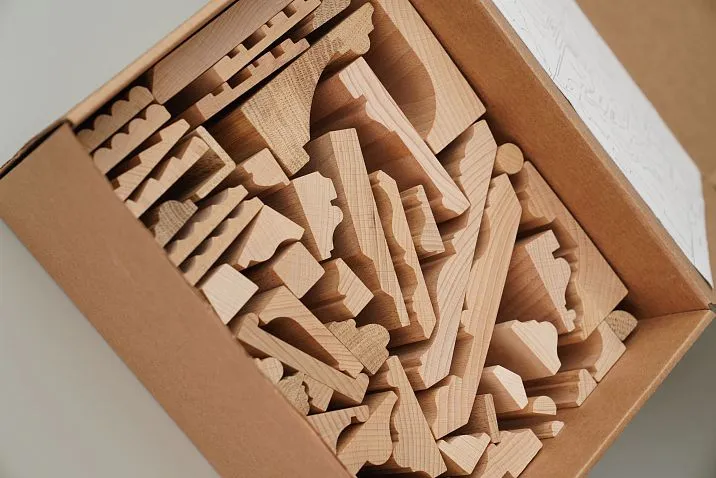
Tip: Collect a physical archive in the form of a small album or box with samples. This will help you compare tactile characteristics and select harmonious combinations.
4. Systematization and selection of materials
4.1 Classification by categories
When all materials are collected, it is important to organize them:
● Color palette: Select primary, secondary, and accent colors.
● Textures and finishes: Group samples by surface type: smooth, rough, glossy, matte.
● Furniture and accessories: Collect images or cutouts separately dedicated to furniture solutions and decor.
● Functional zones: If zoning is planned in the bedroom, distribute materials by each zone.
Practical tip: Use digital tools or physical folders/containers for sorting. This will allow you to easily find the necessary elements when it's time to create the final composition.
4.2 Selection of key elements
From the entire collected collection, select the elements that most accurately reflect your concept:
● Emotional impact: Which colors and textures evoke the desired associations?
● Compatibility: Ensure that the selected elements harmoniously complement each other.
● Functionality: Assess how practical it is to use these materials in the actual bedroom interior.
Tip: Don't be afraid to eliminate the unnecessary. A concise mood board with highlighted key elements will be more effective and clear than an overloaded board.
4.3 Creating a "Raw Collection"
Collect the selected materials into one archive or place them on a large sheet of paper in random order. This will help you see the overall picture and begin experimenting with combinations.
Idea: Use the "raw" mood board as a basis for further iterations. First, place all elements, then gradually move them, search for new combinations, and create the ideal version.
5. Mood board composition for the bedroom
5.1 Choosing the Work Format
Decide whether you will create a moodboard in digital or physical format:
● Digital mood board: Tools such as Canva, Milanote, or Adobe Spark allow you to quickly edit, move elements, and share the result with your team.
● Physical mood board: Creating a collage on a large sheet of paper or in an album allows you to feel the tactile perception of materials and see them at real scale.
Tip: If possible, combine both formats: create a digital prototype, then transfer it to physical form for final evaluation.
5.2 Composition Principles
When creating a mood board for the bedroom, follow these principles:
Balance and Harmony
● Balance: Arrange elements so that no part of the composition is overloaded with unnecessary details. Leave space for the mood board to "breathe".
● Hierarchy: Determine which elements are primary (focal points) and which are supporting. Focal elements should immediately catch the eye.
Contrast and Unity
● Contrast: Play with combinations of light and dark shades, smooth and textured surfaces. Contrast helps highlight key details.
● Style unity: Despite the variety of elements, ensure that all of them work within a single stylistic key and convey a unified atmosphere.
Iterative process
● Experiment: Don't be afraid to rearrange elements and try different layout options. Often, the best option emerges after several iterations.
● Compare options: Create several versions of the mood board and discuss them with friends or colleagues to select the most harmonious and inspiring option.
Practical tip: Save intermediate versions of the mood board (if working digitally) or photograph stages (if working physically). This will allow you to see how the composition evolved and return to successful solutions.
6. Final Refinement and Feedback
6.1 Break and Fresh Perspective
After the final composition is ready, take a break. Step away from the work for several hours or even the next day. A fresh perspective will help you identify what can be improved:
● Analysis: Check whether the final mood board conveys the desired mood and aligns with the original concept.
● Adjustments: As needed, add, remove, or move elements to enhance the composition's harmony.
6.2 Getting Feedback
Discuss the finished mood board with colleagues, friends, or clients:
● Group Discussion: Joint discussion helps identify weak points and generate new ideas for refinements.
● Client Feedback: If the mood board is used to present the project to the client, obtain their opinion to make final adjustments.
Tip: Share your mood board on professional forums or social networks. Diverse opinions will help make your project even better.
7. Ideas and creative tips for a bedroom mood board
7.1 Create thematic sections
If your bedroom includes multiple functional zones (e.g., sleeping area, reading nook, workspace), divide the mood board into thematic sections. This will help you visualize more clearly how each zone will look and function.
7.2 Use inspiring quotes
Add a few short quotes or words that resonate with your concept to the mood board. They can serve as an emotional anchor and support the overall mood.
7.3 Play with lighting
Consider how lighting will work in your bedroom. Include images showing both natural and artificial lighting. This can be an inspiring element, helping you understand how colors and textures will appear under different lighting conditions.
7.4 Add personal details
A bedroom mood board should reflect your individuality. Include elements that tell your story: photos, items you love, or even small artifacts symbolizing your interests. This will make the final result more personal and unique.
7.5 Follow trends, but stay true to yourself
Study current interior design trends, but don’t be afraid to experiment and break away from conventional thinking. Your mood board is a reflection of your individuality, so include only elements that truly inspire you.
8. Conclusion
Creating a bedroom mood board is an engaging and creative process that transforms abstract dreams into a concrete, visually understandable plan. From defining your concept in detail to carefully organizing and thoughtfully arranging materials — each stage requires attention to detail and passion for your craft. Your mood board will not only serve as the starting point for realizing your interior, but also as a reflection of your individuality, creative approach, and vision of the ideal space.
Let every detail of your bedroom mood board be thoughtfully considered and inspiring for creating a room where you will truly feel at home. Create boldly, experiment, seek new ideas, and remember: it is your unique perspective that will make the interior unforgettable and cozy.
If you dream of bringing your bold ideas to life in your interior and creating a bedroom that is not just functional but also inspiring, trust the professionals. STAVROS is a reliable partner in the world of design, helping to turn abstract concepts into real masterpieces.
STAVROS offers comprehensive solutions for interior design, branding, and implementation of projects of any complexity. Their innovative approach, deep understanding of current trends, and attention to every detail will help you create a mood board that will become the foundation for building your dream bedroom.
Let your bedroom moodboard become a source of inspiration, a reflection of your individuality, and the first step toward creating the perfect space where every morning begins with joy and every evening brings tranquility. Create, experiment, and craft your unique atmosphere!