Article Contents:
- 1. What is a Material Moodboard?
- 1.1 Definition and Purpose
- 1.2 Why a Material Moodboard is Important
- 2. Preparation Stage: Defining the Concept and Goals
- 2.1 Formulating the Concept
- 2.2 Target Audience and Functional Purpose
- 3. Gathering Sources and Materials
- 3.1 Online Resources and Digital Platforms
- 3.2 Traditional Sources
- 3.3 Physical Samples
- 4. Systematization and Selection of Materials
- 4.1 Classification by categories
- 4.2 Selection of key elements
- 4.3 Creating a "raw collection"
- 5. Arranging the Material Moodboard
- 5.1 Choosing the Format for Arrangement
- 5.2 Placement and Composition
- 6. Final Review and Adjustment
- 6.1 Break for a Fresh Perspective
- 6.2 Feedback
- 7. Practical Tips and Ideas for Creating a Material Moodboard
- 7.1 Experiment Fearlessly
- 7.2 Quality Above All
- 7.3 Continuous Updates
- 7.4 Share and Inspire
- 8. Conclusion
In the world of design and visual communication, choosing the right materials is the foundation upon which the success of any project is built. But how to bring together all these elements so they work in harmony and create a cohesive perception? The answer is simple: a material moodboard. In this article, we will thoroughly explain what a material moodboard is, why it is needed, how to create and use it to bring your ideas to life. We will provide practical tips, share ideas, and inspire you to create unique visual compositions that will serve as the starting point for implementing your projects.





1. What is a Material Moodboard?




1.1 Definition and Purpose
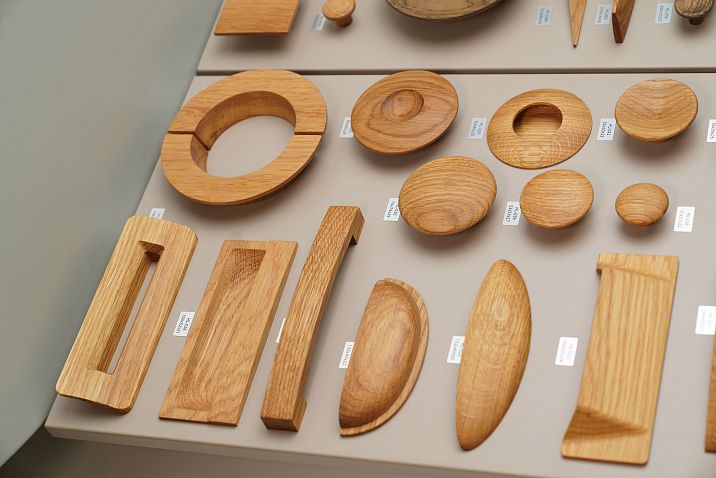
A material moodboard is a visual collection of samples, textures, colors, and other physical elements used for project design. Unlike traditional moodboards, which focus on ideas, mood, and stylistic solutions, a material moodboard focuses specifically on the tactile and visual characteristics of the resources being used.
Main Goals of Creating a Material Moodboard:
● Visualize the Concept: Helps see how different materials interact with each other and influence the overall perception of the project.
● Planning and Selection: Allows you to pre-determine which textures, colors, and finishing materials will be used.
● Communication with the team and client: Demonstrates specific samples, facilitating the coordination of details and preventing misunderstandings.
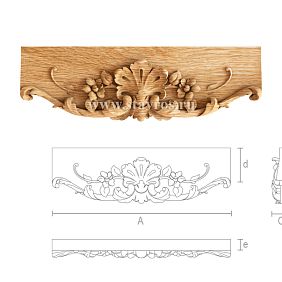
Our factory also produces:




1.2 Why is a material mood board important?
A well-structured material mood board helps:
● Create a harmonious space. Combining various textures and shades can significantly enhance the visual impact of an interior or product.
● Save time and budget. Clearly presented material choices help avoid unnecessary revisions and rework during project implementation.
● Strengthen the brand. For companies aiming to create a unique visual identity, a material mood board is an essential part of the brand style.
Thought-provoking idea: Imagine each material as a note in the symphony of your project. Only when all notes are played in harmony does a masterpiece emerge.
Get Consultation
2. Preparation stage: defining the concept and goals
2.1 Formulating the concept
Before starting to collect samples and textures, it is important to clearly define the purpose of your material mood board. To do this, ask yourself the following questions:
● What mood or style do you want to convey?
Think about what character your project should have: modern, classic, industrial, minimalist, or eclectic.
● Which materials are key to the project?
These could be wood, metal, glass, textile, stone, or a combination of several elements.
● What atmosphere should the project create?
Decide whether you need warm, cozy, cool, or bright accents.
Write down all thoughts and associations to form a clear concept that will serve as the foundation for further work.
2.2 Target audience and functional purpose
Understanding for whom you are creating the project and what functional requirements materials must meet is equally important:
● For residential spaces:
A warm, cozy, and safe selection of materials may be required.
● For commercial spaces:
Practicality, durability, and a modern finish are important here.
● For branded or design projects:
Special attention is paid to exclusivity, innovative solutions, and uniqueness of materials.
Defining the target audience will help you select appropriate elements for the mood board, ensuring they meet the expectations and needs of the end user.
3. Gathering sources and materials
3.1 Online resources and digital platforms
In the digital age, the internet has become an inexhaustible source of visual inspiration. To gather materials, use:
● Pinterest:
Create boards dedicated to materials suitable for your project. Save texture samples, color palettes, and finishing solutions.
● Behance and Dribbble:
These platforms offer works by professional designers and architects, where you can find interesting ideas for material combinations.
● Online stores for finishing materials:
Catalogs of construction and design stores often contain high-quality photos, descriptions, and technical specifications of materials.
Tip: Save your favorite samples in a digital archive. This will allow you to easily return to them at any time and compare options.
3.2 Traditional sources
Don't forget about classic methods of searching for inspiration:
● Design magazines and catalogs.
They may contain unique solutions and examples of implementing various materials in interiors.
● Exhibitions and fairs.
Direct contact with materials and the opportunity to touch them gives a deeper understanding of their quality and tactile properties.
● Personal observations.
Walking around the city, visiting architectural landmarks and museums can inspire you with new ideas.
Idea: Record your impressions and take photos during visits to exhibitions or interesting places. These notes will help you recall details and emotions that can become the basis for a mood board.
3.3 Physical samples
If the project requires tactile perception, collect real samples:
● Fabrics, wood, stone, and metal samples.
Feel the texture, compare the shades, determine how the material looks under different lighting.
● Panels and finishing material samples.
Use them to create a physical mood board, so you can evaluate how they combine with each other in real space.
Tip: Create a special "material archive" in the form of an album or box, where each sample will be neatly stored with descriptions and notes on possible uses.
4. Systematization and selection of materials
4.1 Classification by categories
After collecting materials, organize them by categories:
● Color palette:
Divide samples by primary, secondary, and accent colors.
● Textures and finishes:
Create separate groups for materials with smooth, rough, shiny, or matte surfaces.
● Functional elements:
Identify materials suitable for specific zones (e.g., kitchen, bathroom, living room) or specific functions (e.g., sound insulation, moisture resistance).
Detailed tip: Use tables or digital folders for classification. This will help you quickly find the required materials and compare them with each other.
4.2 Selection of key elements
Review all collected materials and select those that best match your concept:
● Emotional perception.
What materials evoke the desired emotions and associations for you?
● Harmony and combination.
Which elements combine perfectly with each other in terms of color, texture, and style?
● Practicality.
Evaluate the functional properties of materials. Will they suit the intended project?
Tip: Don't be afraid to remove unnecessary details. A concise moodboard with clearly defined elements will be more effective than an overloaded composition.
4.3 Creating a "raw collection"
Collect the selected materials into one archive or onto one large sheet of paper. This "raw collection" will serve as the foundation for further work on the final composition.
Idea: First, place all elements randomly. This will allow you to see the overall picture and begin experimenting with different combination options.
5. Material Moodboard Composition
5.1 Choosing the format for composition
Decide whether you will work in digital or physical format:
● Digital mood board:
Use programs such as Canva, Milanote, Adobe Photoshop, or Illustrator. This allows you to easily move elements, make changes, and share the result with your team.
● Physical mood board:
Create a collage on a large sheet of paper, in a special album, or on a board. Physical composition allows you to feel the texture of materials and see them at actual scale.
Tip: If possible, combine both formats. Create a digital prototype, then transfer it to physical form to evaluate tactile and visual properties firsthand.
5.2 Arrangement and Composition
When creating the final composition, follow these principles:
● Balance and harmony:
Arrange elements so they complement each other. Avoid overcrowding space with details; leave "white zones" that will allow your eye to rest.
● Focal Points:
Highlight key elements that should stand out. This could be a vivid texture sample or an accent color that sets the tone for the entire moodboard.
● Contrast and unity:
Play with contrasting elements — mix smooth and textured surfaces, light and dark shades, but ensure all elements harmonize with each other.
● Iterative approach:
Don't be afraid to experiment with element placement. Try several variations, compare them, discuss with colleagues or friends, and choose the one that best conveys the intended mood.
Detailed tip: Try creating several versions of the moodboard, saving intermediate stages. This will help you understand which combinations work best and allow you to return to previous versions if needed.
6. Final Evaluation and Refinement
6.1 Break for a Fresh Perspective
After completing the composition, take a break. Step away from your work for several hours or even the next day, then return to evaluate the moodboard with a fresh perspective.
● Analysis:
Check whether the final composition matches your original idea and evokes the desired emotions.
● Refinements:
If any elements seem unnecessary or, conversely, insufficiently developed, make changes. This could involve removing certain details, adjusting the order, or adding new elements.
6.2 Feedback
Discuss the finished mood board with colleagues, friends, or clients:
Collective opinion:
Joint discussion can reveal aspects you might have missed and suggest new ideas.
● Making edits:
The feedback received will help improve the mood board and make it an even more accurate reflection of the intended concept.
Tip: Share the final version of your mood board with different people and ask for their opinions. This will help create a product that is understandable and inspiring to others.
7. Practical tips and ideas for creating a material mood board
7.1 Experiment boldly
Don't be afraid to try new approaches and combine elements that may seem incompatible at first glance. Sometimes the most unexpected combinations produce true masterpieces.
7.2 Quality above all
Select only high-quality materials, whether digital images or physical samples. The quality of the source elements directly affects the final impression of the mood board.
7.3 Constant updating
A mood board is a living document. Regularly return to it, add new ideas, replace outdated elements, and refine the composition. The creative process is never static, and your mood board should reflect its dynamism.
7.4 Share and be inspired
Publish your mood boards on social media, share them with colleagues, participate in discussions. Feedback and exchanging ideas will help you grow as a professional and discover new sources of inspiration.
8. Conclusion
A material mood board is not just a collection of samples — it is a powerful tool that allows you to visualize your ideas, structure your creative process, and create a harmonious space for implementing projects. From clearly defining the concept to careful organization and thoughtful composition — every stage is important and requires attention to detail. Your mood board becomes a starting point, a reflection of your vision, and a key to realizing your boldest ideas.
Create, experiment, update, and share your ideas. Let each material mood board become your personal source of inspiration, a foundation for future projects, and a reflection of your creative soul.
If you aim to bring your bold ideas to life and create a space that not only meets expectations but also inspires and surprises, turn to professionals. STAVROS is a reliable partner in the design world, helping transform abstract concepts into real masterpieces.
STAVROS offers comprehensive solutions for interior design, branding, and projects of any complexity. Their innovative approach, deep understanding of current trends, and attention to every detail will help you create a material mood board that becomes the foundation for your successful project.
Create boldly, experiment, and let each of your material mood boards become a reflection of your individuality and a starting point for bringing your brightest ideas to life!