Article Contents:
- 1. Moodboard as a Reflection of the Designer's Inner World
- 1.1 Personal Vision and Self-Expression
- 1.2 Source of Inspiration and Idea Generator
- 2. Practical Guide to Creating a Moodboard
- 2.1 First Step: Conceptualizing
- 2.2 Image Hunting: Seeking Unconventional Solutions
- 2.3 Collection, Selection, and Assembly of Elements
- 3. Moodboard as a Tool for Communication with the Team and Client
- 3.1 A Language Understandable to Everyone
- 3.2 Collaborative Creativity and Collective Inspiration
- 4. Role of the Moodboard in Developing Unique Design Concepts
- 4.1 From Idea to Reality
- 4.2 Transformation of Visual Thinking
- 5. Innovative Approaches and Unconventional Methods
- 5.1 Courage to Experiment
- 5.2 Use of Technology
- 6. Examples of Successful Moodboard Application in Professional Practice
- 6.1 Example of an Interior Design Project
- 6.2 Example of Branding
- 6.3 Example of a Fashion Project
- 7. Final Note: Moodboard as Art That Transforms Everything
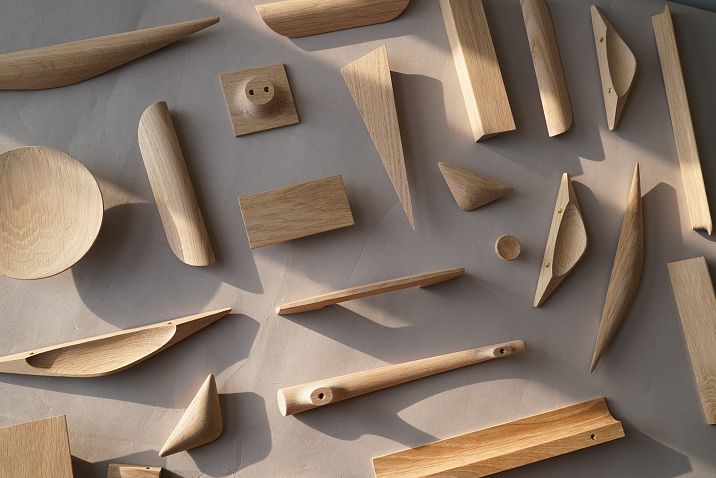
In a world of design where every stroke and detail plays its part, the moodboard becomes something more than just a collection of images. For a true master of visual creativity, it is a source of inspiration, a means of self-expression, and a tool for exploring new frontiers. Today, we will discuss how the moodboard helps designers create unique projects, how it can become a loyal companion in seeking fresh ideas, and how even the boldest concepts find form on its canvas.
If you are a designer ready to challenge the ordinary — this material is for you. There is no room for boredom or clichés here: every element, every detail of the moodboard is intended to tell a story, awaken emotions, and set the tone for the future project.



1. Moodboard as a Reflection of the Designer's Inner World




1.1 Personal Vision and Self-Expression
For a designer, a moodboard is not just a tool but a mirror reflecting their individuality. Every found image, chosen color, or texture is a separate note in the symphony of your creativity. Here, you can allow yourself to experiment, break conventional boundaries, and create unique compositions where every detail matters.
Tip for the bold: Don't be afraid to add an element that seems unexpected. Let your moodboard become a platform for risky decisions that may later become your signature.
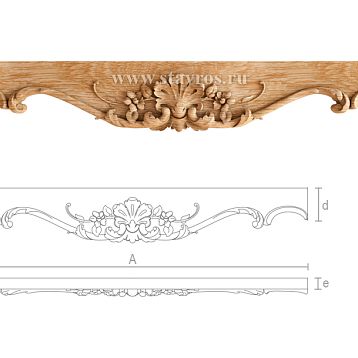
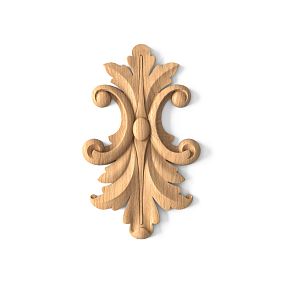
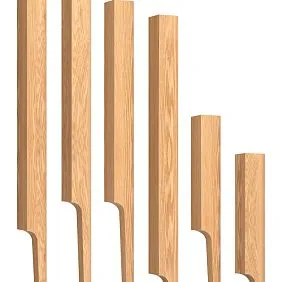
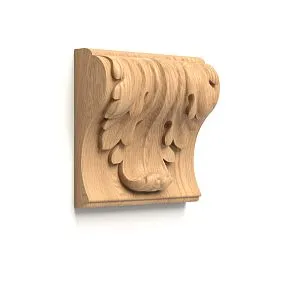
Our factory also produces:




1.2 Source of Inspiration and Idea Generator
Designers often face creative crises when ideas seem to run dry. It is precisely here that a mood board can play a decisive role. By gathering not only images that appear obvious, but also those that evoke emotional responses, you create a rich library of inspiration, ready at any moment to awaken your creative potential.
Get Consultation
2. Practical Guide to Creating a Mood Board
2.1 First Step: Clarifying the Concept
Start with questions that will help you define the direction of your creativity:
● What emotions do you want to convey through the project?
● What associations arise when mentioning the chosen theme?
● What will make your project different from all others?
Answers to these questions will become the foundation upon which you build your mood board.
2.2 Image Hunting: Seeking Unconventional Solutions
Forget standard sources when searching for inspiration. Stroll through museums, visit unusual exhibitions, or simply observe city life. Every detail—from the reflection of light in a display case to a randomly noticed drawing on a wall—can become part of your visual narrative.
Idea: Record your findings in a notebook or create a digital archive where each photo is accompanied by a brief description of the feelings it evoked.
2.3 Collection, Selection, and Assembly of Elements
When you have accumulated enough materials, move on to the selection stage:
● Color solutions. Identify dominant and accent shades.
● Textures and shapes. Compare how materials combine with different visual effects.
● Composition formation. Experiment with scales, placements, and combinations. Don’t be afraid to rearrange elements until you feel the composition breathes and lives.
Remember: a mood board is a living, constantly evolving picture that can develop alongside your ideas.
3. Mood Board as a Tool for Communication with the Team and Client
3.1 A Language Understandable to Everyone
When you show your mood board to a client or colleagues, it becomes a universal language capable of conveying the essence of the envisioned project. No lengthy explanations or complex terminology—only pure, visual language that speaks for itself. This is a powerful tool for persuasion, capable of fostering trust and uniting the team under a common banner.
3.2 Collaborative Creativity and Collective Inspiration
Discussing the mood board with colleagues can become a true seminar of ideas. Joint analysis helps not only identify weaknesses but also uncover new opportunities you might have missed. This allows for refining and perfecting the project concept until its final implementation.
4. Role of the Mood Board in Developing Unique Design Concepts
4.1 From Idea to Reality
A mood board is the bridge between abstract ideas and their realization in reality. Based on it, you can formulate a technical specification, create prototypes, and even conduct preliminary visual assessment of the project. It is like a rough sketch that later transforms into a detailed plan.
4.2 Transformation of Visual Thinking
Creating a mood board changes your perspective on the world. You begin to notice small details, see beauty in unexpected places, understand how even the smallest element can affect the overall harmony of the composition. This process helps develop not only professional skills but also personal vision, turning every project into a work of art.
5. Innovative Approaches and Unconventional Methods
5.1 Bold Experimentation
It is important for a designer not to stop at standard solutions. Bold experiments with color, shapes, textures, and even materials can transform the familiar into something extraordinary. Try mixing classic and modern elements, combining seemingly incompatible things. Risk is the path to new discoveries.
In the era of digital technologies, the mood board becomes even more versatile. Use programs for creating digital collages, interactive presentations, and even virtual tours. These tools not only speed up the process but also add new levels of detail and interactivity, making the work more dynamic and modern.
Practical tip: Master several digital platforms for creating mood boards — from simple tools like Canva to advanced programs such as Adobe Photoshop and Milanote. Experiment with animation and 3D visualization to make your mood board come alive with new colors.
6. Practical Examples of Using a Mood Board in Professional Practice
6.1 Example of an Interior Design Project
Imagine a project to create a cozy space for a creative studio. Your mood board features elements highlighting an industrial aesthetic with modern touches: concrete, wood, metallic accents, and vibrant color bursts. Such a mood board not only defines the interior concept but also inspires the team to seek unique solutions for lighting, furniture, and decor.
6.2 Example of Branding
6.2 Branding Example
For a new technology startup, a moodboard can serve as a starting point for developing a brand identity. It combines strict geometric shapes, minimalist fonts, and vibrant color accents, creating an image of a modern, dynamic, and innovative brand. Thanks to the moodboard, you can easily convey to the client the idea of unity and simplicity embedded in the branding concept.
6.3 Fashion Project Example
Creating a clothing collection is another field where a moodboard plays a key role. Here, it transforms into a true visual diary, where each photograph and sketch becomes part of a single story. Selecting images, textures, and color solutions allows you to create a collection that is not only current but also emotionally rich.
Final Chord: Moodboard as Art That Transforms Everything
A moodboard for a designer is not just a tool, but real art. It helps you see the world from a new perspective, find beauty in unexpected places, and turn the ordinary into magic. This is a creative process that knows no boundaries and constantly evolves alongside you.
Your work becomes a reflection not only of your professionalism but also of your unique personality. Each moodboard is a story told through colors, shapes, and textures, capable of inspiring, motivating, and changing the world around you.
When it comes to bringing the boldest ideas to life, especially if you want every stroke and detail to contribute to overall success, it’s important to have a reliable partner. STAVROS is not just a provider of solutions — it’s a creative ally who shares your passion for innovation and quality design.
STAVROS provides comprehensive services, from concept development to the final realization of projects, where every detail of the moodboard finds its perfect reflection in real interiors, branding, and fashion projects. Trust professionals who know how to turn visual ideas into works of art, and let STAVROS become your guide into the world of boundless design possibilities.
Create boldly, experiment, and let each of your moodboards become a realization of the brightest ideas and a true reflection of your creative spirit!