Article Contents:
- Why is Wood Treatment Necessary?
- Main Tasks of Treating Wooden Items
- Why Treatment is Important for Decorative Elements?
- Impact of Treatment on Durability and Aesthetic Appeal
- Stain: Advantages and Features
- How Does Stain Work?
- Main Advantages of Stain
- When is Stain the Ideal Choice?
- Secrets of Working with Stain
- Advantages of Stain for Stavros Products
- Oil: Protection and Natural Beauty of Wood
- How Does Wood Oil Work?
- Main Advantages of Oil for Wood Treatment
- When is Oil the Best Choice?
- How to Work with Oil Properly?
- Advantages of Oil for Stavros Products
- Stain or Oil: What to Choose for Stavros Decorative Elements?
- When to Choose Stain?
- When to Choose Oil?
- Comparison of Stain and Oil
- How to Combine Stain and Oil?
- What to Choose for Stavros Products?
- How to Apply Stain and Oil Properly: Tips for Perfect Results
- Surface Preparation: The Key to Quality Treatment
- Technique for Applying Stain
- Technique for Applying Oil
- Secrets of Perfect Results
- Treating Stavros Products: A Result That Impresses
- Conclusion: Stavros stain and oil — the choice for those who value style and durability
- Purchase opportunities for Stavros products across Russia
- Ordering convenience
- Create your dream interior with Stavros products
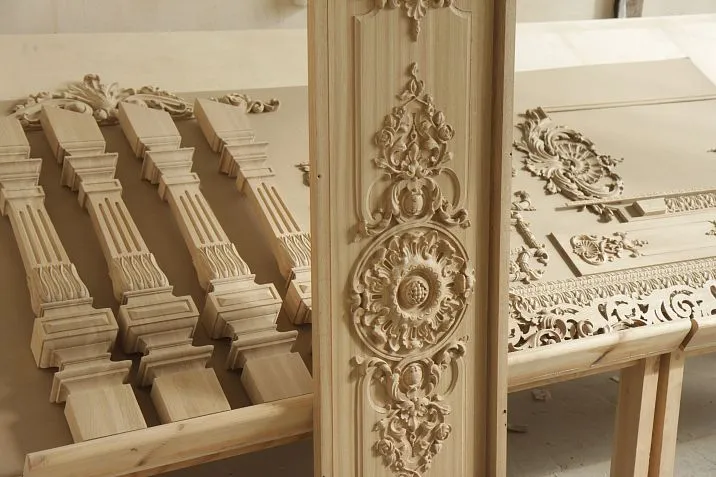
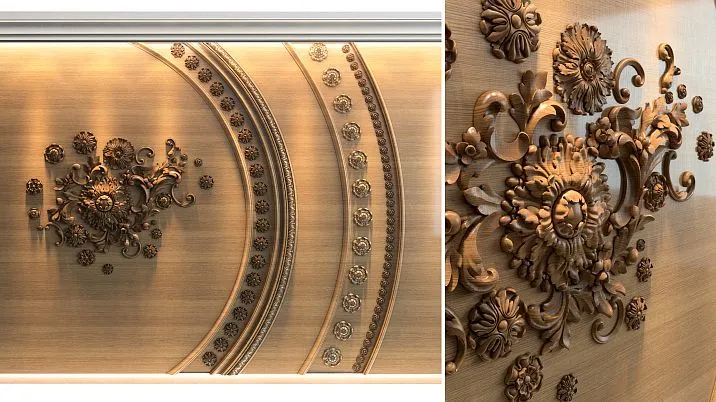
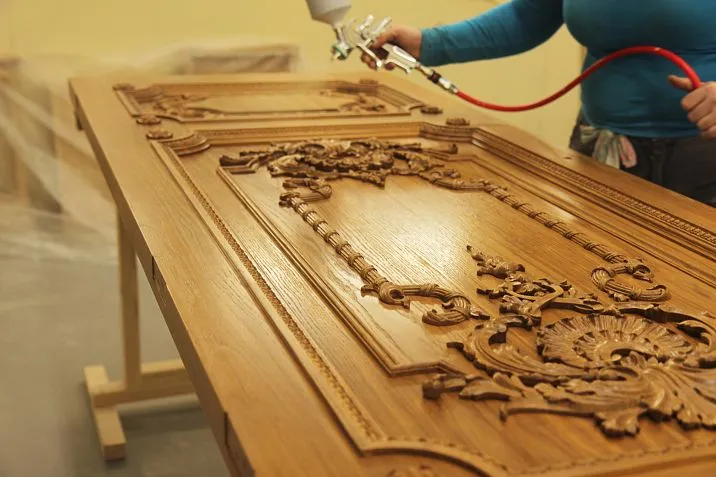

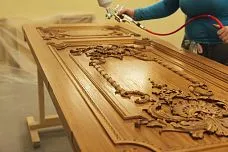
Wood is a unique material prized for its natural beauty, durability, and ability to harmoniously blend into any interior. However, to ensure wooden interior elements last long and retain their attractive appearance, it is necessary to properly select treatment products. The two most popular options are stain and oil.
Which of these are better suited for treating Stavros products such asfurniture appliqués и Crown Molding? Let’s examine their advantages, differences, and how to choose the right option for your interior.


Why is wood treatment necessary?
Wood is a living, 'breathing' material valued for its natural beauty, eco-friendliness, and durability. However, despite its strength and reliability, natural wood requires protection and care to maintain its aesthetic and functional properties for many years. Without treatment, it is vulnerable to external influences: it may absorb moisture, fade under sunlight, develop cracks, or even become attractive to pests.
Proper treatment not only protects wood but also highlights its unique natural grain, creating a striking visual accent in the interior. This is especially important for decorative elements such asfurniture appliqués andsolid wood cornices, which are often exposed and set the tone for the entire space.
Main tasks of treating wooden items
-
Protection from moisture.
As a natural material, wood has a porous structure that absorbs moisture from the surrounding environment. This can lead to swelling, deformation, or mold growth. Treatment with products such as stain or oil creates a barrier that prevents moisture penetration. This is especially important for decorative elements used in high-humidity areas, such as kitchens or bathrooms. -
Preservation of texture.
The unique texture of wood is its main aesthetic feature. Properly selected treatment products enhance the wood grain pattern, making it more pronounced and deeper. This allows attention to be drawn to the natural beauty of wood, especially for items such asdecorative cornices. -
Resistance to damage.
Decorative elements such asfurniture appliqués, are often subjected to mechanical impacts: they are touched, objects are placed on them, or they are leaned upon. Treatment creates a protective layer that prevents scratches, scuffs, and other defects. -
Extending service life.
Without proper treatment, even high-quality wood may darken, crack, or lose its properties over time. Oil and stain help avoid such problems, ensuring the longevity of decorative elements. -
Aesthetic perfection.
Treatment allows you to change the wood’s tone, adapting it to the interior’s style. Light stain gives wood a light, Scandinavian minimalism, while dark oil creates an atmosphere of classic luxury.
Why is treatment important for decorative elements?
furniture appliqués andCrown Molding — these are the details that play a key role in creating a stylish interior. They attract attention, set the overall tone, and establish the mood of the space. However, their exposed placement makes them vulnerable to various external factors:
-
Furniture appliqués often show fingerprints or minor mechanical damage.
-
Cornices located closer to the ceiling may suffer from humidity fluctuations or fading due to constant exposure to sunlight.
Proper treatment of such elements helps preserve their original appearance, protecting them from the effects of time and external factors.
The effect of treatment on durability and aesthetic appeal
solid wood elements such ascornicesrequire careful maintenance to remain stylish interior accents.
Choosing treatment products is an investment in the longevity and beauty of items that will delight you and highlight your taste for many years.




Stain: advantages and features
Stain is one of the most popular wood treatment products, ideal for changing color and highlighting texture. Its main feature is the ability to deeply penetrate the wood structure, preserving and even enhancing its natural grain. This makes stain an ideal choice for decorative elements such asfurniture appliqués andCrown Molding.
How does stain work?
Stain penetrates deeply into the wood fibers, coloring it from within. This allows for a rich color that does not fade or wear over time. Unlike paint, stain does not form a film on the wood surface, but preserves its texture. This makes it an ideal solution for cases where it is important to emphasize the natural wood grain pattern.
Main advantages of stain
-
Wide range of shades.
With stain, you can give wood almost any color—from light oak and pine to rich walnut or black wenge. This is especially relevant if you want to match the color of wooden elements to the overall interior style. -
Preservation of texture.
Stain does not hide the natural beauty of wood, but rather emphasizes its unique pattern. For example,corniceswhen treated with stain, retain their expressive relief, which remains visible and tactile. -
Deep penetration.
Unlike surface coatings, stain penetrates into the wood fibers, creating a durable color that does not fade under sunlight or wash away with water. -
Ease of application.
Stain is easily applied with a brush, sponge, or spray. This allows for even distribution of the product over the wood surface, avoiding streaks and unevenness. -
Color longevity.
Thanks to deep penetration, stain maintains color saturation for a long time, even under high humidity or constant sunlight exposure.
When is stain the ideal choice?
Stain is best suited for decorative elements that require emphasis on color and texture.
-
Furniture appliqués.
Decorative elements such as cabinet facades or chair backs require bright and expressive colors. Stain treatment adds richness to these details and highlights their design. ChooseInlays for furnitureto create accents that harmonize with the interior. -
Decorative cornices.
Cornices located at the top of rooms often serve as important decorative elements. Stain treatment allows creating a contrast between walls and ceiling, making cornices visually stand out. Learn more in the sectionsolid wood cornices. -
Details of classic interiors.
Stain is ideal for decorating classic interiors, where richness and elegance of tones are important. It adds depth to wood and makes it more expressive.
Before applying stain, it is important to thoroughly sand the surface to remove old finishes and make it as smooth as possible. This allows the product to absorb evenly and avoid stains.
-
Surface preparation.
Correct application. -
Apply the stain in thin layers using a brush or cloth. After the first layer, allow the wood to dry, and if necessary, apply a second layer for a deeper color.
Apply the stain in thin layers using a brush or cloth. After the first layer, allow the wood to dry, and if necessary, apply a second layer for a deeper color. -
Securing the result.
After staining the wood, it is recommended to cover it with a protective layer of varnish or wax. This protects it from mechanical damage and extends the lifespan of decorative elements.
Advantages of stain for Stavros products
Stavros products, such asfurniture appliqués andCrown Moldingare ideally suited for staining. This not only highlights the natural beauty of the wood but also imparts the desired shade that harmonizes with the interior.
Our factory also produces:


Oil: protection and natural beauty of wood
Wood treatment oil — it is not only a way to preserve the natural appearance of the material, but also a reliable protection against external influences. Unlike stain, which primarily serves to change the shade, oil creates a protective layer that penetrates deeply into the wood fibers. This makes oil an ideal choice for decorative elements that require both aesthetic and functional approaches.
Oil treatment allows preserving the natural color and texture of wood, making the surface soft, smooth, and pleasant to the touch. This is especially important for Stavros products, such asfurniture appliqués andsolid wood cornices.
How does wood oil work?
Oil fills the pores of wood, forming a protective barrier that prevents moisture, dirt, and harmful microorganisms from penetrating. Unlike varnishes, oil does not form a film on the surface but "integrates" into the wood structure, preserving its naturalness.
In addition, oil enhances the color and texture, giving wood a soft sheen or matte finish. This allows such elements asdecorative cornicesto become more expressive and protected.
Main advantages of oil for wood treatment
-
Natural appearance.
The oil enhances the natural beauty of the wood, leaving its texture natural and expressive. This effect is especially noticeable on high-quality wood species used forappliqués and cornices. -
Protection against moisture and dirt.
Items treated with oil are better protected from water absorption, preventing swelling, staining, or mold growth. This makes oil ideal for use in high-humidity areas such as kitchens or bathrooms. -
Ecological safety.
Oil is a natural product that contains no toxic components and is safe for use even in children's rooms. -
Easy maintenance.
A surface treated with oil is easy to refresh: simply apply a new layer of the product without removing the previous coating. This is convenient for decorative elements subjected to frequent mechanical wear. -
Improved tactile qualities.
Wood treated with oil becomes smooth and pleasant to the touch, which is especially important forfurniture overlays, which are frequently touched by hands.
When is oil the best choice?
Wood Oil suitable for cases when it is important to preserve the natural appearance and provide reliable protection:
-
Furniture appliqués.
Oil treatment helps preserve the original wood texture, making overlays durable and resistant to wear. This is especially relevant for furniture details that are often in direct contact zones. -
Decorative cornices.
Crown moldings located at the top of the room are often exposed to light and humidity fluctuations. Oil protects them from drying out and cracking, preserving their natural appearance for many years. -
Elements in children's rooms.
Oil is a safe choice for treating wooden elements in children's rooms, as it contains no harmful substances and helps maintain ecological safety.
How to work with oil correctly?
-
Surface preparation.
Before applying oil, the wooden surface must be thoroughly sanded. This will allow the product to absorb better and distribute evenly. -
Applying oil.
Apply oil with a soft cloth or brush, evenly distributing the product over the surface. After application, allow the wood to absorb the oil, then remove excess to avoid oily stains. -
Polishing.
To achieve smoothness and a soft sheen, lightly polish the surface after the first layer of oil has dried. -
Securing the result.
For additional protection, you can apply a second layer of oil or cover the wood with wax. This will make the surface more resistant to mechanical damage.
Advantages of oil for Stavros products
Stavros products, such assolid wood stickers and moldings, is perfectly suitable for oil treatment. This product not only helps preserve the natural wood texture but also protects it from the effects of time and external factors.
Choosing oil for treating decorative elements ensures their long life and highlights their unique beauty. Oil is the choice of those who value naturalness, quality, and durability.
Get Consultation
Stain or oil: which to choose for Stavros decorative elements?
When it comes to treating wooden decorative elements, such asfurniture appliqués и Crown Moldingthe choice between stain and oil may be difficult. Both products have unique advantages and characteristics that make them suitable for different purposes. The decision depends on the effect you want to achieve and the tasks ahead of you.
When to choose stain?
Stain is the ideal choice for cases when color saturation and highlighting the wood texture are important. It is perfect for elements that should stand out in the interior and serve as accents.
-
Color change.
If you want to give wooden elements a new shade, stain will be the best choice. This is especially relevant for furniture overlays that can harmonize with furniture color or contrast with surrounding finishes. -
Creating expressive accents.
Stain is perfect for items that should attract attention. For example, solid wood moldings treated with a rich color will become an expressive element, emphasizing the room's stylistic solution. -
Classic and traditional interiors.
In interiors where depth of tones and classic elegance are important, stain allows achieving expressiveness and nobility.
However, it should be noted that stain does not protect wood from moisture and damage. Therefore, it should be used in combination with protective coatings, such as varnish or wax.
When to choose oil?
Oil is a choice for those who want to preserve the natural beauty and texture of wood, providing reliable protection against external influences.
-
Preserving the natural appearance.
If you want to emphasize the natural color of the wood, oil will be the ideal solution. This is especially important for items such as furniture overlays, where naturalness and tactile feel are crucial. -
Protection from moisture.
Oil creates a water-repellent barrier, making it an excellent choice for high-humidity areas such as kitchens or bathrooms. Solid wood cornices treated with oil better withstand changes in humidity and temperature. -
Modern interiors.
Oil is ideal for minimalist and Scandinavian interiors, where naturalness, simplicity, and eco-friendliness are important.
Moreover, oil is easy to refresh: simply apply a new layer to restore the surface without the need for full re-treatment.
Stain vs. Oil Comparison
To make a choice, let's consider the main differences between stain and oil:
|
Criterion |
Stain |
Oil |
|
Purpose of Use |
Color change, highlighting wood texture |
Preserving natural appearance, protection against moisture |
|
Penetration Ability |
Penetrates deeply into the wood structure, staining fibers |
Fills pores, creating a protective barrier |
|
Protection from moisture |
Does not protect against moisture, requires additional coating |
Protects against moisture, suitable for humid areas |
|
Finish Effect |
Vibrant, saturated tones, emphasized texture |
Natural gloss or matte finish, smooth to the touch surface |
|
Application Area |
Furniture overlays, elements with color emphasis |
Cornices, details with texture emphasis |
How to combine stain and oil?
Sometimes, to achieve optimal results, you can use stain and oil together:
-
First, apply the stain. It imparts the desired shade to the wood, highlighting its texture.
-
Then, apply the oil. It protects the wood from moisture and damage, adding a soft gloss or matte finish.
This approach is ideal for furniture overlays and decorative cornices that must combine aesthetics and durability.
What to choose for Stavros products?
For treating solid wood decorative elements such as furniture overlays and cornices, the choice depends on your goals:
-
If you want vibrant colors and expressive texture — choose a stain.
-
If preserving naturalness and protecting against external influences is important — oil is the best solution.
In any case, Stavros products are perfectly suited for processing both ways, helping to create a unique interior reflecting your taste and style.
How to properly apply stain and oil: tips for the perfect result
Processing wooden decorative elements, such asfurniture appliqués andcornicesRequires not only choosing the right product, but also proper application. Only in this case will you be able to fully unleash the potential of the stain or oil, ensuring durability and aesthetic appeal of the items.
Surface preparation: the key to quality treatment
Before applying stain or oil, the wood must be carefully prepared. This step cannot be ignored, as it determines the uniformity of the finish and the final result.
-
Surface cleaning.
Before starting work, remove dust, dirt, or remnants of old coating. Use a soft brush or damp cloth to clean the item and prepare it for sanding. -
Sanding.
Sand the surface to remove imperfections and prepare the wood pores for absorbing stain or oil. Use sandpaper with grit 120–240, moving along the wood grain. This is especially important for elements such as decorative cornices, where every detail must look perfect. -
Dust removal.
After sanding, carefully remove dust from the surface. This can be done with a dry cloth or vacuum cleaner. A clean surface ensures even application of the product.
Stain application technique
Stain is used to give wood vibrant color and highlight its texture. To achieve the desired result, follow these steps:
-
Applying the first layer.
Use a brush, sponge, or spray to evenly apply the stain to the wood surface. Move along the grain to allow the product to absorb better. -
Removing excess.
After applying the first layer, wipe off excess stain with a soft cloth to avoid stains. -
Reapplication.
For a more intense color, you can apply a second layer after the first has fully dried (usually 2–4 hours). This is especially relevant for furniture overlays, which should attract attention with their tone. -
Securing the result.
After the stain dries, it is recommended to cover the surface with varnish or wax to protect the wood from moisture and damage.
Oil application technique
Wood oil creates a protective barrier and preserves the natural texture of the material. This process also requires careful execution:
-
Applying the first layer.
Dampen a soft cloth or brush with oil and evenly distribute it over the wood surface. Apply the oil in a thin layer to avoid over-saturation. -
Wiping in oil.
Gently rub the oil into the surface using a cloth or sponge. This helps the product penetrate the wood pores and ensures reliable protection. -
Removing excess.
After application, remove excess oil after 15–20 minutes to prevent the surface from appearing greasy. -
Polishing.
After the first layer dries (usually 6–8 hours), lightly polish the surface with a soft cloth to give it a smooth finish. -
Reapplication.
To achieve maximum protection, it is recommended to apply a second layer of oil. This is especially important for elements such as solid wood decorative cornices, which are exposed to external factors.
Secrets to the perfect result
-
Choose quality brushes, sponges, or cloths for applying the product. This ensures even coverage and minimizes the risk of streaks.
Test a small area. -
Before treating the entire surface, test the product on a small area of wood to ensure the chosen shade or texture is correct.
Work in a well-ventilated area. -
When applying stain or oil, ensure good ventilation to avoid odor buildup and speed up drying.
Ensure good ventilation when applying stain or oil to avoid odor buildup and speed up drying. -
Patience.
Do not rush: allow each layer to dry completely before moving on to the next step. This guarantees long-lasting durability and resilience of the finish.
Stavros Products: A result that impresses
Stavros products, such as solid wood furniture overlays and moldings, are ideally suited for staining or oiling. With proper application techniques, you can achieve an outstanding result that highlights the style and elegance of your interior.
By following these recommendations, you will preserve the beauty of wood and ensure its longevity, creating an interior that will delight you and your guests for many years.
Conclusion: Stain and oil for Stavros products — the choice for those who value style and durability
Creating an interior using decorative wooden elements is an art in which attention to detail plays a key role. Stavros products, such asfurniture appliqués andsolid wood cornicesallow you to give your interior a finished look, emphasize its style, and make the space cozy.
Choosing between stain and oil depends on your preferences and goals:
-
Stain will help achieve vibrant shades and highlight the wood’s texture, making elements expressive and stylish.
-
Oil will preserve the natural beauty of wood, provide protection, and add a soft sheen.
Both products are equally suitable for treating Stavros products, ensuring durability and high aesthetic quality.
Availability of Stavros products across Russia
Stavros Company makes high-quality wooden decor accessible to customers from all corners of the country. No matter where you are, you can purchase the product and receive it quickly.
-
Delivery to major cities. Stavros products are available in Moscow, Saint Petersburg, Yekaterinburg, Novosibirsk, Kazan, Krasnodar, Nizhny Novgorod, Rostov-on-Don, and other major Russian cities.
-
Ordering to remote regions. Living in a small town or rural area? Stavros organizes delivery to any region, including Siberia, the Far East, and the North Caucasus.
-
Country houses and cottages. Decorating a cottage or country house? Stavros offers solutions that are perfect for any space, including rural wooden homes.
Ordering a carved socket can be done directly from the website by filling out a simple order form, or by phone, where our consultants will help answer any of your questions and assist with selection. We guarantee that the purchasing process will be as comfortable and secure as possible.
Stavros Company offers a convenient and simple purchasing process:
-
You can browse the full product catalog on the website.
-
Choose suitable solid wood decorative elements, whetherCrown Molding orfurniture appliqués.
-
Place your order online, specifying convenient delivery dates and address.
Products are delivered in secure packaging that ensures their safety even during long-distance transport.
Create your dream interior with Stavros products
With Stavros solid wood decorative elements and the right choice of treatment products, you can create a stylish, cozy, and long-lasting interior. Stain and oil will reveal the full beauty of wood, highlight its uniqueness, and provide protection for many years.
Visit the sections for wooden trim and solid wood moldings to choose the perfect elements for your home. Stavros — quality accessible to everyone, regardless of region.
Your interior will reflect your taste, and Stavros products will highlight its style and uniqueness!