Article Contents:
- Smooth Surfaces Philosophy in Furniture Design
- Wood Science: The Science of Wood Structure
- Technological Processes: From Rough Stock to Perfection
- Design Solutions: Simplicity as the Highest Form of Complexity
- Applications in Furniture Manufacturing
- Painting Technology: From Primer to Finish
- Economic Aspects of Production and Application
- Quality Control and Standardization
- Ecological aspects and sustainable development
- Innovations and development prospects
- Frequently Asked Questions
- Conclusion

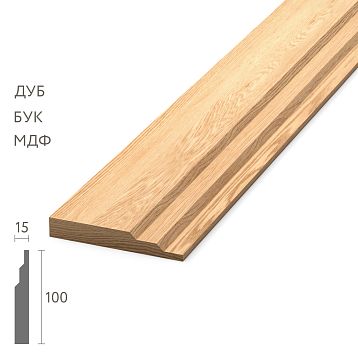
Furniture manufacturing is a world where every detail matters, where millimeters decide the fate of design, and material quality determines the craftsman's reputation. In this universe of precise measurements and flawless lines Wooden smooth furniture molding for painting occupies a special place — it serves as the link between functionality and aesthetics, transforming a utilitarian item into a work of art.
What makes smooth wooden molding so indispensable in furniture manufacturing? The answer lies in its versatility and ability to adapt to any stylistic solution due to its paintability. This is not merely a decorative strip — it is a tool of creativity that allows the furniture maker to express their individuality and create a unique product.


Smooth Surfaces Philosophy in Furniture Design
The history of furniture art knows periods when decorative opulence competed with minimalist elegance. Today we live in an era when the simplicity of form does not mean primitive execution. On the contrary, creating an ideally smooth surface requires the highest level of craftsmanship and technological precision.
Smooth moldings embody the philosophy 'less is more,' where every line is intentional, every transition calculated. They do not shout about their presence, but quietly shape the character of the item, creating that elusive harmony which distinguishes professional work from amateur work.
Perception psychology confirms: smooth surfaces are associated with quality, reliability, and modernity. They create a sense of cleanliness and order, which is especially important in the era of minimalism and Scandinavian design. At the same time, the possibility of painting allows adapting the neutral form to any color concept.
The technological aspect of smooth moldings deserves special attention. Achieving an ideally flat surface requires precise equipment, high-quality raw materials, and professional skills. Minor defects, imperceptible on relief surfaces, become critical on smooth strips. This makes the production of such elements true art.
The versatility of smooth moldings extends from classic furniture to ultra-modern solutions. They are equally appropriate in an 18th-century English secretaire and in a minimalist kitchen of the 21st century. The secret lies in the fact that form follows function, and color defines character.




Wood Science: The Science of Wood Structure
Choosing wood for furniture moldings is not only an aesthetic question, but also a deep understanding of the physical and mechanical properties of the material. Each species has its own 'personality,' determining the area of application and processing methods.
Hardwood species such as oak, beech, or ash provide maximum strength and durability of products. Their dense structure allows creating thin profiles without losing load-bearing capacity. High wear resistance makes such moldings ideal for furniture subjected to intensive use — kitchen sets, office furniture, children's rooms.
Softwood species — pine, spruce, linden — offer their own advantages. They are easier to process, have a more uniform structure, and are less prone to cracking. MDF for Painting from coniferous species provides an optimal price-to-quality ratio for most applications.
Wood moisture is a critical parameter determining the stability of finished products. For furniture moldings, the optimal moisture content is 8-12%. Exceeding this value leads to deformation after installation, while deficiency causes cracking under mechanical loads.
The direction of wood grain affects the strength characteristics and appearance of moldings. Radial sawing provides maximum dimensional stability and beautiful texture, while tangential sawing is more economical but less predictable in behavior. For smooth moldings suitable for painting, radial sawing is preferred.
Natural wood defects — knots, resin pockets, uneven coloring — must be minimized or completely eliminated. A smooth surface does not tolerate defects that may be masked in relief products. Selection of raw material for such moldings requires special care.
Artificial drying in special chambers ensures even moisture removal and elimination of internal stresses. Properly dried wood does not deform during use and ensures dimensional stability of products throughout their service life.
Our factory also produces:


Technological Processes: From Rough Stock to Perfection
Production of high-quality smooth moldings is a multi-stage process where each operation affects the final result. Modern technologies allow achieving precision unattainable through manual processing, but the specialist's skill remains indispensable.
Primary processing begins with precise cutting of rough stock. Carbide-tipped saws ensure a clean cut without chips or scratches. The cutting angle, feed rate, and blade quality — all these parameters affect surface quality and dimensional accuracy.
Sanding is the key operation for achieving a smooth surface. Modern four-sided machines process the blank from all sides in one pass, ensuring perfect parallelism of edges and consistent dimensions along the entire length of the product. The sharpness of the blades, correct machine setup, and stable feed — all these factors determine surface quality.
Profiling milling requires special precision and process stability. Milling cutters made of high-speed steel or hard alloy form the final molding profile. For smooth products, special cutters with polished cutting edges are used, eliminating micro-roughness.
Polishing is the finishing operation that determines the surface quality prior to painting. Sequential processing with abrasives of varying grit — from coarse to finest — creates an ideally smooth surface. Each transition must completely remove traces of the previous abrasive.
Quality control is performed at every stage of production. Checking dimensions, geometry, and surface quality — all this ensures compliance with the strictest standards. Modern measuring systems allow controlling deviations within hundredths of a millimeter.
Packaging and transportation require special attention to product preservation. Protective materials prevent mechanical damage, moisture-resistant packaging maintains optimal humidity. Proper stacking eliminates deformation during transportation.
Get Consultation
Design solutions: simplicity as the highest form of complexity
Smooth moldings for painting open up boundless creative possibilities, allowing the designer to focus on proportions, color, and composition. The absence of decorative elements does not restrict, but liberates imagination, prompting one to seek beauty in the purity of lines.
The profile geometry determines the character of the product and its perception. Simple rectangular cross-sections create a sense of strictness and modernity, rounded edges add softness and comfort. The ratio of width to height affects the visual weight of the element within the overall furniture composition.
Scaling — the art of matching molding dimensions to furniture dimensions. Too thin elements disappear on large items, overly massive ones overwhelm delicate forms. The golden mean is achieved through designer experience and intuition.
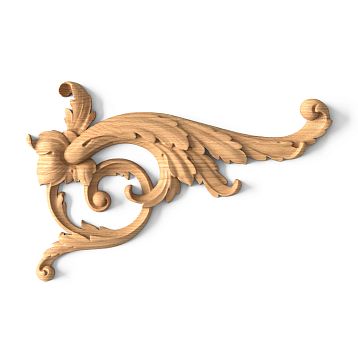
Compositional solutions determine the placement of moldings on furniture. Symmetrical placement creates a sense of stability and classicism, asymmetrical placement — dynamism and modernity. Corner decorative elements help create a complete composition.
Color strategies transform neutral wooden blanks into vibrant elements of individual style. Monochromatic solutions emphasize form and proportions, contrasting ones — create accents and attract attention. Tonal transitions add depth and volume.
Textural effects are achieved through special painting techniques. Glossy surfaces create a sense of luxury and modernity, matte — naturalness and comfort. Semi-matte finishes offer a compromise between practicality and aesthetics.
Stylistic integration requires understanding the language of various design directions. Scandinavian minimalism prefers light shades and simple forms, industrial style — dark colors and rough textures. Classic interiors allow gilding and patination.
Applications in furniture production
The versatility of smooth wooden moldings for painting is evident in their wide range of applications — from handmade luxury furniture to mass production. Each area imposes its own requirements regarding quality, dimensions, and performance characteristics.
Kitchen furniture is one of the most demanding application areas. High humidity, temperature fluctuations, and contact with aggressive substances create extreme operating conditions. MDF Cornices for Painting must withstand these effects without deformation or loss of appearance.
Moisture-resistant coatings provide protection for wood against swelling and deformation. Special paints and varnishes create a barrier preventing moisture from penetrating the material structure. Regular renewal of the coating maintains protective properties.
Heat resistance of coatings is critically important for moldings located near heating appliances. Special heat-resistant compositions withstand temperatures up to 120°C without color or structural changes. This is especially important for elements located near ovens and cooktops.
Furniture for bathrooms imposes special requirements for material moisture resistance. Constant exposure to steam and condensation may lead to deformation and destruction of unprotected wood. Special impregnations and coatings ensure longevity under these harsh conditions.
Children's furniture requires special attention to the ecological safety of materials. All coatings must be certified for use in children's rooms and must not emit harmful substances. Resistance to mechanical impacts is also critically important.
Office furniture is used under intensive conditions and requires enhanced wear resistance. Coatings must withstand frequent washing and disinfection without losing appearance. Repairability — an important requirement for commercial use.
Handcrafted luxury furniture allows the use of the most expensive materials and technologies. Here, not only functional characteristics but also prestige, individuality, and exclusivity are important. and frames create a home atmosphere, making it truly cozy and individual. This is an investment in beauty, which pays off every day through aesthetic pleasure from admiring the beautiful. complement the main composition.
Painting technology: from primer to finish
The process of painting wooden moldings is a complex multi-stage technology, where each operation affects the quality and durability of the coating. Proper surface preparation is no less important than the choice of finishing material.
Preparation includes final sanding with fine-grit abrasive and removal of wood dust. Any contaminants, grease stains, or adhesive residues must be completely removed. The quality of preparation determines the adhesion of subsequent layers.
Priming is the foundation of a durable coating. Primer equalizes the absorbency of different wood areas, creates a strong bond with the substrate, and ensures adhesion of the finish. The choice of primer depends on the wood species and type of finish material.
Inter-layer sanding removes raised fibers and minor defects, creating an ideally smooth surface for applying the next layer. Using fine-grit abrasives prevents damage to the primer layer.
Base coating creates the main color and hiding capability of the system. Even application without runs, skips, or variations in layer thickness is critically important for a quality result. Modern spray systems ensure high-quality application.
Intermediate layers may include toning compounds that create color depth and special effects. Lacquering techniques allow for complex color transitions and simulate expensive wood species.
Finish coating determines the operational characteristics and appearance of the finished product. Glossy varnishes create a mirror-like surface that highlights color and shape. Matte finishes provide a natural look and conceal minor defects.
Drying and curing of the coating must occur under controlled conditions. Temperature, humidity, and air circulation affect film formation quality. Violating the drying schedule may result in coating defects and reduced durability.
Quality control includes checking coating thickness, adhesion, appearance, and color match to the standard. Modern instruments allow objective assessment of coating quality and ensure consistent results.
Economic aspects of production and application
Analysis of the economic efficiency of using smooth wooden moldings in furniture production requires a comprehensive approach, considering not only the initial cost of materials but also labor costs, product quality, and competitive advantages.
Raw material cost varies depending on wood species, processing quality, and purchase volume. Buy paintable molding Purchasing in bulk is significantly more cost-effective than retail purchases. Long-term contracts with suppliers ensure stable pricing and quality.
Labor costs for processing and installing moldings depend on the complexity of the design and staff qualifications. Smooth profiles are easier to process than profiled ones, reducing production time. Standardizing dimensions and profiles optimizes the production process.
Material losses during cutting and processing must be considered when planning production. Optimizing cutting layouts, using offcuts for short elements, and recycling waste into sawdust or pellets improve raw material efficiency.
Investments in equipment pay off through improved product quality and labor productivity. Modern machines ensure consistent quality with minimal labor input. Automation reduces human factor influence.
Storage costs include rental space, climate control, and logistics. Proper warehouse organization minimizes losses from deformation and damage to materials. Inventory rotation prevents wood aging.
Marketing advantages of high-quality moldings are reflected in enhanced brand prestige and customer loyalty. Premium materials allow positioning products in a high-price segment with appropriate margins.
Warranty obligations relate to material quality and production technology. Using verified suppliers and adhering to technological processes minimize risks of complaints and additional expenses.
Export potential of high-quality furniture moldings opens access to international markets with higher price levels. Compliance with international quality and environmental safety standards is key to success in foreign markets.
Quality control and standardization
Quality control system in furniture molding production covers all stages — from raw material receipt to delivery of finished products. Modern control methods allow defect detection at early stages and prevent their spread.
Incoming raw material inspection includes checking moisture content, presence of defects, and geometric parameters of blanks. Moisture meters, defectoscopes, and measuring tools ensure objective assessment of incoming materials. Defective materials are rejected or sent for reprocessing.
Operational control is performed at every production stage. Dimensional control ensures compliance with drawings, surface quality control detects processing defects. Statistical control methods allow tracking trends and warning against deviations.
Acceptance control of finished products includes checking all parameters affecting quality. Geometric dimensions, surface quality, absence of defects — all are subject to control before packaging and shipment.
Product standardization ensures consistent quality and interchangeability of items. Technical specifications, company standards, international norms — all regulate product requirements and control methods.
Metrological support includes calibration and verification of measuring instruments. Measurement accuracy is critically important for controlling dimensions and surface quality. Regular verification of instruments ensures measurement result reliability.
Quality management documentation ensures product traceability and prompt response to deviations. Control charts, test protocols, quality certificates — all constitute the documentation base of the quality system.
Employee training is a key element of the quality system. Knowledge of standards, control methods, and product requirements ensures consistent quality across all production stages. Regular training maintains high competency levels.
Ecological aspects and sustainable development
Modern furniture production cannot be imagined without considering ecological factors and principles of sustainable development. MDF furniture details must comply with strict ecological standards and not harm the environment.
Forest resource certification confirms their origin from sustainably managed forests. FSC and PEFC systems guarantee that wood is harvested in accordance with ecological and social standards. This is especially important for export products.
Formaldehyde and other volatile organic compound emissions are strictly controlled in furniture production. Modern adhesives and coatings emit virtually no harmful substances, confirmed by appropriate certificates.
Waste disposal is organized with minimal environmental impact. Wood waste is recycled into technical sawdust, pellets, or used as fuel. Closed water circulation systems minimize water consumption.
Production energy efficiency is achieved through use of modern equipment and optimization of technological processes. Heat recovery systems, LED lighting, and frequency converters reduce energy consumption.
Transport logistics are optimized to reduce carbon footprint. Compact packaging, optimal vehicle loading, selection of eco-friendly transport — all contribute to reducing environmental impact.
The product life cycle is considered from raw material preparation to disposal of finished goods. The durability of furniture, the possibility of repair and renewal of finishes, recycling of worn-out items — all of these are elements of an environmentally responsible approach.
Social responsibility includes ensuring safe working conditions, fair wages, and development of local communities. Certification according to social standards confirms adherence to these principles.
Innovations and development prospects
Modern technologies open new opportunities for improving production and the application of furniture moldings. Digitization, automation, and new materials shape the appearance of the furniture industry of the future.
Digital design allows creating virtual models of products and optimizing their parameters even before production begins. CAD systems ensure geometric accuracy and automatic generation of CNC machine control programs.
Additive technologies open opportunities for creating prototypes and small-batch production of complex elements. 3D printing from wood composites allows creating unique items with individual characteristics.
The Internet of Things integrates production equipment into a single information system. Sensors monitor process parameters in real time, and predictive analytics systems warn of possible equipment failures.
Artificial intelligence optimizes production processes, controls product quality, and predicts demand. Machine learning allows identifying hidden patterns and improving production efficiency.
New materials expand the possibilities of furniture design. Composites based on natural fibers combine eco-friendliness with high performance characteristics. Biopolymers ensure complete biodegradability of products.
Nanotechnology improves the properties of coatings and materials. Nanoparticles in lacquers increase hardness and wear resistance, while antibacterial additives ensure surface hygiene.
Production automation increases processing accuracy and quality stability. Industrial robots perform painting, assembly, and packaging operations with precision unattainable by humans.
Frequently asked questions
Which wood species are best suited for making smooth moldings intended for painting?
Optimal species have uniform structure and minimal resin content. Lime, aspen, and birch provide excellent surface quality for painting. For higher load requirements, beech, oak, and ash are suitable.
Can smooth moldings be painted with regular wood paints?
It is recommended to use special furniture coating systems, including primer, base coat, and finish lacquer. They ensure better adhesion, durability, and appearance.
How should the molding surface be prepared before painting?
The surface should be sanded with 220-240 grit abrasive, cleaned of dust, and degreased. Then primer is applied, followed by light sanding between coats after drying.
What is the optimal moisture content for furniture moldings?
The optimal moisture content is 8-12%. At higher moisture levels, deformation may occur after installation; at lower levels, material cracking may occur.
Can smooth moldings be used in high-humidity environments?
Yes, provided that moisture-resistant coatings are used and their application technology is followed. Special primers and lacquers provide reliable protection against moisture.
How to calculate the required amount of moldings for a furniture project?
Calculation is based on the perimeter of decorated elements, with an additional 10-15% for cuts and possible errors. For complex projects, it is recommended to create a detailed drawing.
What tools are needed to install moldings on furniture?
Essential tools: circular saw or miter saw, PVA or polyurethane glue, clamps, sander, measuring tools. A router may be required for precise corner fitting.
How to ensure the longevity of molding coatings?
Key factors: proper surface preparation, use of compatible materials within the coating system, adherence to application technology, and correct drying of each layer.
Conclusion
The world of furniture production is constantly evolving, but the principles of quality, functionality, and beauty remain unchanged. Wooden smooth furniture molding for painting Embodies these principles in perfect form, offering furniture makers a tool for creating products of the highest caliber.
Technological excellence in modern production ensures stable quality and precise geometric parameters, critically important for professional furniture manufacturing. Use of premium raw materials and advanced processing methods guarantees the durability and reliability of finished products.
The versatility of application makes smooth moldings indispensable in various fields — from high-end handcrafted furniture to mass production. The ability to paint in any color allows adapting the neutral form to any design concept.
Economic efficiency is not only reflected in the reasonable cost of materials, but also in reduced labor costs for processing, versatility of application, and durability of finished products. Investments in high-quality molds pay off through increased product prestige and customer loyalty.
Ecological safety and compliance with sustainable development principles make such materials in demand on today's market, where ecological factors play an increasingly significant role in consumer decision-making.
Development prospects are linked to the adoption of digital technologies, automation of production, and the emergence of new materials. These innovations open up new opportunities for creativity and improvement of manufacturing processes.
STAVROS Company, with years of experience in producing high-quality solid wood items, offers a full range of solutions for the furniture industry. Deep understanding of market needs, use of advanced technologies, and strict quality control at every stage of production make STAVROS a benchmark of professionalism and reliability. Continuous development of product range, investment in modern equipment, and commitment to ecological safety enable STAVROS to remain an industry leader and a trusted partner for furniture makers striving to create products of the highest quality.