Article Contents:
- Chapter 1. History and Mission of the STAVROS Company
- 1.1. Origins of the Idea and Formation of the Company
- 1.2. Company Mission and Values
- Chapter 2. Organization of the Furniture Workshop: From Raw Materials to Finished Products
- 2.1. Selection of Raw Materials and Quality Control
- 2.2. Production Technologies and Automation
- 2.3. Organization of the Production Space
- Chapter 3. Marketing Strategy in the Furniture Workshop Business
- 3.1. Building a Strong Brand
- 3.2. Digital Marketing and SEO Promotion
- 3.3. Offline Events and Exhibitions
- Chapter 4. Financial Aspects of the Furniture Workshop Business
- 4.1. Developing a Financial Model
- 4.2. Attracting Investments and Financing
- 4.3. Risks and Ways to Minimize Them
- Chapter 5. Organizing the Team and Managing Personnel
- 5.1. Building a Strong Team
- 5.2. Leadership and Corporate Culture
- Chapter 6. Innovative Technologies and Sustainable Development
- 6.1. Implementing New Technologies in Production
- 6.2. Environmental Responsibility
- Chapter 7. Prospects for the Development of the Furniture Workshop Business
- 7.1. Current Trends and Forecasts
- 7.2. Scaling Strategies and Entering New Markets
- Chapter 8. Social Responsibility and Impact on Society
- 8.1. The Company's Role in Society
- 8.2. Environmental Initiative
- Chapter 9. The Future of the Furniture Workshop Business: Challenges and Prospects
- 9.1. Industry Development Prospects
- 9.2. Challenges and Ways to Overcome Them
- Conclusion
- Conclusion
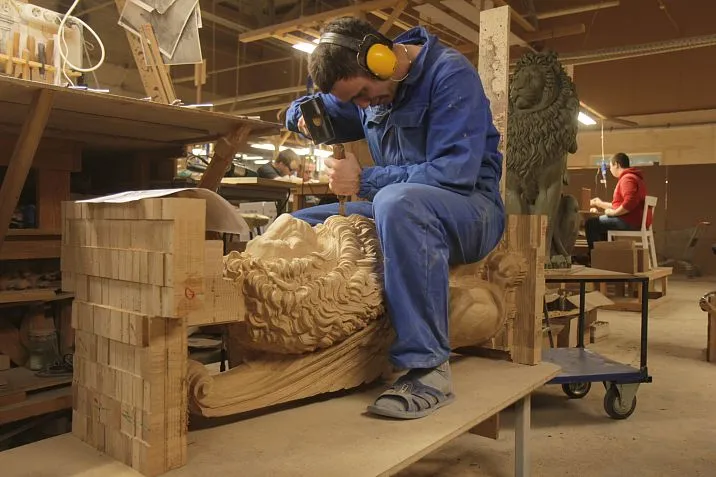
Time-tested experience. Professionalism that has become part of history. A benchmark in furniture manufacturing.
In an era of dynamic changes, when consumer demands become increasingly refined and competition tougher, the furniture workshop business emerges as a source of stable investments and innovative ideas. The focus of this article is the company STAVROS — a leader in the furniture business, which, thanks to its own production facilities, has created a brand that has earned trust from both domestic and international clients.
This article provides a detailed analysis of all aspects of the furniture workshop business, starting from the history of the company STAVROS and ending with modern production technologies, marketing strategies, organizational solutions, and industry development prospects. The narrative is presented in the third person, with elements of a bold, challenging tone as well as gentle support, to appeal to professionals, entrepreneurs, and anyone interested in the intricacies of furniture production.
For more detailed information and up-to-date news on the topic, please visitFURNITURE WORKSHOP BUSINESS.


Chapter 1. History and Mission of the Company STAVROS
1.1. Origins of the Idea and Company Formation
The company STAVROS began its journey in the furniture business more than three decades ago, when a group of talented specialists, united by a passion for creating functional and aesthetically pleasing furniture, decided to open their own workshop for producing high-quality items. From the very beginning, the company’s management set an ambitious goal — not merely to produce furniture, but to create spaces where every detail plays its part and transforms the human experience.
From the very beginning, STAVROS distinguished itself not only by its pursuit of perfection but also by an innovative approach to problem-solving. The company successfully combined traditional craftsmanship techniques with modern automation methods, enabling it to quickly gain market trust and rise to leading positions in the industry.
1.2. Company Mission and Values
The mission of STAVROS is to create unique items capable of satisfying even the most demanding clients. The company believes that furniture is not merely a functional element of interior design, but a true art object that influences the quality of life and the mood of a person.
The core values that guide STAVROS include:
● Quality — each production stage is carefully controlled.
● Innovation — continuous introduction of modern technologies and development of new designs.
● Environmental Responsibility — use of eco-friendly materials and implementation of sustainable production practices.
● Customer Orientation — individual approach to each client and striving to exceed expectations.
The company actively promotes ideas of sustainable development and social responsibility, focusing on long-term cooperation with clients and partners.




Chapter 2. Organizing the Furniture Workshop: From Raw Materials to Finished Products
2.1. Raw Material Selection and Quality Control
The key to success in the furniture workshop business is the proper selection of raw materials. STAVROS is known for its attention to detail at every stage of production, from material procurement to packaging of finished products. Only high-quality wood, eco-friendly lacquers, natural fabrics, and other materials meeting high standards are used in production.
Each batch of raw materials undergoes strict quality control. Company employees regularly conduct laboratory tests, check material compliance with environmental standards and technical requirements. This approach minimizes the risk of defects in the final product and guarantees the longevity of the furniture.
2.2. Production Technologies and Automation
In the furniture workshop of the company STAVROS, modern technologies are applied, combining traditional craftsmanship skills with innovative production methods. The production process is based on several key stages:
● Digital Design and Modeling. Using CAD/CAM systems and 3D modeling allows creating accurate and detailed projects, which are then used for manufacturing. This approach significantly reduces the time required to develop new models and ensures maximum manufacturing precision.
● Automated Processing Lines. Modern computer-controlled machines enable performing complex operations such as cutting, sanding, and assembling furniture with high speed and precision. This reduces the likelihood of errors, increases productivity, and ensures consistent product quality.
● Manual Finishing and Decoration. Despite the high level of automation, many processes remain in the hands of skilled specialists capable of imparting individuality to each detail. Manual work is especially important when creating exclusive items, where every small detail matters.
● ERP System Integration. Modern information systems allow real-time control of all production stages — from raw material procurement to delivery of finished products to the client. This ensures prompt management, cost reduction, and high production flexibility.
Thus, the furniture workshop business of the company STAVROS demonstrates the ideal combination of tradition and innovation, which is the guarantee of steady growth and a high level of competitiveness in the market.
Successful operation of the furniture workshop is impossible without a properly organized production space. STAVROS pays special attention to ergonomics of the workplace, ensuring employees comfortable working conditions and safety. The enterprise uses modern automation technologies, which allows optimizing logistics within the workshop, speeding up the process of moving raw materials and finished products, and reducing time spent on organizational issues.
Effective organization of the production space is an important factor that allows STAVROS to confidently maintain growth and development in the furniture business.
Key aspects of organizing the production space include:
● Rational distribution of equipment. Each production zone is designed to minimize the time required for material transportation between production stages.
● Modern storage systems. Automated warehouses are used to ensure uninterrupted supply, allowing for timely tracking of raw material and finished product inventory.
● Control of the working environment. Maintaining optimal microclimate in the workshop, regular ventilation, and adherence to sanitary norms — all of this contributes to improving product quality and reducing the risk of defects.
Effective organization of the production space is an important factor that allows STAVROS to confidently maintain growth and development in the furniture business.
Our factory also produces:


Chapter 3. Marketing Strategy in a Furniture Workshop Business
3.1. Building a Strong Brand
One of the key tasks in developing a furniture workshop is creating a recognizable brand capable of winning consumer trust. STAVROS focuses on high-quality products, innovative solutions, and an individual approach to each client. A strong brand is not only a logo and corporate style, but also the philosophy underlying the entire enterprise’s activities.
Main elements of forming the STAVROS brand:
● Unique Selling Proposition (USP). The company positions itself as an expert in furniture production, offering innovative and eco-friendly solutions for any interior.
● Corporate style and visual identity. Using strict lines, minimalist design, and quality materials helps create an image aligned with modern design trends.
● Success stories and case studies. Publishing real examples of project implementation, reviews from satisfied clients, and photos of finished products strengthen trust in the brand and build a positive image.
In the modern world, digital technologies play a decisive role in promoting a furniture workshop business. STAVROS actively uses internet marketing tools to attract new audiences and strengthen its market position. The digital promotion strategy includes:
To stay up to date with the latest trends and receive current information about the development of the furniture business, visit the website
● SEO optimization of the website. Key phrases such asFURNITURE WORKSHOP BUSINESS, are integrated into content, enabling the company’s website to achieve high positions in search engines and attract targeted traffic.
● Content marketing. Publishing analytical articles, news, interviews with experts, and case studies of successful projects helps establish an expert image and build trusting relationships with the audience.
● Social media activity. Maintaining accounts on popular platforms such as Instagram, Facebook, and Pinterest allows sharing visually appealing content, showcasing production processes and final products, and communicating with clients in real time.
● Video marketing. Creating videos about the production process, presentations of new collections, and interviews with craftsmen not only informs but also inspires potential customers.
3.3. Offline Events and Exhibitions
In addition to digital tools, STAVROS actively participates in industry exhibitions, conferences, and seminars. Personal meetings with potential clients, partners, and interior designers help establish trusting relationships and demonstrate the company’s high level of craftsmanship. Exhibitions provide an opportunity not only to present products but also to receive feedback, which is a crucial element for further business development.
Get Consultation
Chapter 4. Financial Aspects of a Furniture Workshop Business
4.1. Creating a Financial Model
Financial planning is an essential part of a successful furniture workshop business. STAVROS is known for its transparency and careful calculation of all financial indicators. Creating a detailed financial model includes:
● Revenue forecasting. Analyzing the current market, assessing sales potential, and calculating the break-even point allow determining expected revenue volumes.
● Cost calculation. It is important to consider both variable costs (raw materials, energy, transportation) and fixed expenses (rent, salaries, taxes). Accurate cost estimation allows optimizing the budget and avoiding financial risks.
● Investments in modernization. To expand production and implement new technologies, investments are required. STAVROS successfully uses both its own funds and external investments, enabling it to remain at the forefront of the furniture business.
● Financial flow control. Implementing modern ERP systems helps promptly track all financial operations, conduct audits, and adjust the budget according to market conditions.
4.2. Attracting Investment and Financing
Starting any large-scale production requires significant capital. STAVROS actively attracts investors, demonstrating growth potential and unique competitive advantages. For this purpose, a detailed business plan is developed, which includes:
● Description of the production concept and technology used in the workshop.
● Market analysis, target audience segmentation, and brand positioning.
● Financial forecasts, payback periods, and potential investment returns.
An effective investment attraction strategy not only ensures the launch of production but also creates a financial buffer for further business development and scaling.
4.3. Risks and Ways to Minimize Them
As in any business, the furniture workshop of STAVROS faces a number of risks. The key ones include:
● Raw material fluctuations. Changes in material prices may negatively affect product cost.
● Technical failures. Equipment breakdowns or unexpected failures in automated lines may cause production delays.
● Competitive pressure. High market competition requires continuous improvement in quality and an innovative approach.
STAVROS actively minimizes risks through supplier diversification, insurance of production processes, and regular equipment maintenance. Strict quality control and flexibility in resource management enable the company to respond promptly to changes in the market environment.
Chapter 5. Team Organization and Personnel Management
5.1. Building a Strong Team
The foundation of any successful enterprise are the people working in it. In the furniture workshop of STAVROS, great attention is paid to selecting qualified specialists. Each employee, from designer to workshop master, undergoes careful selection, training, and regular professional development. The company’s management is convinced that production success directly depends on the professionalism and motivation of the team.
Key principles for team formation:
● Professionalism and experience. Recruiting specialists with long-term experience and deep knowledge in furniture production.
● Innovative approach. Encouraging creative thinking and initiative to develop new ideas and improve technological processes.
● Team spirit. Creating a positive work atmosphere where each employee feels their significance and ability to influence results.
● Continuous learning. Conducting regular training, seminars, and master classes to improve qualifications and share experience.
5.2. Leadership and Corporate Culture
Corporate culture at STAVROS is based on principles of openness, responsibility, and striving for perfection. The company’s management actively supports development ideas, encourages knowledge exchange, and implementation of new technologies. Within the team, clear rules and standards are established, promoting effective work and achieving high results.
Chapter 6. Innovative Technologies and Sustainable Development
6.1. Introduction of New Technologies into Production
Current trends in furniture production dictate the need for continuous innovation. STAVROS holds leading positions due to active use of advanced technologies such as:
● 3D modeling and virtual reality. This allows not only to optimize the development process but also to demonstrate future product design to clients even at the concept stage.
● Laser cutting and automated processing. Modern CNC machines ensure high manufacturing accuracy and reduce production time.
● IoT in production. Monitoring and control systems integrated into production lines allow prompt response to changes and minimize downtime.
● Energy-saving technologies. Using energy-efficient equipment and optimizing production processes allows reducing costs and minimizing environmental impact.
6.2. Environmental Responsibility
Modern consumers are increasingly paying attention to the eco-friendliness of products. STAVROS not only follows global trends but also implements its own initiatives for sustainable development:
● Use of renewable materials. Application of wood from sustainably managed forests and recycled materials.
● Reduction of production waste. Modern recycling systems allow minimizing waste and reusing it.
● Certification of environmental safety. The company's products comply with international environmental standards, confirmed by certificates and independent expert assessments.
These initiatives not only improve the brand's image but also create additional value for customers who care about the environment.
Chapter 7. Development Prospects of the Furniture Workshop Business
7.1. Current Trends and Forecasts
Analysis of current trends shows that the furniture workshop business will continue to develop due to the following factors:
● Growth in demand for customized solutions. Consumers increasingly prefer furniture made to order, stimulating the development of customized production.
● Integration of smart home technologies. Incorporating functional elements and automated control systems makes furniture more in demand.
● Expansion of online sales channels. Digitization and internet marketing continue to play a key role, opening new sales opportunities.
● Globalization of the market. Entering international markets and expanding export potential significantly increases the audience and sales volume.
7.2. Scaling Strategies and Entry into New Markets
To further develop the furniture workshop business, the company STAVROS implements a scaling strategy that includes:
● Expansion of production capacities. Investments in equipment modernization, increased automation, and logistics optimization.
● Entry into new market segments. Development of new product lines targeting both mass-market and premium segments.
● Franchise programs and partner networks. Creating a franchise system enables rapid expansion of the brand's presence in regions and abroad.
● Development of new business models. Use of furniture subscription models, joint production with partners, and integration of digital platforms for ordering.
These strategies aim for sustainable growth, risk minimization, and ensuring a stable financial result in the long term.
Chapter 8. Social Responsibility and Impact on Society
8.1. Role of the Company in Society
The company STAVROS understands that business success is measured not only by financial indicators but also by its contribution to societal development. Within its corporate social responsibility, the company implements initiatives aimed at:
● Support of local communities. Implementation of educational programs, sponsorship, and participation in charitable projects.
● Reduction of environmental impact. Introduction of environmentally friendly technologies and waste recycling systems, use of sustainable raw materials.
● Development of culture and art. Organization of exhibitions, contests, and workshops aimed at supporting young talents in the design field.
8.2. Environmental Initiative
One of the priorities of the company STAVROS is environmental sustainability. In the furniture workshop business, where the use of natural materials and energy-efficient technologies plays a key role, STAVROS aims to become a model for environmental protection. The measures taken include:
● Use of wood from certified sources, ensuring the sustainability of forest resources.
● Optimization of technological processes to reduce energy consumption and emissions.
● Development of new materials meeting high environmental standards, which not only reduces negative impact on nature but also improves product quality.
These initiatives positively impact society and contribute to strengthening the company's image as a socially responsible enterprise.
Chapter 9. The Future of the Furniture Workshop Business: Challenges and Prospects
9.1. Prospects for Industry Development
The furniture workshop business continues to evolve, and the future of the industry looks promising. Current trends indicate:
● Growing demand for customized solutions. Consumers want unique furniture that meets their personal needs and preferences.
● Expansion of digital technology integration. Virtual reality, 3D modeling, and automated production management systems will play an increasingly significant role.
● Increased influence of environmental standards. Future consumers will place even greater emphasis on eco-friendly products, stimulating the adoption of sustainable technologies.
● Globalization of production. Entering international markets and establishing partner networks will allow the furniture workshop business to reach a new level and gain global customer trust.
9.2. Challenges and Ways to Overcome Them
Despite all the prospects, the furniture workshop business faces certain challenges:
● Competition and price pressure. To overcome these difficulties, companies must invest in innovation, optimize production, and improve product quality.
● Economic instability. Flexibility in resource management, diversification of suppliers, and effective financial planning allow minimizing the impact of external factors.
● Technical failures and outdated equipment. Continuous updating of technical infrastructure, adoption of modern technologies, and regular staff training are key to successful development.
Company STAVROS demonstrates that overcoming challenges is possible through continuous improvement, active implementation of innovations, and strategic planning, enabling it to remain a leader in the furniture workshop business.
Conclusion
The furniture workshop business represents a complex, multifaceted sphere where success depends on multiple factors: from proper raw material selection and adoption of modern technologies to building a strong brand and effective personnel management. Company STAVROS is a vivid example of how combining tradition and innovation can lead to creating a successful enterprise that has earned consumer trust both domestically and internationally.
By studying the company's history, production organization, marketing strategy, financial planning, and approaches to social responsibility, it becomes evident that the furniture workshop business is not merely furniture production, but an entire ecosystem capable of adapting to changing conditions, implementing innovations, and creating products reflecting current trends.
Thanks to strategic vision, continuous investment in new technologies, and customer orientation, STAVROS confidently occupies leading positions in the industry. The company demonstrates that success is achieved not only through high-quality products but also through clear organizational structure, effective resource management, and commitment to sustainable development.
The future of the furniture workshop business promises to be even more dynamic and filled with new opportunities. Innovative solutions, active use of digital technologies, and expansion of global connections will determine the industry's further growth. Companies capable of promptly responding to changes, investing in research, and developing their own infrastructure will inevitably become market leaders.
Thus, the furniture workshop business is not merely a production line but a holistic system where every detail plays its part. From raw material selection to the final product, from organizing production space to promoting the brand — all aspects must work in harmony. Company STAVROS demonstrates that with a clear strategy, innovative thinking, and professional approach, outstanding results are achievable.
For those interested in the development of the furniture business, it should be noted that a successful enterprise is built on a deep market analysis, understanding of customer needs, and constant pursuit of perfection. The key factor is the ability to integrate traditional manufacturing methods with modern technologies, enabling the creation of products meeting high quality standards.
The path to success in the furniture workshop business requires perseverance, courage, and willingness to change. However, as STAVROS' experience shows, it is precisely these qualities that enable overcoming difficulties, entering new markets, and gaining customer trust. It is important to remember that every successful enterprise began with an idea, then went through testing and optimization stages, and finally reached the pinnacle thanks to a constant drive for innovation.
Company STAVROS continues to set high standards in the industry, and its example can serve as an inspiration for young entrepreneurs, designers, and engineers striving to create their own success story in the furniture business.
For additional information and up-to-date news about the furniture workshop business, as well as to study successful case studies, visit the official websiteFURNITURE WORKSHOP BUSINESS.
Summary
The aspects outlined above are only a small part of what the furniture workshop business represents in today's economy. Deep analysis of processes, innovative technologies, clear financial planning, effective team management, and customer orientation — all of this creates the foundation upon which successful production is built.
Company STAVROS is a vivid example of how traditional craftsmanship skills can be combined with the latest technologies, create a powerful brand, and enter the international arena. Its experience shows that success in the furniture business is achieved through a comprehensive approach, continuous improvement, and belief in one's own idea.
The future of the furniture workshop business promises to be no less exciting than its present. With technological advancement and changing consumer demands, enterprises will be compelled to adapt, invest in innovation, and expand their production capacities. Those who can promptly respond to the challenges of the time will inevitably occupy leading positions in the market.
STAVROS' strategy is an example of how an idea can be successfully implemented, transforming it into a large-scale enterprise capable of meeting the needs of the most demanding customer. It is precisely such companies that set industry trends, define quality standards, and become sources of inspiration for future generations of entrepreneurs.
To stay updated on the latest trends and receive current information about the development of the furniture business, visit the website
FURNITURE FACTORY BUSINESS: STUDYING THE SUCCESS OF THE STAVROS COMPANY, WHICH IS REVOLUTIONIZING THE GLOBAL FURNITURE MARKET | Stavros CompanyFURNITURE WORKSHOP BUSINESS.