Article Contents:
- Introduction: The Modern Appearance of the Furniture Market
- Historical Review: From Craft to Digital Technologies
- Craft Traditions and Early Stages of Furniture Production
- Industrial Revolution and the Beginning of Mass Production
- Digital Revolution: From CAD/CAM to Modern Automation Systems
- Economic Analysis and Market Structure
- Trends in Demand and Consumer Preferences
- Role of Branding and Marketing in Competitive Struggle
- Role of Software in Design and Production
- Internet and E-commerce
- Digital Transformation of Production and Process Automation
- International Cooperation and Technology Exchange
- Competition on the Global Market
- Consumer Environmental Awareness
- Waste Processing Technologies and Sustainable Production
- Changes in Consumer Behavior
- Role of Culture and Traditions
- Role of Brands and Image
- Impact of Economic Factors on the Furniture Market
- Survival and Adaptation Strategies
- Technological Innovations and Their Impact on the Industry
- Globalization and Market Expansion
- Role of Innovations in Shaping the Future Market
- Role of digital marketing and social networks
- Traditional marketing methods and their combination with digital
- Brand positioning strategies
- Influence of cultural traditions on design and production
- Consumer expectations and lifestyle changes
- Corporate social responsibility
- Current economic indicators and growth forecasts
- Factors influencing market dynamics
- Industry development scenarios
- Government support for the furniture industry
- Competition Among Wooden Materials
- Role of international trade agreements
- Main industry challenges
- Opportunities and growth prospects
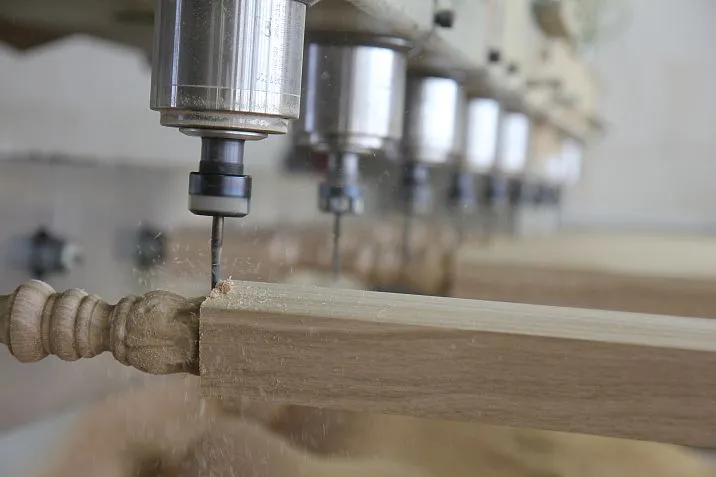
Furniture market — a dynamic and multifaceted sphere where craftsmanship traditions meet innovative technologies, and the aesthetics of products combine with functionality and practicality. In the era of globalization and digital transformation, the furniture industry is experiencing a real boom, transforming under the influence of changes in consumer behavior, economic factors, and technological achievements. In this article, we will thoroughly examine the furniture market from historical, economic, and cultural perspectives, analyze current trends, challenges, and development prospects. We will discuss how digital technologies are changing production, design, and sales of furniture, as well as how the role of traditional manufacturing methods, such as classic furniture making techniques and classic furniture, is preserved. Read on to learn why the furniture market today is not just a commercial arena, but also a unique space for creativity, innovation, and realization of artistic ideas.
Learn more about the latest trends in the furniture industry on the Stavros website


Introduction: the modern appearance of the furniture market
The furniture market today is characterized by multi-layered complexity and high competition. On one hand, it is a massive economic sector generating billions of rubles annually; on the other, it is a space where the interests of designers, manufacturers, distributors, and end consumers converge. Under conditions of fierce competition, companies are compelled to continuously improve their technologies, optimize production processes, and actively implement innovative solutions.
Today, the furniture consumer is becoming increasingly demanding: he wants to see in products not only a practical solution for interior design, but also a work of art reflecting his individuality and lifestyle. This is why the furniture market is witnessing a trend toward the fusion of traditional manufacturing methods, such as processing solid wood, with modern digital design and production automation technologies.
This article will address the following questions:
● History of the furniture market development. From craftsmanship to mass production and the digital revolution.
● Current state of the industry. Analysis of current trends, demand, and supply.
● Challenges and problems. What economic, technological, and ecological difficulties face market participants.
● Development prospects. Where the furniture market is headed in the coming years, how digital technologies and global trends influence its development.
● Role of innovations. How new software for furniture design and production changes the approach to creating products.
● Culture and style. Significance of traditions such as classic furniture, and how they are integrated into modern design.
Visit the Stavros website to explore the best examples of furniture industry products




Historical Overview: From Craft to Digital Technologies
Our factory also produces:


Craft Traditions and Early Stages of Furniture Production
The history of the furniture market began long before mass production. Even in ancient times, people created the simplest interior items using readily available natural materials. Handcrafted skills, passed down from generation to generation, became a guarantee of quality and durability of products. Over centuries, craftsmen developed woodworking techniques, used traditional tools and methods to create furniture that not only served a practical purpose but also delighted the eye with its aesthetics.
In those times, every detail was handmade, and even the slightest inaccuracy could affect the overall appearance of the item. That is why traditional methods of processing natural solid wood retained their significance. These crafts became the foundation for forming classical aesthetics in furniture, which is reflected in modern trends such as classic furniture and classical furniture.
Get Consultation
Industrial Revolution and the Beginning of Mass Production
However, mass production often compromised the individuality of items. Many companies, focused on quantitative indicators, lost the artistic value inherent in handmade products. Yet, this stage became the starting point for further development of the furniture market, opening new opportunities for optimizing production and introducing modern technologies.
However, mass production often came at the expense of the individuality of products. Many companies focused on quantitative indicators and lost the artistic value that was inherent in handmade items. But precisely this stage became the starting point for further development of the furniture market, opening new opportunities for optimizing production and introducing modern technologies.
Digital Revolution: From CAD/CAM to Modern Automation Systems
In recent decades, the furniture market has experienced a true digital boom. With the advent of computer-aided design (CAD) and manufacturing (CAM) systems, furniture production processes have become more precise and efficient. Software allows not only to create three-dimensional models of products, but also to analyze their strength characteristics, optimize material consumption, and control quality at all stages of production.
Digitalization has brought significant changes to processes such as production planning, technical documentation, and even marketing. Today, furniture design software is an indispensable tool for companies striving to maintain high product quality, such as classic furniture and classical furniture.
Learn more about digital solutions in the furniture industry on the Stavros website
Current State of the Furniture Market
Economic Analysis and Market Structure
The furniture market today represents a complex and multi-level system. It encompasses both high-quality luxury furniture producers and the mass segment, where the main focus is on accessibility and functionality of products. The market structure includes the following key segments:
● Luxury Furniture Production. Here, special attention is paid to the quality of materials, unique design, and individual approach to each order. Items in this segment often belong to the category of classic furniture and represent a true symbol of status and refined taste.
● Mass Production. This segment targets a broad consumer base, offering functional and affordable solutions for interior design. Here, process optimization and cost reduction through automation and digitalization of production play an important role.
● Distribution and Retail. The sales system is a crucial part of the furniture market, including both large retail chains and specialized boutiques. Modern sales channels increasingly rely on internet platforms and e-commerce.
● After-sales Service and Support. The quality of products directly affects the level of service offered by manufacturers. Delivery, assembly, and after-sales service have become an essential part of competitive struggle in the furniture market.
Economic analysis shows that the furniture market is steadily growing, despite periodic crises. On one hand, high competition stimulates innovation, while on the other, globalization and changing consumer preferences require companies to continuously improve their products and services.
Trends in Demand and Consumer Preferences
The modern furniture consumer is becoming increasingly demanding and informed. Key trends in consumer behavior include:
● Personalization. Consumers seek unique solutions that can be adapted to their personal style and interior. That is why concepts such as classic furniture and classical furniture remain in demand, as they reflect traditions while also being adaptable to modern requirements.
● Environmental Awareness. More and more people pay attention to the ecological nature of products, their origin, and production methods. Using natural materials, eco-friendly technologies, and sustainable production methods has become an important competitive advantage.
● Digital Transformation. Consumers expect the process of selecting and purchasing furniture to be fast, convenient, and transparent. Online platforms, virtual showroom tours, and the ability to customize orders via the internet are becoming increasingly popular.
● Quality and Durability. Despite the trend toward mass production, many consumers are willing to invest in high-quality items that will last for decades. It is here that the technology of furniture manufacturing, combining traditional craftsmanship with modern technologies, comes to the rescue.
Learn how innovative solutions are changing the furniture market on the Stavros website
Role of Branding and Marketing in Competitive Struggle
On the furniture market, brand and company reputation are of great importance. A successful brand can not only attract customer attention but also foster customer loyalty. Effective marketing includes:
● Digital Marketing. Using social media, content marketing, SEO, and online advertising helps attract audiences and build communication with customers.
● Live Showrooms and Exhibitions. Presenting products in person, allowing customers to feel the quality of materials and uniqueness of design, helps create an emotional connection with the brand.
● Collaborations with Renowned Designers. Joint projects with well-known specialists help highlight the status of products and attract discerning audiences, especially in the classic furniture segment.
● Brand history and traditions. For many customers, the history of the company, its traditions, and commitment to quality are important. Brands that can tell the story of product creation and convey the spirit of craftsmanship gain an advantage in competitive markets.
Innovations and digital technologies in the furniture market
Role of software in design and production
One of the most important trends in the modern furniture market is the digitization of all production stages. Programs for furniture design, such as CAD/CAM systems, allow creating detailed 3D models of products, conducting virtual testing, and optimizing the structure even before actual production begins. Such furniture design and planning software are becoming indispensable tools for manufacturers striving to maintain a high quality standard.
Advantages of using digital technologies in furniture production:
● Reduction in development time. Ability to quickly correct projects and instantly visualize the final product.
● Optimization of material usage. Precise modeling allows reducing waste and lowering production costs.
● Increased accuracy and quality. Automation minimizes human factors, reducing the risk of errors and defects.
● Customization of orders. Modern systems allow adapting projects to specific client requirements, which is especially important for creating items in the classical furniture style and classic furniture.
Internet and e-commerce
With the development of the internet, the process of buying furniture has changed dramatically. E-commerce has opened new opportunities for selling products, allowing consumers to choose from a vast assortment, compare prices, and read reviews in real time. Online platforms also provide the option for personalizing orders, which is especially relevant for premium-class items.
Key aspects of e-commerce in the furniture sector:
● Convenience and accessibility. Customers can browse the assortment and place an order without leaving home.
● Virtual showrooms. Ability to examine the product from different angles and even "try it on" in a virtual interior.
● Interactive marketing. Using videos, 3D tours, and online consultations helps create an emotional connection with the brand.
● Global reach. Thanks to the internet, manufacturers can enter international markets, attracting customers from around the world.
Explore innovative solutions in the furniture industry on the Stavros website
Digital transformation of production and automation of processes
Automation has become a key factor in increasing the efficiency of furniture production. Modern production lines are equipped with robotic systems and CNC machines, enabling high precision and consistency in products. As a result, furniture manufacturing technology becomes more flexible and adaptable.
Main advantages of automation:
● Reduction in production costs. Increased productivity and reduced defect rates.
● Acceleration of the production cycle. Faster processing and assembly of products, which is especially important under high demand.
● High execution accuracy. Minimizing errors through the use of modern software solutions.
● Increased potential for customization. Automated systems allow quickly reconfiguring lines for custom projects, which is a key aspect for creating unique items in the classic furniture style.
Impact of globalization and international competition
International cooperation and technology exchange
The furniture market is becoming increasingly global, and companies operating in this sector are forced to compete not only nationally but also internationally. International cooperation provides access to advanced technologies, best practices, and innovative ideas. Exchange of experience between manufacturers from different countries enables the creation of products meeting global quality standards.
Important aspects of globalization:
● Import and export. Expanding markets and entering the international arena.
● Adaptation to cultural specifics. Developing products taking into account local traditions and consumer preferences.
● Joint projects and collaborations. Combining efforts of leading brands to create exclusive collections that can become real trends in the classic furniture segment.
● Quality standards. International certifications and compliance with global standards help strengthen trust in brands.
Learn more about global trends in the furniture market on the Stavros website
Global market competition
With increasing competition, manufacturers are forced to constantly improve their products and optimize production processes. On the furniture market, global competition stimulates innovation and active development of marketing strategies. Companies that can quickly adapt to changes and implement advanced technologies occupy leading positions.
Key factors for success in the international market:
● Quality and innovation. High-quality products combining traditional methods and modern technologies.
● Effective marketing. Using digital channels and social networks to promote the brand.
● Flexible production. Ability to quickly respond to changes in demand and adapt products to individual orders.
● Strategic partnerships. Cooperation with international distributors and technology suppliers.
Environmental trends in the furniture market
Consumer environmental awareness
Modern consumers increasingly pay attention to the eco-friendliness of purchased goods. The furniture market is not immune to this trend. Manufacturers adopt eco-friendly technologies, use natural materials, and minimize harmful impact on the environment. This becomes an important competitive advantage, especially for brands aiming for the status of classic furniture and traditional furniture.
Key environmental trends:
● Use of solid natural wood and eco-friendly materials.
● Implementation of energy-saving technologies and waste recycling.
● Product certification according to international environmental standards.
● Increased transparency of production processes and openness of information for consumers.
Waste recycling technologies and sustainable production
In the context of global environmental challenges, transitioning to sustainable production becomes crucial. Using recycled materials, implementing waste recycling technologies, and energy-saving methods help reduce the environmental footprint of furniture production. Manufacturers focused on sustainable development gain not only a competitive advantage but also increase consumer trust.
Learn how eco-technologies are transforming the furniture market on the Stavros website
Social and cultural aspects of the furniture market
Changes in consumer behavior
Social and cultural changes significantly influence the furniture market. Modern lifestyle trends, urbanization, and changes in family structures lead to transformations in furniture needs. Consumers increasingly prioritize functionality, versatility, and the ability to adapt products to specific conditions.
Key changes in consumer behavior:
● Personalization. Consumers seek unique solutions reflecting their personal style.
● Multifunctionality. Growing popularity of compact solutions capable of performing multiple functions.
● Emotional attachment. Furniture becomes not just household items, but elements creating a cozy and comfortable atmosphere in the home.
● Digital interaction. Consumers increasingly use online platforms to search, compare, and order furniture.
Role of culture and traditions
Despite the drive for innovation, traditions remain an important component of the furniture market. Classic furniture holds special significance — items crafted in accordance with time-honored traditions that continue to inspire trust and admiration. These traditions are reflected in design, material selection, and manufacturing technologies, making the products unique and durable.
Explore traditional solutions in the world of furniture on the Stavros website
Role of brands and image
Brand policy plays a significant role in the furniture market. Companies that can build a positive image, tell their brand’s story, and demonstrate commitment to quality gain an advantage in competitive battles. For consumers, it is not only the quality of the product but also its aesthetic and cultural value that matters.
Furniture market in times of crises and economic shocks
Influence of economic factors on the furniture market
Economic crises, inflation, and currency instability significantly impact the furniture market. During periods of economic uncertainty, consumers begin to avoid expensive purchases, opting for more affordable solutions. However, companies that can adapt and offer quality products at optimal prices maintain their position.
Key aspects of economic influence:
● Reduction in demand. During economic shocks, consumers become more cautious.
● Optimization of production processes. Reducing product cost through automation and optimization becomes critically important.
● Role of government programs. Support for the industry through subsidies and grants helps stabilize the market during crisis periods.
Survival and adaptation strategies
Manufacturers operating in the furniture market are forced to apply flexible strategies to remain competitive under economic instability. Among them:
● Product diversification. Expanding the product range to include both premium and budget models.
● Investment in innovation. Using digital technologies and automating production allows reducing costs and improving product quality.
● Active marketing policy. Strengthening the brand through effective digital marketing and PR campaigns.
Learn about the success strategies of leading furniture brands on the Stavros website
Future prospects of the furniture market
Technological innovations and their impact on the industry
Future prospects of the furniture market are directly linked to technological innovations. In the coming years, we may expect:
● Expansion of digital design capabilities. New software solutions for furniture design will enable the creation of even more complex and unique products.
● Implementation of artificial intelligence. Automating data analysis and forecasting trends will help companies adapt more quickly to market changes.
● Innovative materials and sustainable production. The emergence of new, eco-friendly materials and waste recycling technologies will become a key competitive factor.
Globalization and expansion of sales markets
Global integration and the development of e-commerce open new horizons for the furniture industry. Manufacturers capable of entering international markets gain the opportunity:
● Expand sales geography. Entering new markets, increasing export potential.
● Exchange experience. International cooperation facilitates the adoption of best global practices in production and marketing.
● Strengthen the brand. Global presence increases brand recognition and consumer trust.
Role of innovation in shaping the future market
The future of the furniture market is determined by companies' ability to innovate. Modern technologies enable the creation of products that not only meet current demands but also exceed consumer expectations. This includes:
● Personalization of products. Flexible ordering systems that allow customers to customize the design and functionality of furniture.
Interactive solutions. Virtual showrooms, 3D visualization, and augmented reality open new possibilities for product presentation.
Environmental responsibility. The use of sustainable technologies and natural materials has become a crucial aspect of building a brand's image.
Learn about the latest technologies in furniture manufacturing on the Stavros website
Marketing strategies in the furniture market
The role of digital marketing and social networks
In today's world, digital marketing has become a key tool for promotion in the furniture market. Social networks, content marketing, SEO, and PPC advertising help companies:
● Attract a new audience. Targeted advertising campaigns and active presence on social media allow reaching a broad audience.
● Increase customer loyalty. Interactive engagement with consumers through blogs, videos, and webinars creates an emotional connection.
● Strengthen brand image. Effective brand positioning through high-quality content and stories about the company's history.
Traditional marketing methods and their combination with digital
Although digital marketing plays an important role, traditional methods such as participation in trade shows, showroom organization, and print advertising remain relevant. Combining these methods allows creating a comprehensive promotion strategy that covers all communication channels with potential customers.
Brand positioning strategies
For successful development in the furniture market, it is crucial to establish clear brand positioning. This includes:
● Defining a unique selling proposition (USP). What distinguishes your product from competitors: quality, design, innovation, or environmental responsibility.
● Building an emotional connection with the consumer. Success stories, tales of craftsmanship and traditions, and showcasing high levels of skill help win customer trust.
● Emphasis on quality and durability. For classic furniture and classical furniture, reputation supported by real examples of successful product use is essential.
Social and cultural aspects of the furniture market
Influence of cultural traditions on design and production
Culture and traditions play an important role in shaping the appearance of the furniture market. In many countries, solid wood items in a classic style are symbols of status and taste. These traditions are reflected in concepts such as classical furniture and classic furniture, helping to create products that remain relevant over time.
Consumer expectations and lifestyle changes
Modern changes in lifestyle, urbanization, and increased living standards lead to consumers becoming more conscious and demanding. Today, furniture must not only meet functional needs but also be aesthetically appealing, durable, and adapted to modern living conditions. Individualized approaches, product customization, and flexible design have become key criteria for many buyers.
Corporate Social Responsibility
On the furniture market, more attention is being paid to corporate social responsibility. Ethical production, care for the environment, and support for local communities are becoming important aspects that modern consumers consider. Companies that can demonstrate their commitment to these principles win in competition and gain customer trust.
Economic forecasts and development scenarios for the furniture market
Current economic indicators and growth forecasts
Analysis of current economic indicators shows that the furniture market demonstrates steady growth, despite periodic economic shocks. Demand for quality furniture, especially premium items, is expected to continue rising due to increased purchasing power and urbanization growth. Forecasts suggest that integration of innovative technologies, digitalization of production, and active promotion through online channels will contribute to further industry development.
Factors influencing market dynamics
The furniture market dynamics are influenced by numerous factors:
● Changes in consumer behavior. Rising demand for individualized and eco-friendly solutions.
● Digitalization and automation. Implementation of new technologies reduces costs and improves product quality.
● Global economic trends. International trade, currency fluctuations, and investment climate affect the cost of materials and finished products.
● Social and cultural changes. Rising living standards and shifting values contribute to increased demand for quality and durable furniture.
Industry Development Scenarios
Several scenarios for the development of the furniture market are possible:
- Optimistic scenario. Active adoption of innovations, rising consumer purchasing power, and expanding markets contribute to sustainable industry growth. Manufacturers investing in technology and quality marketing occupy leading positions.
- Conservative scenario. With moderate economic growth and preservation of traditional production methods, the market stabilizes, but competition remains high and consumer expectations continue to rise.
- Pessimistic scenario. Under global economic crises and high costs, the industry faces declining demand, reduced investment activity, and the need for major reforms.
Role of the state and international organizations
Government Support for the Furniture Industry
The government plays an important role in regulating and supporting the furniture market. Support measures include tax incentives, subsidies for innovation adoption, investment programs, and export support. These measures help create a favorable business environment and attract investment.
International Standards and Certification
To successfully enter the global market, furniture manufacturers must comply with international quality and safety standards. Product certification, compliance with environmental norms, and adherence to technical regulations become essential conditions for access to foreign markets. This is especially relevant for classic-style furniture and classical furniture, where high standards are mandatory.
Role of International Trade Agreements
International trade agreements and cooperation between countries help expand markets, reduce tariff barriers, and facilitate technology exchange. This enables manufacturers not only to increase production volumes but also to enhance global competitiveness.
Future of the Furniture Market: Challenges and Opportunities
Main Industry Challenges
Despite positive trends, the furniture market faces several challenges:
● High competition. Continuous technological improvements and reduced production costs require ongoing investments.
● Environmental requirements. Stricter environmental safety regulations compel companies to seek new, cleaner, and more sustainable technologies.
● Changes in consumer preferences. Consumers are becoming increasingly demanding regarding individuality, quality, and functionality of products.
● Global economic fluctuations. Global economic instability may affect raw material costs, demand levels, and industry investment attractiveness.
Opportunities and Growth Prospects
Despite challenges, the furniture market has significant potential for growth and development:
● Adoption of innovations. Using digital technologies, automation, and artificial intelligence can significantly improve production efficiency and enhance product quality.
● Market expansion. Globalization and the development of e-commerce open new markets and enable manufacturers to reach international levels.
● Environmental orientation. Transitioning to sustainable technologies and eco-friendly materials helps build consumer trust and create a positive brand image.
● Customization of products. Modern technologies allow creating unique, personalized solutions that meet the needs of the most demanding customers.
Learn how modern technologies shape the future of the furniture market on the Stavros website
Conclusion: Looking ahead to the future of the furniture industry
The furniture market today is a complex and dynamic ecosystem where tradition meets innovation, and global trends define the industry's direction. Modern technologies, digitalization, and environmental responsibility open new opportunities for manufacturers, enabling them to create products that not only meet functional needs but also become objects of aesthetic admiration.
Key conclusions that can be drawn are as follows:
● Integration of innovative technologies and traditional craftsmanship is the key to success. Companies that can combine centuries-old expertise with modern digital solutions occupy leading positions in the market.
● Digital transformation enables optimization of all production and design stages, reducing costs and improving product quality.
● Environmental sustainability has become a crucial competitive advantage, contributing to the formation of a positive brand image.
● Globalization and international cooperation open new markets, allowing manufacturers to expand their horizons and implement best global practices.
● Changes in consumer behavior require companies to be flexible and capable of quickly adapting to new conditions, offering individual and unique solutions.
In a constantly changing world, the furniture market continues to evolve, becoming increasingly technological, sustainable, and user-focused. Companies that can anticipate trends and quickly adapt to changing conditions will win in this competitive arena.
Recommendations for specialists and participants in the furniture market
To successfully compete in the modern furniture market, specialists must:
- Invest in innovation and digital technologies. Using modern software solutions for design, production automation, and quality control will significantly enhance operational efficiency.
- Continuously learn and develop. Regular professional development, participation in seminars, conferences, and international exhibitions will keep you updated on the latest trends and enable you to implement best practices.
- Focus on product customization. The ability to create unique