Article Contents:
- Introduction
- Historical Path: From Crafts to Digital Technologies
- Origins of Traditions
- Transition to Mechanized Production
- Era of Digitalization
- Market segmentation
- Premium Segment
- Mass Segment
- Commercial and Specialized Solutions
- Import-Export Sector
- Economic Indicators
- Changes in Lifestyle
- Influence of Cultural Traditions
- Production digitization
- Innovative materials
- Virtual and Augmented Reality
- Entering the Global Market
- International Competition
- Modern Promotion Methods
- Building a Strong Brand
- Ecological Awareness
- Social Responsibility
- Technological breakthroughs
- Changes in Consumer Behavior
- Forecasts and Development Scenarios
- Role of Government Support
- International Cooperation
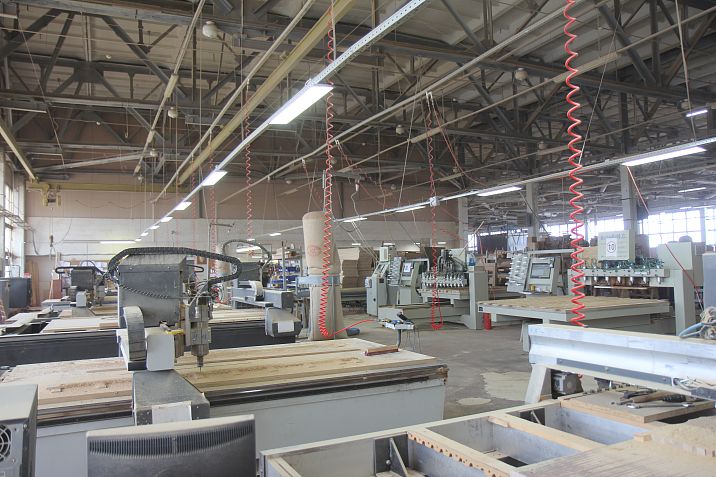
The Russian furniture industry is undergoing qualitative changes, combining deep traditions with breakthrough technological solutions. In 2025, the Russian furniture market presents itself as a dynamic system, where innovative production methods, modern digital technologies, and changing consumer preferences shape a new industry profile. This article offers a detailed analysis of the current situation, key trends, challenges, and development prospects of the market, as well as examines the role of environmental sustainability and socio-economic factors in the future of the furniture market.
Read more about furniture industry trends on the Stavros website


Introduction
Furniture occupies a special place in the life of every person, reflecting not only functional needs but also aesthetic and cultural values of society. The Russian furniture market today is characterized by high competition, a drive for innovation, and active adoption of digital technologies. Modern consumers expect furniture not only to be practical but also to have a unique design, ecological purity, and durability. Under global changes, companies are forced to combine centuries-old traditions with advanced methods, which is especially noticeable in the segment of items executed in the style of classical furniture, known as 'classic furniture' or 'furniture in classical style'.
This article covers:
● Historical development of the furniture industry in Russia.
● Modern segments and market structure.
● Impact of digital technologies and automation on production.
● Evolution of consumer preferences.
● Economic, ecological, and social aspects.
● Role of marketing, branding, and government support.
● Forecasts and development scenarios for 2025.




Historical journey: from craftsmanship to digital technologies
Our factory also produces:


Origins of traditions
Russian craftsmen have long been renowned for their skill in working with wood. Even in ancient times, items were created featuring exquisite carving, rich decorative elements, and reliable construction. These artisanal traditions, passed down from generation to generation, laid the foundation for categories such as 'classic furniture' and 'classical furniture'. Handcrafted production, attention to detail, and use of solid natural wood have always been synonymous with high quality.
Get Consultation
Transition to mechanized production
With the development of industry in the 19th century, the first mechanized production facilities emerged, enabling a significant increase in the volume of produced goods. Mass production made furniture more accessible to a broad segment of the population, yet standardization often conflicted with the uniqueness of items characteristic of traditional craftsmanship. Despite this, many workshops continued to produce exclusive pieces, preserving traditions still valued in the 'classic furniture' segment.
Digitalization era
Since the end of the 20th century, computer technologies have entered the market, fundamentally changing the design and production processes of furniture. Modern CAD/CAM systems allow creating detailed 3D models, conducting virtual tests, and optimizing designs before actual production begins. These innovations reduce development time, improve product accuracy and quality, and enable integration of modern methods with centuries-old traditions.
Learn more about digital solutions in furniture production on the Stavros website
Current structure of the Russian furniture market
Market segmentation
The Russian furniture market can be divided into several main segments:
Luxury segment
This sector targets exclusive, high-quality items made using natural materials and traditional craftsmanship. Products in this segment often include elements crafted using classical manufacturing techniques, making them especially sought after by those who value durability and individuality. Such items belong to the categories 'classic furniture' and 'classical furniture' and often become family heirlooms.
Mass segment
Products in the mass segment are intended for a broad range of consumers. Here, the main focus is on functionality, comfort, and affordability. Manufacturers optimize production processes by applying automation and standardization to reduce product costs without compromising quality.
Commercial and specialized solutions
Furniture for offices, hotels, restaurants, and other commercial facilities requires a special approach, where ergonomics, durability, and adaptability to intensive use are prioritized. These solutions are often developed according to specific client requirements and are characterized by high technological sophistication.
Import-export sector
Russian furniture companies are actively entering international markets. Entering the global market requires compliance with international quality and safety standards, as well as adapting products to the needs of foreign buyers. International cooperation facilitates the exchange of experience and advanced technologies.
Learn about global trends on the Stavros website
Economic indicators
The Russian furniture market demonstrates steady growth due to several key factors:
● Sales volumes: The industry generates significant turnover annually, reflecting high demand for both mass-produced and exclusive items.
● Growth rates: Stable increases in purchasing power and infrastructure development contribute to sustained market growth.
● Investments: Growth in investments in automation, digitization, and innovative technologies enables domestic manufacturers to improve product quality and reduce costs.
Export potential: Russian companies are increasingly entering international markets, which contributes to expanding export opportunities.
However, the industry faces challenges such as rising raw material prices, currency fluctuations, and stricter environmental regulations, requiring constant adaptation and improvement of production processes.
Learn about adaptation strategies to economic challenges on the Stavros website
Consumer preferences and modern trends
Changes in lifestyle
Modern changes in lifestyle, urbanization growth, and shifts in social values influence furniture requirements. Today’s consumer seeks not only functional but also aesthetically appealing items capable of highlighting their individuality and status. Key trends include:
● Personalization: Buyers seek unique solutions that can be customized to personal preferences.
● Multifunctionality: Considering limited space, especially in large cities, demand is growing for furniture capable of performing multiple functions.
● Environmental awareness: Consumers pay more attention to the environmental characteristics of products, refusing items produced in violation of environmental protection standards.
● Digital experience: Online purchases, virtual showrooms, and interactive services make the process of selecting and acquiring furniture more convenient and transparent.
Influence of cultural traditions
The Russian furniture industry is rich in cultural traditions that shape consumer tastes. Items in the "classic furniture" style possess a unique charm due to their historical and cultural heritage. Such products are valued for their uniqueness, quality, and ability to retain their aesthetic value for many years.
Learn more about the cultural heritage of the furniture industry on the Stavros website
Technological innovations and automation
Digitalization of production
The introduction of digital technologies has transformed the entire furniture manufacturing industry. Modern CAD/CAM systems allow designing products with maximum precision, while automated lines and CNC machines ensure stable and high-quality execution of technological operations. These technologies contribute:
● Acceleration of development: Reducing time for prototyping and optimizing product designs.
● Reduction of defects: Minimizing human factors and improving material processing accuracy.
● Optimization of resources: Rational use of raw materials and reduction of production waste.
Innovative materials
On the Russian furniture market, innovative materials meeting global quality and environmental safety standards are gaining significant importance. Among the main trends:
● Natural solid wood and eco-friendly materials: Using high-quality natural wood remains a guarantee of product durability and aesthetic appeal.
● Recycling and reuse: Modern technologies enable efficient use of secondary materials, contributing to cost reduction and improved environmental sustainability.
● New coatings and adhesives: Using natural and non-toxic compositions ensures product safety and longevity, which is especially relevant for "classic furniture" style products.
Learn about modern innovative materials on the Stavros website
Virtual and augmented reality
Virtual reality (VR) and augmented reality (AR) technologies open new horizons in design and sales. With their help, you can:
● Create virtual product prototypes. Clients can see how furniture will look in an interior even before its manufacture.
● Conduct interactive presentations. VR and AR technologies allow demonstrating unique product features and increasing customer satisfaction.
● Improve decision-making. The ability to virtually "try on" furniture helps reduce returns and increase brand trust.
Learn about the implementation of VR and AR in furniture production on the Stavros website
Globalization and International Cooperation
Entering the Global Market
Globalization provides Russian furniture manufacturers with a unique opportunity to expand their markets and gain international recognition. Entering the global market requires adherence to strict international standards of quality, safety, and environmental friendliness. Key aspects of globalization include:
● Compliance with international standards. Products must meet global norms, ensuring trust from foreign buyers.
● Participation in international exhibitions. These events facilitate experience exchange, establish new business contacts, and promote domestic brands.
● Product adaptation. Understanding cultural specifics and preferences of foreign consumers enables the creation of items in demand on the global market.
International Competition
Russian manufacturers must compete with leading global brands that actively implement innovative technologies and refine their production processes. Key strategies for successful competition include:
● Implementation of innovations. Using modern technologies allows creating products that surpass competitors in quality and functionality.
● Building a strong brand. Effective branding and marketing strategies help gain consumer trust both domestically and abroad.
● Flexible production. Rapid adaptation to changes in demand and optimization of technological processes are crucial factors for maintaining competitive positions.
Learn about international competition strategies on the Stavros website
Marketing Strategies and Branding
Modern Promotion Methods
Effective promotion in the furniture market requires a comprehensive approach combining digital and traditional communication channels. Key tools include:
● SEO and content marketing. Using carefully selected keywords such as "furniture market Russia", "furniture manufacturing technology", "classic furniture", "classic style furniture" allows achieving top positions in search engines and attracting target audiences.
● Social media and SMM. Regular content updates, interactive campaigns, and active presence on social media contribute to building a positive brand image.
● Virtual showrooms. Online platforms allowing customers to thoroughly examine products in 3D and receive consultations make the purchasing process convenient and informative.
● Traditional channels. Print advertising, participation in exhibitions, and organizing demonstration events help establish direct contact with consumers.
Building a Strong Brand
Creating a recognizable brand is a key element of successful market positioning. To achieve this, you need:
● Develop a unique selling proposition (USP). Determine what distinguishes your product from competitors — whether innovative design, high-quality materials, or exclusive technologies.
● Tell the brand’s story. Emotional connection with the consumer is formed through stories about traditions, craftsmanship, and innovations embedded in the creation of products — especially important for classic furniture.
● Continuous updates. Implementing new technologies and adapting to changing market requirements help strengthen the brand’s position and gain trust from discerning audiences.
Learn about branding strategies on the Stavros website
Environmental Sustainability and Social Responsibility
Environmental Awareness
Modern consumers pay significant attention to the environmental safety of furniture they purchase. Russian manufacturers must apply sustainable technologies to create products meeting global environmental standards. Key directions include:
● Use of natural solid wood and eco-friendly materials. Products made from natural wood symbolize quality and durability, especially valued in the classic furniture segment.
● Optimization of production processes. Implementing energy-efficient technologies and waste recycling systems helps reduce negative environmental impact.
● Compliance with international standards. Certification of products according to global environmental norms helps expand export potential and strengthen consumer trust.
Social responsibility
Companies that pay attention to social responsibility gain additional market advantages. Ethical business practices, support for local communities, and transparency in production processes contribute to building a positive image and long-term relationships with consumers. Key initiatives:
● Support for local crafts and traditions. Preserving and developing regional workshops helps pass down cultural heritage.
● Staff development. Investments in training and creating comfortable working conditions improve product quality and employee loyalty.
● Business transparency. Openness in production processes and honest business practices help build trust with customers.
Learn about social and environmental initiatives on the Stavros website
Furniture market prospects in Russia in 2025
Technological breakthroughs
The future of the Russian furniture market in 2025 will be determined by active adoption of innovative technologies. The following changes are expected:
● Expansion of CAD/CAM capabilities. Modern software solutions will allow creating even more detailed 3D models, optimizing the design process.
● Increased automation. Robotic lines, high-precision CNC machines, and AI-based quality control systems will significantly boost productivity.
● Integration of VR and AR. Virtual and augmented reality technologies will allow customers to see the future product in the interior before its manufacture, reducing risks and improving customer satisfaction.
● Adoption of eco-friendly technologies. Use of sustainable materials and energy-efficient production methods will become a mandatory condition for manufacturers aiming to meet global standards.
Changes in consumer behavior
Modern trends influence Russian consumers' demands. Key changes:
● Personalized approach. Consumers prefer unique, customized items that reflect their personal style.
● Shift to online purchases. E-commerce and digital services make the process of choosing and buying furniture as convenient as possible.
● Growing demand for premium products. Many consumers are willing to invest in high-quality furniture that combines quality, functionality, and aesthetic appeal.
● Emphasis on eco-friendliness. Increasing attention to environmental issues stimulates demand for furniture produced using sustainable technologies.
Learn about current consumer trends on the Stavros website
Forecasts and development scenarios
Experts identify several development scenarios for the Russian furniture market in 2025:
- Optimistic scenario. Active adoption of innovations, growth in export potential, and increased purchasing power stimulate rapid industry growth. Companies capable of quickly adapting will occupy leading positions.
- Conservative scenario. With moderate economic growth, the market stabilizes, and competition forces companies to optimize processes and reduce costs. Development will be stable but gradual.
- Pessimistic scenario. Under global economic instability and rising costs, the industry will face slowed growth, requiring major reforms and strategic changes.
The key factor for success remains the ability of companies to quickly respond to changes, adopt new technologies, and preserve traditional values inherent in products in the classic furniture style.
Learn about furniture market development forecasts for 2025 on the Stavros website
Government regulation and international cooperation
Role of government support
Government policy has a significant impact on the development of the furniture market in Russia. Key support measures include:
Tax incentives and subsidies. These measures help enterprises invest in modernization and the adoption of innovative technologies.
Export support programs. Facilitating access to foreign markets helps expand the export potential of domestic manufacturers.
Investment programs. Financing projects aimed at digitization, automation, and sustainable production creates a favorable business environment.
International cooperation
Russian manufacturers aim to actively participate in international exchange of experience, technologies, and best practices. Compliance with global quality and environmental safety standards is mandatory for successful entry into the global market. International trade agreements, participation in exhibitions and conferences contribute to information exchange and enhanced competitiveness of domestic brands.
Conclusion
The Russian furniture market in 2025 represents a unique blend of tradition and innovation. The evolution of the industry, from ancient crafts to modern digital technologies, demonstrates that true craftsmanship lies in the ability to integrate centuries-old experience with cutting-edge solutions. Classic-style furniture and traditional furniture remain symbols of high quality, durability, and aesthetic value.
Key factors for success:
● Synergy of tradition and innovation. Combining craftsmanship with modern technologies enables the creation of unique products that meet the demands of discerning consumers.
● Environmental sustainability. Using natural materials and implementing energy-efficient technologies have become an essential part of successful production.
● Flexibility and customization. Personalized solutions and active use of digital platforms contribute to increased consumer satisfaction.
● Global cooperation. International participation and exchange of experience open new opportunities for expanding markets and enhancing competitiveness.
The Russian furniture market in 2025 is a space where every company, whether a large manufacturer or a small workshop, can find its niche by leveraging modern technologies, strategic planning, and respect for time-honored traditions. Success in this industry is achieved through continuous improvement, rapid adaptation to changes, and a commitment to high quality.
Visit the Stavros website for more information and inspiration