Article Contents:
- 1. What is meant by 'furniture materials' for upholstered furniture
- 2. Frame and its materials
- 2.1. Solid wood
- 2.2. Plywood and MDF
- 2.3. Metal
- 3.1. Spring blocks
- 3.2. Foam (polyurethane, PU)
- 3.3. Latex
- 3.4. Other fillers
- 4.1. Natural leather
- 4.2. Eco-leather
- 4.3. Fabrics (textile)
- 4.4. Microfiber and modern synthetic coatings
- 5.1. Frame
- 5.2. Fillers
- 5.3. Upholstery
- 5.4. Design complexity
- 7.1. Kitchen corners, dining areas
- 7.2. Sofa for the living room
- 7.3. Reading/relaxation chairs
- 7.4. Children's furniture
- 7.5. Office sofas and chairs
When it comes to soft furniture — sofas, chairs, ottomans, upholstered chairs — we primarily think about comfort and appearance. However, the material it is made from plays an equally important role: it determines durability, comfort, price, and even the owner’s health. This includes not only upholstery fabrics or leather, but also the frame, fillers (springs, foam, latex) and additional components (stitching, spring blocks, hardware). In this text, we will thoroughly examine which furniture materials are most commonly used in the production of soft furniture, what to pay attention to when choosing, and how their properties affect the overall quality of the product.
The article will be extensive (about 2000 words) to fully cover the topic, in accordance with the original "prompt" you provided at the very beginning of the conversation (style: detailed, professional, "best" material, comprehensive overview).


1. What is meant by "furniture materials" for soft furniture
Soft furniture is a complex structure combining several levels of materials:
- Frame: the base providing the shape and rigidity of the item (plywood, solid wood, metal).
- Frames and supports: for attaching springs or other seat systems.
- Fillers: responsible for elasticity and softness (spring blocks, polyurethane foam, latex, hollofiber, etc.).
- Upholstery (outer fabric or leather): the top layer that contacts the person.
- Additional hardware: transformation mechanisms (if the sofa is convertible), decorative elements (buttons, stitching, trim).
Often, when choosing soft furniture, people look only at the upholstery, ignoring the type of frame or properties of the filler. This may lead to disappointment when the furniture quickly "sags" or starts creaking. That is why it is important to understand all components of the structure.




2. Frame and its materials
Our factory also produces:


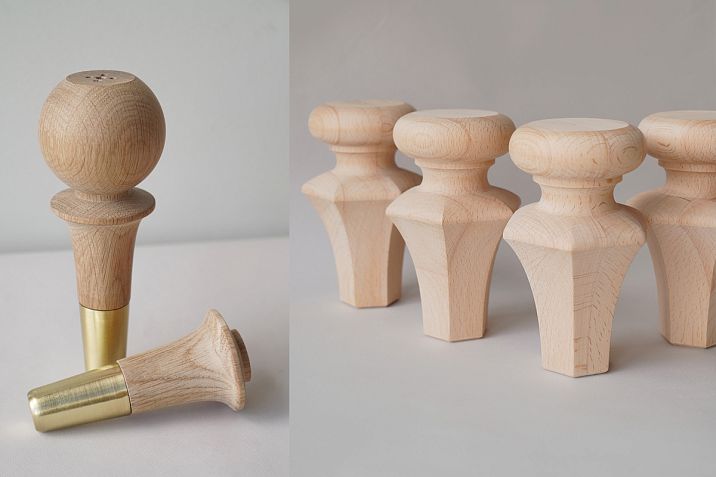
2.1. Solid wood
Features: Different species are used: pine, birch, beech, oak, etc. The most "classic" and proven option.
● Advantages:
1. High strength (especially in hardwoods).
2. Restorability and repairability.
3. Ecological safety (if formaldehyde emission class is normal and finish is safe).
● Disadvantages:
1. Cost, especially for oak and beech.
2. Weight: a solid wood sofa or chair may be heavy.
3. Sensitivity to humidity and temperature fluctuations (possible cracking).
Get Consultation
Plywood (glued veneer layers) and MDF (fine particle board) are often found in soft furniture frames:
Plywood (glued veneer layers) and MDF (fine particle board) are often found in the frames of upholstered furniture:
● Advantages:
○ Less expensive than solid wood.
○ Sufficient strength (especially if the plywood is of good quality, grade E or I).
○ Lighter than solid wood (especially plywood).
Disadvantages:
Lower prestige (though, from a functional standpoint, often quite sufficient).
With poor manufacturing, internal voids and delamination (in plywood) may occur.
Used in: sofa and chair frames, especially in budget and mid-range segments. Often a combination is made: load-bearing parts from solid wood, others from plywood/MDF.
2.3. Metal
Briefly: steel or aluminum pipes, profiles, sheets. Found in loft-style chairs, beds, bar stools.
● Advantages:
High strength, durability.
Resistance to deformation (with proper corrosion protection).
“Airy” design (thin supports).
Disadvantages:
“Cold” appearance, not always compatible with soft upholstery in classic style.
With poor coating, corrosion may occur.
3. Shock absorption systems and fillers (internal materials)
3.1. Spring blocks
- Spiral (S-shaped) springs: commonly used in sofas. Provide elastic support, but may sag over time; require quality fasteners.
- Bonnel-type blocks (springs combined into a rigid block): characteristic of mattresses, may be used in seating.
- Independent spring blocks: each spring in its own pocket, minimizes the “wave effect,” increases point support. These items cost more, but offer greater comfort.
3.2. Foam (polyurethane, PU)
- Polyurethane foam: widely used; available in various densities and firmness levels.
Advantages: affordable price, comfort, ease of processing.
Disadvantages: may deform (sink) over time, forming “pits” if density is low.
- Memory foam (with memory effect): more expensive, but better adapts to body shape. Ideal for premium sofas.
3.3. Latex
Natural (from rubber tree sap) or synthetic.
Advantages: high elasticity, durability (does not sag as quickly), antibacterial properties.
Disadvantages: price. Natural latex is significantly more expensive than foam.
3.4. Other fillers
Hollow fiber, synthetic sponge: for backrest cushions and soft pillows, they add volume.
Coconut coir: in some mattress constructions for added firmness.
4. Upholstery materials (top layer)
4.1. Natural leather
● Pros: luxurious appearance, durability, easy to clean stains, "breathes" when properly finished.
● Cons: high price, possible scratches from animal claws, requires maintenance (impregnation).
4.2. Eco-leather
● What it is: multi-layer composition (polyurethane + woven base).
● Pros: cheaper than natural leather, similar appearance, more "breathable" than PVC.
● Cons: may crack within a few years if poorly manufactured.
4.3. Fabrics (textile)
● Chenille: soft, warm, but quickly forms "lumps" and requires careful handling.
● Velvet, satin: velvety surface, gives the sofa an elegant look. May "fuzz" in areas of intense friction.
● Jacquard: dense, durable, with patterns. Maintains shape longer, but stiffer.
● Fleece: tactilely similar to velvet, easy to clean, "anti-claw" for pet owners. But afraid of aggressive chemical stains.
● Corduroy: textured fabric with coarse weave, suitable for Scandinavian and loft interiors.
● Blended fabrics: combination of natural and synthetic fibers to improve durability and ease of cleaning.
4.4. Microfiber and modern synthetic coatings
● Often used in hotel, restaurant, and office furniture due to high practicality, water-repellent treatments, and rich color palette.
5. Impact of material on the price of upholstered furniture
5.1. Frame
● Expensive: frame made of solid hardwood (oak, beech).
● Mid-range: quality plywood/MDF combined with partial solid wood elements.
● Budget: particle board, low-grade plywood, sometimes pine (the most affordable wood).
5.2. Fillers
- Independent springs + latex: maximum comfort and price.
- Medium-density polyurethane foam: standard for mid-range pricing.
- Rolls or coils + cheap foam: budget, but short-lived.
5.3. Upholstery
- Natural leather (especially Italian finish) — high price segment.
- Eco-leather, quality fabrics (fleece, jacquard, chenille) — mid-price segment.
- Budget fabrics (microfiber "no name", simple semi-synthetic materials) — economical option, but requires attention to durability.
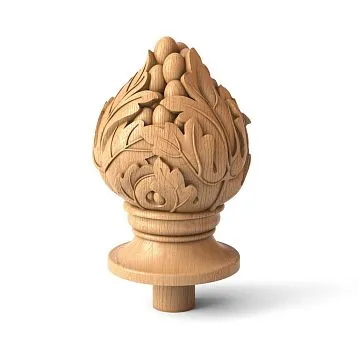
● Carved wooden elements, decorative armrests, deep 'chanel' stitching (as in classic Chesterfield sofas) — significantly increase the price.
● Simple shapes, straight lines — reduce cost.
6. Criteria for quality when selecting upholstered furniture
6. Criteria for quality when selecting upholstered furniture
- Even seat density: if hollows are felt when pressing, the filler is unevenly distributed.
- No squeaks: when gently rocking the sofa or chair, the frame and fastening quality are checked.
- Upholstery without wrinkles: no creases in areas where they shouldn't be. Stitching is even, without gaps.
- Resistance to cat claws: some fabrics (fleece, microfiber 'antikogot') better withstand damage.
- Removable covers: beneficial for maintenance, especially in children's rooms.
7. Recommendations for material selection depending on the situation
7.1. Kitchen corners, dining areas
● Prefer eco-leather or durable fabrics (fleece, rush with protective coating). They are easy to clean and resistant to stains.
● Frame: plywood or MDF, metal elements (legs) are also suitable.
7.2. Living room sofa
● If luxury is important — natural leather or quality veneer+solid wood in visible details, filler of independent springs/latex.
● Mid-budget — MDF/plywood + high-density polyurethane, upholstery of shenille/fleece/rush.
7.3. Reading/relaxation chairs
● Fillers with memory foam or feather+polyurethane (for softness).
● Upholstery in velvet, velour, or soft shenille.
● Frame: solid wood + plywood for stable construction.
7.4. Children's furniture
● Use eco-friendly materials, minimal formaldehyde (E0/E1).
● Upholstery easy to clean, preferably removable covers.
● Frame without sharp corners, with elastic, safe filler.
7.5. Office sofas and chairs
● Often choose eco-leather or durable synthetic fabrics (microfiber, polyester) for easy maintenance.
● Frame may be metal or combined.
● Filler firmness — medium, so it doesn't 'sink' during short breaks.
8. Mistakes when purchasing and how to avoid them
- Judgment 'by appearance': cannot judge solely by upholstery; must inquire about the frame (solid wood, plywood, MDF), filler (foam, springs), and density.
- Too cheap an offer: possibly a low-quality frame made of raw timber or weak fasteners, low-density foam. Problems will begin after half a year.
- Ignoring usage conditions: for the kitchen, more moisture-resistant and washable solutions are needed, for the balcony — resistance to temperature fluctuations.
- Not checking certificates: if the sofa strongly "smells" of chemical vapors, this may indicate poor emissions.
- Skipping test drive: you need to sit and lie down, check the unfolding mechanisms, listen for any squeaks.
9. Approximate price levels for upholstered furniture materials
Important: these are approximate levels; actual cost depends on region, brand, and factory.
- Frame:
○ Solid oak, beech: most expensive.
○ Pine, birch, combined solid wood + plywood: medium level.
○ Only plywood / MDF: budget-friendly.
- Fillers:
○ Independent springs, latex: premium.
○ High-density polyurethane: medium.
○ Low-density polyurethane: economical.
- Upholstery:
○ Natural leather (especially Italian finish): top level.
○ Eco-leather, flock, quality rush, shenille: medium.
○ Budget synthetic fabrics, cheap eco-leather: low segment.
- Additional mechanisms (transformation, lift mechanisms): the more complex the mechanism, the higher the price.
10. Summary table (example)
|
Material/type |
Price range |
Where commonly used |
Features |
|
MDF (cabinets, frames) |
Cheap/budget |
Inexpensive sofas, office stands |
Limited design options, requires good edge trim |
|
MDF (frame, facades) |
Average |
Armrests and side panels of sofas |
Allows routing, stronger than MDF |
|
Solid wood |
High level |
Premium furniture (chairs, sofas) |
Natural, expensive, requires care |
|
Bonnel spring block |
From inexpensive to medium |
Often in sleeper sofas |
May sink over time |
|
Independent springs |
Medium-high |
Quality mattresses, sleeper sofas |
Improved comfort, more expensive |
|
Polyurethane foam (PU) |
Varied (depends on density) |
Sofa seats and backrests |
Comfort at proper density |
|
Natural latex |
High |
Premium chairs, mattresses |
Excellent elasticity, durability |
|
Natural leather |
Very high |
Respectable sofas, office chairs |
Luxury and durability, requires care |
|
Eco-leather, faux leather |
Medium/budget |
Office sofas, inexpensive models |
Lower durability, may crack |
|
Fabrics (velvet, shenille...) |
From medium to high |
Sofas, chairs, bedroom |
Variety of textures, requires strength testing |
|
Acrylic upholstery |
Medium-high |
Modern sofas in high-tech style |
Glossy, stylish, sensitive to scratches |
11. Summary and conclusions
The optimal upholstery material for soft furniture depends on:
- Budget: solid wood/leather — expensive, MDF/cheap fabric — affordable, MDF/veneer/spring blocks — medium price.
- Style and purpose: classic living room, minimalist kitchen, children's room, office.
- Usage conditions: humidity, temperature fluctuations, intensity of use, presence of pets.
- Preference for firmness: springs (elastic), foam (soft), latex (expensive but comfortable).
If your goal is durability and premium quality, consider a beech solid wood frame, independent spring seats, natural leather, or high-grade fabric. If budget is important, MDF/plywood for the frame, medium-quality polyurethane foam, and synthetic fabric or eco-leather will be a compromise, allowing you to stay within limited funds.
12. Final tips when purchasing
- Test drive: sit and lie on the sofa/chair in the store. Pay attention to back support, firmness, and noise.
- Check the frame: ask the seller what it's made of — solid wood, plywood, MDF? Are there E1/E0 certificates?
- Inspect seams and upholstery: are the stitches even, are there no wrinkles or creases, is the filling not visible?
- Ask to open the transformation mechanism (if it's a convertible sofa): does it unfold easily, are there no sticking issues?
- Clarify the filling: spring blocks (what kind?), foam (density?), layer of batting or synthetic insulation?
- Pay attention to hardware: hinges, lifting mechanisms, furniture handles (if there are hidden drawers).
- Clarify warranty: reputable manufacturers offer 1-2 years, and sometimes more for the frame.
Conclusion: by understanding how much each material level (frame, filling, upholstery) actually costs, you can avoid overpaying and find a balanced solution. Remember, 'best' material means the optimal choice for your specific conditions and budget: if you need solid classic furniture, solid wood + leather will pay off with luxury; for a quick solution for 3–5 years, MDF + polyurethane + synthetic materials will suffice, and so on. A thoughtful and informed approach to furniture pricing and quality will ensure your comfort and peace for many years.