Article Contents:
- Introduction: The Significance of Furniture Elements
- Classification of Furniture Elements
- 1. Functional Elements
- 2. Decorative Elements
- 3. Innovative Elements
- Functionality and Convenience
- Aesthetic Value and Style
- Innovation and Adaptation
- Traditional methods
- Modern Technologies
- Used Materials
- Inspiration and concept
- Development Process
- Role of Aesthetics in Modern Design
- Supplier Selection
- Traditional Stores and Specialized Centers
- Online Stores and Online Orders
- Features of offline purchases
- Minimalism and Functional Design
- Eco-friendly materials and sustainable production
- Innovations and Smart Technologies
- Individualization and customization
- Synergy of Functionality and Aesthetics
- Integration with Other Elements
- Influence on Overall Perception of Space
- 1. Define Your Needs
- 2. Study the assortment
- 3. Consult Experts
- 4. Compare Prices and Purchase Conditions
- 5. Consider Modern Trends
- Traditional Stores and Specialized Centers
- Online stores and e-commerce platforms
- Recommendations for Choosing a Supplier
Furniture is not just objects that fill space, but true works of art reflecting the style, character, and individuality of the owner. Eachfurniture element plays its unique role in creating a harmonious interior. Whether it's a frame, facade, decorative overlay, or functional hardware – every detail matters. In this article, we will thoroughly discuss furniture elements, their classification, role in design, modern trends, and manufacturing technologies. We will also discuss how to choose and where tobuy a furniture element, as well as how toorder a furniture element according to individual specifications. Let's together dive into the world of furniture design, where every detail is the result of meticulous work and creativity.


Introduction: The Significance of Furniture Elements
Each piece of furniture is the result of careful design, taking into account both functional and aesthetic requirements.furniture element It is the basic building block of any interior. It can serve exclusively utilitarian purposes or, conversely, become a striking accent in the space, setting the overall tone of the interior.
From the selection of materials to manufacturing technologies, from construction details to small decorative elements — all of this affects the durability, comfort, and appearance of the furniture. That is why a proper design concept is important, where every detail contributes to creating a unified artistic vision.




Classification of Furniture Elements
Our factory also produces:


1. Functional elements
This group includes components that directly affect the functionality of the furniture:
● Frame and construction. The frame is the foundation of any furniture item. It ensures the stability and longevity of the structure. The quality of the frame not only affects the appearance but also the functional suitability of the furniture.
● Hardware. Hinges, closers, guides, and extension mechanisms — all of these ensure convenient use of furniture. Quality hardware allows elements to open and close easily, without creating unnecessary noise or wear.
● Fastening elements. Screws, bolts, brackets, and supports — they connect all parts of the item, ensuring its reliability and stability.
Get Consultation
2. Decorative elements
The aesthetic component of furniture is determined by small but important details:
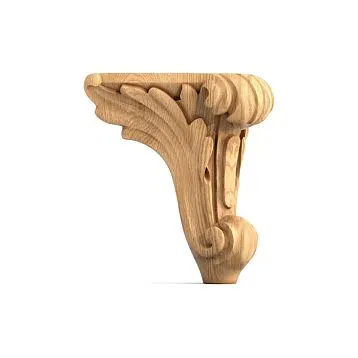
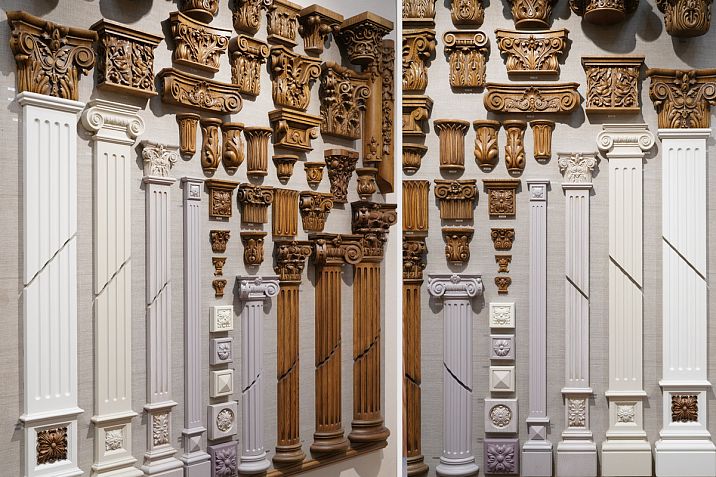
● Appliqués and moldings. They give furniture a finished look, conceal joints, and create an effect of unity.
● Handles and decorative inserts. They can serve as functional elements or decorative accents. They can be made in classic, modern, or extravagant styles.
● Finishing and coating. Lacquers, paints, enamels, textile coverings — all of this affects the appearance and protection of the item's surface.
3. Innovative elements
The modern market offers innovative solutions that make furniture more "smart" and functional:
● Automation elements. Sensors, remote control systems, built-in LED lighting — such solutions transform furniture into a high-tech object, meeting the requirements of a modern "smart home."
● Modular systems. The ability to transform and adapt to different needs allows creating furniture that changes its configuration depending on the situation.
Role of furniture elements in creating an interior
Functionality and convenience
Eachfurniture element must perform their function as efficiently as possible. For example, drawer guides ensure smooth movement, while a reliable frame guarantees the longevity of the structure. Functional elements create comfort during furniture use, help organize space, and ensure convenient access to all parts of the item.
Aesthetic Value and Style
The visual perception of an interior largely depends on properly chosen decorative elements. The choice of color, texture, and shape determines the overall style of the room. Furniture elements can become the main accent in an interior, drawing attention and creating an atmosphere of coziness. Even a small detail, such asbuy a furniture element, can radically change the perception of the entire space.
Innovation and adaptation
The ability toorder a furniture element according to individual parameters allows designers to realize the boldest ideas, creating unique solutions for each interior.
Manufacturing technologies for furniture elements
Traditional methods
Craft traditions remain an important foundation in furniture production. Hand carving, inlay, natural finishing — all these methods require high skill and passion for the craft. Traditional methods allow creating unique items with a special soul and character, which cannot be reproduced by mass production.
Modern technologies
Modern production of furniture elements has significantly changed due to the introduction of digital technologies:
● Computer modeling (CAD). Modern designers use CAD systems to develop precise 3D models, enabling the creation of items with ideal proportions and high accuracy.
● Laser cutting and CNC machines. These technologies allow achieving the highest precision in material processing, ensuring flawless product quality.
● Automated production lines. Mass production of standard furniture elements became possible due to automation of processes, which allows reducing costs and speeding up product output.
Used materials
The choice of material directly affects the quality and durability of the furniture element:
● Wood and its derivatives. Natural wood and MDF with wood grain imitation remain favorite materials for creating classic and modern items. They give furniture warmth and coziness.
● Metals and alloys. Stainless steel, brass, and bronze are used to create durable and long-lasting components such as hardware and fasteners.
● Plastics and composites. Lightweight, strong, and versatile materials allow for the creation of elements with unique shapes and textures, which is especially relevant for modern minimalist interiors.
● Eco-friendly materials. Modern technologies enable the use of environmentally safe materials, which is becoming increasingly important for conscious consumers.
Furniture element design: from idea to realization
Inspiration and concept
Creating the perfect furniture element begins with an idea. Designers draw inspiration from history, nature, architecture, and current trends. Every detail, whether hardware, decorative trim, or frame, must be part of a unified concept reflecting the style and character of the interior. Innovative solutions allow combining traditional craftsmanship with modern technologies, creating unique pieces.
Development process
Furniture element development includes several stages:
- Research and analysis. Studying trends, analyzing market needs, and defining the target audience.
- Sketch and concept. Creating preliminary sketches and developing the overall product concept.
- Digital modeling. Creating an accurate 3D model using specialized software, which allows testing the design and making necessary adjustments.
- Prototyping. Manufacturing a prototype that undergoes testing for strength, functionality, and aesthetic value.
- Final production. After approving all parameters, mass or custom production begins, utilizing modern technologies and high-quality materials.
The role of aesthetics in modern design
Modern trends require combining functionality with visual appeal.furniture element It should not only be convenient to use but also serve as a striking interior accent. Thoughtfully chosen shapes, colors, and textures can turn even the most ordinary item into a focal point, highlighting its uniqueness and style.
Where to buy and how to order a furniture element
Supplier selection
When choosing a supplier, it is important to pay attention to the company's reputation, product quality, and cooperation terms. If you wantbuy a furniture element high quality, choose proven manufacturers who use modern technologies and offer warranties on their products.
Traditional Stores and Specialized Centers
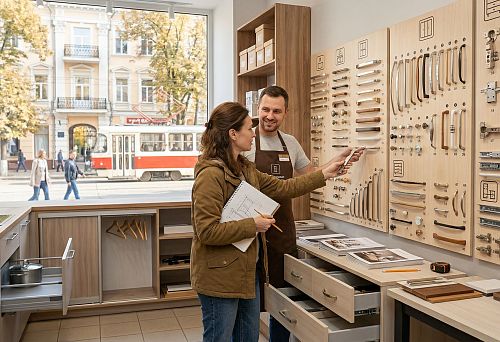
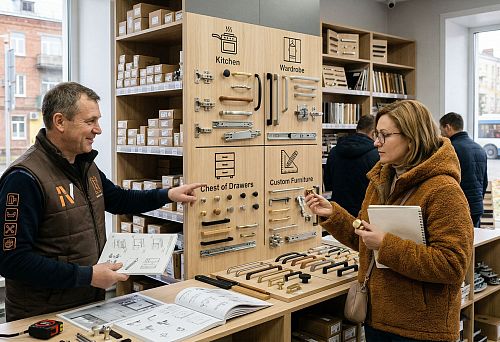
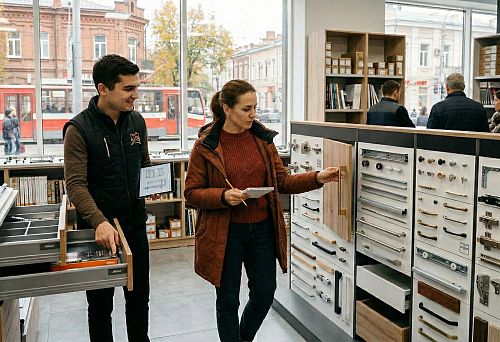
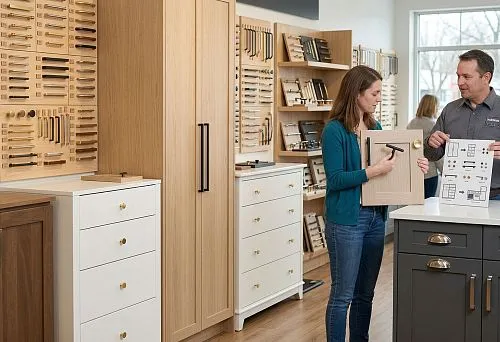
Many designers and craftsmen prefer to turn to specialized centers, where a wide range of furniture elements is assembled. Such stores provide the opportunity to see products in person, receive expert consultations, and choose optimal solutions for a specific project.
Online stores and online ordering
Modern technologies allow ordering furniture elements online. Online stores offer detailed descriptions, photos, technical specifications, and customer reviews, making the selection process convenient and fast. You canorder a furniture element customize according to individual parameters, selecting required materials, sizes, and finishes.
Advantages of online purchases
Online ordering of furniture and components has several undeniable advantages:
● Convenience and time-saving. Ability to compare assortments, prices, and specifications without leaving home.
● Wide selection. Online stores offer an enormous variety of items, often exceeding the selection of traditional stores.
● Promotions and special offers. Discounts and promotions are often available on websites, allowing you to save money.
● Detailed product information. Customer reviews, technical specifications, and the opportunity to consult with experts help make an informed decision.
Modern trends in the world of furniture elements
Minimalism and functional design
Modern design strives for simplicity, conciseness, and functionality.furniture element In a minimalist interior, each element must perform its function as efficiently as possible, without overloading the space with unnecessary details. Simple lines, neutral colors, and concealed hardware — all of this becomes the foundation for creating a stylish and modern interior.
Eco-friendly materials and sustainable production
With growing attention to environmental issues, modern manufacturers increasingly prefer eco-friendly materials. Natural wood, MDF, recycled materials, and water-based lacquers — these solutions not only improve product quality but also reduce their negative impact on the environment. An eco-friendly approach is becoming an important criterion when choosingfurniture element for a modern interior.
Innovations and smart technologies
Modern technologies allow integrating automation and control elements into furniture. Sensors, remote control, built-in LED systems — all these solutions make furniture more functional and convenient. Innovativefurniture elements become an indispensable part of a smart home, where every detail contributes to enhancing comfort and safety.
Customization and personalization
Each interior is unique, and modern consumers strive for individuality. The possibilityorder a furniture element to customize according to individual parameters allows creating an item perfectly suited to the dimensions, style, and functional requirements of a specific project. Customization is becoming an important trend, enabling interior owners to realize their boldest design ideas.
Role of a furniture element in creating a harmonious interior
Synergy of functionality and aesthetics
Eachfurniture element plays an important role in creating the overall look of the interior. Functional components, such as guides, fasteners, and mechanisms, ensure ease of use, while decorative elements provide visual appeal. Thoughtfully selected details create harmony, give the interior a finished look, and make the space cozy and comfortable.
Integration with other elements
A furniture element must harmonize with the rest of the furniture, creating a unified whole. The color, material, shape, and style of the item must be in harmony with the overall interior. This approach allows achieving visual lightness and consistency, where every detail contributes to the overall result.
Influence on the overall perception of space
Small details can significantly alter the perception of the interior. Even if the main furniture is in neutral tones, accentfurniture elements with bold design solutions can become a central decorative element, drawing attention and setting the tone for the entire room. This is especially relevant for modern interiors, where it is important to strike a balance between functionality and aesthetics.
Practical tips: how to choose and where to buy a furniture element
1. Define your needs
First, clearly define for what purpose you needfurniture element. This may be replacing a broken part, modernizing old furniture, or creating a new unique item. Understanding functional requirements will help you choose the optimal solution.
2. Study the assortment
Pay attention to the assortment offered by specialized stores and online platforms. Compare different models, pay attention to materials used, dimensions, finishes, and functional features. If you wantbuy a furniture element online, study customer reviews and product specifications.
3. Consult with experts
Do not hesitate to seek advice from specialists. Designers, furniture makers, and consultants will help you select an item that perfectly fits your interior, provide recommendations on installation and use, and inform you about the latest trends in furniture design.
4. Compare prices and purchase conditions
Price factor plays an important role. Compare offers from different suppliers, taking into account not only cost but also quality, warranty obligations, and delivery conditions. Find the optimal price-to-quality ratio, so thatbuy a furniture elementit will serve you for a long time and continue to delight you with its appearance.
5. Consider modern trends
Keep track of new trends in furniture design. Today, minimalism, eco-friendly materials, innovative technologies, and customization are in vogue. Orderfurniture elementwhich not only meets your functional requirements but also harmoniously blends into a modern interior, reflecting your taste and style.
Where to buy furniture elements: choosing a reliable supplier
Traditional Stores and Specialized Centers
Many designers and furniture craftsmen prefer to shop at specialized stores, where a wide range of furniture elements is assembled. Such centers offer not only standard items but also the opportunity to order components according to individual specifications. Working with trusted suppliers ensures product quality and professional consultation.
Online stores and online platforms
In the era of digital technologiesorder a furniture element has become easier than ever. Online stores provide detailed descriptions, technical specifications, photos, and customer reviews, helping you make an informed choice. A convenient filtering and product comparison system allows you to quickly find the desired element at the optimal price.
Supplier Selection Recommendations
When choosing a supplier, pay attention to:
● Reputation and experience. Companies with a long history and positive reviews guarantee high product quality.
● Warranty obligations. A reliable supplier provides a warranty on the furniture element, ensuring its longevity.
● Variety and the ability to order according to individual specifications. A wide selection of items will allow you to choose the optimal solution for your interior.
● Delivery conditions and after-sales service. Fast delivery and professional support will make the purchasing process as convenient as possible.
Conclusion: Furniture element as a guarantee of a unique interior
Eachfurniture element It is not just a part of the structure, but a small work of art that can change the entire look of the interior. From material selection to manufacturing technology, from functionality to aesthetics — everything must work in harmony to create the ideal space.
Using modern technologies and contacting trusted suppliers, you canbuy a furniture element ororder a furniture element with individual specifications that fully meet your requirements. This approach not only allows you to update or restore furniture but also to create a unique interior reflecting your taste, style, and pursuit of perfection.
If you want to stay up to date with the latest trends, get professional advice, and make the right choice, visit the websitestavros.ru. Here you will find a wide range of items, detailed descriptions, and the option to order, which will turn your ideas into reality.
Remember that an ideal interior is created from many small, but thoughtfully designed details. Investing in qualityfurniture element, you lay the foundation for a space that will delight you every day, offering comfort, functionality, and aesthetic enjoyment.
Thus, a furniture element is a key component of any interior, combining functionality, aesthetics, and innovation. Whether you want to update old furniture or create a new design, the right choice and quality items will help you realize your boldest design ideas. Choose wisely, contact trusted suppliers, and enjoy the result — an interior where every detail works for your inspiration and comfort.
Visit stavros.ru already today and take the first step toward creating the interior of your dreams, where everyfurniture element is a work of art reflecting your unique style and pursuit of perfection.