Article Contents:
- The Role of the Living Room in a Modern Home
- The Role of Furniture in the Living Room
- Classic style
- Modern minimalism
- Scandinavian Style
- Provence and Country: Rustic Romance
- Eclecticism and Fusion
- 1. Space Analysis
- 2. Zonal Division
- 3. Central Element: Sofa
- 4. Media Zone
- 5. Side Tables and Storage Systems
- 6. Lighting
- 1. Floor Coverings
- 2. Walls
- 3. Ceiling
- 1. Textiles
- 2. Paintings and Posters
- 3. Greenery and Flowers
- 4. Mirrors
- 5. Personal Items
- 1. Distances and Walkways
- 2. Furniture Height
- 3. Comfort and Quality
- 1. Neoclassicism: Harmony of Tradition and Modernity
- 2. Eclecticism with Classic 'Notes'
- 1. Stages of Creating a Design Project
- 2. Role of Professionals
- 3. Inspiration and Trends
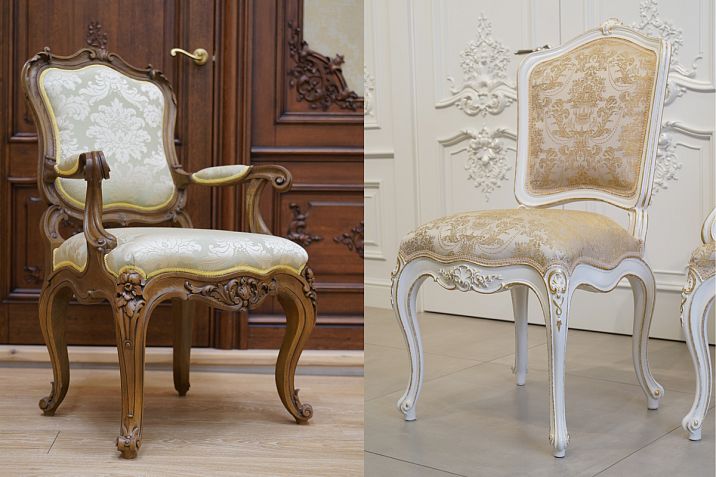
The living room is the heart of the home, the place where friends and loved ones gather, where we rest after a busy day, watch our favorite movies, and celebrate holidays. It is not surprising that living room furniture design deserves special attention. Properly selected furniture can transform an ordinary room into a truly cozy and stylish space that reflects the owners' personalities and lifestyles.
But what if you want to consider current trends while not losing the 'soul' of your home? How to combine functionality and aesthetics, minimalism and comfort, tradition and innovation? In this article, we will explore the key principles of living room design, examine popular styles, and learn how to properly arrange furniture so that the room is not only beautiful but also functional.


The Role of the Living Room in a Modern Home
The living room has long moved beyond the boundaries of a 'formal' room where guests occasionally visit. Today, it is a multifunctional space, often housing a home theater, a workspace, a reading zone, and even a mini-bar. In some apartments, the living room is combined with the kitchen or dining area, creating an open-plan feel and enhancing social interaction among family members.




The Role of Furniture in the Living Room
Furniture is the framework of functionality and simultaneously reflects style. It sets the tone of the interior, forms the spatial layout, and creates comfort. Key elements of the living room usually include:
- Sofa or modular system – the central place for relaxation, conversation, and watching movies.
- Chairs or recliners – additional seating, a personalized spot for reading or relaxation.
- Coffee table – a unifying element, convenient for placing books, drinks, and TV remote controls.
- Media zone (TV stand, equipment shelves) – especially important for movie, music, and video game enthusiasts.
- Storage system (cabinets, shelves, display cases) – the living room often needs space for books, dishes, collections, and art objects.
- Additional accents (ottomans, console tables, bookcases) – they complement the interior and perform auxiliary functions.
Understanding the importance of each element allows you to move on to choosing styles, materials, forms, and colors that will reflect your individuality.
Our factory also produces:


Popular Styles for the Living Room
Choosing a style is the foundational point when creating a living room design project. Each style has its own aesthetics, layout principles, and color palette requirements. Let's examine the most current directions.
Get Consultation
Classic style
Elegant lines, balanced proportions, high-quality materials – these are the three pillars of classic design.Classic Furniture for the living room creates an atmosphere of stability, elegance, and coziness. Key features:
● Natural wood (solid oak, walnut, beech) with carved elements, turned legs, elegant moldings.
● Warm color palette (beige, cream, pastel tones, muted greens, burgundy accents).
● Soft furniture with upholstery in jacquard, velvet, or shantung, sometimes with decorative 'capitoné' stitching.
● Decor and hardware: pilasters, appliqués, brass or bronze handles.
Classic design can vary: from opulent Empire to a more restrained neoclassical variant. The key is harmony, symmetry, and a sense of 'grandeur.' Choosing a classic design means being prepared to pay attention to details: every handle, every carved insert matters.
Modern minimalism
The opposite of classicism is minimalism, where 'less is more.' Its key principles:
● Simple geometric shapes. Furniture appears 'clean' and minimalist.
● Monochromatic palette (usually white, gray, black), which can be accented with one or two bright colors.
● No excessive decoration: no ornamental details, intricate hardware — everything is functional and concealed.
● Concealed storage systems. Cabinets without handles, open shelves with clear structure.
Such an approach visually expands the space and creates an airy effect. However, minimalism requires maintaining perfect order: if you tend to accumulate, you’ll need to carefully plan storage systems.
Scandinavian style
Scandi is one of the most popular styles in recent years. It combines functionality and warmth, thanks to natural materials and light color tones:
● White or pastel walls (sometimes gray, blue, light beige).
● Light-colored wooden furniture (pine, birch, beech). Usually simple in shape, but slightly "cozy" with soft lines.
● Accent pieces such as bright cushions, blankets, or rugs with ethnic or geometric patterns.
● Lots of light and textiles: curtains are light and sheer. Natural tones, potted plants, candles, and paintings in a calm palette are welcomed in decor.
Scandinavian style is ideal for small living rooms, as "light" tones create an impression of spaciousness and freshness.
Loft and industrial chic
This direction originated in repurposed industrial spaces (factories, warehouses). It is characterized by:
● Open structures — beams, brick walls, pipes. In an urban apartment, this can be imitated using finishes with concrete or brick texture.
● Furniture with metal elements (steel frames, rough vintage handles).
● Contrasts: "raw" brick next to glossy glass, leather sofa and concrete floor.
● Minimalism in decor: large but functional items (huge sofa, heavy coffee table).
Loft looks great in spacious living rooms with open floor plans and high ceilings. However, loft elements can also be incorporated into more modest apartments, creating an "industrial" touch.
Eclecticism and Fusion
For those who love experimenting, eclecticism is suitable, where different styles and eras are combined. This is a bold choice requiring impeccable taste. For example, you can useclassic commodes next to futuristic chairs and bright abstract paintings. The main secret is to find a common "thread" that will unite all elements into a cohesive composition. This could be a unified color palette, a recurring motif, or texture.
Living room layout and furniture arrangement
1. Space analysis
Before buying a sofa and shelving unit, it is important:
● Measure room dimensions (length, width, ceiling height).
● Determine the placement of doors, windows, radiators to understand where furniture can be placed.
● Consider the main functional zones (TV zone, reading area, guest reception).
Often, emphasis is placed on a central point — fireplace, TV, large sofa, or panoramic window. Around it, the logic of arrangement is built.
2. Zonal division
In modern apartments, the living room is often combined with the kitchen or dining area. Then the question of zoning arises. Methods:
● Using a sofa as a divider. If the sofa is oriented with its back to the kitchen, it creates the feeling of a separate relaxation zone.
● Floor covering. Tile in the kitchen and parquet in the living room visually divide the space.
● Dividers (shelves, screens, bar counter). They do not "block" light but create a physical boundary.
At the same time, it is necessary to preserve the freedom of movement to avoid "corridor-like" narrow passages.
3. Central element: sofa
Sofa – the "king of the living room". When choosing a sofa, consider:
● Size. It should not overcrowd the room, but also be spacious enough for the family.
● Shape. Straight, corner, modular? Corner sofas save space, while modular ones allow changing the configuration.
● Upholstery. Fabric or leather? Fabric can be velvet, jacquard, microfiber, etc. It is important to assess durability and ease of care.
● Style. For classic – carved legs, textured fabrics, noble tones. For minimalism – smooth shapes, neutral colors.
If desired, you can add chairs, ottomans, benches – everything depends on the room size and your love for comfort.
4. Media zone
Most guests expect the living room to offer movie viewing, so a TV stand or special console for electronics is an essential part. It is important to plan:
● TV mounting height (center of screen at eye level of a seated person).
● Storage system (disks, game consoles, speakers). Open shelves or closed compartments – a matter of style.
● Cable management. Wires should be neatly hidden or disguised.
If you have a large TV or projector, ensure nothing obstructs the view from the main seating area (sofa, chairs).
5. Tables and storage systems
● Coffee table. Height should be approximately at the level of the sofa seat. If the living room is spacious, you can place several small tables or one large one.
● Commodes and cabinets. For classic style, chooseclassic commodes with elegant facades, for modern style – minimalist constructions without decoration.
● Shelves and bookcases. Positioned along walls for storing books, decor, and photos. Can serve as additional zoning if placed perpendicular to the wall.
● Cabinets and stands. If you need to store items, consider a spacious wardrobe with mirrored doors (this expands the space) or an open-shelf option with stylish lighting.
6. Lighting
A single chandelier in the center of the ceiling – an outdated approach. Better to combine several light sources:
● Main lighting (built-in fixtures, spotlights, multi-tiered chandeliers) evenly illuminates the room.
● Local lighting (wall sconces, floor lamps, table lamps) creates coziness and helps divide zones.
● Decorative lighting (hidden strips in ceiling niches, shelf lighting) adds "depth" and highlights beautiful furniture.
Materials and finishes: how to emphasize the living room's style
1. Floor coverings
● Parquet or solid wood planks fit perfectly intoclassic furniture and neoclassicism. They add warmth and status.
● Laminate – budget-friendly, but quite practical, easy to clean, wide range of textures.
● Ceramic tile – popular in modern or loft styles, especially if a heated floor system is planned.
● Rug. Adds coziness, zones the space, and softens sounds. For classic style, choose a patterned rug; for scandinavian – a solid, fluffy one.
2. Walls
● Paint or wallpaper. For minimalism and scandinavian – solid-colored walls. In classic interiors, use wallpaper with botanical patterns or damask designs.
● Textured inserts (brick, decorative stone, plaster). Suitable for loft and eclectic styles.
● Wooden or MDF panels. Create an elegant look in classic interiors, but be careful not to overdo it and clutter the room.
3. Ceiling
● Suspended ceiling with matte or glossy finish, complemented by spotlights.
● Gypsum board with multi-level construction – ideal for experimenting with lighting and zoning.
● Moldings. Perfect for classic style, but can look appropriate in neoclassical style if not overdone with details.
Color Solutions
Color affects not only aesthetics but also the emotional perception of the living room:
- Light and neutral tones (beige, gray, white, cream) – create a sense of spaciousness and work as a backdrop for bright accents (pillows, rugs, paintings).
- Dark and deep shades (blue, emerald, graphite) – add drama and luxury, but require thoughtful lighting; otherwise, the room may appear gloomy.
- Vibrant accents (mustard, purple, coral, turquoise) – best used sparingly: on one wall, in textiles, or decor.
Atclassic furniture beige-brown tones and muted pastel shades work well. In a modern style, you can rely on contrasts (black-and-white, gray-yellow) or stick to a monochromatic palette with accents of bright elements.
Decor and Accessories
1. Textiles
Curtains, cushions, and throws can instantly revitalize the living room. In a classic interior, heavy drapes and elaborate pleats are often chosen, while for minimalism — plain, straight curtains without valances. Textiles help "collect" the color palette and add coziness.
2. Paintings and Posters
The wall above the sofa is an excellent place for artistic accents. In classic style, these may be reproductions of famous artists or family portraits in frames. In a modern style — abstract posters or black-and-white photographs.
3. Greenery and Flowers
Potted plants or tabletop flowers refresh the interior, making it "alive." This is especially relevant in Scandinavian, eco-style, and even loft (a contrast between brutality and naturalness).
4. Mirrors
They can visually expand the space and add light. In classic style, mirrors are often framed in carved frames, while in modern style — frameless models with clear geometric shapes are used.
5. Personal Items
The living room is the face of the homeowners. Photographs, personal collections, souvenirs from travels give the interior individuality. The key is to maintain balance and ensure the space does not look "cluttered."
Furniture Ergonomics: Comfort and Functionality
1. Distances and Passages
To make the living room comfortable, follow these basic rules:
● Leave 40–50 cm between the sofa and the coffee table to allow free movement.
● Between chairs and the table — at least 30 cm.
● Passages 80–100 cm wide ensure unobstructed movement, especially if there are children or elderly people in the house.
2. Furniture Height
● Standard sofa and chair height — about 40–45 cm from the floor.
● The coffee table should be at the level or slightly below the sofa seat (35–45 cm).
● The TV panel should be positioned so that the center of the screen is at eye level (approximately 100–110 cm from the floor for average height).
3. Comfort and Quality
The final "ergonomics" depends not only on dimensions and distances, but also on the quality of components. A good sofa provides lumbar support, chairs should be comfortable for individual body parameters. If you watch TV a lot, consider recliners or footrests.
Styling the Living Room Through the Lens of Classicism
1. Neoclassicism: Harmony of Tradition and Modernity
Neoclassicism is an adaptation of classic style to the realities of the 21st century. It takes proportionality, smooth shapes, and moderate decoration from old canons. However, the palette can be bolder (gray, coffee, dark blue), and the hardware — minimalist.
In practice, this looks like a sofa with slightly curved armrests, but in modern upholstery without large patterns. A TV in an elegant frame, cabinets with minimal carving. Colors — calm, sometimes with one accent (e.g., dark green curtains or cushions).
2. Eclecticism with Classic "Notes"
If you like mixing styles, take a modern layout and add a fewclassic items — for example, an antique chest, mirrors in carved frames, a fireplace surround with stucco. Example: place a classic buffet against a concrete wall (loft), painted in a bold color (burgundy, green), complemented by an ultra-modern table lamp.
Practical Tips for Choosing Classic Furniture
- Check the materials.Classic Furniture Usually made from solid wood or veneer of valuable species. Ensure the manufacturer uses quality raw materials, not cheap substitutes.
- Dimensions. Classic style tends toward heaviness. If the room is small, avoid overly large carvings or baroque forms — choose lighter models or neoclassicism instead.
- Color Palette. Dark wood looks prestigious but dims light in small rooms. Light wood tones and pastel upholstery can save the situation.
- Combining with Modern Technology. Large-format TV, gaming console, audio center — all this must be integrated into a classic living room without spoiling its historical charm. Decorative screens, built-in niches or doors hiding equipment can help.
Living Room Design: From Idea to Implementation
1. Stages of Creating a Design Project
- Analysis of desires and needs. Who will use the living room, what scenarios? Family gatherings, movie watching, working on a laptop?
- Measurements and Planning. On paper or in computer programs (SketchUp, PRO100, etc.) create a floor plan of the room with furniture placement.
- Style and Material Selection. Agree on color palette, wall, floor, ceiling, and furniture finishes.
- Budget Coordination. Calculate approximate cost, including furniture, finishing materials, decor, and labor.
- Furniture Purchase and Production. Some items may be "standard" from a store, while classic furniture is sometimes custom-made to fit the interior precisely.
- Installation and Decor. This is the final stage when the space achieves a finished look.
2. Role of Professionals
Sometimes you want to do everything yourself, but if the project is complex or expensive, it makes sense to consult an interior designer or architectural firm. They will help:
● Properly calculate electrical wiring and lighting.
● Find the balance between aesthetics and functionality.
● Consider details (such as skirting height, wall thickness, to accommodate, say, a fireplace or hidden lighting).
However, if the project is small or you have experience, self-organizing the living room can become an exciting creative process.
3. Inspiration and Trends
Ideas can be drawn from social networks (Pinterest, Instagram), design magazines, blogs. But do not blindly copy: better adapt appealing solutions to your living space and lifestyle.
Conclusion: Coziness and Harmony in the Living Room
Living room furniture design is a task that requires considering many nuances: functionality, style, budget, materials, ergonomics, lighting. Every detail, from sofa size to curtain style, affects how comfortable and attractive the interior will be.
● If you value luxury and stability,Classic Furniture its elegant forms will never disappoint.
● If you aim for lightness and modernity? Try minimalism, Scandinavian style, possibly with loft elements.
● If you want to surprise and experiment? Eclecticism and fusion will give you room for creativity.
The main thing is that the result corresponds to your tastes and lifestyle. The living room is a place where we spend a lot of time, communicate with friends and loved ones, and rest our souls. Therefore, furniture selection should be both rational (quality, comfort, suitability for room size) and emotional (does it please you visually, does it bring joy and inspiration?).
Conclusion: Furniture in the living room can create a unique atmosphere, highlight the homeowners' individuality, and reflect their inner world. Choose sofas, shelves, tables, and decor not only "by fashion" but also based on your values. Because true beauty is always a union of style, coziness, and harmony, bringing joy to everyone who enters this room.