Article Contents:
- Chapter 1. Basics of the Furniture Business: From Idea to Production
- 1.1. Birth of the Idea and Business Concept
- 1.2. Development of the Production Concept
- 1.3. Importance of a Clear Business Plan
- 2.1. Material Selection: Quality as the Key to Success
- 2.2. Production Technologies: Traditions and Innovations
- 2.3. Organizing the Production Process
- 2.4. Automation and Digitalization of Production
- 3.1. Importance of Quality Control
- 3.2. Developing Standards and Procedures
- 3.3. Integrating Innovative Control Methods
- 4.1. Organizing Efficient Logistics
- 4.2. Supply Chain Management
- 5.1. Building a Strong Brand
- 5.2. SEO and Digital Marketing
- 5.3. Offline Promotion and Participation in Exhibitions
- 6.1. Creating a Detailed Financial Plan
- 6.2. Strategies for Minimizing Financial Risks
- 6.3. Attracting Investments and Growth Through Partnerships
- 7.1. Current Trends in Furniture Production
- 7.2. Innovative Projects and Research
- 7.3. Global Expansion and Entry into International Markets
- 8.1. Main Risks of the Furniture Business
- 8.2. Methods of Risk Minimization
- 9.1. Cases from Market Leaders
- 9.2. Best Practices and Recommendations
- 10.1. Industry Development Prospects
- 10.2. New Business Models and Strategies
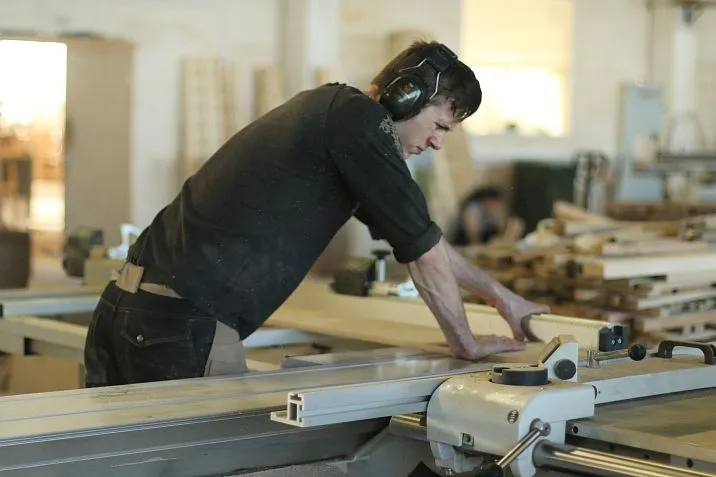
In today's world, where consumer demands are constantly growing and the market is saturated with offerings, the furniture business has become a stage for true professionals. Every successful enterprise related to furniture production begins with a clearly formulated idea, careful planning, and skillful implementation of innovations into production. In this article, we will examine all aspects of creating, organizing, and developing production in the furniture business. We will discuss how to transition from an idea to mass production, which technologies to adopt, how to organize production, establish supply chains, and, of course, how to ensure high product quality.
This article is intended for those who want to learn everything about the intricacies of creating a successful enterprise in the furniture industry, for novice entrepreneurs and experienced professionals who wish to optimize or modernize their production processes. If you are interested in the topicfurniture business production – you are in the right place. We will examine key stages, challenges, and opportunities faced by modern furniture manufacturers, as well as share experience and practical recommendations proven by time and experience.
Prepare for a detailed analysis, deep immersion into the world of furniture production, and an engaging journey from the first steps to a large-scale business. Somewhere here we will boldly challenge established norms, and somewhere we will gently support and advise. After all, the goal of our narrative is to win your trust and help you achieve success.


Chapter 1. Basics of the Furniture Business: From Idea to Production




1.1. Birth of the Idea and Business Concept
Everything begins with an idea. An idea that can overturn the perception of conventional furniture is capable of changing the market and attracting attention from both small and large investors. Creating a successful furniture business begins with developing a concept that meets modern requirements: functionality, aesthetics, ergonomics, and, of course, quality. It is important to understand that each piece of furniture must not only please the eye but also be comfortable, durable, and meet consumer demands.
At this stage, it is necessary to answer key questions:
● Who is your client?
Define your target audience: private buyers, interior designers, corporate clients, or hotels and restaurants.
● What are you offering?
Develop a unique selling proposition (USP). Perhaps you will use eco-friendly materials, offer innovative design solutions, or implement new production technologies.
● What are your competitive advantages?
Analyze the market, study competitors' offerings, identify their weaknesses, and formulate your strategy to stand out from the rest.
Our factory also produces:


1.2. Production Concept Development
After forming the idea, the next stage is developing the production concept. It is important to determine what type of furniture you will produce: classic, modern, modular, office, or exclusive designer products. Here, the question of production scale is also resolved: small-batch production with an emphasis on exclusivity or mass production with high process automation.
It is necessary to consider:
● Material and technology selection.
The quality of furniture largely depends on the materials used. Using natural wood, metal, textiles, or synthetic materials – each choice affects the final product.
● Technical infrastructure.
What technologies will you implement? This can range from classical material processing using machines and manual labor to modern digital technologies, such as 3D modeling, computer-aided design, and automated lines.
● Design and innovations.
Modern consumers value individuality. Creating unique designs, offering customization options, and integrating "smart home" elements can become your competitive advantage.
Get Consultation
1.3. Importance of a clear business plan
It is no secret that successful production begins with a thoroughly developed business plan. Such a document not only helps structure thoughts but also serves as a guide for attracting investors, defining financial flows, and organizing business operations. It must detail the following:
● Business goals and objectives;
● Market analysis and competitive environment;
● Production facilities and technological base;
● Marketing strategy and promotional channels;
● Financial plan: revenue forecasts, expenses, break-even point, and payback period.
A business plan is an essential part of creating any enterprise. Especially in the furniture business, where every detail matters, from selecting raw material suppliers to marketing campaigns. If you wish to review successful planning examples in this field, visit the websitefurniture business production.
Chapter 2. Production Organization: from material selection to finished product
2.1. Material Selection: Quality as the Key to Success
The quality of the final product directly depends on the quality of materials used in production. This is the foundation upon which your brand’s reputation is built. Today, manufacturers strive to use both traditional and innovative materials:
● Natural wood.
Natural beauty, durability, and eco-friendliness make it one of the most sought-after materials in furniture production.
● Metals and alloys.
Ideal for creating frames, decorative elements, and modern industrial solutions.
● Synthetic and composite materials.
Lightweight, strong, resistant to moisture and mechanical damage.
● Fabrics and upholstery.
The choice of textile affects the comfort and appearance of furniture.
Material selection should be based not only on aesthetic qualities but also on functionality, durability, and compliance with modern ecological standards. The use of eco-friendly materials has become an important criterion for modern consumers.
2.2. Production Technologies: Tradition and Innovation
Furniture production is a symbiosis of traditional craftsmanship and modern technologies. On one hand, classical handcrafting, passed down from generation to generation, gives products a unique charm and individuality. On the other hand, automation and digitization allow significantly increasing productivity, reducing costs, and ensuring consistent product quality.
Key areas to focus on:
● Automation of production processes.
Introducing modern CNC machines, robotic lines, and quality control systems allows increasing production efficiency.
● Digital design.
Using CAD/CAM systems, 3D modeling, and virtual reality not only accelerates design development but also allows optimizing technological processes.
Innovative material processing methods.
The use of laser cutting, milling, and grinding technologies ensures high precision and quality of finished products.
Ecological technologies.
Implementation of waste recycling systems, use of energy-efficient equipment and environmentally friendly production technologies.
Integrating traditions with modern technologies allows creating a unique market offering that will attract discerning customers. If you are interested in the latest trends infurniture business production, pay attention to examples of successful enterprises that are already setting the tone for the industry today.
2.3. Organization of the production process
Organization of the production process is a key factor that determines the efficiency of the enterprise. Here, it is important to carefully plan each stage: from raw material procurement to packaging of finished products. Key aspects include:
● Production capacity planning.
Determining required production volumes, selecting equipment, and arranging production lines.
● Workshop organization.
Efficient workspace organization, creating comfortable working conditions for employees, and ensuring uninterrupted material flow.
● Quality control.
Implementing control systems at all production stages, starting from raw material inspection to final inspection of finished products.
● Logistics and warehousing.
Organizing an efficient system for storing raw materials and finished products, optimizing transportation flows, and monitoring product movement.
Effective management of the production process allows minimizing costs, reducing product delivery time, and increasing customer satisfaction. Each process element must be optimized to ensure consistent quality and market competitiveness.
2.4. Production automation and digitization
A modern furniture business cannot do without implementing digital technologies. Process automation, use of ERP systems, quality management systems, and digital platforms for ordering and designing furniture have become an indispensable part of a successful enterprise. Benefits of digitization include:
● Increased productivity.
Automated lines operate faster and more accurately, enabling greater output in less time.
● Reduced cost of production.
Process optimization reduces costs associated with human factors and decreases the amount of defective products.
● Improved quality control.
Monitoring systems allow promptly identifying and resolving issues at all production stages.
● Flexibility and adaptability.
Ability to quickly respond to changes in demand, adjust production, and implement innovative solutions.
Digitization opens new horizons for furniture manufacturers. If you want to learn more about modern technologies infurniture business production, explore successful case studies and practical recommendations from leading industry experts.
Chapter 3. Quality Management System and Production Standards
3.1. Importance of Quality Control
Quality is the main factor determining the success of any furniture business. It is the quality of the product that forms the brand's reputation, affects the level of customer satisfaction, and determines competitiveness in the market. Quality control must be integrated into every stage of the production process, starting from the receipt of raw materials and ending with the packaging of finished products.
Implementing quality management systems, such as ISO, allows standardizing processes, reducing the likelihood of errors, and ensuring product compliance with high market requirements. Regular inspections, material testing, and monitoring of technological processes—all these measures contribute to maintaining a stable level of quality.
3.2. Development of Standards and Procedures
Each enterprise must have developed and documented production standards. This includes:
● Raw material procurement standards.
Defining quality requirements for materials, certifying suppliers, and monitoring compliance of purchased products.
● Processing and assembly procedures.
Detailed description of each production stage, worker instructions, methods for checking intermediate and final stages.
● Feedback systems.
Organizing quality monitoring of finished products, collecting customer feedback, and promptly responding to complaints.
Creating a unified quality management system helps reduce defects, increase productivity, and enhance customer trust. Continuous improvement of standards is a key component of successfulfurniture business production.
3.3. Integration of Innovative Control Methods
Modern technologies allow significantly improving the level of quality control. Using digital monitoring systems, automated inspections, and data analysis helps not only identify defects but also predict potential problems. Implementing such solutions requires investment, but the benefits from improved quality and reduced costs are evident.
Chapter 4. Logistics and Supply Chain Management
4.1. Organization of Effective Logistics
One of the most important aspects of a successful furniture business is well-organized logistics. From timely delivery of raw materials to delivery of finished products to end consumers—each stage requires careful planning. Logistics organization includes:
● Supplier selection.
Establishing long-term, mutually beneficial relationships with trusted partners.
● Warehouse optimization.
Organizing an efficient system for storing raw materials and finished products, allowing minimization of losses and speeding up the shipping process.
● Transportation control.
Developing optimal delivery routes, using modern transportation equipment and tracking systems.
4.2. Supply Chain Management
The supply chain is your enterprise's 'circulatory system.' The more efficiently it operates, the faster and higher-quality the production becomes. Key elements of supply chain management include:
● Demand forecasting.
Analyzing the market, seasonal fluctuations, and trends allows for early planning of procurement and production volumes.
● Flexibility and adaptability.
Ability to promptly change suppliers or adjust delivery schedules in case of unforeseen circumstances.
● Implementation of ERP systems.
Modern software solutions allow integrating all links in the supply chain, from raw material orders to delivery of finished products.
Effective logistics and proper supply chain management are key to stable business operations and increased customer satisfaction.
Chapter 5. Marketing and Promotion of Furniture Production
5.1. Building a Strong Brand
In a highly competitive market for furniture production, it is important not only to produce quality products but also to promote them effectively. A strong brand is the face of the company, its values, and its uniqueness. To build a brand, you need:
● Develop a Unique Selling Proposition (USP).
Determine what distinguishes your product from competitors: design, quality, innovation, or eco-friendliness.
● Create a distinctive brand style.
Logo, color palette, communication style — all of this must be carefully thought out in detail.
● Emphasize quality and reliability.
Advertising campaigns, case studies, and reviews from satisfied customers help build a trustworthy image.
5.2. SEO and Digital Marketing
In today's world, the internet has become the primary channel for promotion. Integrating key phrases such asfurniture business production, into website content, maintaining blogs, creating video reviews, and active presence on social networks help attract the target audience. Key areas of digital marketing include:
● Website optimization.
Developing an intuitive structure, high-quality content, and technical optimization for search engines.
● Content marketing.
Publishing articles, analytical reviews, case studies, and interviews with industry experts.
● SMM (Social Media Marketing).
Managing social media accounts, hosting contests, live streams, and interactive campaigns.
Digital marketing not only helps attract new customers but also builds a loyal community around the brand.
5.3. Offline Promotion and Participation in Exhibitions
Do not forget about traditional promotional methods. Participation in specialized trade shows, forums, conferences, and fairs helps demonstrate products, establish direct contact with potential clients and partners, and increase brand recognition at regional and international levels.
Chapter 6. Financial Management and Investment Strategies
6.1. Creating a Detailed Financial Plan
Any successful business begins with a clearly developed financial plan. This includes:
● Sales and revenue forecasting.
Market analysis and setting realistic goals.
● Assessment of variable and fixed costs.
Calculating product cost, rent payments, wages, marketing expenses, and other cost items.
● Determining the break-even point.
Calculating the volume of sales required to cover all expenses.
Investment attraction plan.
Assessment of own funds, possibility of obtaining bank credit, as well as search for strategic investors.
6.2. Strategies for minimizing financial risks
Financial discipline is the guarantee of stable development. To minimize risks, it is necessary:
Regularly conduct budget reviews.
Analyze the efficiency of expenditures, adjust the financial model depending on market conditions.
Diversify sources of financing.
Use both own funds and external investments, credit lines, and government grants.
Risk insurance.
Ensure insurance of material assets, liability, and other aspects of operations.
6.3. Attracting investments and development through partnership
To scale up furniture production, additional funds are often required. Effective cooperation with investors, business angels, and venture funds can become a decisive factor for rapid growth. It is important to prepare a comprehensive business plan demonstrating growth potential, return on investment, and competitive advantages of your products.
Chapter 7. Development prospects and innovative trends
The world of furniture production is not standing still. Current trends are determined by consumer demand, technological innovations, and global economic changes. Among the current trends, we can highlight:
The world of furniture manufacturing is not standing still. Modern trends are defined by consumer demand, technological innovations, and global economic changes. Among current trends, we can highlight:
Integration of "smart home" technologies:
Implementation of sensors, automation and control systems, enabling the creation of furniture with additional functional capabilities.
Environmental sustainability:
Use of recycled materials, energy-efficient technologies, and minimization of production waste.
Product customization:
Possibility of individual orders, design customization, and adaptation of furniture to specific client needs.
Digitization and automation of processes:
Use of ERP systems, digital ordering platforms, 3D modeling, and virtual reality for product presentation.
These trends not only set the direction of industry development but also open new opportunities for entrepreneurs seeking to reach a new level.
7.2. Innovative projects and research
Investments in research and development (R&D) allow creating unique products that anticipate the future. Companies actively investing in innovative technologies gain a competitive advantage and earn consumer trust. Examples of successful projects:
Creation of modular furniture systems, allowing easy adaptation of products to various spaces.
Implementation of environmentally friendly technologies, significantly reducing environmental impact.
Development of digital platforms where customers can independently design their furniture using interactive tools.
7.3. Global Expansion and Entry into International Markets
Entering international markets provides additional growth opportunities. For successful expansion, it is necessary:
● Study the characteristics of target foreign markets, adapt products to local standards and preferences.
● Establish partnerships with foreign distributors and retailers.
● Participate in international exhibitions and conferences, promoting the brand on the global stage.
Chapter 8. Risks in furniture manufacturing and ways to minimize them
8.1. Main risks of the furniture business
Like in any business, furniture manufacturing faces a number of risks:
● Raw material risks: price fluctuations of materials, supply problems.
● Technological risks: breakdowns in automated lines, outdated equipment.
● Competitive risks: highly competitive market, emergence of new players.
● Economic and political risks: changes in legislation, currency exchange rate fluctuations.
8.2. Methods to minimize risks
For successful enterprise operation, it is necessary to develop a comprehensive set of risk minimization measures:
● Diversify suppliers and enter into long-term contracts.
● Invest in equipment modernization and staff training to improve production efficiency.
● Proper financial planning and creation of reserve funds.
● Insurance against material and financial risks.
Chapter 9. Successful case studies and best practices
9.1. Cases from market leaders
To understand how to achieve success in the furniture business, it is useful to study real examples:
● Case "Traditions and Innovations":
A small enterprise specializing in exclusive wooden furniture successfully combined traditional craftsmanship with modern 3D modeling technologies, enabling entry into the international market.
● Case "Ecological Revolution":
A company that focused on using eco-friendly materials and sustainable production methods won the trust of environmentally conscious consumers.
● Case "Digital Transformation":
A furniture manufacturer that implemented ERP systems and digital ordering platforms significantly optimized production processes and entered new markets thanks to a high level of automation.
9.2. Best practices and recommendations
Based on the experience of successful enterprises, the following recommendations can be identified:
- Continuous improvement of production technologies.
Stay abreast of new technologies, optimize processes, invest in equipment modernization. - Focus on quality.
Quality control must be implemented at every stage of production, from raw material procurement to packaging of finished products. - Flexible marketing strategy.
Use digital channels, integrate SEO and content marketing, actively engage with customers. - Brand development through innovation and design.
Create unique items, stay updated with interior design trends, offer customized solutions. - Effective supply chain management.
Optimize logistics, plan purchases, monitor inventory levels.
These recommendations will not only help you improve your production processes but also enhance your company's competitiveness in a highly competitive environment.
Chapter 10. The Future of Furniture Production
10.1. Industry Development Prospects
Furniture production is constantly evolving, and the industry's future looks promising. Current trends indicate:
● Integration of intelligent technologies enabling the creation of 'smart furniture' with additional functions.
● Growing demand for eco-friendly products manufactured with minimal environmental impact.
● Expansion of customization options, allowing each customer to receive a unique item made to their individual order.
● Global expansion, thanks to digital sales channels and international partnerships.
10.2. New Business Models and Strategies
The future of furniture production will also be shaped by the emergence of new business models:
● Subscription-based furniture model, where customers receive the opportunity to regularly update their interiors without purchasing new furniture.
● Franchise systems enabling rapid expansion of sales networks and attracting new partners.
● Co-production and partnerships, where several companies collaborate to create high-quality products.
These new approaches will open additional growth opportunities and help entrepreneurs quickly adapt to changing market conditions.
Conclusion
Furniture manufacturing business is a complex, multifaceted field requiring entrepreneurs not only creative thinking and deep technical knowledge, but also the ability to manage processes, adapt to market changes, and keep pace with innovative technologies. From the inception of an idea to a large-scale enterprise — the path is not always easy, but meticulous planning, implementation of modern technologies, and constant pursuit of perfection allow creating unique products that capture the market.
We have reviewed the main stages of creating a successful furniture production, starting from concept development and ending with the implementation of digital technologies, optimization of production processes, quality management, and logistics organization. Each aspect of this journey plays its own role, and only comprehensive attention to details allows achieving high results.
If you dream of creating or modernizing your production, remember: success belongs to those who are not afraid to experiment, invest in innovations, and continuously improve their processes. Remember thatfurniture business production – it is not only about producing items, but also about creating an entire ecosystem in which quality, design, technology, and service work in harmony.
May this material serve as a reliable guide for you in the world of furniture business, a source of practical recommendations and inspiration. Prepare for challenges, learn from mistakes, refine your processes, and strive for your brand to become synonymous with quality and innovation in the furniture industry.
Wishing you creative victories, steady growth, and conquering new peaks in this exciting and dynamic world. May your path be illuminated by brilliant ideas, well-thought-out strategies, and an unwavering pursuit of perfection.